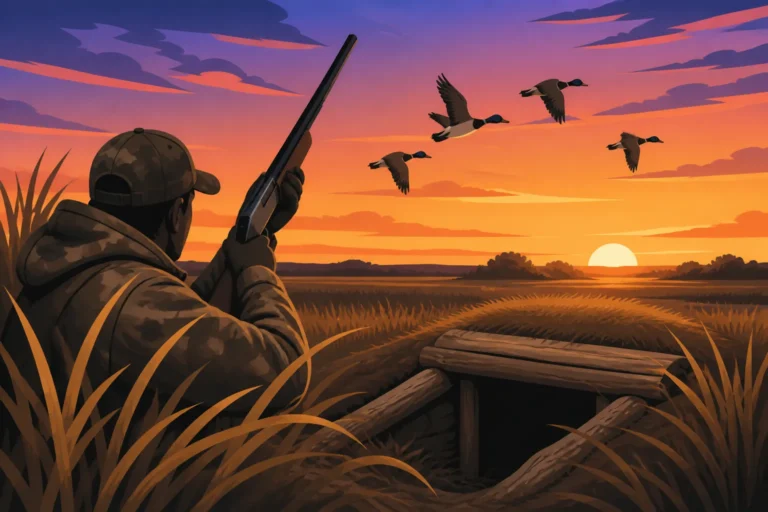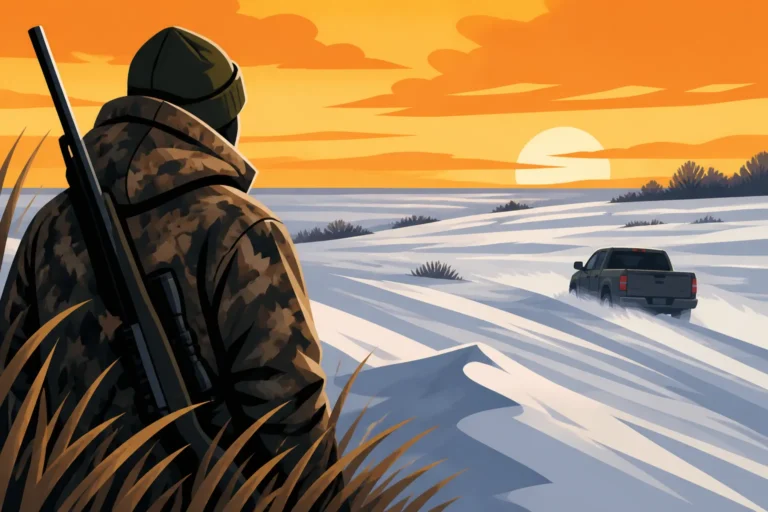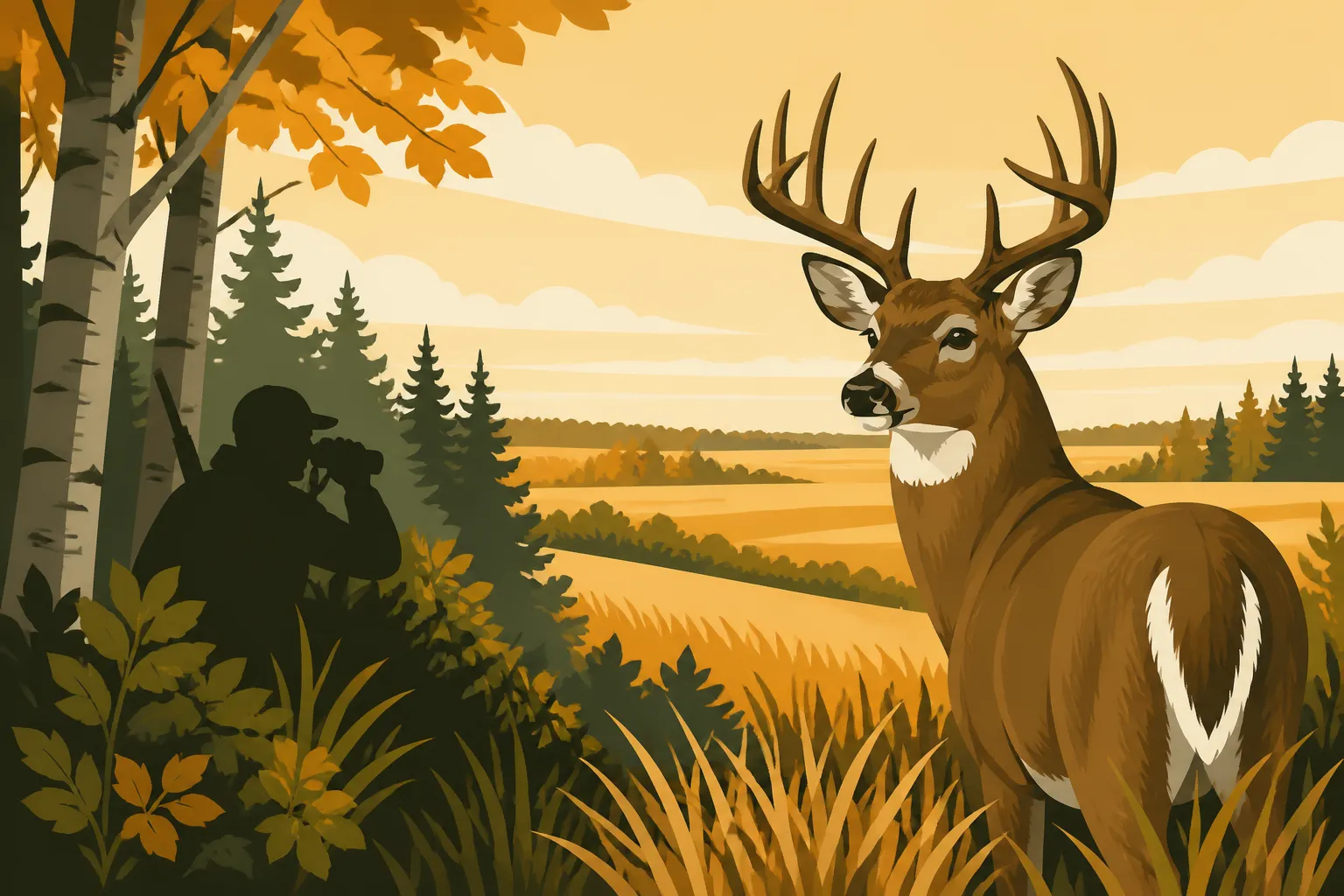
Hunting Whitetails in Saskatchewan’s Forest Fringe
For many Saskatchewan hunters, the forest fringe represents both incredible opportunity and unique challenges. This isn't your wide-open prairie hunting, nor is it the deep, impenetrable boreal forest. It's that beautiful, frustrating transition zone where farmland melts into bush, and big whitetail bucks seem to vanish into thin air. If you've ever felt overwhelmed by the mix of cover and open ground, this guide is for you, offering practical strategies to confidently hunt these elusive whitetails.
Understanding the Forest Fringe Ecosystem
The forest fringe in Saskatchewan is a truly special place, a ribbon of diverse habitat that acts as a natural sanctuary and feeding ground for some of the province's biggest whitetails. It’s not just a boundary; it’s a vibrant, interconnected system that demands a specific understanding from hunters.
The Interplay of Farmland and Bush Cover
Think of the forest fringe as the ultimate grocery store for a whitetail, right next door to their bedroom. On one side, you have the rich agricultural fields – peas, lentils, canola, wheat, barley – offering an abundant, high-energy food source, especially in the fall and early winter. Deer will move into these fields to feed, sometimes in large groups, under the cover of darkness or during low-light conditions. The draw of these crops cannot be overstated; they are a primary driver of deer movement in this region.
On the other side, you have the dense, often tangled bush. This isn't just a few trees; it's typically a mosaic of aspen bluffs, willow thickets, spruce pockets, and often some wetlands or sloughs woven in. This bush provides critical bedding cover, security, and thermal protection from Saskatchewan's often harsh weather. It's where bucks feel safe to hide, especially mature animals that have learned to avoid human contact. The edges of these bush lines, where they meet the fields, are natural travel corridors, funnels, and ambush points. Understanding how these two distinct habitats interact – how deer transition between feeding in the fields and bedding in the bush – is absolutely fundamental to success here. You'll often find deer using these edges as they move into standing crop or utilize a specific section of "Hunting a Saskatchewan Bush Bluff" for security.
Key Habitat Features and Deer Movement Patterns
Within the forest fringe, certain habitat features act like magnets for whitetails. Aspen bluffs, for instance, often have a more open understory, making them decent travel routes and secondary bedding areas. Willow runs, especially those bordering sloughs or low-lying areas, provide incredibly dense cover that deer will use to sneak through unseen. Spruce and balsam fir thickets offer exceptional thermal cover, vital when the mercury drops, and deer will yard up in these spots, especially if you're "Where Saskatchewan Whitetails Bed in Snow". River valleys or major creek drainages that cut through the fringe also act as natural highways, connecting different parcels of cover and food.
Deer movement within the fringe is dictated by several factors: food, cover, water, and breeding activity during the rut. In early season, before heavy snow, deer might be more spread out, browsing on natural forage in the bush and hitting fields at dusk. As hunting pressure mounts and temperatures drop, they become more nocturnal, sticking tighter to cover during daylight hours. During the rut, all bets are off, and bucks will cruise these fringe edges, checking scrapes and scent checks, often crossing open areas they'd normally avoid. Topographical features, even subtle ones like small rises, depressions, or old fence lines, can funnel deer movement. A strategic hunter will learn to identify these subtle features using tools like GoHunt for satellite imagery, allowing them to pinpoint where deer are likely to travel between the safety of the bush and the bounty of the fields.
Understanding Food and Water Sources
While agricultural crops are king in the forest fringe, it's a mistake to overlook the natural food sources available within the bush itself. During early archery season, deer will browse on aspen shoots, willow, dogwood, and various forbs. Saskatoon berries, chokecherries, and pin cherries, when available, are also highly sought after. These natural foods become particularly important when fields are harvested or if deer are pressured away from open areas. As the season progresses and crops are taken off, deer might turn to fallen grain or volunteer growth in harvested fields, but they will also rely more heavily on browse within the bush.
Water sources are typically abundant in the forest fringe, with numerous sloughs, potholes, and small creeks. While deer don't need to drink as frequently in winter, these water bodies, especially their edges, often feature dense cover that doubles as bedding. A frozen slough crossing, for example, can be a surprisingly effective travel corridor, especially in colder weather. Identifying areas where these natural food sources intersect with heavy cover and convenient water access will put you in prime locations.
Scouting Strategies for Forest Fringe Whitetails
Effective scouting is paramount when hunting whitetails in Saskatchewan's forest fringe. This isn't just about walking around; it's about piecing together a puzzle, understanding deer habits, and predicting their movements. The mixed habitat of the fringe demands a multi-pronged approach to uncover those elusive bucks.
Pre-Season Reconnaissance and Satellite Imagery
Before the season even begins, you should be putting in work. This starts long before you step foot in the woods. Begin by identifying potential hunting areas using satellite imagery. Programs like GoHunt are invaluable here, allowing you to zoom in on specific quarter sections, identify bush edges, small bluffs, willow runs, and the types of crops planted in adjacent fields. Look for natural funnels – narrow strips of bush connecting larger blocks, treelines extending into fields, or even subtle changes in elevation that might concentrate deer movement. Locate potential bedding areas, often dense cover pockets, particularly spruce or willow thickets, that offer thermal protection and security.
Once you have a few promising spots identified virtually, it’s time for boots on the ground, but with caution. During late summer or early fall, walk the perimeter of these bush lines, especially those bordering fields, without disturbing the core bedding areas. Look for rub lines, scrape areas, and heavily used trails. Pay close attention to pinch points where deer are forced into a narrow corridor. Check for old logging trails or cutlines that deer might be using as travel routes. The goal is to identify active sign without pushing deer out or making them aware of your presence. This early season groundwork can save you countless hours of unproductive hunting later.
Utilizing Trail Cameras and Observing Movement During Season
Trail cameras are your eyes and ears in the forest fringe, extending your scouting efforts 24/7. Deploy them strategically on identified travel corridors, near scrape lines, or at pinch points where deer transition between bush and field. Don't just set them up randomly; consider where a buck would feel safe to move during daylight. Often, this means a bit deeper into the bush than you might initially think, along a secondary trail just off the main travel route, or on the edge of a small clearing within the fringe.
Once the season starts, continuous observation becomes key. Hunt the edges of fields at dawn and dusk, carefully noting where deer enter and exit the bush. If you spot a buck using a particular trail, consider moving a camera to that spot, but do so judiciously to minimize disturbance. Remember, the fringe is all about transition. A buck might feed in one field, but bed a mile away in another bush block. Your cameras, combined with your observations, help you piece together these patterns. If you're "Reading Whitetail Sign in Saskatchewan Bluffs", cameras can confirm if those rubs are fresh and actively being used by mature bucks.
Reading Sign After Fresh Snowfall
Nothing helps clarify deer movement in the forest fringe quite like a fresh blanket of snow. A new snowfall effectively "resets" the landscape, allowing you to interpret recent activity without the clutter of older sign. After a fresh snow, systematically walk the edges of the bush, particularly where they meet fields. Look for fresh tracks:
- Size and Gait: Large, deep tracks with a long stride often indicate a mature buck. Look for evidence of dragging hooves, which can also suggest a heavy-bodied animal.
- Direction of Travel: Are tracks leading into the field, or out of it? Are they moving parallel to the bush edge, or are they cutting deeper into the cover?
- Activity: Are there multiple sets of tracks indicating a group, or is it a lone set, suggesting a more solitary buck?
- Associated Sign: Do the tracks lead to a fresh rub, a newly pawed scrape, or an area where deer have been feeding heavily? This context is crucial.
Follow fresh tracks carefully, especially those that appear to be from a mature animal. This isn't about jumping the deer; it's about understanding its preferred travel routes, bedding areas, and feeding patterns. If tracks consistently lead into a dense willow run or a specific spruce thicket, you've likely found a bedding area. If they follow a particular fence line or a small depression for an extended distance, you've identified a key travel corridor. This is especially useful when you're "Reading Sign After Fresh Saskatchewan Snow" as it simplifies the interpretation of deer activity.
Effective Hunting Methods in the Forest Fringe
Hunting whitetails in the forest fringe requires adaptability and a willingness to adjust your tactics based on the conditions and the deer's behavior. A single strategy rarely works for an entire season, or even an entire week, in this diverse environment.
Stand Hunting Key Transition Areas
Stand hunting remains one of the most effective methods in the forest fringe, but success hinges on proper stand placement. Your goal is to intercept deer as they move between their bedding areas in the bush and their feeding grounds in the fields.
- Field Edges: Placing stands along field edges, particularly where a finger of bush extends into the field or where a small ditch provides cover, is a classic strategy. These are prime spots for dawn and dusk activity as deer enter or exit the crops. Consider "Hunting a Standing Canola Field Edge" or a similar crop field.
- Internal Funnels: Don't just focus on the outer edges. Look for internal funnels or pinch points within the bush. This could be a narrow strip of timber between two sloughs, a trail that crosses a small creek, or a natural bottleneck caused by terrain. These spots can be incredibly productive during daylight hours, especially during the rut when bucks are cruising.
- Bedding Area Perimeters: If you can pinpoint a specific bedding area, consider setting a stand downwind on a primary trail leading away from it, or on a secondary trail deeper in the timber that bucks use to skirt the edges of their core sanctuary. The aim is to catch them before they hit the open fields or after they leave their beds mid-morning.
- Wind Direction: Always, always, always consider wind direction. In the fringe, swirling winds can be a nightmare. Use terrain features to your advantage, or choose stands that offer multiple wind options. A well-placed stand might only be huntable a few days a season, but those days can be magical.
Still Hunting and Sneaking Through Cover
Still hunting is an art form, and the forest fringe is an ideal canvas for it. This method involves moving slowly, deliberately, and quietly through the woods, stopping frequently to observe, listen, and scan for deer. It's particularly effective when deer are pressured, or when you suspect they are bedded in a specific area.
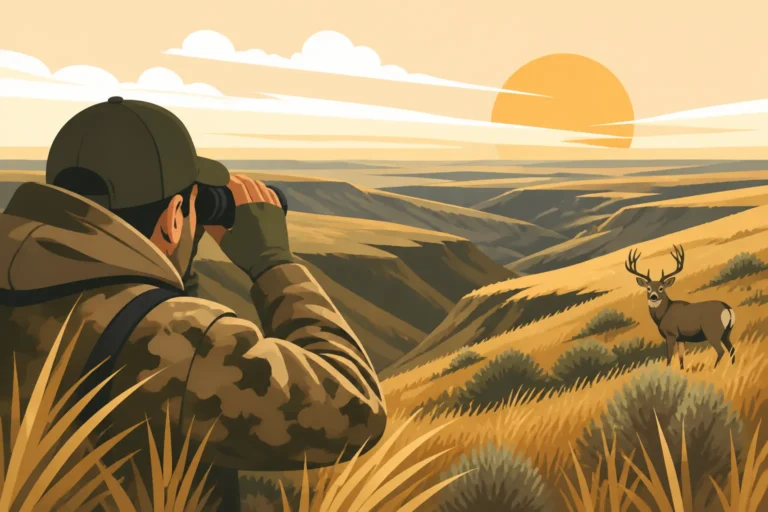
- Slow and Steady: Your pace should be excruciatingly slow. Take one or two steps, then pause for several minutes, scanning every tree, bush, and shadow. Use binoculars constantly to pick apart cover.
- Wind and Sun: Hunt into the wind to keep your scent from deer, and consider hunting with the sun at your back to minimize glare for you and maximize it for the deer.
- Utilize Cover: Use natural cover to break up your silhouette. Move from tree to tree, staying in the shadows.
- Focus on Edges and Transitions: Still hunt along the edges of dense cover, where it transitions to slightly more open woods, or along creek bottoms. These are natural places for deer to browse, travel, or stage before heading to fields.
- Be Patient: This method demands immense patience. You're not trying to cover ground quickly; you're trying to outsmart a whitetail on its home turf. If you spot a deer, freeze. Assess the situation. Can you get closer for a shot, or do you need to wait for it to move? This is where your skills truly shine, especially when you are "Hunting the Forest Fringe for Big Bucks".
Rattling and Calling Tactics for Fringe Whitetails
Rattling and calling can be highly effective during the rut in the forest fringe, bringing curious or territorial bucks right into your lap. However, the dense cover means your sounds won't carry as far as in open country, so timing and location are critical.
- Aggressive Rattling: During the peak of the rut, aggressive rattling sequences can mimic two bucks fighting, often drawing in other bucks eager to join the fray or simply curious about the commotion. Keep your sequences short, sharp, and realistic, followed by periods of complete silence.
- Grinding and Grunts: Mix in some softer antler grinding, snort-wheezes, and grunt calls to sound like a realistic interaction. A deep, drawn-out grunt can often bring in a buck that’s heard the rattling but needs a bit more convincing. Remember, a grunt call late in the rut can be particularly effective.
- Blind Calling vs. Visual: In the dense fringe, most of your calling will be "blind," meaning you won't see the deer approach until it's very close. Choose a setup where you have good shooting lanes in multiple directions, and a solid backdrop to break up your outline.
- Cover and Wind: Always have the wind in your favor. Bucks will often circle downwind to scent-check the source of the sound before committing. Set up where you can see downwind.
- Timing: The best times are typically early morning and late afternoon during the rut, when bucks are most active. However, don't shy away from mid-day calling; a bored or curious buck might still respond. If you are focused on "Hunting Saskatchewan's November Rut", these tactics are essential.
| Hunting Method | Best Conditions | Ideal Placement | Pros | Cons |
|---|---|---|---|---|
| Stand Hunting | Any weather | Field edges, internal funnels, bedding perimeters | High success, less physical exertion, scent control | Limited mobility, weather exposure, specific wind needed |
| Still Hunting | Calm, quiet, light snow | Dense cover, creek bottoms, transition zones | Highly mobile, adaptable, exciting | Physically demanding, requires immense patience and skill |
| Rattling/Calling | Rut (Nov), calm winds | Mid-cover, good shooting lanes, downwind setup | Can draw deer in quickly, exciting encounters | Limited effective range, requires specific conditions, can spook deer |
Gear and Preparation for the Forest Fringe
Hunting the Saskatchewan forest fringe presents unique demands on your gear and preparation. The varied terrain, thick cover, and unpredictable weather mean you need to be smart about what you carry and how you prepare.
Clothing and Layering for Varying Temperatures
Saskatchewan weather can be notoriously fickle, swinging from mild to bone-chilling cold in a matter of hours, especially during the fall. Proper layering is not just a comfort; it's a safety measure.
- Base Layers: Start with moisture-wicking synthetic or merino wool base layers. These pull sweat away from your body, preventing chills when you stop moving.
- Mid-Layers: Add insulating mid-layers like fleece or puffy jackets. These provide warmth without excessive bulk. Multiple thin mid-layers are often better than one thick one, allowing you to adjust precisely to changing temperatures and exertion levels.
- Outer Shell: Your outer layer needs to be quiet, durable, and provide protection from wind, rain, and snow. A good quality waterproof/breathable jacket and pants are crucial. Look for silent fabrics that won't rustle loudly when you move through brush.
- Headwear and Gloves: A warm hat is essential, as you lose a significant amount of heat through your head. Bring multiple pairs of gloves: a thin pair for dexterity and a thick, insulated, waterproof pair for colder conditions or when sitting still.
- Footwear: Insulated, waterproof boots with good ankle support are a must. You'll be walking through mud, snow, and uneven terrain. Ensure they are well broken-in to prevent blisters. Consider bringing chemical hand and foot warmers for late-season hunts or when you're sitting for extended periods, especially if you're "Hunting Whitetails at Thirty Below".
Weapon Choice and Optics for Close Encounters
The dense nature of the forest fringe often dictates closer-range shots, making weapon choice and optics particularly important.
- Rifles: While any legal calibre will work, many hunters prefer a fast-handling rifle in calibres suitable for moderate ranges, such as a .30-06, .308, or even a .270. Accuracy at 100-200 yards is more important than extreme long-range capability. Consider a scope with a lower magnification range (e.g., 2-7x or 3-9x) for quick target acquisition in thick cover.
- Shotguns/Muzzleloaders: In zones where permitted, shotguns with slugs or muzzleloaders can be excellent choices. They are often inherently suited for the shorter ranges common in the fringe. Ensure you practice extensively with your chosen load.
- Archery: Bowhunting in the fringe is a thrilling challenge. A compound bow or crossbow with proper broadheads is effective. Practice shooting at various distances, including close range, and from different angles to prepare for shots through brush. You'll need excellent shot placement due to the shorter windows of opportunity.
- Optics: Binoculars (8x or 10x) are indispensable for picking apart thick cover, identifying deer, and confirming antler size. A rangefinder is also crucial for quickly and accurately gauging distance in varying terrain. For your scope, consider illuminated reticles if you plan to hunt in low light, as those crucial minutes at dawn and dusk are often when big bucks move.
Essential Survival and Navigation Tools
Even though you might be close to farmland, the forest fringe can quickly become disorienting, especially in low light or heavy snow.
- Navigation: A reliable GPS unit or a smartphone with a mapping app (like GoHunt) loaded with offline maps of your hunting area is non-negotiable. Know how to use it! Carry a compass and a physical map as a backup. Mark your truck, stand locations, and any significant landmarks.
- Lighting: A headlamp with fresh batteries (and spares!) is essential for walking in and out in the dark, tracking wounded game, or simply navigating camp.
- First-Aid Kit: A compact, well-stocked first-aid kit for cuts, scrapes, blisters, and more serious injuries is a must. Include pain relievers, allergy medication, and any personal prescriptions.
- Emergency Shelter/Fire Starter: A space blanket, whistle, and fire-starting materials (waterproof matches, lighter, fire starter) could be lifesaving if you get lost or injured and have to spend an unexpected night out.
- Communication: While cell service can be spotty in the fringe, always carry your fully charged phone. For areas with no service, a satellite messenger or two-way radio with hunting partners can provide a critical lifeline. A comprehensive "Winter Truck Kit for a Saskatchewan Hunt" is also highly recommended.
Navigating Unique Challenges of the Forest Fringe
Hunting in Saskatchewan's forest fringe is an adventure, but it comes with its own set of hurdles that can test even the most experienced hunter. Being aware of these challenges and having strategies to overcome them is key to success.
Thick Cover and Limited Visibility
The dense, broken nature of the forest fringe is both its greatest asset for deer and its biggest challenge for hunters. Visibility can be extremely limited, often to just a few dozen yards, making spotting deer difficult and tracking wounded animals a nightmare.
- Slow Down: When still hunting, you simply cannot rush. Move at a snail's pace, pausing frequently to scan. Use your binoculars to pick apart every patch of cover. Deer will often stand motionless, blending perfectly with their surroundings.
- Elevated Positions: If possible, use natural elevations or set up treestands to gain a better vantage point. This allows you to see over some of the immediate brush.
- Focus on Openings: Concentrate your efforts on natural openings, old logging roads, game trails, or pipeline right-of-ways that cut through the thick stuff. These are the most likely places to get a clear shot.
- Pre-Scout Lanes: When setting up a stand, meticulously cut shooting lanes before the season, ensuring you have clear lines of sight to potential deer travel routes without overly disturbing the area.
- Blood Trailing: If you shoot a deer, mark the shot site clearly and assume the worst. Give the animal plenty of time, especially if the hit isn't perfect. Blood trailing in thick cover requires immense patience, good lighting (headlamp!), and often multiple people. If you're "Getting a Deer Out on a Frozen Trail" in thick cover, the difficulty multiplies.
Dealing with Other Hunter Pressure
The accessibility and reputation for big bucks in the forest fringe can attract a significant number of hunters, especially on public lands or easily accessible private land. This pressure dramatically alters deer behavior.
- Hunt Mid-Week/Off-Peak: If your schedule allows, hunt on weekdays when pressure is typically lower.
- Walk Deeper: Most hunters don't venture far from roads or easy trails. Be willing to walk further and penetrate deeper into less accessible areas. Often, the biggest bucks seek refuge in these hard-to-reach pockets. Consider "Hunting a Saskatchewan Quarter Section" that might be overlooked.
- Hunt Smart: Observe where other hunters are parking and walking. Try to find a route that flanks their efforts or intercepts deer they might be pushing.
- Focus on Bedding Areas: When pressured, deer will hold tight to dense bedding cover during the day. This is when still hunting around these areas, or setting up stands on trails leading into or out of them, can be effective.
- Landowner Relations: If hunting private land, building strong relationships with landowners can grant you access to areas with less pressure. Always ask permission to access private land.
Weather Extremes and Winter Conditions
Saskatchewan winters are no joke, and hunting in the forest fringe often means contending with significant cold, wind, and snow.
- Dress Appropriately: As mentioned in the gear section, layering is paramount. Invest in high-quality cold-weather gear, including insulated boots, hand warmers, and a good hat. Being cold makes you miserable and less effective.
- Stay Hydrated and Fed: Even in cold weather, it's easy to become dehydrated. Carry water (or a thermos of hot tea/coffee) and high-energy snacks. Your body burns more calories to stay warm.
- Safety First: Be aware of the signs of frostbite and hypothermia. Know when to call it a day. "Hunting Saskatchewan Winter Weather Safely" isn't just a suggestion, it's a necessity.
- Snow Dynamics: Deep snow can restrict deer movement to packed trails or areas with less snow, effectively funnelling them. However, it also makes walking more challenging for you. Conversely, very light snow can be silent to walk on, aiding still hunting efforts.
- Vehicle Preparedness: Ensure your vehicle is ready for winter conditions – good tires, emergency kit, extra fuel, and recovery gear if heading off major roads. Getting stuck in a remote fringe area in deep cold is a serious situation.
Seasonal Considerations for Forest Fringe Whitetails
The forest fringe offers excellent hunting opportunities throughout Saskatchewan's deer season, but the deer's behavior changes dramatically from the early archery opener to the late-season rifle hunts. Understanding these shifts is crucial for tailoring your strategy.
Early Season Archery Strategies (September – October)
The early archery season presents a unique set of challenges and opportunities in the forest fringe. Deer are often still on predictable patterns, moving between summer feeding areas and bedding cover.
- Food Focus: In September and early October, agricultural fields are the primary draw. Deer will be hitting standing or recently harvested fields of peas, canola, lentils, or early harvested grains. Focus your efforts on the bush edges where deer enter and exit these fields.
- Bedding Routines: Bucks are often still in bachelor groups early on, and their bedding areas might be less dense than they seek out later in the season. Locate these bedding areas by observing deer movement at dawn and dusk.
- Stand Placement: Hang stands primarily on trails leading from bedding to feeding, or on field edges. Scent control is absolutely critical, as deer aren't as rut-crazed and are more attuned to danger. Avoid disturbing bedding areas directly.
- Natural Food Sources: Don't forget natural browse within the bush. Deer might still be hitting saskatoon or chokecherry bushes, or browsing on aspen shoots. Areas with these natural food sources close to thick cover can be productive.
- Trail Cameras: Continue running trail cameras to monitor patterns. Look for consistent movement times and specific entry/exit points from fields. Early season archery can be incredibly rewarding, especially during "Hunting Saskatchewan's September Archery Opener".
Peak Rut Tactics (Late October – Mid-November)
The rut is arguably the most exciting time to hunt whitetails in the forest fringe. Bucks throw caution to the wind, actively seeking does, and their movements become far less predictable but often more visible. This is prime time for big bucks to show themselves.
- Cruising and Searching: Bucks will be actively cruising the edges of the forest fringe, checking scrapes, rubbing trees, and scent-checking for does. Look for heavily used rub lines and scrape lines that parallel the bush edge or cut through internal funnels.
- Rattling and Calling: This is the prime window for aggressive rattling, grunt calls, and snort-wheezes. Set up in areas with good visibility and shooting lanes, and be ready for a buck to come in quickly, often from unexpected directions.
- All-Day Sits: Bucks can be on their feet at any time of day during the rut. If you can, commit to "Sitting All Day in a Saskatchewan Blind" or stand, especially in a promising pinch point or funnel. Mid-day movement can be just as good as dawn or dusk.
- Hot Does: Find the does, and you'll find the bucks. Observe where doe groups are moving and concentrate your efforts there. A doe in estrus can pull a buck out of the thickest cover.
- Timing is Key: The timing of the rut varies slightly year to year and by zone, but generally peaks in early to mid-November. This is when you want to be in the woods. Pay attention to specific dates like "Hunting the Rut in Early to Mid November" for optimal success.
Late Season and Rifle Hunting (Late November – December)
Late season rifle hunting in the forest fringe often means colder temperatures, deeper snow, and deer that are highly pressured and focused on survival.
- Food and Thermal Cover: Deer are now almost exclusively focused on high-energy food sources (often unharvested standing crops like corn or standing peas/lentils if available, or spilled grain) and dense thermal cover (spruce/fir thickets, heavy willow runs).
- Deer Concentration: As conditions worsen, deer will often "yard up" or concentrate in specific areas that offer both food and sanctuary. Find these areas, and you can find a lot of deer. These are the locations you'd find if you were "Where Saskatchewan Whitetails Bed in Snow".
- Tracking in Snow: Fresh snow becomes an invaluable tool for tracking and locating deer, as their movements are often more confined. Be prepared for strenuous tracking efforts if you shoot a deer.
- Drive Hunting (where permitted): In some areas, small, organized drives (with permission and careful planning) can be effective in pushing deer out of heavy cover, but safety must be the absolute priority.
- Still Hunting: The dense cover of the fringe makes it ideal for still hunting. Move slowly through known bedding areas or transition zones, especially after a fresh snowfall.
- Layer Up: Late season means serious cold. Dress in extreme layers, bring extra hand and foot warmers, and be prepared for long sits in frigid conditions. "Hunting the December Late Season Cold" demands respect for the elements.
Disclaimer
Hunting is an inherently risky activity. The information provided in this guide is for informational purposes only and should not be taken as a guarantee of safety or success. Always prioritize safety, respect wildlife and landowners, and adhere strictly to all provincial and federal hunting regulations. Consult the official Saskatchewan hunting guide and relevant authorities for the most current rules and regulations.