Hunting Saskatchewan’s September Archery Opener
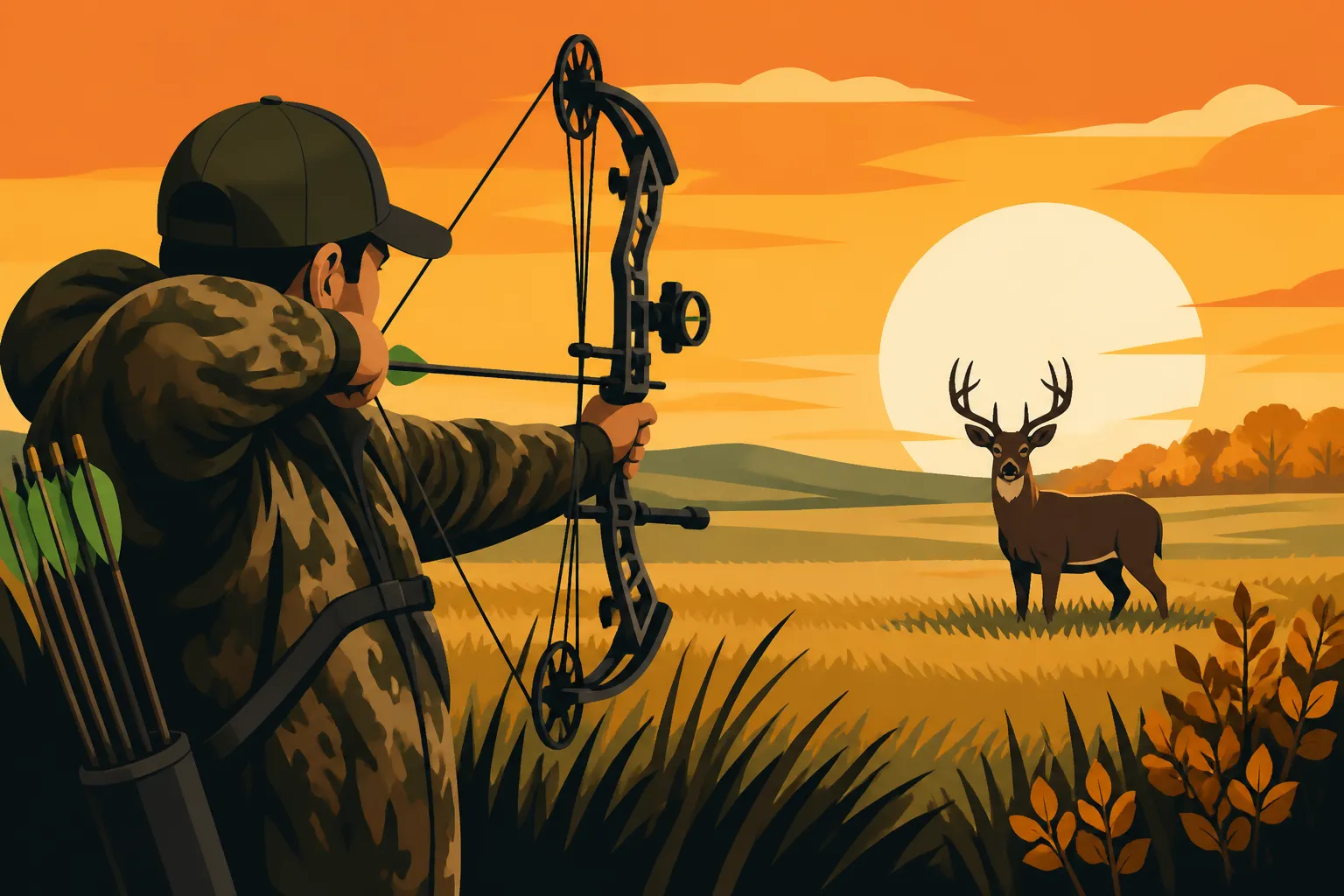
The anticipation leading up to Saskatchewan’s September archery opener is a special kind of excitement, often mixed with a bit of trepidation. Hunters often grapple with erratic weather, dense summer foliage, and deer patterns that are still transitioning from their summer routines, making early season success feel like a puzzle. This guide will walk you through the nuances of hunting whitetail and mule deer during Saskatchewan's September archery season, providing detailed strategies for scouting, setup, and execution to help you punch your tag.
Understanding the September Landscape and Wildlife
When that first whiff of autumn hits the air, hunters across Saskatchewan feel it. But September isn't always the crisp, cool hunting weather we dream of. It's a month of profound change, and understanding these shifts in the environment and how they influence deer behavior is absolutely critical for success with a bow.
The Transition from Summer: What Changes
Early September in Saskatchewan can still feel very much like summer. Days can be warm, even hot, and the landscape is often a lush, green tapestry of standing crops and dense forest undergrowth. This means deer are still largely operating on summer patterns, but with a subtle shift as daylight hours shorten. Food sources are abundant, and deer aren't yet under significant pressure from rifle hunters. The challenge here is less about finding deer, and more about finding huntable deer – those that are moving during daylight hours in areas you can access. As the month progresses, especially towards the latter half, you might start to see the first signs of frost, leading to changes in vegetation and a slight dip in daytime temperatures, pushing deer movements a bit earlier in the evening and later in the morning. This gradual cooling, even if slight, signals to the deer that the rut is on the horizon, prompting them to start increasing their caloric intake in preparation.
Primary Food Sources and Water in Early Fall
During September, Saskatchewan’s deer are absolute gourmands, feasting on a smorgasbord of agricultural crops and natural browse. For whitetails, standing pea fields, lentils, and the edges of early-swathed cereal crops like barley and wheat are magnets. They're also hitting alfalfa fields and clover patches hard, trying to pack on calories. In the forest fringe, natural food sources like saskatoon berries, chokecherries, and various acorns or hazelnuts (depending on the specific tree species present) become incredibly important. Mule deer, especially on the southern prairies, will key into irrigated crops, hay fields, and native browse in coulees and along river breaks. They're not as tied to the big grain fields as whitetails, often preferring the diverse plant life found in their natural prairie habitat. Water sources, even in wet years, are always crucial. Sloughs, dugouts, and reliable creeks become major travel hubs, particularly during warmer spells. A deer needs to eat, drink, and bed, and knowing where these vital resources are concentrated will define your success. Using tools like GoHunt, you can often pinpoint agricultural fields, potential bedding areas, and water sources on satellite imagery, giving you a huge leg up in your pre-season scouting.
Deer Movement Patterns Before the Rut
September deer movement is primarily focused on food, water, and bedding, often with a nocturnal or crepuscular bias. Bucks are still largely in their bachelor groups, or at least tolerant of other bucks, and are not yet exhibiting the territorial aggression that defines the rut. They’re fat, happy, and usually moving under the cover of darkness to and from major food sources. You’ll find them bedding in thick cover during the day, whether that's a dense bush bluff, a deep coulee, a cattail slough, or even a standing field of canola. The real challenge for an archer is catching these animals on their feet during legal shooting light. This usually means targeting their first movement off the bedding area in the evening, or their last movement back to it in the morning. Understanding how deer use Saskatchewan's Aspen Parkland Bluffs or the unique cover of a Hunting a Willow Run for Whitetails can be incredibly insightful. Their patterns can be very consistent for a few days, then shift abruptly if food sources change (e.g., a field is harvested) or if human pressure increases.
Essential Pre-Season Scouting for Archery Success
The September archery opener isn't won on opening day; it's won in the weeks and months leading up to it. Pre-season scouting is the backbone of any successful early season hunt in Saskatchewan, allowing you to establish patterns before the deer even know they’re being watched.
Leveraging Technology for Early Reconnaissance
In today's hunting world, technology is an indispensable tool, especially for long-range planning. Satellite imagery, often available through apps like GoHunt, allows you to "walk" every quarter section of land from your couch. You can identify potential bedding areas, probable travel corridors, pinch points, funnels, and primary food sources without putting boots on the ground and disturbing the area. Look for dense cover adjacent to feeding fields, patterns of tree lines, shelterbelts, and natural draws that connect different habitats. Pay close attention to changes in agriculture – new crops, recently harvested fields, or even areas that show past disturbance. Once you’ve identified promising locations, dropping pins on a digital map will guide your physical scouting efforts, making them much more efficient and less intrusive. Remember to focus not just on where the deer are, but where they are likely to be during legal shooting light.
Identifying Key Bedding and Travel Corridors
After the digital reconnaissance, it's time for quiet, in-person scouting. This is where you confirm what your maps told you and find the subtle clues that only boots on the ground can reveal. Look for well-worn trails, fresh rubs and scrapes (though scrapes might be less common in early September), and most importantly, fresh droppings and tracks. These are your real-time indicators of deer presence and recent activity. For bedding areas, seek out thick, undisturbed cover. This could be a dense stand of young poplars, a willow thicket around a slough, or even a standing crop field that offers concealment and proximity to food. Once you locate bedding areas, try to identify the most likely entry and exit routes. These travel corridors are the highways deer use, and setting up an ambush along one of them, especially one with natural funnels or pinch points, dramatically increases your odds. Remember to scout the perimeters, using binoculars to scan, rather than crashing through the heart of potential bedding sites. For more on reading the landscape, consider exploring resources on Reading Whitetail Sign in Saskatchewan Bluffs.
Scouting for Mule Deer vs. Whitetail Specifics
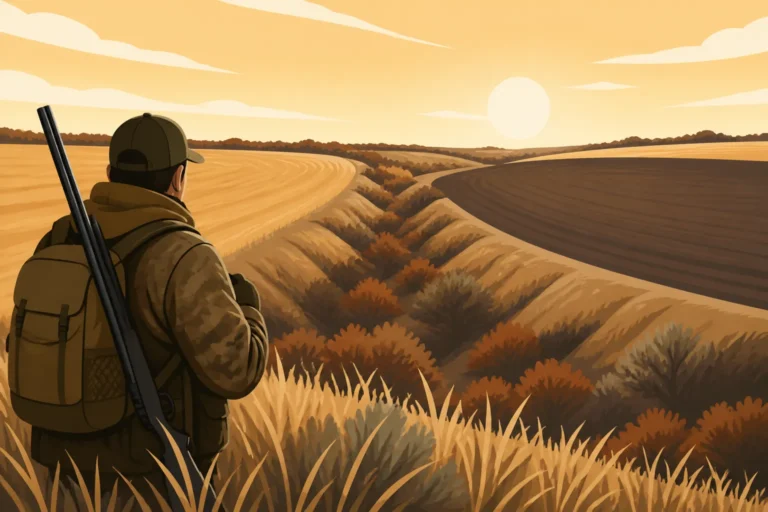
While both species share some common traits, their specific habitat preferences and movement patterns demand different scouting approaches. Whitetails, especially in Saskatchewan's aspen parkland and forest fringe, are generally more cover-oriented. They will stick to bush edges, shelterbelts, and dense bluffs. When scouting for whitetails, focus on transitions: where bush meets field, where heavy cover thins out, or where natural features create a bottleneck. They often follow predictable routes, so finding a well-used trail between a bedding area and a preferred food source is key. Mule deer, on the other hand, are creatures of the open prairie and coulee country. They thrive in rugged, broken terrain, using the contours of the land, sparse clumps of brush, and draws for cover. When scouting for mule deer, your primary tool will be optics. Long hours spent glassing from high vantage points, systematically scanning coulees, hillsides, and the edges of prairie fields, is essential. They are less predictable in their travel routes across open ground but will use defined trails within coulees. A good resource for this is Glassing a Saskatchewan Coulee for Mule Deer. Pay attention to where they water, as these can be consistent hotspots.
Archery Hunting Tactics for Early Season Deer
Once your scouting is done and you have a good handle on where the deer are and what they're doing, it's time to put a plan into action. Early season archery demands patience, stealth, and meticulous attention to detail.
Effective Stand Placement and Ground Blind Strategies
The success of your early season hunt hinges heavily on your stand or blind placement. For whitetails, especially those moving from dense cover to a food source, elevated stands are often the go-to. Position your stand downwind or crosswind of a well-used trail, ideally where the deer have limited visibility of your approach or shooting lane. Look for natural backdrops like thick timber or a dark tree trunk to break up your outline. Remember to account for the sun's position during prime hunting hours. If you're hunting an area with limited tree cover, a ground blind can be incredibly effective. Conceal it well, brushing it in with natural vegetation, and allow plenty of time for deer to get used to its presence before you hunt it. This is especially true if you plan on Hanging a Stand on a Saskatchewan Bush Edge or deploying a blind on a field edge. For mule deer, especially in more open terrain, ground blinds are less common unless they can be completely hidden or built into natural features. The key is to get in and out undetected.
Still-Hunting and Spot-and-Stalk Approaches
While stand hunting is popular for whitetails, early season can also be prime for still-hunting or spot-and-stalk, particularly for mule deer. Still-hunting involves moving slowly and deliberately through cover, pausing frequently to observe and listen. This tactic works best in dense forest fringe areas or river bottoms where you can use the terrain and vegetation to your advantage. Move into the wind, paying close attention to every sound and shadow. For mule deer, spot-and-stalk is almost an art form. It requires exceptional patience and the ability to read the landscape. Find a high vantage point, use powerful optics to locate feeding or bedded deer, and then plan an elaborate stalk that uses every fold in the terrain, every patch of brush, and every wind shift to close the distance undetected. This often means long crawls and meticulous movements, sometimes taking hours to get within bow range. If you're interested in refining your open-country skills, delve into Spot-and-Stalk Mule Deer in Saskatchewan.
Scent Control and Noise Discipline: Your September Edge
September's often warmer temperatures mean scent is a major factor. Deer have an incredible sense of smell, and a single whiff of human odor can send them crashing through the woods. Meticulous scent control is non-negotiable. This means showering with scent-free soap, washing hunting clothes in scent-free detergent, and storing them in airtight bags or containers. Sprays are helpful, but shouldn't be your only line of defense. Pay attention to wind direction constantly – it is your best friend and worst enemy. Noise discipline is equally vital. The woods in September are often crunchy underfoot with dry leaves or brittle grass. Move slowly, deliberately, and avoid breaking twigs. Practice drawing your bow silently and moving in your stand without creating unnecessary noise. Remember, deer are on high alert, even in early season, and any unnatural sight, sound, or smell will blow your hunt.
Gear, Licensing, and Regulations for the Archery Opener
Being prepared isn't just about knowing where the deer are; it's about having the right equipment and understanding the rules. Saskatchewan has specific requirements that all hunters must adhere to.
Bow and Arrow Setup: Tuning for Success
Before you even think about heading afield, your bow setup needs to be absolutely dialed in. This means proper tuning – ensuring your arrow flight is perfect, with no fletching contact or erratic flight. Practice at various distances, from close-range shots to your maximum ethical shooting distance, under field conditions. Broadhead selection is critical for archery hunting. Fixed blade, mechanical, or hybrid broadheads all have their proponents, but what matters most is that they fly true with your bow and are razor-sharp. Ensure your draw weight complies with Saskatchewan's regulations; for big game, the minimum draw weight for a bow is 40 lbs, and for crossbows, it's 150 lbs. You can find more details on this in Bow Draw Weight Rules in Saskatchewan. A properly tuned bow, sharp broadheads, and consistent practice will give you the confidence needed when that moment of truth arrives.
Saskatchewan Archery Licences and Hunter Requirements
To hunt big game in Saskatchewan, including during the September archery opener, you need the appropriate licenses and permits. This typically includes a Wildlife Habitat Certificate and your specific big game tag (e.g., antlered whitetail, antlered mule deer). For residents, these are purchased through your Saskatchewan HAL (Hunter and Angler Licensing) account. Non-residents generally require the services of a licensed outfitter to hunt big game. Ensure your Hunter Education requirements are up to date. It's crucial to check the specific regulations for your Wildlife Management Zone (WMZ) as season dates and available tags can vary. Make sure you understand When Saskatchewan's Archery Season Opens for your particular zone well in advance. Don't leave licensing to the last minute; setting up a Saskatchewan HAL account and navigating the system can take some time, especially for first-timers.
Navigating CWD and Carcass Transport Rules
Chronic Wasting Disease (CWD) is a serious concern in Saskatchewan, and hunters play a critical role in monitoring and managing its spread. Some WMZs have mandatory CWD testing requirements for deer harvested during certain periods. It's imperative that you know if your hunting area falls within one of these zones and understand the procedures for submitting your animal's head for testing. Information on Saskatchewan's CWD Testing Rules is readily available. Furthermore, there are strict rules regarding carcass transport, especially if you plan to move your harvested animal between WMZs or out of the province. Generally, only the deboned meat, skull plate (with antlers attached if applicable), and hide are permitted to cross zone or provincial boundaries from affected areas. Understanding and adhering to these rules is not just about compliance; it's about protecting Saskatchewan’s deer herds for future generations.
Overcoming Early Season Challenges
Hunting in September isn't without its unique set of obstacles. From the weather to crop rotations, adapting to these challenges is part of the archery opener experience.
Dealing with Warm Weather and Insect Pressure
One of the most common complaints about early September hunting is the weather. Warm temperatures can make sitting for long periods uncomfortable, increase scent issues, and make game care after a harvest more challenging. Dress in layers that can be easily shed or added as temperatures fluctuate throughout the day. Lightweight, breathable clothing is a must. If temperatures are consistently warm, prioritize morning hunts as deer are often more active before the heat of the day sets in. Insects, particularly mosquitoes and horseflies, can also be relentless. Invest in good insect repellent or consider permethrin-treated clothing. Bug nets and Thermacell devices can also be lifesavers, especially during dawn and dusk. When it comes to meat care, have a solid plan in place for prompt field dressing and cooling your animal immediately after harvest, as spoilage can happen quickly in warmer conditions.
The Impact of Crop Cycles on Deer Movement
Saskatchewan’s agricultural landscape is constantly changing, and these changes directly impact deer movement. A field that was a deer magnet one week could be completely deserted the next if it's harvested. This necessitates constant monitoring, even during the season. If a key feeding field is cut, deer will quickly shift their attention to the next available food source, whether that’s another standing crop, a newly emerged winter wheat field, or natural browse. This dynamic environment means flexibility and mobility are crucial. Don't be afraid to pull a stand and move to a new location if deer patterns change. Driving around, observing fields, and even talking to local landowners (after getting permission to hunt, of course) can provide invaluable, up-to-the-minute information on crop status. Hunting a Standing Canola Field Edge can be productive one day, and barren the next.
Staying Patient and Adapting to Conditions
Perhaps the greatest challenge in early season archery is patience. Deer might not be moving as frequently or as boldly as they will during the rut. Days can be long and quiet, testing your resolve. It's easy to get discouraged, but remember that big bucks are often still around, just more reclusive. Be prepared to sit for extended periods, especially during prime morning and evening hours. Pay attention to subtle changes in the environment – a slight wind shift, a sudden drop in temperature, or an unexpected rain shower can all influence deer activity. Learn to adapt your tactics. If a stand isn't producing, try still-hunting a river bottom or glassing a distant coulee. Utilize resources like GoHunt to analyze land features and plan alternative strategies on the fly. Don't be afraid to experiment with rattling or grunt calls, though their effectiveness will be limited until later in the season. Success in September often comes to those who are persistent, observant, and willing to change their game plan as conditions dictate.
Here's a quick overview of key considerations for September Archery in Saskatchewan:
| Aspect | Whitetail Deer Considerations | Mule Deer Considerations | General Archery Opener Tips |
|---|---|---|---|
| Habitat Focus | Forest fringe, bush bluffs, shelterbelts, crop edges | Open prairie, coulees, river breaks, irrigated fields | Understand your WMZ's specific habitat. |
| Primary Food | Peas, lentils, alfalfa, standing grains, natural browse | Hay fields, native browse, irrigated crops | Scout actively for current food sources. |
| Movement Patterns | Nocturnal/crepuscular, focused on food/bedding | Often more daylight movement in broken terrain | Target low-light hours (dawn/dusk). |
| Scouting Methods | Trail cameras, perimeter walks, sign reading | Extensive glassing, long-range observation | Use satellite imagery (e.g., GoHunt). |
| Hunting Tactics | Treestands, ground blinds, still-hunting | Spot-and-stalk, strategic ground blinds | Wind is paramount for scent control. |
| Challenges | Warm weather, insects, changing crop cycles | Open country visibility, long stalks | Be patient, adapt, prioritize meat care. |
| Licensing/Regs | Resident or Outfitter-booked | Resident or Outfitter-booked | Check CWD rules, ensure current HAL account. |
Disclaimer
Hunting is an inherently dangerous activity. This guide provides general information and recommendations for hunting in Saskatchewan. All hunters are responsible for understanding and adhering to all current provincial and federal hunting regulations, including licensing requirements, season dates, bag limits, and safety guidelines. Always prioritize safety, respect wildlife, and obtain proper landowner permission before hunting on private land. Regulations can change, so consult the official Saskatchewan Hunters' and Trappers' Guide annually.