Knocking on Doors in Saskatchewan Farm Country
Door knocking in Saskatchewan farm country explains how to approach landowners, request private land access, and build hunting relationships.
Close the distance.
Archery, muzzleloader, and firearm techniques — calling, stand placement, still-hunting, spot-and-stalk, and the weapon rules that change at the state line.
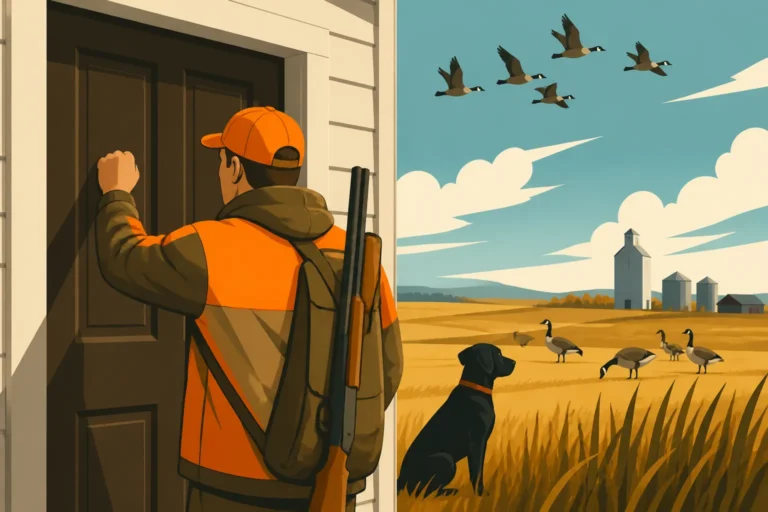
Door knocking in Saskatchewan farm country explains how to approach landowners, request private land access, and build hunting relationships.
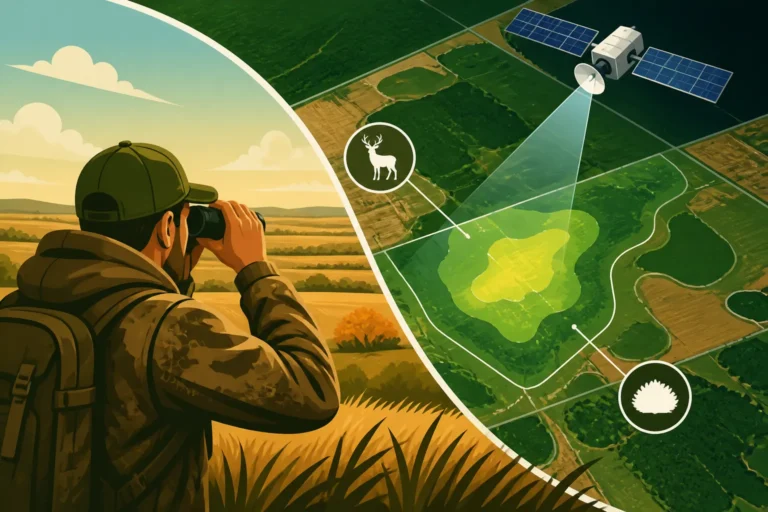
Satellite imagery for Saskatchewan hunting allows hunters to virtually scout terrain, find secluded spots, and plan field approaches efficiently.
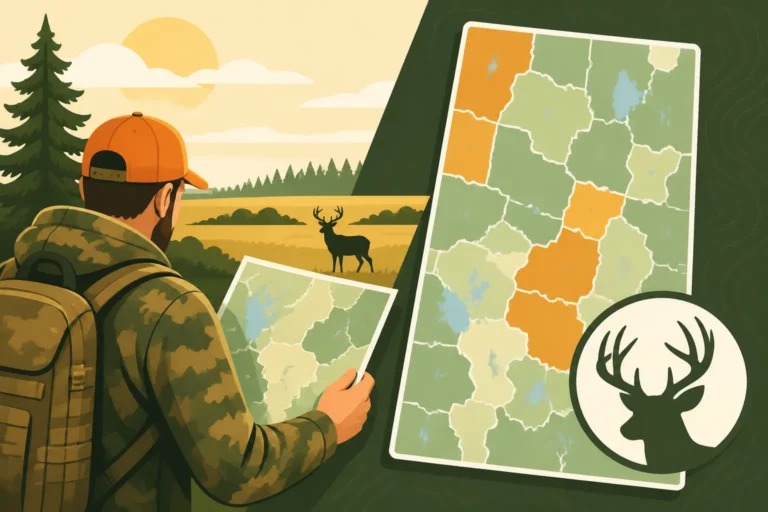
Saskatchewan Wildlife Management Zone maps and digital apps help hunters navigate boundaries, regulations, and bag limits legally.
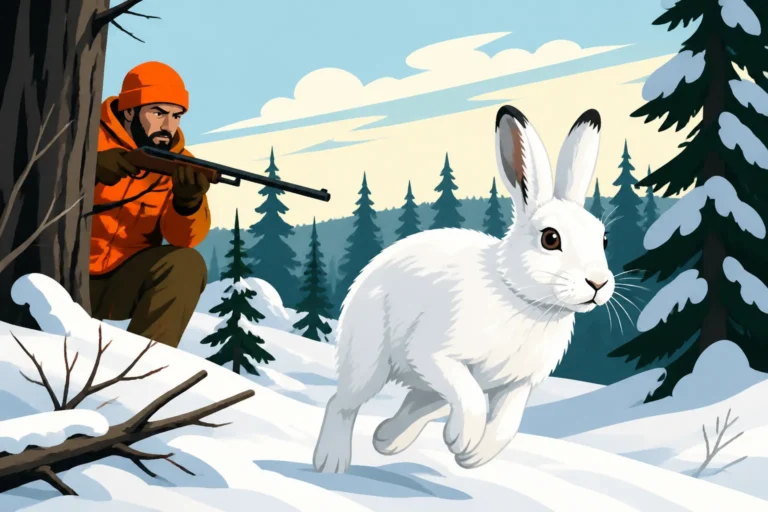
Snowshoe hare hunting in Saskatchewan involves understanding their habitat, population cycles, and behavior in dense bush.
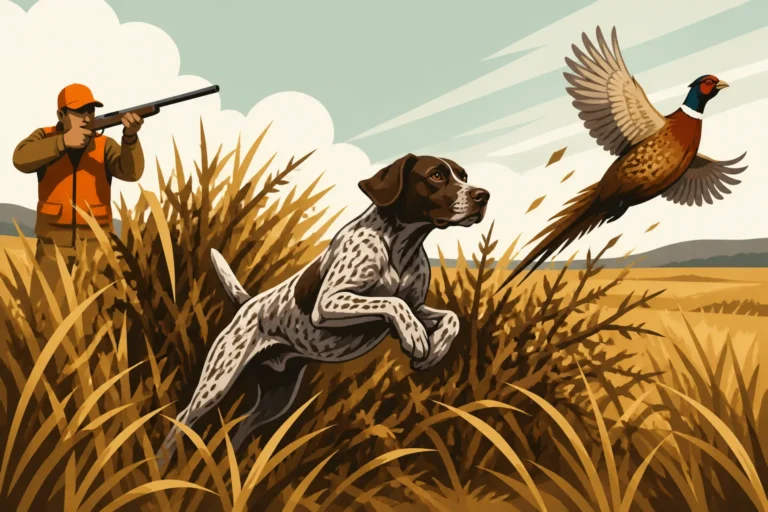
Employing a flushing dog helps hunters find grouse, partridge, and deer hiding within Saskatchewan brush and dense cover.
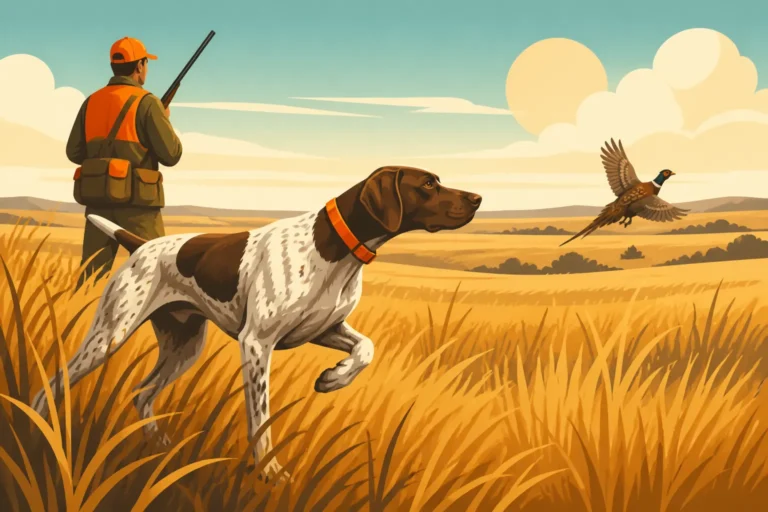
Pointing dogs help upland bird hunters cover vast Saskatchewan prairie terrain, locate camouflaged sharp-tailed grouse, and conserve personal energy.
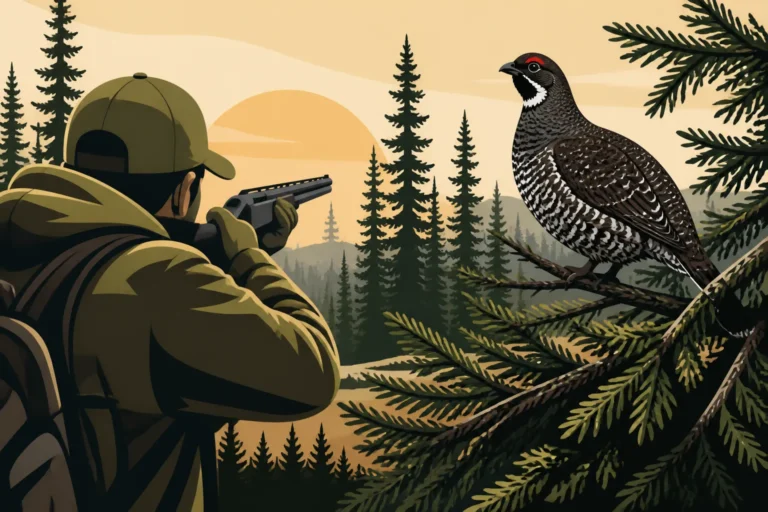
Saskatchewan spruce grouse hunting strategies, habitat details, and black spruce stand identification help upland bird hunters.
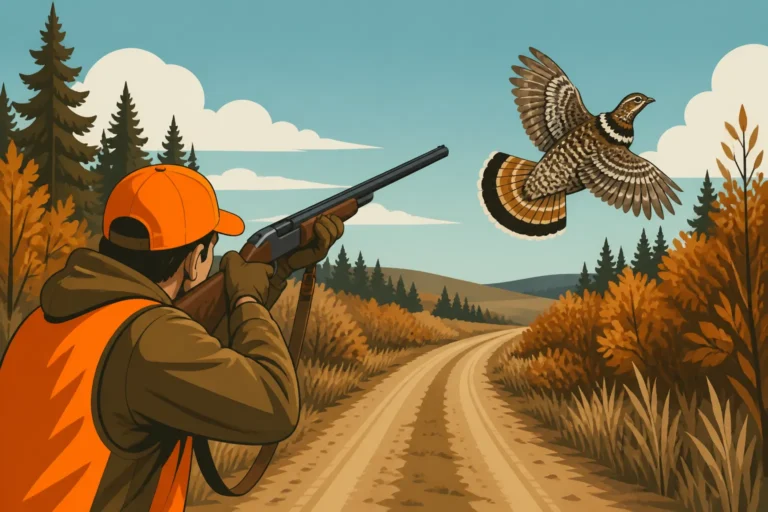
Ruffed grouse behavior and seasonal routines on Saskatchewan bush roads explain how hunters can find and harvest birds successfully.
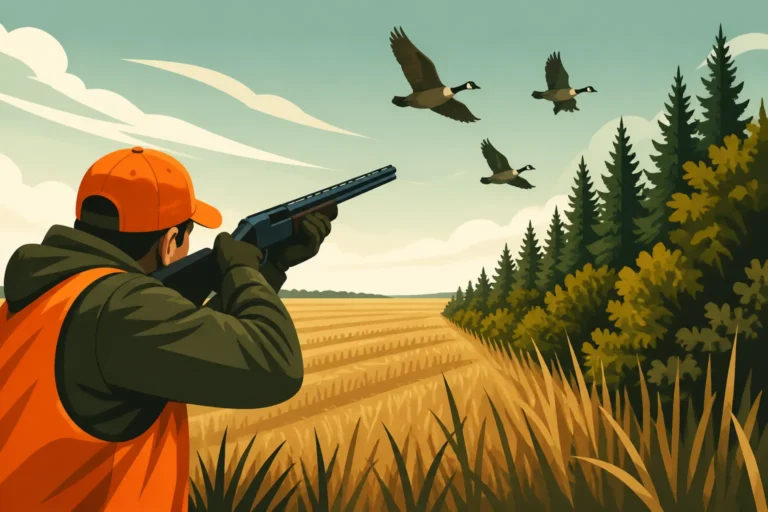
Hungarian partridge hunting strategies in Saskatchewan shelterbelts explain how to find elusive coveys and improve field success.
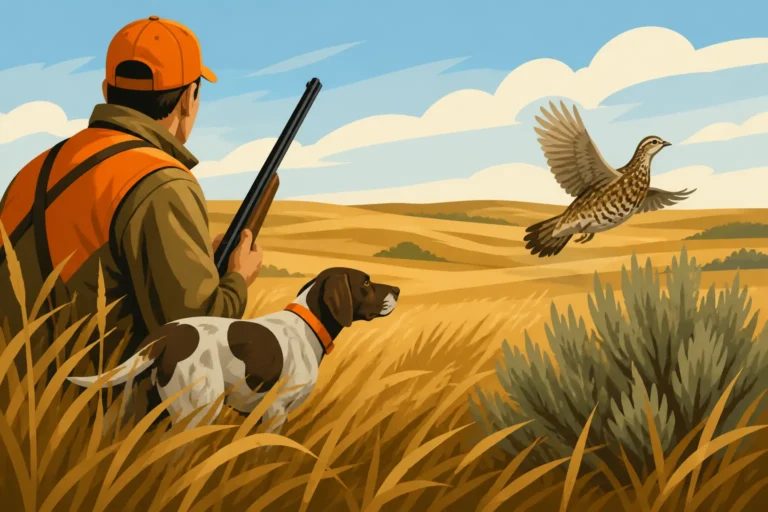
Hunting sharp-tailed grouse on Saskatchewan grasslands requires finding prime cover, utilizing mapping tools, and understanding seasonal weather patterns.