Hunting the Edge of a Peat Bog
Saskatchewan peat bog edges provide productive habitat where whitetail deer, moose, and black bears find food and secure cover.
Close the distance.
Archery, muzzleloader, and firearm techniques — calling, stand placement, still-hunting, spot-and-stalk, and the weapon rules that change at the state line.
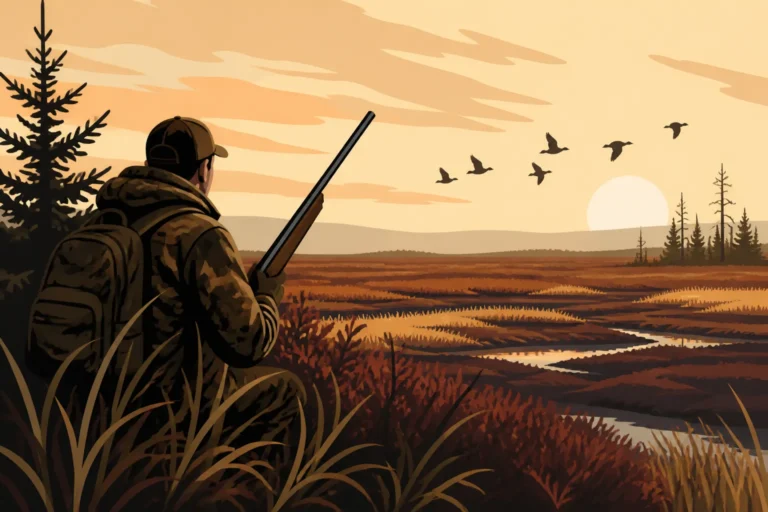
Saskatchewan peat bog edges provide productive habitat where whitetail deer, moose, and black bears find food and secure cover.
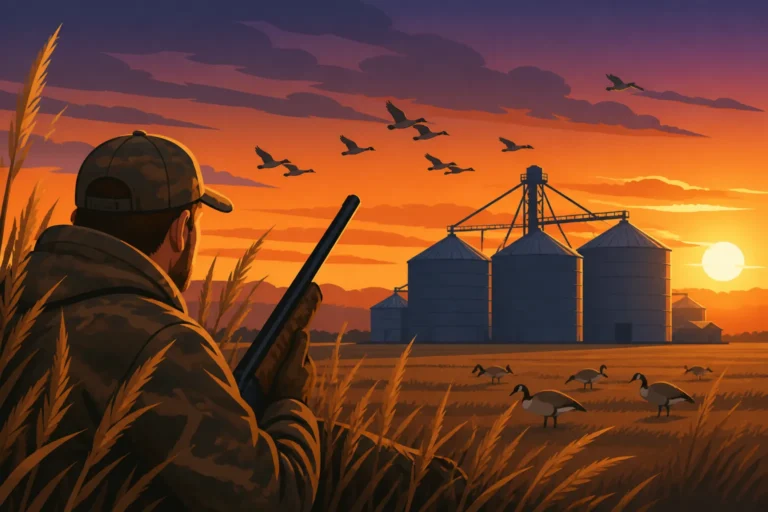
Saskatchewan farm grain bin yards attract nocturnal bucks at dusk because spilled grain provides high energy food near safe cover.
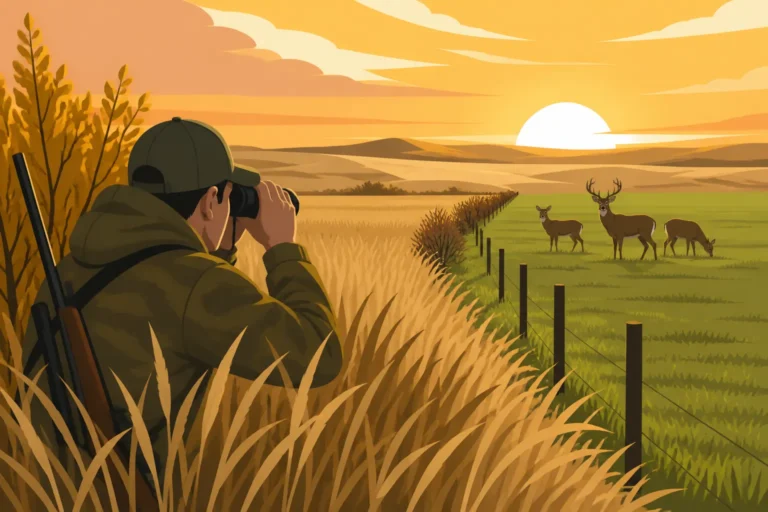
Saskatchewan community pasture edges require specific land access permissions, boundary awareness, and respect for active cattle operations.
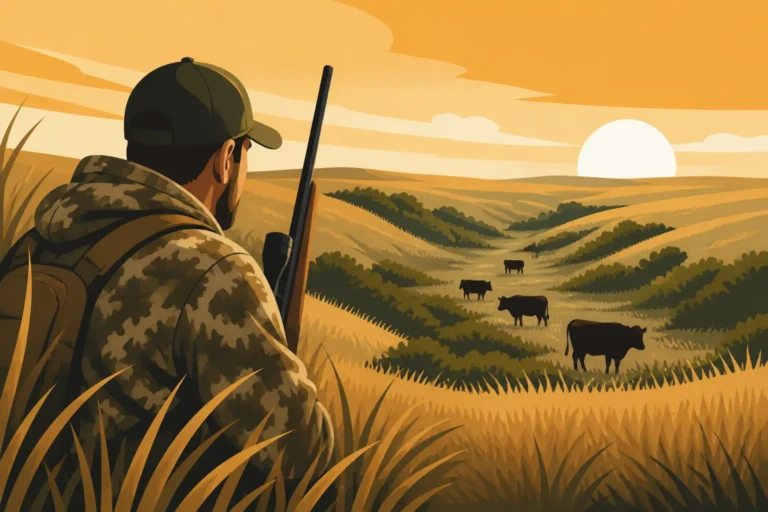
Saskatchewan cattle pasture draws provide whitetails and mule deer with crucial cover, food, and water resources during hunting season.
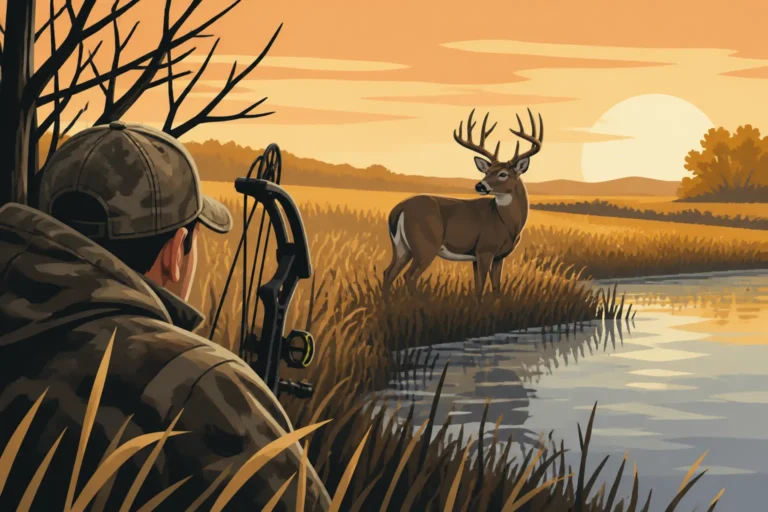
Saskatchewan whitetail hunting strategies explain how to find mature bucks using slough edges for food, water, and security cover.
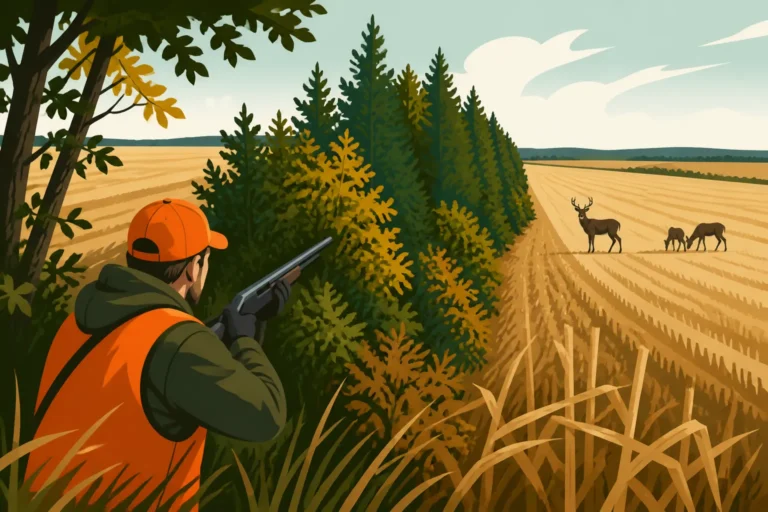
Shelterbelts in Saskatchewan act as deer bedding areas and travel corridors between fields, offering hunters prime whitetail locations.
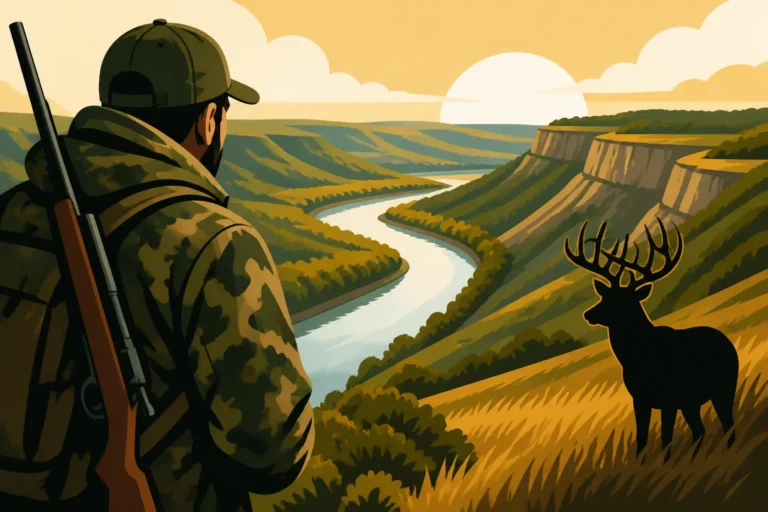
Saskatchewan river valleys provide unique cover, food, and water for big game, offering practical scouting methods for hunters.
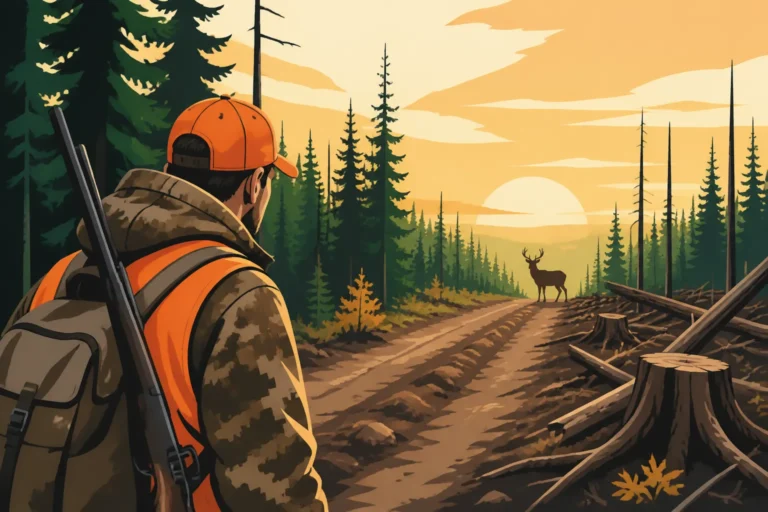
Old logging roads in Saskatchewan forests attract deer, moose, and bears by providing sunlight, food, and easy travel routes.
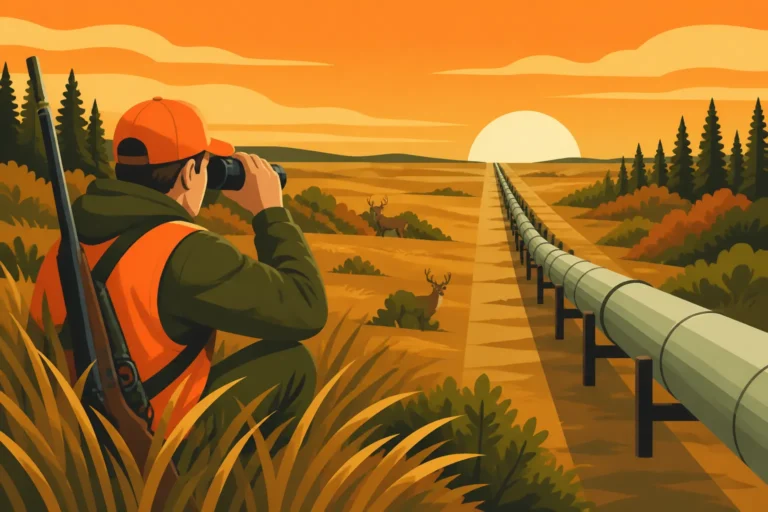
Pipeline rights-of-way act as wildlife travel corridors and edge habitats, offering Saskatchewan hunters high visibility and foraging areas.
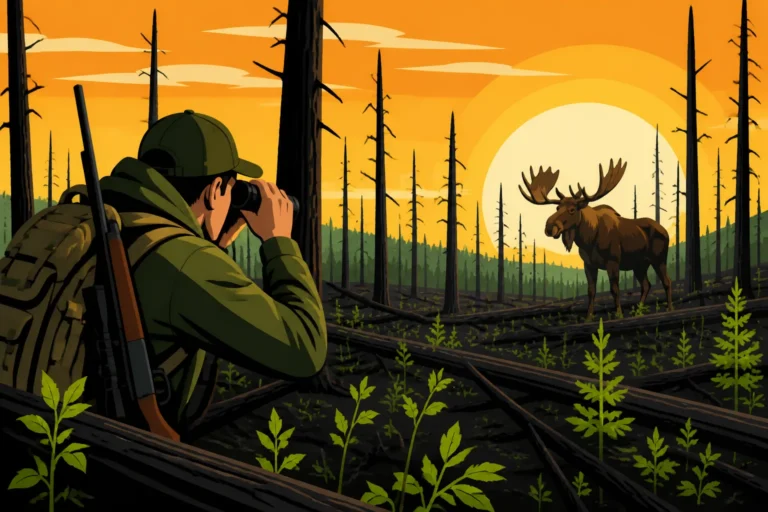
Hunting Saskatchewan burned boreal blocks requires adapting strategies to find moose, elk, and deer across forest recovery stages.