Hunting Saskatchewan’s Sandhill Crane Fields
Sandhill crane hunting in Saskatchewan grain fields requires understanding daily roosting routines, preferred crops, and local weather patterns.
Close the distance.
Archery, muzzleloader, and firearm techniques — calling, stand placement, still-hunting, spot-and-stalk, and the weapon rules that change at the state line.
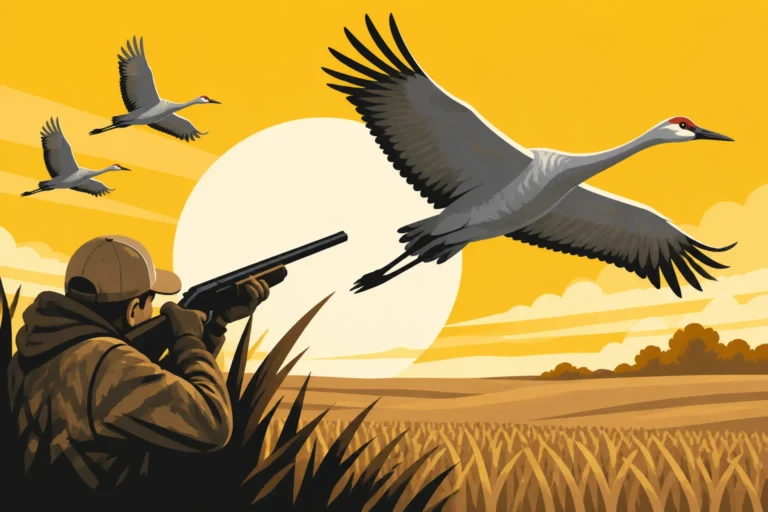
Sandhill crane hunting in Saskatchewan grain fields requires understanding daily roosting routines, preferred crops, and local weather patterns.
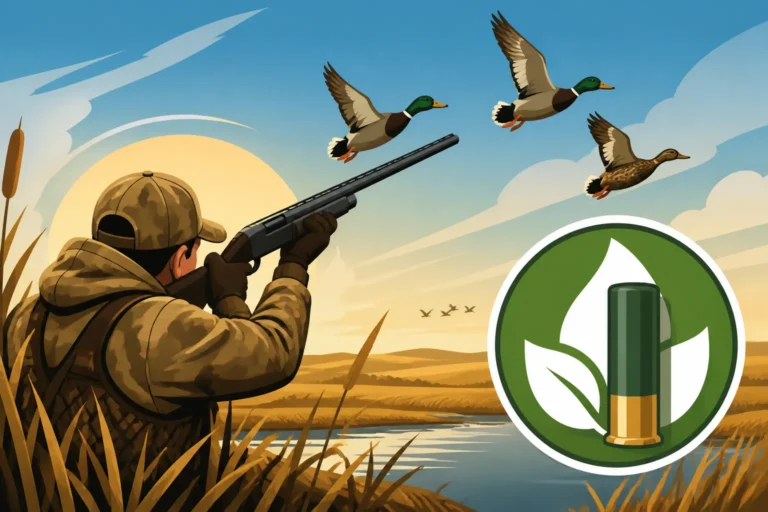
Saskatchewan waterfowl hunting rules requiring non-toxic shot like steel or bismuth to protect migratory birds from lead poisoning.
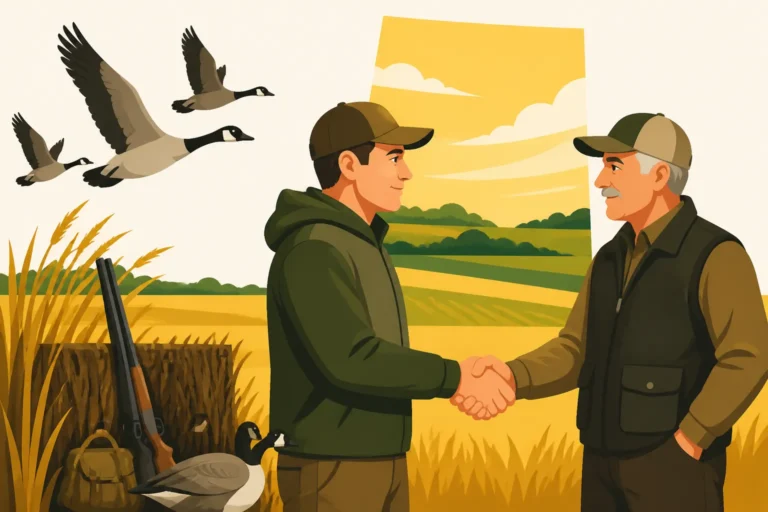
Saskatchewan landowner permission for a goose hunt requires understanding private property rights, liability, and farm operations.
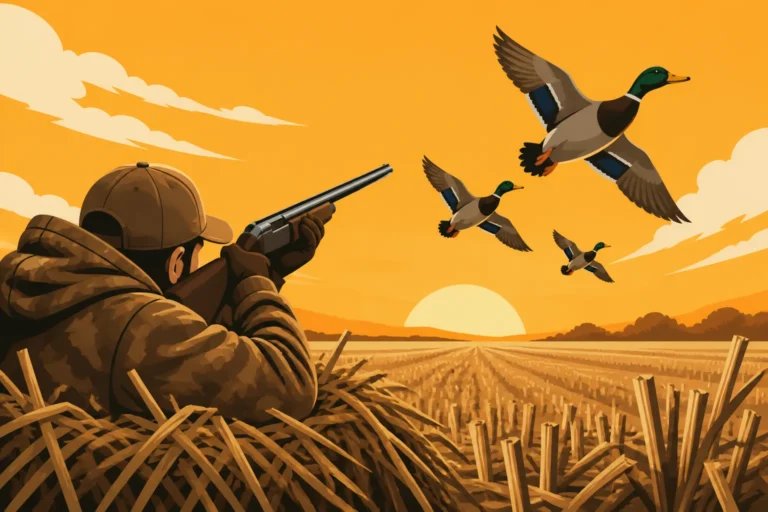
Saskatchewan stubble field duck hunting strategies, decoy spreads, and scouting patterns for mallards in agricultural grain fields.
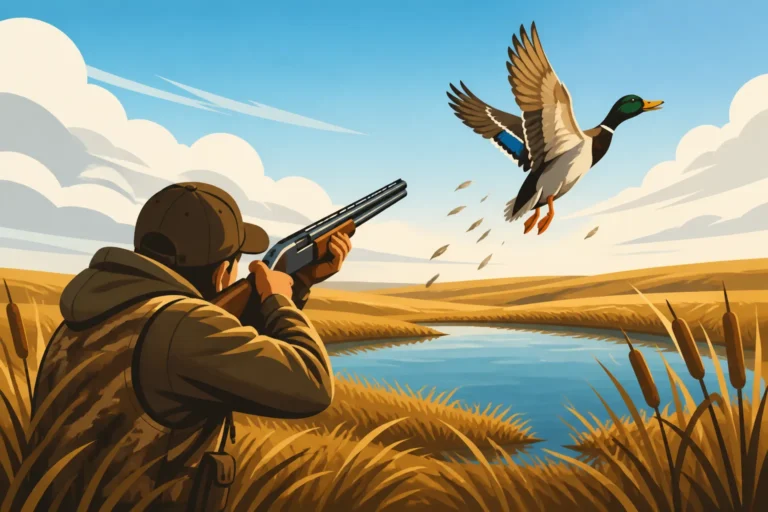
Jump-shooting prairie potholes in Saskatchewan provides waterfowl hunters a dynamic, active method to stealthily flush resting ducks.
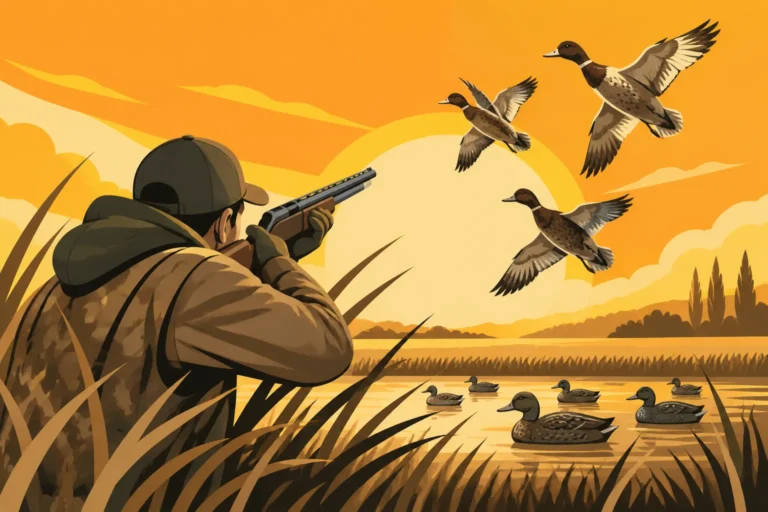
Specklebelly goose hunting in Saskatchewan requires specific decoy strategies, field scouting methods, and calling techniques to attract cautious birds.
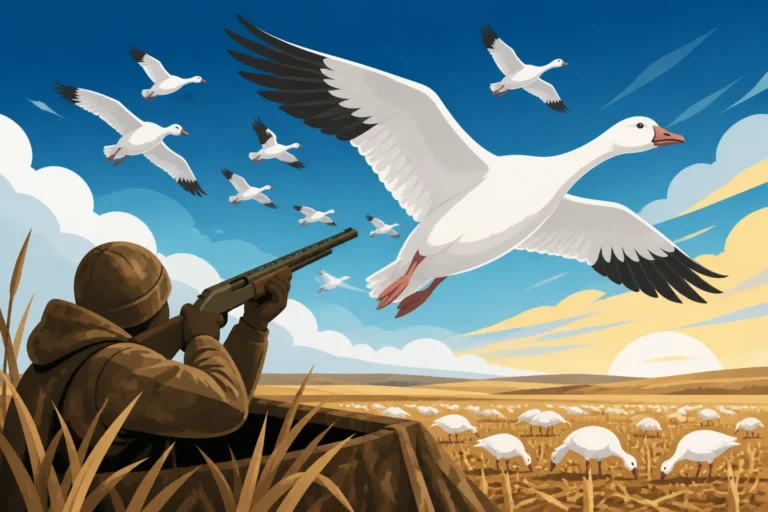
Saskatchewan spring snow goose hunting rules, conservation orders, weather challenges, and equipment strategies explained for waterfowl hunters.
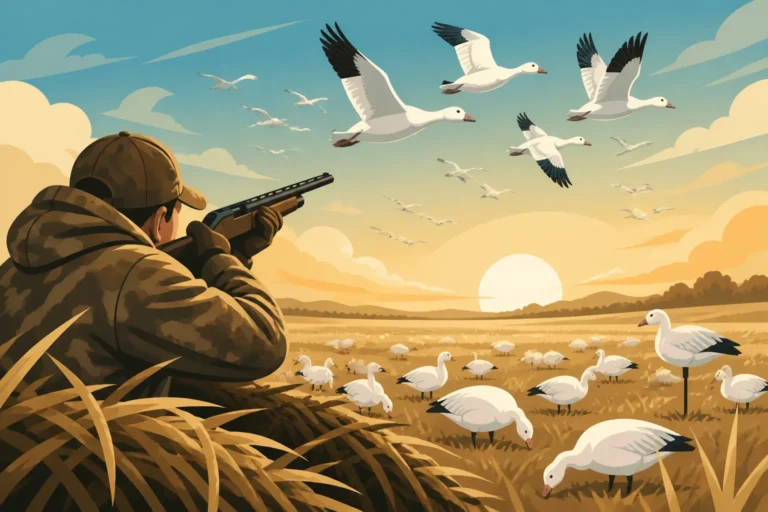
Snow goose hunting strategies for Saskatchewan explain how massive decoy spreads attract wary migrants into agricultural fields.
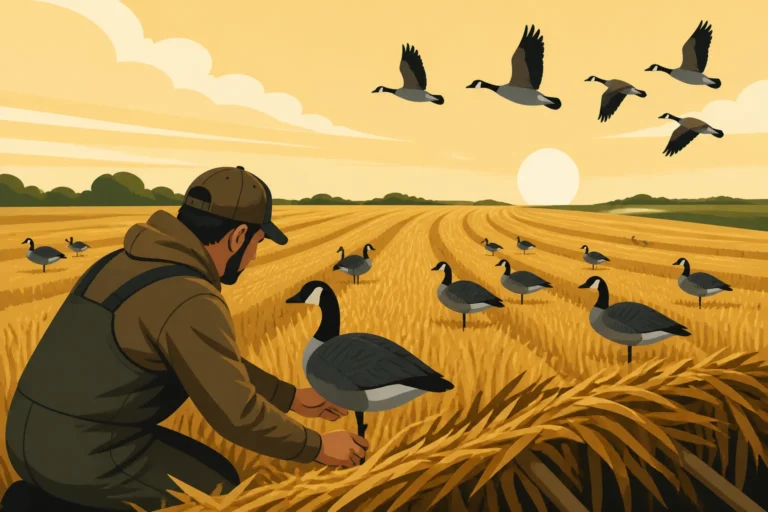
Setting a goose spread in swathed barley fields explains how Canada geese, snow geese, and specklebellies feed twice daily on grain.
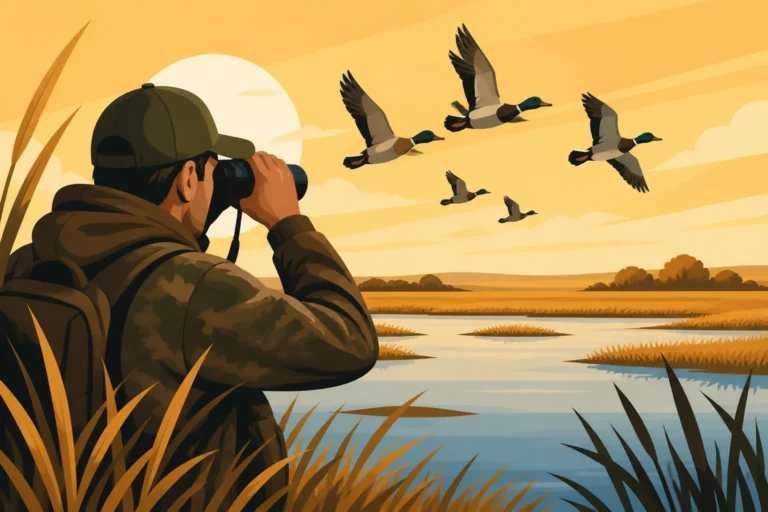
Saskatchewan waterfowl scouting strategies explain daily feeding, resting, and roosting habits plus crop preferences for geese and ducks.