Hunting Snowshoe Hare in Saskatchewan’s Bush
Trying to find hunting opportunities beyond the major big game seasons, or looking for a way to introduce new hunters to the field without the pressure of a trophy animal, can sometimes feel like a real challenge. But fear not, because the dense, often overlooked corners of Saskatchewan's bush hold a fantastic secret: snowshoe hare hunting. This guide will walk you through everything you need to know to successfully pursue these elusive, cycle-driven creatures in their natural habitat.
Understanding Saskatchewan's Snowshoe Hare
Before you even think about loading up your gear, it's crucial to understand the animal you're pursuing. Snowshoe hares, with their incredible camouflage and cyclical populations, are a unique quarry that demands a bit of insight into their world.
The Hare's Habitat and Behaviors
Saskatchewan's snowshoe hares (often just called "rabbits" by locals, though they are technically hares) are creatures of dense cover. You'll find them predominantly in the boreal forest fringe and the true northern boreal forest, preferring areas with thick undergrowth, young successional forests, and willow thickets. These are the places where they feel safe, where they can evade predators, and where their primary food sources—twigs, bark, and buds from various shrubs and young trees—are abundant. Think of those choked-up poplar bluffs, the edges of recent clear-cuts, or even the dense, dark stands of spruce and jack pine. These are not open-field animals; they thrive in a labyrinth of branches and snow.
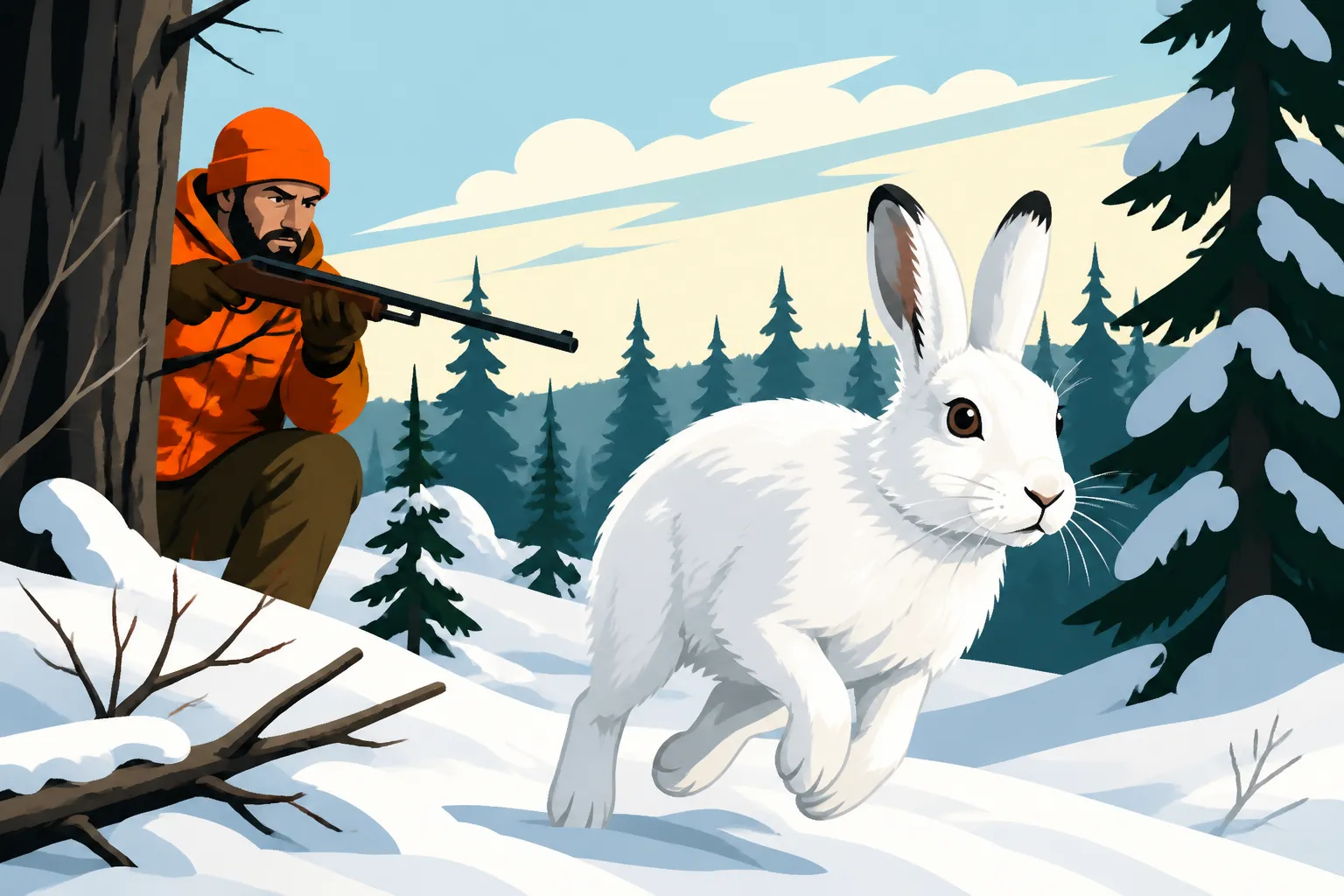
Their behavior is largely nocturnal or crepuscular, meaning they are most active at dawn, dusk, and throughout the night. During the day, they typically hunker down in dense cover, relying on their incredible camouflage to remain hidden. This makes hunting them a slow, deliberate affair. The real magic of the snowshoe hare, of course, is their seasonal coat change. In summer, they're a mottled brown, blending perfectly with the forest floor. Come winter, they transform into pure white, becoming almost invisible against a snowy backdrop. It’s frustratingly effective, and many a hunter has walked right past a perfectly camouflaged hare without ever knowing it was there. They also possess large, powerful hind legs that allow them to make incredible leaps, helping them escape danger at lightning speed.
The Ten-Year Cycle and Population Swings
One of the most fascinating, and sometimes frustrating, aspects of hunting snowshoe hare is their famous population cycle. These animals are known for a dramatic boom-and-bust cycle, typically peaking every seven to ten years. During a population high, hares can seem to be everywhere, flushing from every patch of cover, their tracks crisscrossing the snow. It's a fantastic time for hunting, offering plentiful opportunities and a real sense of abundance.
However, the flip side is the bust. When the cycle dips, hares can become incredibly scarce. Areas that were teeming with rabbits just a couple of years prior can feel almost devoid of life. This drastic fluctuation is largely driven by a complex interplay of predator-prey dynamics (lynx, coyotes, owls all rely heavily on hare populations) and environmental factors. Trying to hunt during a low cycle can be disheartening; you might walk for hours and only see a handful of tracks, let alone an actual hare. It's important to understand where you are in this cycle before you plan your trip. A quick chat with local hunters or even wildlife biologists can give you a good sense of current populations. This cycle is a prime example of the interconnectedness of wildlife, and understanding it can greatly influence your expectations and hunting strategies. For more detailed information on this phenomenon, check out Snowshoe Hare and Its Ten Year Cycle.
Essential Gear for Bush Hare Hunting
Hunting snowshoe hare in Saskatchewan's bush demands specific gear, primarily because you're often navigating dense, sometimes challenging terrain, and dealing with potentially cold or snowy conditions. Having the right tools makes all the difference for comfort and success.
Firearms and Ammunition Choices
When it comes to firearms for snowshoe hare, versatility and maneuverability are key. You'll be making relatively close shots in thick cover, so long-range precision isn't usually the priority. Many hunters opt for a .22 LR rifle. It's quiet, ammunition is inexpensive, and it’s more than sufficient to humanely dispatch a hare. The main drawback is that a clean headshot is often required, which can be tricky when a hare is darting through brush. A .22 Magnum offers a bit more punch and range, which can be useful if you encounter a hare at a slightly greater distance, but it’s still very much a rimfire choice.
For those who prefer a more forgiving spread, a small gauge shotgun like a 20 gauge or even a .410 is an excellent choice. Shotguns allow for quicker, more decisive shots on fast-moving targets in heavy cover. You'll typically use birdshot, something like #6 or #7.5 shot, which provides enough pellets to ensure a clean kill without over-damaging the meat. The downside is that shotguns can be louder, and heavier, but the confidence of a wider pattern often outweighs these considerations. Ultimately, the best choice depends on your personal preference and what you're most comfortable handling in dense bush. Always prioritize safety, especially with close-range shots in thick cover where visibility can be limited.
Clothing and Footwear for Saskatchewan Bush
Saskatchewan weather can be notoriously fickle, especially in the bush, so layering is paramount. Your clothing needs to offer protection from the elements, allow for movement, and manage moisture effectively. Start with a good base layer that wicks sweat away from your body; synthetic materials or merino wool are excellent for this. On top of that, build with insulating layers – fleece or down work well – that you can add or remove as your activity level and the temperature change. Finally, an outer shell that is both waterproof and windproof is essential. Even if it's not actively raining or snowing, pushing through wet brush or sitting in a blind can quickly lead to dampness and chill.
Durability is another key factor. You’ll be pushing through thorns, crawling over fallen timber, and rubbing against abrasive branches. Investing in brush pants or bibs made from rugged materials like heavy canvas or reinforced nylon can save you a lot of discomfort and extend the life of your gear. Footwear is arguably the most critical component. Insulated, waterproof boots with good ankle support are non-negotiable. You'll be walking through snow, over uneven terrain, and potentially through slush or shallow water. Cold, wet feet will quickly ruin a hunt, and the uneven ground of the bush can easily lead to a twisted ankle if your footwear isn’t up to the task. Don’t forget a warm, waterproof hat and gloves that allow for finger dexterity to handle your firearm safely. There’s nothing quite like the misery of being soaked and shivering, so invest in quality gear to avoid that common frustration. Consider checking out Hunting Saskatchewan Winter Weather Safely for more tips on staying warm.
Navigation and Essential Bush Kit
Venturing into Saskatchewan's dense bush, even for what seems like a short walk, demands proper navigation tools. It's incredibly easy to become disoriented when you're constantly weaving through thick trees and over varied terrain, with no clear landmarks in sight. A reliable GPS unit or a smartphone with a robust hunting app like GoHunt is invaluable. These tools can show you your location on a detailed map, track your route, and help you navigate back to your vehicle or camp. Don't solely rely on electronic devices, though; batteries die, and signals can drop. Always carry a physical compass and a topographic map of the area as a backup. Knowing how to use them is just as important as having them.
Beyond navigation, a basic survival kit is a must. Even on a short day hunt, unexpected delays or injuries can occur. This kit should include a fire starter (waterproof matches, lighter, ferro rod), a small first-aid kit for cuts and scrapes, a whistle to signal for help, and a headlamp or flashlight, even if you plan to be back before dark. A knife, some cordage, and a small snack can also be lifesavers. For carrying your harvested hares, a comfortable game vest or a small backpack with a game compartment is ideal, keeping your hands free and your quarry secure and relatively clean. Given the potential for getting turned around, it's also a good idea to let someone know your general hunting area and expected return time. If things go sideways, knowing What to Do If You Get Stuck in the Bush could literally save your life.
Strategies for Finding and Hunting Snowshoe Hare
Hunting snowshoe hare is often more about patience, observation, and understanding their preferred hideouts than it is about covering vast amounts of ground quickly. It's a game of hide-and-seek where the hare is a master of camouflage.
Scouting and Identifying Prime Hare Cover
Successful hare hunting begins long before you step into the bush with your firearm. It starts with effective scouting, either virtually or on the ground. When looking for prime hare cover, you're searching for density. Think about the thickest parts of the forest: young stands of spruce and jack pine, often on the edges of older growth, areas of new regeneration after a fire or logging operation, and particularly willow and alder thickets along creek bottoms or slough edges. Hares love these areas because the dense cover protects them from aerial predators like owls and ground predators like coyotes.
Using satellite imagery tools, such as those found on GoHunt, can be incredibly helpful for identifying these thick, brushy areas from home. Look for the darkest green patches, indicating dense tree cover, or areas that show signs of recent disturbance like logging cuts, which often lead to new, thick growth. Once you're on the ground, look for tell-tale signs. In snow, tracks are the most obvious indicator: distinct, large prints with the hind feet often landing in front of the front feet. Look for small, pellet-like droppings, especially under dense cover. Also, keep an eye out for clipped twigs and branches, often at a height accessible to a hare, indicating feeding activity. Fresh signs in a dense area are a strong indication you're in the right spot. For more insights on this, refer to Reading Sign After Fresh Saskatchewan Snow.
Still-Hunting and Stalking in the Bush
Still-hunting is perhaps the most common and effective method for pursuing snowshoe hare without dogs. This involves moving incredibly slowly, stopping frequently, and using your eyes more than your feet. The key is to break down the dense cover into small sections and meticulously scan each one. Don't just look for an entire rabbit; look for parts of a rabbit. An ear twitch, a dark eye against white fur, the outline of a body among the branches. Remember, their camouflage is exceptional, so they often disappear against the background, even when you know they are there.
Focus your attention on the edges of thickets, around fallen logs, and at the base of dense clumps of trees where they might be bedded down. Take a few steps, then pause for several minutes, allowing your eyes to adjust and to spot any movement you might have caused. Hares will often freeze when they sense danger, hoping you'll pass them by. It's during these pauses that you often pick them out. When you spot one, try to move into a position for a clean, ethical shot. Be prepared for a quick shot if it bolts. This method requires a lot of patience, but it's incredibly rewarding when you finally spot that perfectly camouflaged hare. It’s a bit like Hunting a Poplar Bluff at First Light, where you rely heavily on keen observation and slow movement.
Hunting with Dogs
For many, the ultimate snowshoe hare hunting experience involves a good rabbit dog. Breeds like beagles, bassets, and other hounds are purpose-bred for this task, with an incredible sense of smell and the drive to follow a track. When hunting with dogs, the strategy shifts from stealthy stalking to letting your canine companions do the heavy lifting of flushing out the game. The dogs will pick up the scent of a hare, bay loudly as they follow the track, and eventually push the hare out of its cover.
Hunters then position themselves strategically along known hare travel routes or in open areas where the hare is likely to cross. The sound of the dogs on the trail is exhilarating and helps you anticipate where the hare might emerge. It's crucial to equip your dogs with a bell or a GPS collar (especially in dense bush where you might not see them for long stretches) so you can keep track of their location and hear their progress. Safety is paramount when hunting with dogs, both for the animals and for yourself. Ensure your dogs are well-trained, stay within a reasonable range, and are protected from the cold and rough terrain. Hunting with dogs is a highly social and exciting way to pursue hares, turning a solitary endeavor into a lively group experience. If you’re considering this, reading up on Using a Flushing Dog in Thick Cover can be very beneficial.
Field Care and Culinary Enjoyment
The hunt isn't truly over until your game is properly cared for and, eventually, enjoyed at the dinner table. Snowshoe hares offer lean, delicious meat that is often underrated.
Field Dressing and Transporting Hare
Once you've harvested a snowshoe hare, quick and clean field dressing is essential to preserve the meat quality. Unlike larger game, hares are relatively easy to process in the field. The simplest method is to hang the hare by its head or hind legs, then make a cut around the hind legs and pull the skin off almost like peeling a banana. It often comes off in one piece, exposing the carcass. Remove the entrails as soon as possible, ensuring you don't puncture the gut. This helps cool the meat down quickly, especially if the weather is mild. You can use snow to help clean out the cavity if available.
Transporting your hare effectively ensures it arrives home in prime condition. A well-ventilated game bag is ideal, protecting the meat from dirt, insects (if applicable), and further damage, while allowing it to cool. Avoid piling hares in a warm trunk or plastic bag, as this can lead to spoilage. In Saskatchewan's colder months, the natural temperatures often work in your favour for chilling game, but it’s still wise to ensure good airflow. Always remember that proper care in the field directly translates to better tasting meat on your plate. For more comprehensive advice on maintaining game quality in the colder temperatures, check out Meat Care in Saskatchewan's Cold Snaps.
Preparing and Cooking Snowshoe Hare
Snowshoe hare meat is lean, mild, and incredibly versatile in the kitchen. It has a delicate flavour that many compare to chicken, but with a richer, slightly wilder taste. Because it's so lean, it can dry out quickly if not cooked carefully. Slow-cooking methods are often excellent, such as stewing, braising, or using it in a chili. These methods help to break down any tougher tissues and infuse moisture. Hare stew, made with root vegetables and hearty broth, is a classic and comforting dish, perfect after a cold day in the bush.
For a quicker preparation, you can cut the hare into pieces and pan-fry or roast it. To prevent dryness, consider marinating the meat beforehand, wrapping it in bacon or prosciutto, or barding it with fat. Hare meat also grinds well and can be used in sausages, patties, or even as a base for pâté. Don't be afraid to experiment with different seasonings and cooking styles. The satisfaction of taking an animal from the wild and preparing it for your family and friends is a profound experience, and snowshoe hare, with its accessible size and delicious meat, is a wonderful way to enjoy the fruits of your hunting efforts.
| Firearm Type | Caliber/Gauge | Pros | Cons | Ideal Scenario |
|---|---|---|---|---|
| Rifle | .22 LR | Quiet, inexpensive ammo, light, good for headshots | Requires precise aiming, can be slow for moving targets | Still-hunting, calm conditions, patient shots |
| Rifle | .22 Magnum | More power/range than .22 LR, light | Louder, more expensive ammo, can still be slow for moving targets | Still-hunting, slightly longer shots, more margin for error |
| Shotgun | 20 Gauge | Good pattern for moving targets, versatile for other small game | Louder, heavier, more meat damage if not careful with shot size | Dog hunting, fast-flushing hares, dense cover |
| Shotgun | .410 Gauge | Very light, minimal recoil, excellent in dense cover | Limited range, smaller pattern requires closer shots | Youth hunters, extremely dense cover, close-range flushes |
Disclaimer
Hunting carries inherent risks and responsibilities. Always consult the most current Saskatchewan hunting regulations and local bylaws before embarking on any hunting trip. Ensure you have the proper licenses, understand bag limits, and adhere to all safety protocols, including wearing appropriate blaze orange and confirming your target and what lies beyond it. This guide is for informational purposes only and does not substitute for official regulatory information or professional instruction.