Colour Phases in Northern Black Bears
Many hunters across Saskatchewan, particularly in our vast northern forests, have been surprised to encounter black bears that aren't, well, black at all. From cinnamon to blonde to chocolate, these diverse colorations can sometimes throw you off, making it tough to judge an animal or even question if it's truly a black bear. This guide will delve deep into the fascinating world of color phases in Saskatchewan's northern black bears, helping you understand their origins, how they impact your hunting experience, and what to expect when you're out in the bush.
Understanding Black Bear Color Phases
When you hear "black bear," your mind naturally conjures an image of a sleek, jet-black animal. And for good reason – the vast majority of Ursus americanus worldwide do indeed boast a dark coat. However, to the surprise of many first-time hunters and even seasoned veterans new to certain regions, black bears are far from exclusively black. In fact, they exhibit one of the widest ranges of color variations among all North American bear species, a phenomenon known as "color phases." This genetic diversity is particularly pronounced in Saskatchewan's northern reaches, making for some truly unique encounters in the bush.
More Than Just Black
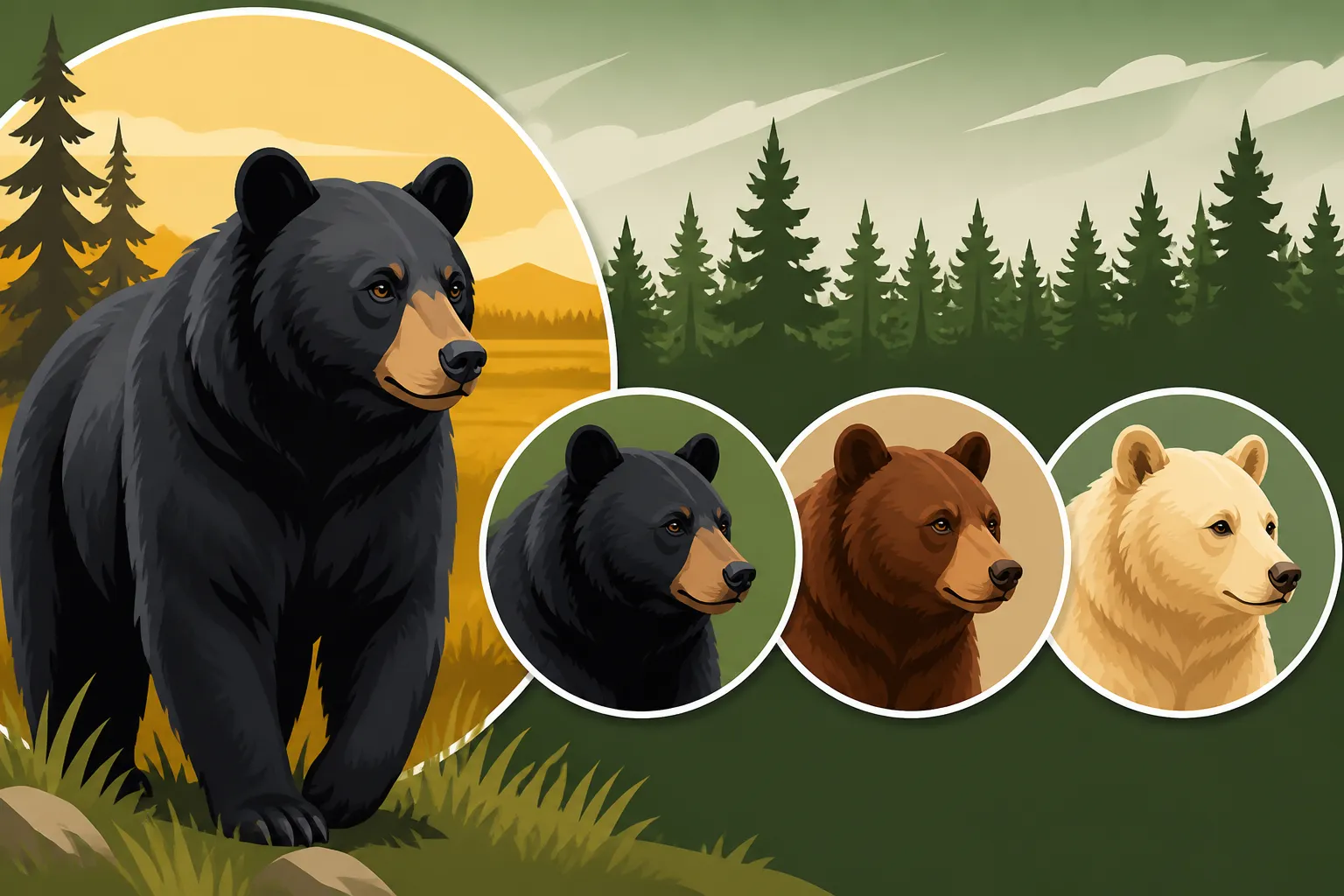
The term "black bear" is a species classification, not a strict descriptor of its fur color. It's a common misconception that if a bear isn't black, it must be a grizzly or some other species. This simply isn't true. Black bears can, and frequently do, come in various shades of brown, cinnamon, blonde, and even grey or blue-black. This genetic quirk means that a single sow can give birth to a litter of cubs with wildly different fur colors – imagine one jet black, another cinnamon, and a third chocolate brown, all from the same mother! This visual diversity is one of the many reasons why Black Bears in Saskatchewan's Boreal Forest are such a fascinating species to observe and hunt.
This wide spectrum of colors can certainly be startling, especially if you're accustomed to hunting in areas where black is the dominant or only color phase present. You might find yourself doing a double-take, wondering if what you're seeing through your binoculars is actually a black bear. The key to accurate identification lies not in fur color, but in physical characteristics. Look for the absence of a prominent shoulder hump (a hallmark of grizzlies), a relatively straight facial profile, and longer, pointed ears. These morphological traits are far more reliable indicators of a black bear than the shade of its coat, which can vary wildly due to genetics and even light conditions.
It’s completely natural to feel a moment of confusion when a light-colored bear steps out of the shadows. Many hunters share this initial surprise. This guide aims to prepare you for these possibilities, demystifying the various color phases so you can approach your hunt with confidence and a deeper understanding of the incredible wildlife Saskatchewan offers. Knowing that a bear can be blonde or cinnamon while still being a black bear helps immensely in the field, allowing you to focus on other crucial aspects of your hunt, like judging its size and health, rather than being distracted by an unexpected color.
A Spectrum of Shades
The range of colors found in Saskatchewan's northern black bears is quite remarkable. While jet black is still the most prevalent, you can encounter bears sporting a full spectrum of browns, from a deep, rich chocolate that almost looks black in low light, to vibrant reddish-cinnamon, and even lighter shades of tan and blonde. These variations are not anomalies but rather established genetic expressions within the population, particularly common in the western and northern parts of North America, including much of Saskatchewan. The specific hue can also be influenced by factors like age, diet, and even the time of year, with some bears having a shinier coat in spring and a denser, duller one in the fall.
It's also worth noting how environmental conditions can play tricks on your eyes when assessing a bear's color. A bear that appears to be a dark chocolate or even black when seen under a heavy canopy of spruce trees in the dense Boreal Forest might reveal itself to be a lighter brown or even cinnamon when it steps out into an open cutline or a sun-dappled berry patch. The quality of light, whether it’s the golden hour of dawn or dusk, or the harsh glare of midday, can dramatically alter how you perceive a bear's true fur color. This variability adds another layer of challenge and excitement to bear hunting, as you're never quite sure what unique specimen might present itself.
These non-black color phases are far from rare, especially as you venture deeper into the northern reaches of Saskatchewan. While black bears are abundant across the province, the percentage of individuals exhibiting lighter fur can be significant in certain regions. This means that while you'll certainly still see plenty of black bears, encountering a cinnamon or chocolate bear is a very real possibility, and for many, it becomes a sought-after experience. This high prevalence is part of Why Saskatchewan Grows Big Colour Phase Bears, often attracting hunters keen to add a unique hide to their trophy room.
The Palette of Saskatchewan's Northern Bears
Saskatchewan's northern forests are truly a kaleidoscope when it comes to black bear colors. While the classic ebony coat is common, the genetic makeup of these populations frequently expresses itself in stunning variations of brown and blonde. This makes every bear sighting a unique experience and often adds an extra layer of excitement for hunters specifically seeking out a color phase bear. Understanding these common variations helps in identifying and appreciating the diversity found in our province's wilderness.
Common Color Variations
One of the most frequently encountered non-black phases is the cinnamon bear. These bears boast a beautiful reddish-brown fur, reminiscent of the spice from which they get their name. In certain lighting, or when their fur is particularly thick and healthy, this color can be vibrant and striking. For an inexperienced eye, a cinnamon bear might even be mistaken for a smaller grizzly due to its lighter color, which is why it's crucial to always rely on anatomical features like shoulder profile and ear shape for definitive identification. Many hunters specifically target cinnamon bears for their unique and appealing hide, making them a prized animal in many northern hunting camps.
Next on the spectrum is the chocolate or dark brown bear. This phase offers a rich, deep brown that is often only distinguishable from black under good light conditions, such as direct sunlight. In the low light of dawn or dusk, or within the deep shadows of the forest, a chocolate bear can easily appear black, only revealing its true, lustrous brown hue when it moves into an open area. These bears are often described as having a particularly handsome and dense coat, making them another favorite among hunters looking for something a bit different than the typical black bear. They represent a significant portion of the non-black population in many areas.
Finally, while less common than cinnamon or chocolate, you can also encounter light brown or blonde bears in Saskatchewan. These bears range from a sandy, yellowish-brown to a truly golden blonde. Often, these lighter bears will still have darker legs, paws, or a darker muzzle, creating a striking contrast. Their rarity makes them highly sought after by some hunters, offering a truly unique trophy. Observing one of these bears against the green backdrop of the Boreal Forest or the fall colours of the Aspen Parkland is an unforgettable experience, highlighting the incredible genetic diversity present in our black bear populations.
Factors Influencing Local Prevalence
The primary force behind the prevalence of different bear color phases is, unequivocally, genetics. Specific genes control the production and distribution of melanin, the pigment responsible for fur color. Certain regional populations of black bears may have a higher concentration of recessive genes that express lighter coat colors. This genetic inheritance means that if a particular population has a strong lineage of, say, cinnamon-colored bears, you are more likely to encounter them in that specific area than in a region where those genes are less common. This pattern can sometimes be quite localized, with a higher percentage of non-black bears observed within certain hunting zones or even specific watersheds.
While genetics are the dominant factor, environmental conditions can play a subtle, secondary role in the appearance of a bear's coat. For example, prolonged exposure to sunlight can sometimes cause a bear’s fur to lighten or become sun-bleached over time, especially towards the ends of the hairs. Diet, which influences the overall health and sheen of a bear's coat, can also indirectly affect how vibrant or dull a particular color phase appears. A healthy bear with a rich diet of berries, nuts, and protein will often have a thicker, more lustrous coat, making its unique color phase even more pronounced and attractive.
For hunters keen on finding a specific color phase, understanding these factors can be a real advantage. While random chance always plays a part, knowing that certain areas statistically produce more non-black bears can help focus your scouting efforts. Modern hunting tools and community platforms, like those often integrated with GoHunt, can sometimes provide insights into regional observations. By looking at heatmaps or community-shared data, hunters might identify general areas where specific color phases have been frequently reported in previous seasons. This kind of intelligence, combined with knowledge about Where the Highest Bear Densities Are, can significantly improve your odds of encountering the bear of a lifetime.
The Genetic Basis of Bear Colors
The incredible variety of black bear fur colors isn't random; it's a testament to the complex genetics at play within the species. Understanding this biological foundation not only deepens our appreciation for these animals but also helps explain why certain regions, like Saskatchewan's northern forests, exhibit a higher proportion of unique color phases. It’s a fascinating look into how genes shape the wildlife we encounter in the wild.
The Melanin Connection
At the heart of every bear's fur color is melanin, the same pigment that determines human skin and hair color. There are two primary types of melanin: eumelanin, which produces black and brown tones, and pheomelanin, which creates red and yellow hues. Black bears, despite their name, possess genes that control the balance and expression of these melanins. Variations in these genes can lead to a reduced production of eumelanin, or an increased production of pheomelanin, resulting in the diverse palette of colors we observe, from jet black to various shades of brown, red, and even blonde. This genetic mechanism is why a "black bear" can be anything but black.
The inheritance of these color traits often follows Mendelian genetics, involving recessive and dominant genes. A bear might carry a recessive gene for a lighter color, like cinnamon, even if its own fur is black. If two black bears both carry this recessive gene, they can produce offspring that exhibit the lighter color phase. This phenomenon is why you might sometimes see a black sow with a cinnamon or chocolate cub, causing a momentary double-take for observers. It’s a clear demonstration that the visible coat color, or phenotype, doesn't always tell the full story of a bear's genetic makeup, or genotype.
Scientific research, including genetic mapping studies on black bear populations across North America, has further elucidated these mechanisms. These studies have identified specific gene loci responsible for these color variations, confirming that a relatively small number of genes are responsible for the wide spectrum of colors. This genetic understanding is a cornerstone of modern wildlife biology and informs how we view population health and diversity. It highlights the intricate biological processes that contribute to the rich tapestry of nature, ensuring that the unique characteristics of Saskatchewan's bears continue to thrive.
Regional Genetic Pools
Over many generations, relatively stable or geographically isolated black bear populations can develop distinct regional genetic pools. In the vastness of Saskatchewan's northern wilderness, with its dense forests, numerous lakes, and less fragmented habitats compared to more developed areas, bear populations can remain somewhat localized. This localization can lead to certain genetic traits, including those for specific fur colors, becoming more concentrated within particular geographical areas. If a specific color-phase gene gains a foothold in a smaller, interbreeding population, its prevalence can increase significantly over time, making it more common to see that particular color in that region.
This phenomenon explains why you might hear anecdotal evidence or read reports from outfitters suggesting that certain regions of Saskatchewan are known for a higher frequency of, for example, cinnamon or blonde bears. The Porcupine Provincial Forest, for instance, is an extensive area of prime bear habitat where unique color phases might be more commonly observed due to generations of localized breeding. These areas become known among hunters for their potential to offer a truly distinctive trophy, making them popular destinations for those seeking something beyond the traditional black bear.
The health and robust nature of Saskatchewan's black bear population further contribute to this genetic diversity. A healthy population, with strong recruitment and good survival rates, allows for the maintenance of a broader gene pool. This ensures that recessive traits, such as those for lighter fur colors, are not lost but continue to be passed down through generations. Such biological resilience is essential for the long-term sustainability of the species and is one of the reasons Saskatchewan remains a premier destination for bear hunting, offering diverse experiences and the chance to encounter one of these magnificent color phase bears. The genetic health of the population is often discussed in context of broader game management, as seen in topics like Why Saskatchewan Grows Big Colour Phase Bears.
Hunting Considerations for Color Phase Bears
Encountering a black bear with a unique color phase adds an exciting dimension to any hunt. However, it also introduces specific considerations that hunters need to be aware of, particularly regarding accurate identification and ethical decision-making. The thrill of seeing a cinnamon or chocolate bear can sometimes override careful judgment, making it crucial to approach these opportunities with a well-informed and disciplined mindset.
Judging Size and Sex
One of the biggest challenges when hunting a color phase bear is accurately judging its size and sex. Our brains are often wired to perceive darker objects as smaller and lighter objects as larger, a visual trick that can be particularly misleading in the field. A blonde or cinnamon bear might appear significantly larger than it actually is, especially if contrasted against a dark background of forest undergrowth or shadowed bait site. Conversely, a darker chocolate bear might seem smaller. This can lead to misjudgment, either causing a hunter to pass on a perfectly good bear or, more critically, to misidentify a smaller animal as a trophy.
To counteract this visual deception, it is absolutely paramount to focus on reliable anatomical indicators for judging a bear's size and sex, rather than its fur color. Look closely at the bear's head size in relation to its body – a large, mature boar will typically have a relatively small head compared to its massive body, whereas a younger bear or a sow will have a larger-looking head relative to its slimmer frame. Pay attention to ear placement: a mature boar's ears will often appear set wide and to the side of its head, almost disproportionately small, while a younger bear or sow's ears will seem larger and more prominent on top of its head. The overall body mass, shoulder definition, and belly sag (especially on a well-fed fall bear) are also far more accurate indicators than color alone.
Patience is a virtue, especially when a uniquely colored bear presents itself. Resist the urge to rush. Take your time to observe the bear's movements, its behavior, and look for any clues that might indicate a sow, such as cubs in tow, or signs of recent nursing. Remember, if you're not 100% certain of the bear's sex and maturity, it's always best to let it walk. Ethical hunting dictates that you should only take a shot when you are confident in your target identification. This careful observation is particularly important when you're Judging a Boar From a Sow With Cubs, as misidentification can have serious conservation consequences.
Ethical Considerations and Trophy Value
For many hunters, a color phase bear represents a unique "trophy" — a distinctive hide that stands out from the more common black coats. There's a certain allure to harvesting a cinnamon or chocolate bear, a feeling of having achieved something special. This appreciation for the aesthetic appeal of a color phase is a valid part of the hunting experience, adding a layer of excitement and personal challenge to the pursuit. The resulting hide can be a beautiful addition to a den or lodge, serving as a tangible memory of an exceptional hunt in Saskatchewan's wilderness.
However, it’s crucial that the pursuit of a color phase bear doesn't overshadow the fundamental ethical principles of hunting. The primary goals should always remain an ethical, clean harvest and the responsible utilization of the animal, including its meat. While the unique hide is a bonus, the hunt itself must be conducted within the bounds of all provincial regulations, ensuring fair chase and a humane kill. Regardless of the bear's color, the rules around Setting a Bear Bait Site in Saskatchewan, shooting hours, and tag validation apply equally. A color phase bear is still a black bear in terms of species and regulations.
Ultimately, whether you're targeting a black bear or a specific color phase, the core values of respect for the animal and adherence to sustainable hunting practices remain paramount. The excitement of a potential unique hide should enhance the hunting experience, not detract from the responsibility we have as stewards of the wildlife. Harvesting a color phase bear can indeed be a memorable achievement, providing both a beautiful trophy and delicious wild game meat, but it must always be done consciously and ethically.
Where to Find Them in Saskatchewan
Saskatchewan is renowned for its healthy black bear populations, and within these populations, the diversity of color phases is a true marvel. For hunters eager to encounter a cinnamon, chocolate, or even blonde bear, knowing where to focus your efforts can significantly increase your chances. The vast northern regions of the province offer prime habitat, providing the perfect conditions for these magnificent animals to thrive and display their full genetic spectrum.
Boreal Forest Hotspots
The undisputed heartland for black bears, and consequently for diverse color phases, is Saskatchewan's expansive Boreal Forest. This vast region, stretching across the northern half of the province, offers an ideal combination of dense cover, diverse food sources, and relatively low human population density. Areas like the Nipawin Provincial Forest and the regions surrounding Hudson Bay are particularly well-known for their robust bear populations and the frequent sightings of bears beyond the typical black. These forest blocks provide everything a bear needs, from prime denning sites to abundant berry patches and diverse foraging opportunities.
Within this massive boreal expanse, certain zones and specific geographical features tend to concentrate bears. For instance, the Meadow Lake Provincial Forest in the northwestern part of the province is another hotspot recognized for its healthy bear numbers, where hunters often report seeing a good mix of color phases. Similarly, the Prince Albert Forest Fringe region, bordering the southern edge of the deep forest, provides a transition zone rich in agricultural interfaces and natural cover, attracting bears that display both typical and atypical coloration. The rich and varied diet available in these areas contributes to the overall health and size of the bears, as reflected in discussions like What a Northern Black Bear Weighs.
When planning your hunt, consider focusing on regions known for higher bear densities and good genetic diversity. Outfitters operating in these areas often have years of experience observing and tracking these color phase bears and can offer invaluable insights. Accessing these areas sometimes requires more effort, venturing off main roads and utilizing ATVs or walking into remote areas. However, the reward of encountering a unique color phase bear in its natural, wild setting makes the extra effort entirely worthwhile.
Utilizing Scouting Tools
In today's hunting landscape, technology plays an increasingly vital role in successful scouting, and this holds true for finding color phase bears. Modern hunting apps and online platforms, many of which are compatible with or offer features similar to GoHunt, provide an incredible array of tools. Satellite imagery, topographical maps, and public land overlays can help identify prime bear habitat, such as dense forest blocks, clearings, old burn areas, and access points along cutlines or waterways. While these tools won't directly show you a bear's color, they can guide you to areas of high bear activity where your chances of encountering any bear, including a color phase, are higher.
Local outfitters are, without a doubt, your best bet for current and reliable information on color phase prevalence. These professionals spend countless hours in the bush and have an intimate knowledge of local bear populations, including which areas consistently produce a higher percentage of cinnamon, chocolate, or even blonde bears. Many outfitters specializing in Black Bear Hunting in Saskatchewan pride themselves on the diverse opportunities they offer, sometimes even specifically marketing hunts for color phase bears. They can guide you not just to high-density areas, but to specific bait sites or travel corridors where unique colors have been observed.
Beyond technology and outfitters, old-fashioned legwork and local networking remain invaluable. Talk to area residents, other experienced hunters, and local wildlife conservation officers (respectfully, of course). Game camera photos shared online or in local hunting groups can also provide visual evidence of color phases in specific vicinities. Paying attention to general wildlife reports or surveys for areas like Where the Highest Bear Densities Are can also indirectly inform your search for these unique animals, providing a broader understanding of the overall health and distribution of the bear population in Saskatchewan.
| Color Phase | Description | Commonness in Northern SK | Distinguishing Features | Notes |
|---|---|---|---|---|
| Black | Jet black, shiny coat. | Most common | Uniform dark color. | Classic black bear. |
| Chocolate | Rich, deep brown; can appear black in low light. | Moderately common | Brown hue visible in good light, often with dark muzzle/paws. | Often mistaken for black until seen in direct sunlight. |
| Cinnamon | Reddish-brown, can range from light to dark. | Common in specific areas | Distinct reddish tint, especially on back and shoulders. | Can be mistaken for a grizzly by inexperienced hunters due to color. |
| Light Brown | Tan, sandy, or yellowish-brown. | Less common | Pale overall, sometimes with darker extremities. | Often appears larger due to lighter color; quite distinctive. |
| Blonde | Very pale yellow to almost white. | Rare | Strikingly light fur, often with some darker points. | Highly sought after due to its rarity and unique appearance. |
Preserving the Diversity of Saskatchewan's Bears
The presence of diverse color phases within Saskatchewan's black bear population is not just a visual treat for hunters; it’s a strong indicator of a healthy, robust, and genetically diverse ecosystem. Maintaining this diversity is a shared responsibility, reflecting our commitment to conservation and sustainable wildlife management. When we understand the factors contributing to these unique characteristics, we can better appreciate the intricate balance of nature and our role in protecting it for future generations.
Healthy Populations, Diverse Genetics
The fact that Saskatchewan's black bears continue to exhibit such a wide array of color phases is a powerful testament to the overall health and genetic strength of their populations. A healthy, flourishing population, especially in expansive habitats like the Boreal Forest, allows for a broad gene pool to persist. This broad gene pool is crucial because it ensures that various genetic traits, including those responsible for the lighter fur colors, are not lost due to inbreeding or population bottlenecks. Instead, they are continually passed down, ensuring the species' adaptability and resilience in the face of environmental changes.
Effective wildlife management strategies, which include carefully regulated hunting seasons and habitat preservation efforts, play a pivotal role in sustaining this genetic richness. By ensuring stable and abundant bear numbers across their traditional range, particularly in the northern reaches, we are actively supporting the conditions necessary for genetic diversity to thrive. This directly correlates with the long-term viability of the black bear species and the continued opportunity for hunters to pursue these magnificent animals. Initiatives related to Saskatchewan Black Bear Season Dates are carefully considered to balance hunter opportunity with population health.
As responsible hunters and conservationists, our adherence to regulations and our active participation in reporting unusual sightings or concerns contribute significantly to these efforts. Every harvested bear provides valuable biological data, and our observations in the field help wildlife managers make informed decisions. This collaborative approach ensures that the unique genetic heritage of Saskatchewan's black bears, including their fascinating color phases, remains a vibrant part of our natural landscape for years to come.
Understanding Bear Biology
Beyond the sheer thrill of a hunt, understanding the biological underpinnings of phenomena like color phases elevates our appreciation for wildlife to a deeper level. It transforms a simple hunting trip into an educational experience, where every observation in the field contributes to a more comprehensive understanding of the natural world. This knowledge helps us to see beyond the surface, recognizing the intricate genetic processes that shape the animals we pursue.
Furthermore, a solid grasp of bear biology, including their color variations, is essential for accurate identification and contributes significantly to hunter safety and ethical practices. Knowing that a cinnamon-colored bear is still a black bear, and not a grizzly, for example, is critical for avoiding potential dangerous encounters or misidentification in areas where species ranges might overlap (though grizzlies are not typically found in Saskatchewan's bear hunting zones). This kind of informed identification is especially important during specific hunting periods like Spring Bear Hunting Saskatchewan's Cutlines or Hunting Saskatchewan's Fall Bear Season, when bears are highly active.
Continued research into black bear genetics, population dynamics, and habitat use provides the foundation for sound conservation policies. By supporting these scientific endeavors, whether through license fees or direct involvement, hunters contribute to a legacy of informed wildlife management. This commitment ensures that the captivating diversity of Saskatchewan's black bears, including all their stunning color phases, will remain a cherished and observable part of our province's wilderness for generations of hunters and nature enthusiasts alike. The opportunity to learn about these animals is an integral part of becoming a well-rounded and responsible outdoors person, often starting with formal training like Saskatchewan Hunter Education and Firearms Safety.
Disclaimer
The information provided in this guide is for general knowledge and informational purposes only, and does not constitute legal or professional advice. Hunting regulations, season dates, and licensing requirements are subject to change. Always consult the most current Saskatchewan hunting regulations guide and relevant government authorities before planning any hunting activity. Ethical hunting practices and adherence to all laws are the responsibility of the individual hunter.