Saskatchewan’s Black Bear Numbers
It can be incredibly frustrating to plan a black bear hunt when you're not quite sure about the population health in a given area. You spend hours scouting, researching, and getting excited, only to wonder if the numbers are truly robust enough to offer a realistic chance at success. This guide aims to pull back the curtain on Saskatchewan's black bear numbers, delving into population trends, prime habitats, and how these magnificent animals are managed, giving you a clearer picture for your next adventure.
The Health of Saskatchewan's Black Bear Population
Saskatchewan is often heralded for its world-class whitetail deer, but let's be real, the black bear population here is truly exceptional and often overlooked. For those of us who appreciate the challenge and thrill of bear hunting, understanding the underlying health of the population is paramount. We're not just talking about sheer numbers, but the overall vitality, reproduction rates, and ability of the bears to thrive in their natural environment. And the good news? Saskatchewan's black bear population is not just stable; in many areas, it's flourishing, providing consistent opportunities for hunters and a healthy ecosystem balance.
Current Population Estimates and Trends
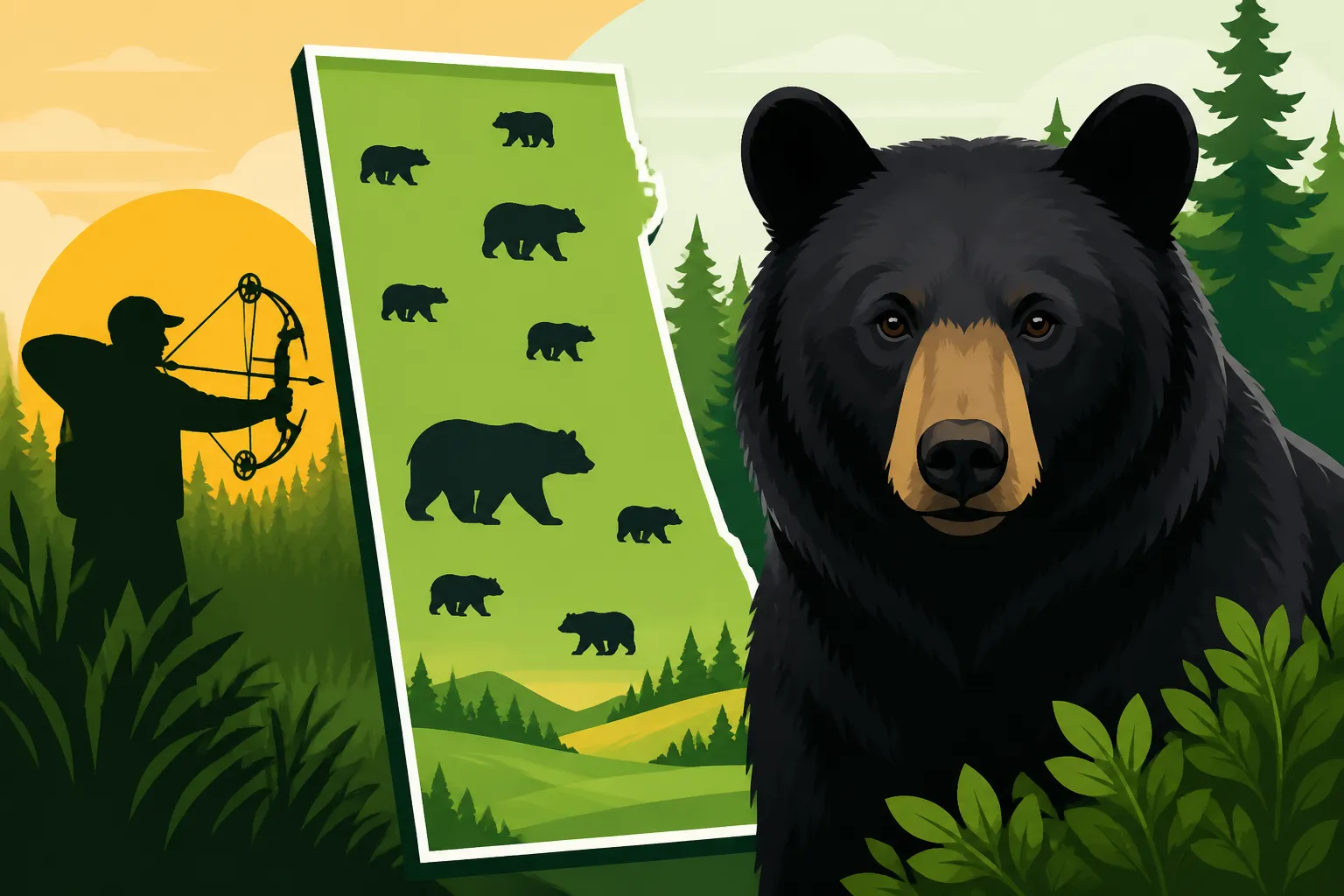
While exact, real-time numbers for a wild, wide-ranging species like the black bear are always going to be estimates, what we do know from provincial wildlife biologists is that Saskatchewan supports a very strong and healthy black bear population, particularly in its northern and central forest zones. Unlike some regions where bear numbers might fluctuate wildly or face significant pressure, Saskatchewan's vast tracts of boreal forest and the rich mosaic of the forest fringe provide ideal conditions. You won't find specific county-by-county breakdowns like you might with deer, but the general trend over the last couple of decades has been one of stability or even slight increases in key habitats. This resilience is a testament to the diverse and abundant food sources available, as well as thoughtful wildlife management practices that ensure sustainable harvests. If you're wondering about specific zones, generally, the further north you go, the higher the density, leading to excellent opportunities for a successful hunt, whether you're focused on Spring Bear Hunting Saskatchewan's Cutlines or heading out later in the year.
Factors Influencing Bear Numbers Habitat, Food, Winter Severity
The robust nature of Saskatchewan's black bear population isn't accidental; it's deeply tied to the land itself. Bears are highly adaptable, but they thrive on a few key ingredients: ample food, secure cover, and denning sites. Saskatchewan's diverse landscape delivers these in spades. Think about the vast berry crops – saskatoons, cranberries, blueberries, chokecherries – that blanket the forest floor in summer. These natural larders are crucial for bears to put on the necessary fat reserves before winter. Combine that with various nuts, roots, and the occasional protein boost from carrion or young ungulates, and you have a recipe for healthy bears.
Winter severity plays a significant role, too. While bears are hibernators, unusually mild winters can sometimes affect denning patterns or expose cubs to earlier dangers. Conversely, extremely harsh, prolonged winters, especially following a lean food year, could theoretically impact cub survival or the overall health of bears emerging from hibernation. However, Saskatchewan's typical winter patterns, coupled with the bears' incredible ability to pack on weight in the fall, generally mean they weather the cold months effectively. The expansive Boreal Muskeg Edge and other dense northern habitats offer secluded den sites, ensuring their safety during the coldest months.
Where Saskatchewan's Black Bears Thrive
When we talk about black bears in Saskatchewan, we're really talking about the province's incredible northern half. This isn't prairie country for bears, though occasionally a wanderer might surprise you. These animals are creatures of the forest, and Saskatchewan delivers some of the best black bear habitat in North America. Understanding where they congregate is key to planning a successful hunting trip, whether you're a resident or a non-resident hunter working with an outfitter.
Key Geographic Regions and Habitats
Saskatchewan's black bears are primarily found in the province's vast forested regions, broadly categorized into the Boreal Forest and the Aspen Parkland, often referred to as the "Forest Fringe." The Boreal Forest, stretching across the northern part of the province, is the undisputed stronghold. This is a landscape dominated by spruce, pine, and birch, interspersed with wetlands, rivers, and lakes. It provides an endless supply of forage, denning sites, and crucial escape cover. Areas around Hudson Bay, Nipawin, and throughout the Prince Albert Provincial Forest are legendary for their bear numbers and the quality of the animals harvested.
The Forest Fringe, where the boreal forest transitions into agricultural land, is another prime zone. Here, bears capitalize on the abundant natural food sources of the forest but also frequently venture into adjacent farmlands to feed on oats, canola, or other grain crops, especially during late summer and fall. This access to high-calorie agricultural food sources can lead to larger, heavier bears with excellent hide quality. It’s in these transitional areas that you often find a mix of opportunities, from Hunting Whitetails in Saskatchewan's Forest Fringe to excellent bear hunting.
Density Differences Across the Province
It's natural to assume that bears are everywhere in the forest, but densities can vary significantly. Generally, the further north you go into the continuous Boreal Forest, the higher the bear density. This is due to uninterrupted habitat, fewer human disturbances, and consistent food availability. Areas with diverse berry crops, abundant wetlands for succulent vegetation, and good timber stands tend to hold more bears per square mile. Outfitters operating in these regions often boast high success rates for a reason.
In contrast, the Forest Fringe, while still excellent, might have slightly lower overall densities compared to the deep boreal, but the bears that reside here often grow larger. They benefit from the agricultural buffet, accumulating significant fat reserves. This makes the forest fringe particularly appealing for hunters seeking truly massive bears. When you're using tools like GoHunt to scout and research, paying close attention to the habitat overlays – looking for dense forest cover adjacent to agricultural fields or extensive berry patches – can give you a significant advantage in understanding Where the Highest Bear Densities Are in your chosen zone.
Understanding Black Bear Biology and Behavior
To be a successful and ethical black bear hunter, understanding their biology and behavior is just as important as knowing their numbers. These animals are incredibly intelligent and operate on a seasonal calendar driven by food and reproduction. Missing these nuances can mean the difference between a productive hunt and simply spending time in the woods. Plus, the more you understand, the more you appreciate these magnificent creatures.
Reproduction and Cub Survival
Black bears typically reach sexual maturity between three and five years of age. Mating usually occurs in late spring or early summer, but the fertilized egg undergoes delayed implantation, meaning it doesn't implant in the uterine wall until late fall. This allows the female's body condition to determine if she can successfully carry and raise cubs. If she hasn't put on enough fat, the pregnancy may not proceed. Once implanted, gestation is relatively short, and cubs are born in the den, typically in January or February. A sow usually gives birth to one to three cubs, though litters of four are not unheard of, especially in areas with abundant food.
Cub survival is critical for population stability. The first year of a cub's life is the most vulnerable, with factors like early den emergence, predation, and food availability playing significant roles. Cubs will stay with their mother for about 1.5 to 2.5 years, learning vital survival skills before being driven off to fend for themselves. This strong maternal bond highlights the importance of ethical hunting practices, such as being absolutely certain of your target and avoiding sows with cubs, which is a fundamental rule for all responsible hunters. Understanding the full scope of Black Bear Hunting in Saskatchewan involves respecting these biological imperatives.
Seasonal Movements and Feeding Patterns
Black bears are creatures of habit, but their habits are highly dictated by the seasons and the availability of food. When they emerge from their dens in spring, often in April or early May, their primary focus is finding fresh green vegetation and any remaining carrion. Their digestive systems are slow to reactivate, so they start with tender shoots, roots, and grasses. As spring progresses into early summer, they shift to insects, grubs, and the first ripening berries. This is a critical time for them to recover from winter and to begin putting on weight for the upcoming breeding season. For those interested in Timing a Saskatchewan Spring Bear Hunt, knowing these patterns is key.
Late summer and fall are all about hyperphagia – an intense period of feeding to build up fat reserves for hibernation. This is when berry crops like saskatoons, cranberries, and chokecherries become central to their diet. In the forest fringe, bears will move onto agricultural fields, with oats and canola being particularly attractive. They might travel significant distances between feeding areas and secure bedding cover, often making them predictable for hunters who take the time to scout. They will continue to feed voraciously until late October or early November, depending on the weather and food availability, before retreating to their dens. Using mapping software, like what's offered by GoHunt, can help you identify these natural food sources and travel corridors when you're Scouting With Satellite Imagery in Saskatchewan.
Management and Conservation Efforts
Saskatchewan's reputation for healthy wildlife populations, including black bears, isn't by chance. It's the result of diligent management and conservation strategies put in place by the provincial government, working alongside hunters and conservation groups. These efforts are designed to ensure sustainable populations for current and future generations. It's about finding that balance between opportunity and responsibility.
Monitoring Programs and Data Collection
Effective wildlife management relies heavily on good data. For black bears, this often involves a combination of harvest data collection, research projects, and anecdotal observations from field staff and the public. When you harvest a bear in Saskatchewan, the information collected – such as sex, date, and location – contributes to a larger dataset that helps biologists monitor population trends. This isn't just bureaucracy; it's a vital part of understanding the health of the herd.
Additionally, ongoing research sometimes involves trapping and collaring bears to track their movements, denning habits, and reproductive success. These intensive studies, while localized, provide invaluable insights into the broader population dynamics. All this data helps the Ministry of Environment make informed decisions about hunting seasons, quotas, and other management actions, ensuring that the bear population remains robust. This systematic approach helps understand long-term trends and contributes to the knowledge about species like Black Bears in Saskatchewan's Boreal Forest.
Hunting Regulations and Their Role
Hunting regulations are one of the most powerful tools in wildlife management. For black bears in Saskatchewan, these regulations are carefully crafted to allow for a sustainable harvest while protecting the breeding population. Key aspects include specific Saskatchewan black bear season dates, which dictate when and where hunting is permitted, ensuring that bears are not pursued during vulnerable periods like early denning or peak cub-rearing.
Bag limits are also set to prevent overharvest. In Saskatchewan, typically hunters can harvest one bear, ensuring that overall pressure on the population remains low. Regulations around baiting, such as setting minimum distances from roads or residences and specific timeframes for Setting a Bear Bait Site in Saskatchewan, are also in place to ensure ethical hunting and public safety. These rules aren't just arbitrary; they are the backbone of conservation, allowing hunters to participate in the management process by harvesting animals within established biological limits. By adhering to these regulations, hunters contribute directly to the health and longevity of Saskatchewan's black bear numbers.
The Impact of Human Interaction and Development
As much as we love to think of bears living in pristine wilderness, the reality is that their world is increasingly intersecting with ours. Human interaction and development can have both direct and indirect impacts on black bear populations, sometimes creating challenges for both bears and people. Understanding these dynamics is crucial for coexisting with these powerful animals.
Human-Bear Conflicts and Mitigation
As human populations expand and recreational activities push deeper into traditional bear habitat, the potential for human-bear conflicts inevitably rises. Bears are opportunistic and highly driven by food. If they learn that easy calories are available near human settlements – whether it's from unsecured garbage, pet food, or even poorly managed bird feeders – they can quickly become habituated. This habituation often leads to bold behavior, property damage, and in rare cases, dangerous encounters.
Saskatchewan's wildlife agencies work to mitigate these conflicts through public education campaigns, encouraging "bear-smart" practices in rural and wilderness areas. This means securing attractants, properly storing food when camping, and understanding bear behavior. For hunters, these interactions can also present opportunities, especially in the forest fringe where bears may visit agricultural fields. However, managing human-bear conflicts is an ongoing challenge, requiring vigilance from residents and visitors alike to minimize negative outcomes for both people and bears.
Habitat Fragmentation and Development Pressure
While Saskatchewan boasts vast tracts of untouched boreal forest, development pressures are still a factor, especially in the southern fringes of bear country. Resource extraction, such as logging, mining, and oil and gas exploration, can lead to habitat fragmentation. This means breaking up large, continuous blocks of forest into smaller, isolated patches, often intersected by roads and cutlines. While bears are adaptable and can use some disturbed areas, extensive fragmentation can reduce the quality and quantity of habitat available, impact travel corridors, and increase their exposure to human activity.
However, development isn't always negative. For example, some logging practices can create new growth areas that provide excellent browse and berry production a few years down the line, indirectly benefiting bears. Conversely, large-scale agricultural expansion without sufficient buffer zones can permanently remove bear habitat. The key lies in responsible land use planning and balancing economic development with ecological considerations to ensure that the vital habitats supporting Saskatchewan's Black Bear Numbers remain intact and connected.
What These Numbers Mean for Hunters
So, after delving into population estimates, habitat, and management, what does all this information mean for you, the hunter? It boils down to opportunity, responsibility, and the tools to make your hunt as informed and successful as possible. Saskatchewan's black bear story is one of abundance, but it's also a call to participate in that story wisely.
Interpreting Population Data for Hunt Planning
The healthy and stable black bear numbers in Saskatchewan translate directly into excellent hunting opportunities. This means you generally don't have to worry about finding bears in suitable habitat, especially in the northern zones and the forest fringe. Instead, your focus can shift from "will I find a bear?" to "where will I find the right bear?" When you see consistent population trends and high success rates reported by outfitters, it indicates a robust population capable of sustaining a harvest.
For resident hunters, this often means exploring different Wildlife Management Zones (WMZs) and assessing local habitat conditions. Tools like GoHunt can be invaluable here, allowing you to overlay different habitat types, scout for prime feeding areas, and identify potential travel corridors. You can look for patterns of berry production, recent logging activity that might have created new food sources, or access to agricultural fields. For non-residents, these numbers underscore why Saskatchewan is a premier destination for a guided bear hunt, offering a realistic chance at a quality animal. Knowing What a Northern Black Bear Weighs or seeing a Colour Phase Black Bears in Saskatchewan is a very real possibility here.
Ethical Hunting Practices and Sustainable Harvest
With great opportunity comes great responsibility. The stability of Saskatchewan's black bear population is a direct result of effective management and, importantly, the ethical conduct of hunters. Sustainable harvest isn't just a buzzword; it's the practice of taking animals in a way that ensures the population remains healthy and viable for the long term. This means adhering strictly to all regulations, including season dates, bag limits, and specific rules for methods like baiting.
Beyond the regulations, ethical hunting demands respect for the animal. This includes proper shot placement to ensure a quick, humane kill and diligent tracking to recover every animal. Crucially, it also means exercising restraint, especially when dealing with sows and cubs. Being able to confidently identify Judging a Boar From a Sow With Cubs is not just good practice, it's a moral imperative. By choosing to pass on a sow with cubs, you directly contribute to the future of the population. Whether you are Hunting Saskatchewan's Fall Bear Season or spring, these principles remain steadfast. Every hunter plays a role in maintaining the health of Saskatchewan's black bear numbers, ensuring that future generations can enjoy the same incredible opportunities we do today.
Disclaimer
Please note that hunting regulations, season dates, and wildlife populations can change. Always consult the official Saskatchewan Hunters' and Trappers' Guide published by the Ministry of Environment for the most current and accurate information before planning any hunting trip.