Hunting Saskatchewan’s Aspen Parkland Bluffs
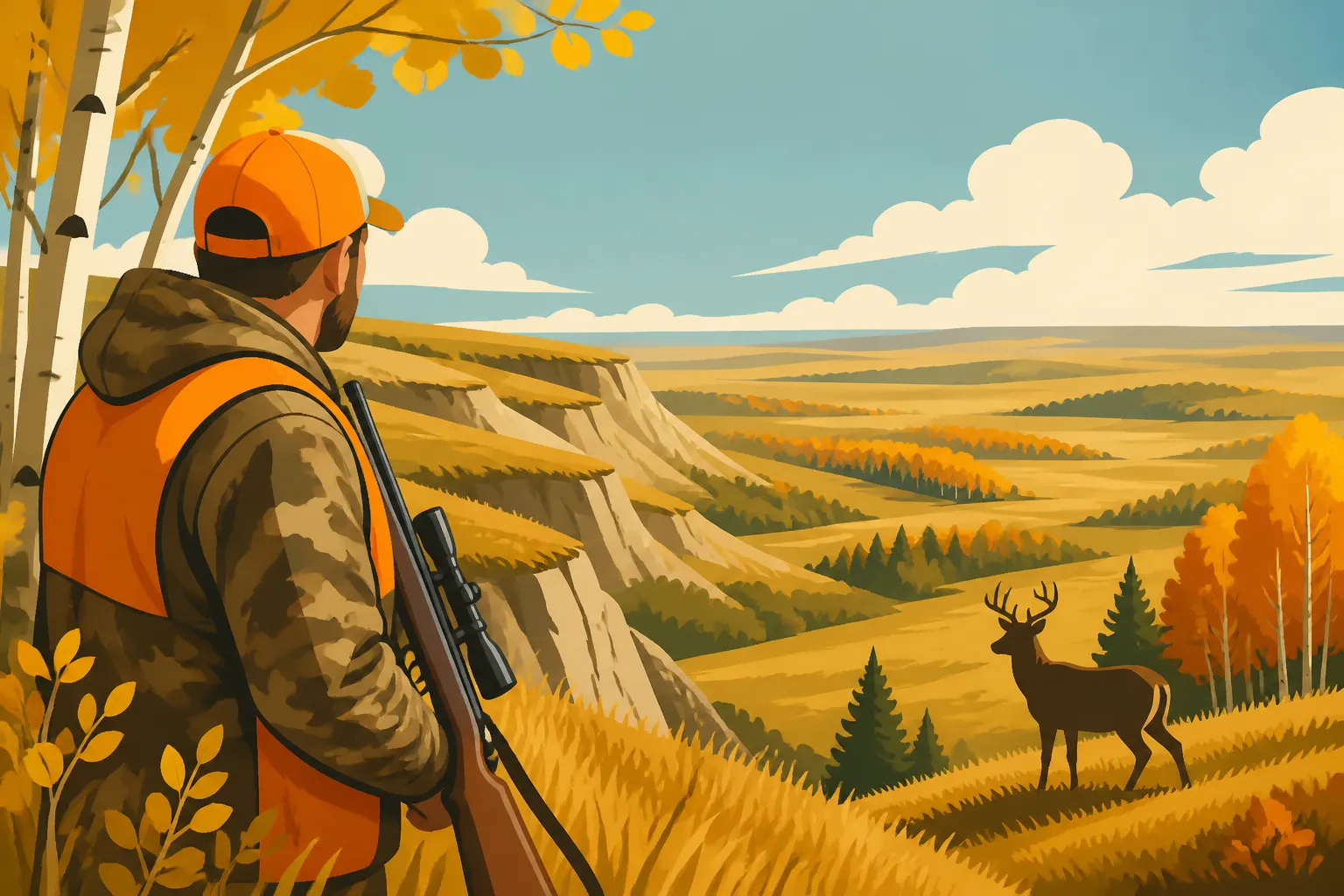
Hunting Saskatchewan's aspen parkland bluffs can feel like stepping into a wild, untamed maze. From the road, they often look like impenetrable thickets, a dense tangle of trees and brush that can be daunting to even consider entering, let alone hunt effectively. But underneath that formidable exterior lies some of the best whitetail habitat in the province, holding mature bucks that disappear like ghosts. This guide will help you decode these challenging, yet incredibly rewarding, environments.
Understanding the Aspen Parkland Bluff Ecosystem
Saskatchewan's aspen parkland region is a unique transition zone, a beautiful mosaic of rolling grasslands, cultivated fields, and those distinctive aspen bluffs. These bluffs aren't just random patches of trees; they are vital ecosystems that offer everything a whitetail needs to thrive, especially in the face of hunting pressure.
What Makes These Bluffs Unique?
Aspen bluffs are characterized by their dominant deciduous tree species – trembling aspen, of course – often mixed with balsam poplar, green ash, and various shrubs like willow, saskatoon, chokecherry, and pin cherry. This diverse vegetation creates an incredibly rich buffet of browse for deer and other wildlife. Unlike the open prairie or the deep boreal forest, the parkland bluffs offer a perfect blend of food, cover, and water sources, often with sloughs or low-lying areas interspersed within or around them.
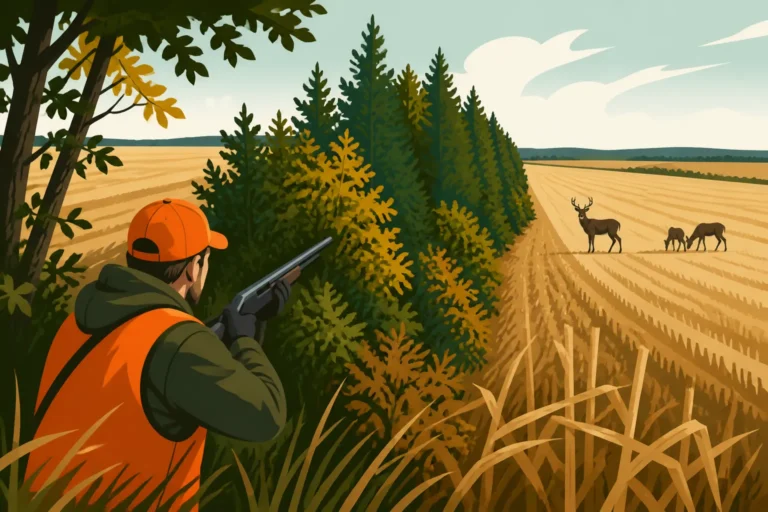
The structure of these bluffs is key. They typically feature dense undergrowth, providing excellent thermal cover from harsh winter winds and spring snows, as well as crucial visual screening from predators and hunters. The edges of these bluffs, where they meet agricultural fields or open grasslands, are natural travel corridors, funnels, and feeding grounds. You’ll often find deer browsing on agricultural crops at night, then retreating deep into the bluff's sanctuary during the day. The rolling topography also creates subtle elevation changes and natural draws that deer use for travel and bedding, making them harder to pattern. Understanding these features is the first step to Hunting Saskatchewan's Aspen Parkland successfully.
Wildlife You'll Find Here
While whitetail deer are undoubtedly the main attraction for hunters in aspen parkland bluffs, they are far from the only residents. These areas are teeming with diverse wildlife, all of which contribute to the rich ecosystem and can provide clues to deer movement.
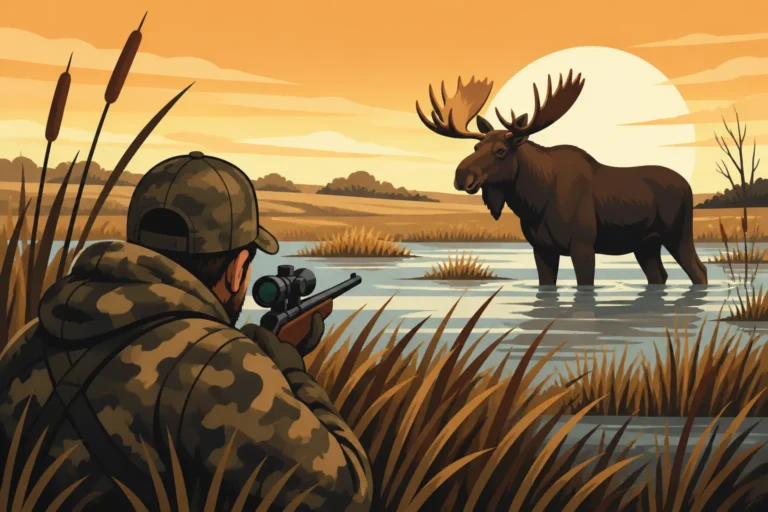
Beyond whitetails, you might encounter moose, especially in larger, wetter bluffs or those adjacent to riparian areas, browsing on willows and aspen. Black bears also frequent these areas, particularly in spring and fall, foraging for berries or grubs. Coyotes are a constant presence, always on the hunt, and their tracks or calls can indicate deer activity or alert you to their presence. Smaller furbearers like fox, lynx, and even badgers might also utilize the edges and interiors of these bluffs. Of course, countless species of upland birds, like ruffed grouse, thrive in the dense undergrowth, providing another layer of biodiversity. For hunters, the primary focus remains the elusive whitetail. These bucks utilize the bluffs for bedding, finding security in the dense cover, and only venturing out into fields under the cloak of darkness or during the peak of the rut. Understanding their specific feeding, bedding, and travel patterns within this varied terrain is crucial for success.
Scouting and Locating Key Areas in Aspen Parkland Bluffs
Hunting these bluffs successfully often boils down to thorough and intelligent scouting. You can't just wander in and expect to stumble upon a mature buck. It requires a combination of modern technology and old-school woodsman skills to unravel their secrets.
Pre-Season Digital Scouting
Before you ever put boots on the ground, digital scouting is your most powerful tool. Using satellite imagery and topographic maps from platforms like GoHunt can save you countless hours and give you a significant advantage. Start by identifying the largest, densest bluffs, paying close attention to their proximity to agricultural fields – especially standing crops or swathed grain that provide prime feeding opportunities.
Look for fingers of timber or narrow strips of brush that connect larger bluffs, acting as natural travel corridors. Pinpoint obvious funnels, like narrow strips of trees between two open fields, or draws and creek bottoms that cut through the landscape. With GoHunt, you can zoom in and identify subtle elevation changes that might indicate high bedding areas within the bluff, or depressions that could hold water. Mark potential stand locations near these features, always considering prevailing wind directions. Don't forget to study access points and plan your entry and exit routes to minimize disturbance. This kind of Scouting With Satellite Imagery in Saskatchewan is indispensable. While satellite imagery is fantastic for understanding the lay of the land, it can't show you real-time sign. It's a starting point, helping you narrow down vast areas to a few prime locations worthy of a closer look.
Boots-on-the-Ground Reconnaissance
Once you've done your digital homework, it's time for the real work: getting out there. Boots-on-the-ground scouting is where you confirm your theories and discover the fresh evidence that tells you where deer are actually moving and bedding. The timing of this scouting is important – ideally, do it outside of hunting season or during off-peak times to avoid disturbing deer.
Start by walking the edges of the bluffs, looking for well-used trails leading into and out of the cover. These trails will be matted down, sometimes with faint deer tracks, and will often lead directly to feeding areas in nearby fields. As you venture deeper into the bluff, keep your eyes peeled for buck sign. Fresh rubs on small saplings or larger trees indicate a buck has been working them. During the rut, you'll find scrape lines, often under low-hanging branches, where bucks deposit scent. Pay attention to their size and freshness; larger rubs and active scrapes are clear indicators of a mature buck's presence. Reading Whitetail Sign in Saskatchewan Bluffs is a skill that improves with practice, but fresh sign is always a confidence booster. Look for dense pockets of cover, often on slight rises within the bluff, that could serve as bedding areas. These will often have multiple trails converging and small clearings where deer might have laid down. Remember, less pressure means deer are more likely to use these spots during daylight.
Effective Hunting Strategies for Parkland Bluffs
Hunting in aspen parkland bluffs demands a nuanced approach. The dense cover and often unpredictable winds require hunters to be strategic, patient, and adaptable. There's no one-size-fits-all method, but a combination of techniques tailored to the specific environment and the season can yield tremendous success.
Stand Placement and Wind Direction
Perhaps the most critical factor in hunting these bluffs is stand placement and meticulous attention to wind direction. Whitetails in dense cover are incredibly wary, relying heavily on their sense of smell. A single whiff of human scent will send them scattering, often without you even knowing they were there. When choosing a location for a treestand or ground blind, prioritize stealthy entry and exit routes. You want to be able to get to and from your stand without walking through bedding areas or heavily used travel corridors.
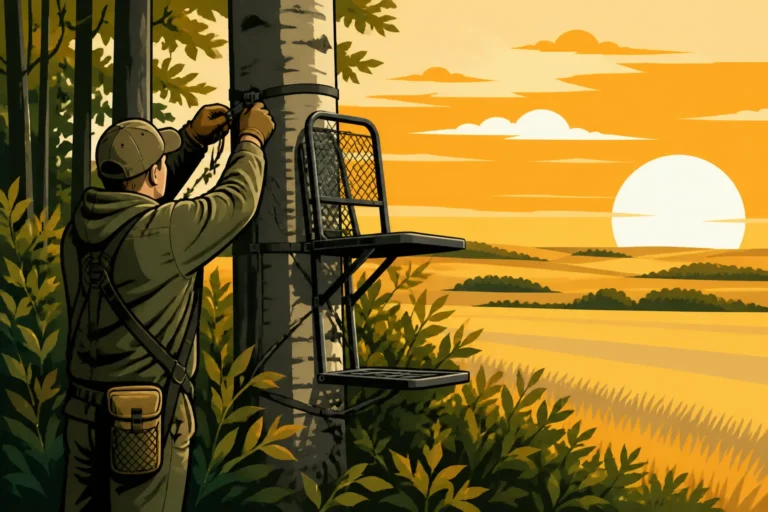
Consider how thermals will affect your scent. In the mornings, as the air warms, thermals rise, carrying your scent upwards. In the evenings, as the air cools, thermals drop, carrying your scent downwards into valleys and low spots. Position your stand to account for this, often on a downwind side of a trail or funnel, but elevated enough that your scent is carried over the deer's path. Focus on pinch points, saddles between ridges, or the intersections of multiple trails. The edge where a bluff meets an open field is a classic spot, especially if there's a good vantage point to see deer entering and exiting. For more on this, check out Hanging a Stand on a Saskatchewan Bush Edge. Always have multiple stand options for varying wind conditions, because ignoring the wind in a bluff is a surefire way to educate every deer in the area.
Still Hunting and Driving Techniques
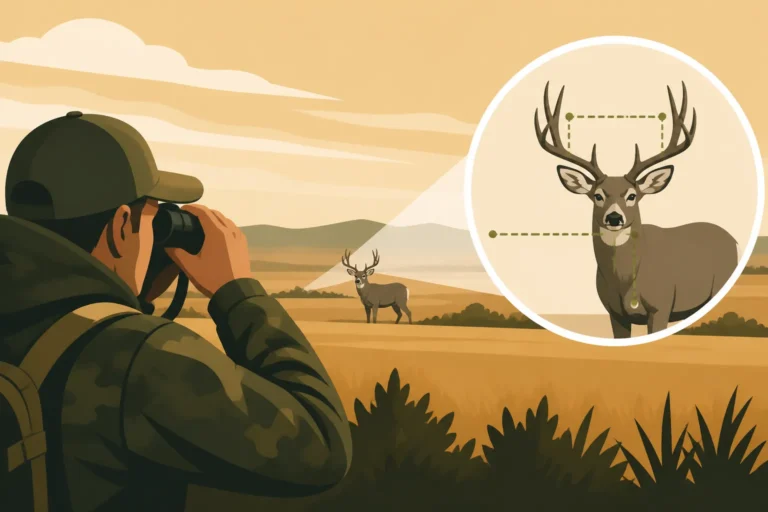
Still hunting can be incredibly effective in the dense, broken cover of aspen bluffs, especially if you move slowly and deliberately. This technique involves taking a few steps, then pausing for several minutes to scan for movement, listen for subtle sounds, and carefully examine the terrain ahead. Use binoculars frequently to pick apart shadows and identify parts of a deer – an ear, a leg, a flicker of white. Focus on moving into the wind or with a crosswind, always paying attention to noise. Soft-soled boots and quiet clothing are essential. Still hunting is particularly good when deer might be bedded tightly within the bluff, allowing you to surprise them before they fully escape.
For thicker, more expansive bluffs, or if you're hunting with a partner or small group, strategic driving can be a productive method. This isn't about running deer wildly; it's about making small, calculated pushes. One or two hunters act as "drivers," slowly and quietly pushing through a section of dense cover, while others are positioned on the downwind side or at escape routes as "watchers." The key is to move slowly enough that deer feel pressured but not panicked, ideally walking out rather than running full-bore. Communication between drivers and watchers is paramount for safety and effectiveness. This strategy is excellent for getting deer out of those deep, daytime bedding areas where they feel most secure.
Calling and Rattling in the Bluffs
During the peak of the rut, typically in November in Saskatchewan, calling and rattling can be incredibly potent tactics in aspen parkland bluffs. Bucks are on the move, actively seeking does, and can be aggressive towards perceived rivals. Hunting Saskatchewan's November Rut is an exciting time, and vocalizations are key.
Start with soft grunts and doe bleats, mimicking a deer casually moving through the area. If you're confident there are bucks nearby and the conditions are right (e.g., cold, clear, calm), you can escalate to rattling antlers. In the somewhat denser parkland cover compared to open prairie, you might need to increase your Rattling Volume in Open Parkland, but still maintain realism. Mimic a short, sharp sparring match, then remain absolutely silent and vigilant for 15-20 minutes. Bucks will often circle downwind to get a scent before committing, so be prepared for them to approach from unexpected directions. Patience is key with calling and rattling; don't call too frequently or too loudly, as it can sound unnatural. Sometimes, a subtle tickle of the antlers is all it takes to pique a buck's curiosity. Remember, these tactics are most effective when bucks are actively seeking mates, so timing is crucial.
Gear and Safety Considerations for Bluff Hunting
Hunting in the challenging terrain of aspen parkland bluffs requires not just strategy, but also the right gear and a strong emphasis on safety. The dense cover and often remote nature of these areas mean you need to be prepared for anything.
Essential Gear for Dense Cover
When you're pushing through thick aspen and willow, your gear needs to be robust and functional. Forget anything flimsy or loud.
First and foremost, invest in durable, quiet clothing. Outer layers that resist snags and won't rustle loudly against brush are critical for stealth. Good quality waterproof and breathable outer layers are also important, as you might encounter snow, rain, or heavy dew while navigating the brush. Footwear is paramount: sturdy, waterproof boots with good ankle support are a must to navigate uneven terrain, downed timber, and potentially wet conditions around sloughs. A reliable backpack that sits comfortably and allows for easy access to essentials is also key.
Navigation is another non-negotiable. While a physical map and compass are always good backups, a modern GPS unit or a smartphone with a robust mapping app like GoHunt is invaluable. These tools allow you to pinpoint your location, mark trails, potential bedding areas, and your stand sites, and help you avoid getting disoriented in dense, repetitive cover. Don't forget extra battery packs! Optics are also important; while long-range glassing might be limited in the thick stuff, a good pair of binoculars (8x or 10x) will help you pick apart dense cover for a glimpse of movement. Finally, a sharp knife, game bags, and basic first-aid supplies should always be in your pack.
Navigating Challenging Terrain Safely
Safety should always be your top priority, especially when hunting alone or in unfamiliar bluffs. The terrain can be deceptive, with hidden holes, downed trees, and sudden changes in elevation.
Always let someone know your exact hunting plans, including your intended location and expected return time. A reliable communication device, such as a satellite messenger or two-way radio, is highly recommended, especially where cell service is spotty (which is common in many of Saskatchewan's more remote parkland areas). Pay constant attention to your footing to avoid trips and falls. Be aware of deadfall and tangles of brush that can hide dangers or simply make movement difficult and noisy. If you're hunting during colder periods, ensure you’re dressed appropriately for Hunting Saskatchewan Winter Weather Safely, carrying extra layers, and staying hydrated. Visibility is also crucial, especially if hunting with others or during rifle season. Adhere strictly to Saskatchewan Blaze Orange Rules to ensure you're easily seen by other hunters. Never take unnecessary risks, and always prioritize getting yourself and your harvest out safely.
Comparison of Parkland Bluff Hunting Tactics
Here's a quick look at how different strategies stack up for hunting Saskatchewan's aspen parkland bluffs:
| Tactic | Best Season/Conditions | Pros | Cons | Ideal Scenario |
|---|---|---|---|---|
| Stand Hunting | All seasons, especially rut | High success rate on patterned deer, good for patience | Requires meticulous setup, wind critical, can be cold | Known travel route or feeding area, minimal disturbance |
| Still Hunting | Early/Late season, dense cover | Adaptable, good for finding bedded deer | Requires extreme stealth, easy to spook deer, slow | Thick bedding areas, solo hunter, tracking fresh sign |
| Small Drives | Mid-season, cold weather | Effective for moving deer out of thickets | Requires multiple hunters, safety concerns, can educate deer | Clearing specific bluff pockets, pushing to blockers |
| Rattling/Calling | Rut (October-November) | Can bring bucks directly to you, exciting | Only effective during rut, can spook deer if overdone | Pre-rut or peak rut, cover to conceal movement and sound |
Disclaimer
Hunting is an inherently dangerous activity. Always prioritize safety, adhere to all local regulations, and respect wildlife and private property. This guide is for informational purposes only and should not replace proper hunter education, local bylaws, or professional advice. Always check the current Saskatchewan hunting regulations before heading afield, as rules and seasons can change.