Scouting Fields for Saskatchewan Waterfowl
The sun is still barely kissing the horizon, and you're already out there, driving those dusty grid roads, eyes scanning endless fields, hoping to catch a glimpse of that perfect waterfowl spread. It's a passion, a ritual, and sometimes, a pure test of patience and intuition. The frustration of driving for hours and seeing nothing but empty skies or fields picked clean can be soul-crushing, making you wonder if you'll ever truly figure out the puzzle of where the birds are going to be. This guide is all about cutting through that guesswork, giving you the real-world strategies and insights you need to effectively scout fields for Saskatchewan waterfowl, turning those fruitless drives into triumphant harvests.
Understanding Waterfowl Habits and Preferred Fields
Saskatchewan is renowned globally as a waterfowl hunter's paradise, but even in a "duck factory," you can’t just show up and expect birds to be everywhere. Understanding their daily routines, dietary preferences, and how they react to different agricultural landscapes is absolutely paramount. It’s a dance between nature and agriculture, and we’re trying to read the steps.
The Daily Grind: Feeding, Resting, and Roosting
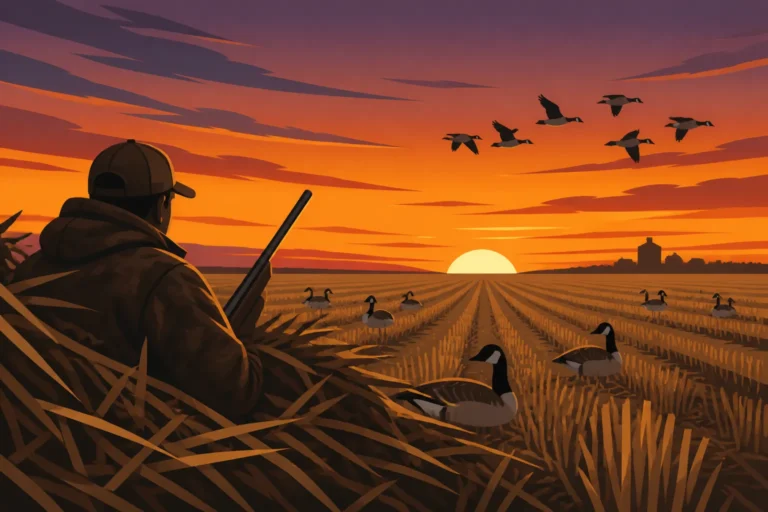
Waterfowl, like most wildlife, are creatures of habit. They have a fairly predictable daily cycle that, once understood, can be exploited for successful scouting. At first light, often before the sun even peaks, ducks and geese will leave their overnight roosts, which are typically large, safe bodies of water like lakes, sloughs, or even river systems. Their primary mission? To get to a feeding field. This morning flight is often the most visible, as thousands of birds might leave a single body of water in waves, heading directly to their chosen breakfast buffet. They'll spend the early morning hours, usually until mid-morning, gorging themselves.
After their morning meal, they often return to a smaller, more secure body of water – perhaps a remote slough or a quiet section of a river – for loafing and digesting. They'll preen, rest, and socialize, safe from predators. This mid-day lull is usually not a prime feeding time. As late afternoon approaches, the cycle repeats. Birds will again leave their loafing areas, or sometimes directly from the larger roost, to hit another feeding field, or return to the morning spot for a second helping. This evening flight is often just as strong as the morning, leading up to them returning to the primary roost for the night. Knowing this pattern is crucial. You're not looking for birds at 1 PM in a field; you're looking at dawn and dusk. The key is catching them in transit or actively feeding.
Decoding Crop Preferences by Species
Not all fields are created equal in the eyes of a duck or a goose. Different species have distinct preferences, and a seasoned scout knows how to read the landscape for the right targets.
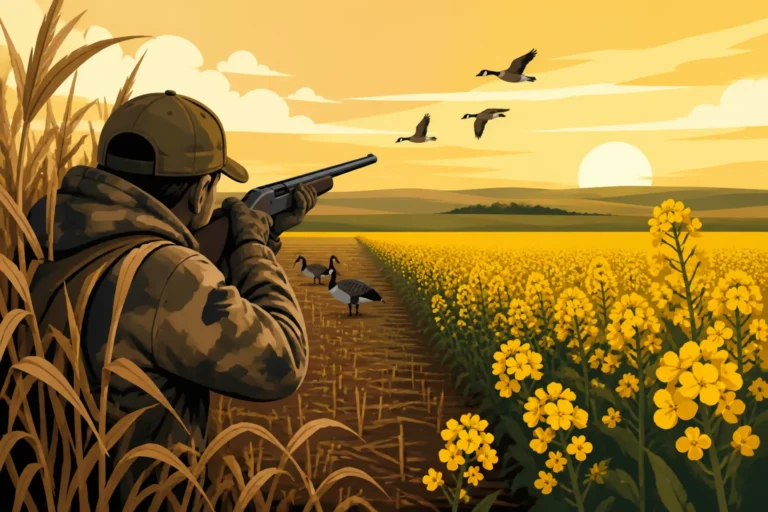
- Canada Geese: These magnificent birds are often the least picky. They adore grain fields, especially those that have been swathed or harvested, leaving shattered grain on the ground. Wheat, barley, oats, and pea fields are prime targets. They’ll also hit corn and sometimes even graze on winter wheat or fresh grass. They're big birds, and they need a lot of fuel, so large, open fields where they can land and take off easily are preferred. You'll often see them in fields right off the main roads, seemingly unfazed by traffic. For the hunter, finding a field with fresh stubble, especially if it's been recently harvested, can be gold. Understanding their patterns is key to Field Hunting Geese in Saskatchewan Stubble.
- Snow Geese: Oh, the snow geese! These birds move in massive numbers and can literally blanket a field. Unlike Canadas, snow geese are more prone to "grubbing" – digging up roots and rhizomes, particularly in pea fields or shallower flooded areas. However, they'll also hit harvested grain fields, especially barley and wheat, where they can glean fallen kernels. They tend to be a bit warier than Canada geese, often preferring more secluded fields further from major roads. When you see a field that looks like a snowstorm hit it, you know you've found their feeding ground.
- Ducks (Mallards, Pintails, etc.): While ducks will sometimes join geese in dry grain fields, especially mallards and pintails, they have a strong affinity for water. They prefer fields with shallow standing water or fields adjacent to wetlands where they can feed on submerged vegetation, invertebrates, and, crucially, spilled grain in flooded areas. Barley and pea fields are often favorites, as are wheat and oats. Look for fields with low spots that have collected water after a rain, or those bordering a slough or drainage ditch. A field of Hunting Ducks on a Saskatchewan Stubble Field is usually found near a water source.
- Sandhill Cranes: These majestic birds are often overlooked by waterfowl hunters, but they provide an incredible hunting experience. Cranes are huge fans of pea fields, lentils, and corn. They're also not above hitting a good barley or wheat stubble field. They tend to feed in specific, often smaller, concentrated areas within a larger field. You’ll hear them before you see them, with their distinctive rattling calls. Targeting their specific feeding grounds is vital for Hunting Saskatchewan's Sandhill Crane Fields.
It's all about being observant and knowing what to look for when you're scouting. The type of crop, the stage of harvest, and the proximity to water are all clues in this intricate puzzle.
Essential Scouting Tools and Techniques
Effective waterfowl scouting isn't just about driving around and hoping for the best. It's a strategic operation that combines modern technology with old-school field craft. You need to be methodical, patient, and equipped with the right gear.
Mapping and Satellite Imagery: Your Eyes in the Sky
In today's world, the most powerful scouting tool often sits right in your pocket. Gone are the days of just relying on paper maps and blind driving. Satellite imagery and mapping applications are absolute game-changers, allowing you to "scout" from your couch before you even hit the road.
Applications like GoHunt are invaluable. They provide detailed satellite views of Saskatchewan's agricultural landscape, often updated with surprising regularity. You can identify potential feeding fields, locate water bodies, mark access points, and even discern crop types to some extent based on colour and texture. What I usually do is spend a good evening before a hunt just scrolling through areas I'm interested in on my GoHunt app. I'll look for large blocks of harvested fields, paying close attention to any standing water, sloughs, or small creek systems nearby. The ability to switch between satellite views and topographic maps helps me understand the elevation changes and potential drainage patterns that might create those irresistible shallow water pockets for ducks.
These apps also clearly show property lines and ownership, which is crucial for determining public versus private land. This saves you an immense amount of time and avoids accidental trespassing. You can pinpoint specific quarter sections, understand the layout of shelterbelts, and identify major grid roads versus fainter trails. This pre-Scouting With Satellite Imagery in Saskatchewan is the first step in narrowing down your physical search area.
Glassing Gear: High Power for Distant Details
Once you're actually out in the field, good quality optics are non-negotiable. You can't effectively scout if you can't see the birds at a distance without disturbing them.
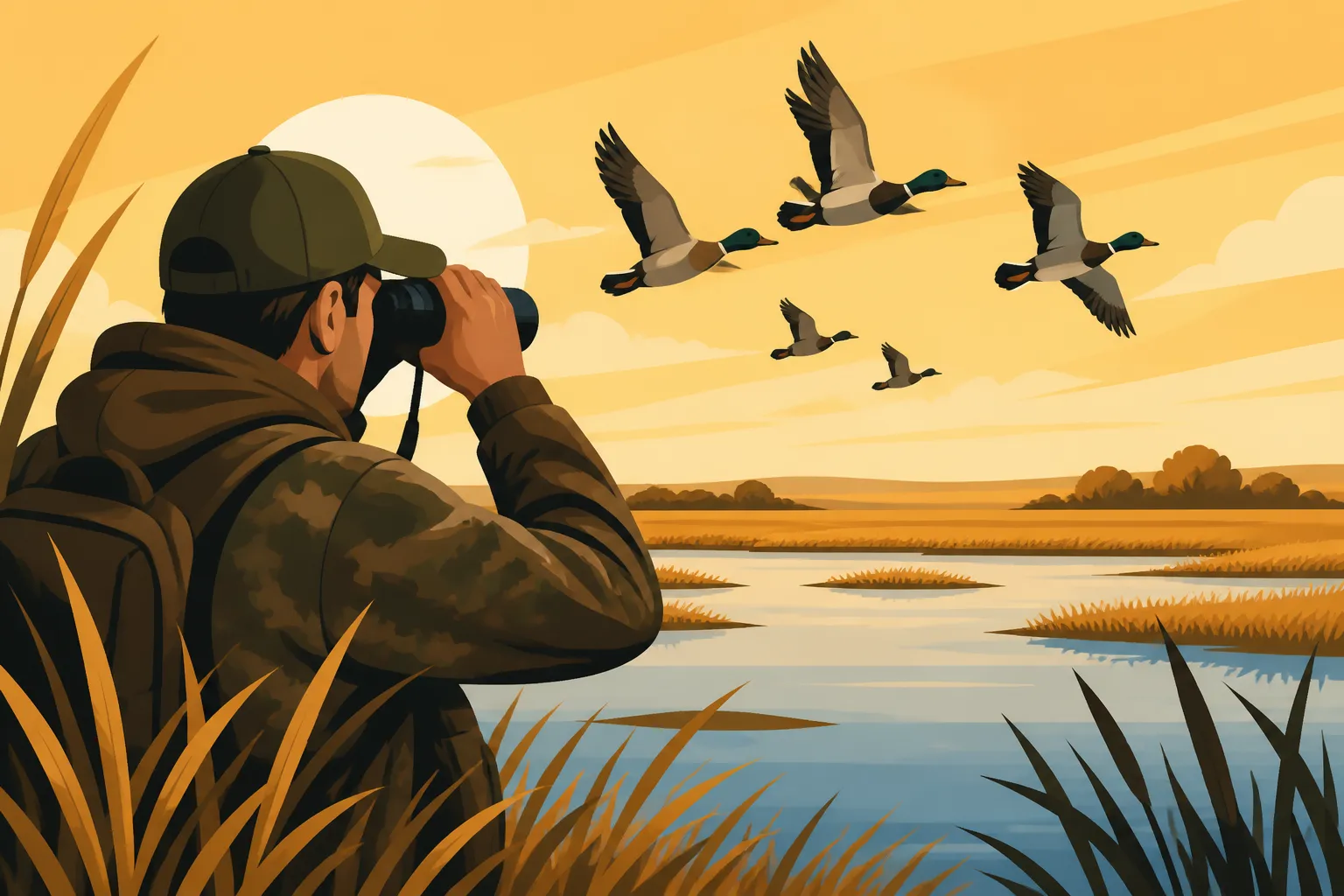
- Binoculars (10×42 or 12×50): These are your primary scouting tools. Invest in a good pair that offers clear, bright images even in low light. You'll be using them constantly to scan fields, identify species, and estimate numbers. A comfortable neck strap is a must for long hours of scanning.
- Spotting Scope (20-60x or 15-45x): For serious long-range observation, especially for differentiating species, counting birds in a huge flock, or checking if a field is truly "hot" from a mile away, a spotting scope on a sturdy tripod is indispensable. This allows you to stay completely undetected while getting an intimate view of the birds' behaviour. You can often tell if they're actively feeding, resting, or just getting ready to move. This is particularly important for wary birds like snow geese or when you’re trying to verify specific species in a mixed flock before committing to a setup.
- Vehicle Mount: A window mount for your binoculars or spotting scope can be incredibly handy, allowing you to quickly set up and scan from the comfort and concealment of your truck without having to constantly get out and set up a tripod.
Remember, the goal is to observe without being observed. Staying in your vehicle, especially along a quiet side road or field approach, allows you to watch the natural movements of the birds without alerting them.
Interpreting the Signs on the Ground
Beyond the visible birds, the fields themselves hold a wealth of information. Learning to read these subtle cues can tell you if birds have been using a field, what species they were, and how recently they were there. It's like being a detective, piecing together clues to form a clear picture.
Fresh Sign: Droppings, Feathers, and Tracks
The most obvious sign, even when birds aren't present, is their droppings. Fresh droppings, still moist and dark, indicate very recent activity – perhaps within the last few hours. Older, dry, or sun-baked droppings mean the activity was there, but maybe not today.
- Goose Droppings: These are typically cylindrical, about the size of a human finger, and vary in colour from dark green to brown depending on their diet. If you see a field littered with fresh goose droppings, especially in concentrations, you’re in a very good spot.
- Duck Droppings: Smaller and more irregular, duck droppings often look like small, dark splatters. If you find these in a dry field, it often suggests mallards or pintails.
- Snow Goose Droppings: These are often smaller and more globular than Canada goose droppings, frequently with a whitish chalky appearance, especially if they’ve been grubbing.
Feathers are another key indicator. Piles of feathers, especially flight feathers, suggest birds have been resting or preening heavily. Down feathers indicate close proximity. The colour and size of the feathers can also help identify the species. Tracks in muddy areas or dusty patches can tell you not only what was there but also direction of travel and activity levels. Large, webbed prints are clearly geese or ducks.
Crop Damage and Leftover Grain
The birds don't just leave droppings; they leave a mess! Observe the crop itself.
- Shattered Grain: In stubble fields, look for excessive amounts of shattered grain on the ground, beyond what the combine would typically leave. This is evidence of heavy feeding. A field that looks "vacuumed" clean in patches tells you it's been heavily worked over.
- Pea and Lentil Fields: For snow geese and cranes, look for areas where plants have been pulled up by the roots or where the ground shows signs of "grubbing" – small, shallow depressions where they've dug for roots or fallen peas.
- Corn Fields: Deer and other animals also eat corn, but waterfowl will leave unique signs. Look for scattered kernels and signs of birds working through the field, leaving a path of broken stalks and husks.
- Swathed Fields: A swathed field is particularly attractive. The grain is cut but laid in rows (swaths) to dry before combining. Birds can easily access the grain in the swaths. Look for disturbed swaths, or areas where the grain has been picked clean directly from the swath. Hunting a Swathed Grain Field at Dusk can be incredibly productive.
If you find a field with these signs, and perhaps a small, untouched section of standing crop nearby, you know the birds are actively using that area.
| Field Type | Primary Attractors | Key Signs of Use | Best Species to Target |
|---|---|---|---|
| Wheat Stubble | Abundant shattered grain, good cover, easy access. | Concentrated droppings, flattened stubble, visible grain loss beyond combine. | Canada Geese, Mallards, Pintails, Snow Geese (less common) |
| Barley Stubble | High energy grain, often shatter-prone, easily digestible. | Similar to wheat, but often with denser droppings, particularly for large flocks. | Canada Geese, Snow Geese, Mallards, Pintails, Sandhill Cranes |
| Pea/Lentil Fields | High protein, easily accessible, often areas for "grubbing." | Grubbing holes, uprooted plants, scattered pods, distinctive small, chalky droppings. | Snow Geese, Sandhill Cranes, some Canada Geese |
| Corn Fields | High energy, kernels available, standing stalks provide some concealment. | Broken stalks, scattered kernels, larger droppings, distinct feeding patterns. | Canada Geese, Sandhill Cranes, sometimes Mallards (if wet) |
| Swathed Grain | Grain concentrated in rows, readily available for feeding. | Disturbed swaths, grain picked directly from rows, heavy droppings. | Canada Geese, Snow Geese, Mallards, Pintails, Sandhill Cranes |
| Wet Stubble/Pothole Edge | Water for dabbling, submerged invertebrates, spilled grain in shallow water. | Muddy tracks, feeding "drains" in water, duck droppings near water's edge. | Mallards, Pintails, Wigeon, Gadwall, Green-winged Teal |
Ethical Considerations and Landowner Relations in Scouting
Scouting isn't just about finding birds; it's about doing so responsibly and respectfully. In Saskatchewan, where most of the land is privately owned, maintaining good relationships with landowners is crucial for continued hunting access. It's not just a courtesy; it's the law and the right thing to do.
Always Seek Permission: The Golden Rule
This cannot be stressed enough: always obtain permission before accessing private land for scouting or hunting. This includes driving onto field approaches, walking field edges, or even pulling over on private property. Saskatchewan has specific Saskatchewan Landowner Permission Law requirements. Posted signs are one thing, but even if land isn't explicitly posted, it's still private property.
When you're out scouting, especially if you see birds using a particular field, make it your priority to locate the landowner. Sometimes this means looking for a farmhouse nearby, checking with neighbours, or simply waiting for someone to drive by. Be polite, introduce yourself, explain what you're doing, and ask if they'd be open to allowing you to scout and potentially hunt their land. Many landowners are friendly and appreciate the respect. Even if they say no, thank them for their time. That positive interaction can go a long way in the hunting community. Some hunters use their GoHunt app to identify landowners by name and even find contact information through publicly available resources, making the process of Knocking on Doors in Saskatchewan Farm Country much more efficient.
Remember, access is a privilege, not a right. One bad experience with a disrespectful hunter can ruin access for everyone else for years to come.
Minimizing Disturbance and Respecting Property
When scouting, act as if you're a guest on someone's property – because you are.
- Stay in Your Vehicle: Whenever possible, observe fields from your vehicle on public roads. This minimizes your footprint and prevents you from disturbing the birds or tracking mud onto private land.
- Avoid Driving in Fields: Never drive onto a private field without explicit permission, even if it's just to get a better look. You could damage crops, compact soil, or create ruts, all of which are costly to the landowner.
- Respect "No Hunting" or "No Trespassing" Signs: If a field is clearly marked with Saskatchewan Posted Land Sign Rules, respect it. There are often good reasons for these signs, whether it's for livestock, ongoing farm operations, or simply the landowner's preference.
- Leave No Trace: If you do get permission to walk a field edge, ensure you leave absolutely nothing behind. No trash, no spent shells, nothing.
- Be Mindful of Farm Operations: Saskatchewan agriculture is a 24/7 operation during harvest. Be aware of combines, tractors, and grain trucks. Give them the right of way and avoid creating any obstacles or hazards for them. A scouting trip should never interfere with a farmer's livelihood.
By adhering to these principles, you not only ensure your own access but also help maintain a positive image for all hunters in Saskatchewan. Scouting is the foundation of a successful waterfowl hunt, and doing it right – with respect for the land, the wildlife, and the landowners – is what truly makes it a rewarding experience.
Disclaimer
Please remember that hunting regulations, seasons, and licensing requirements can change. Always consult the most current Saskatchewan hunting guide and regulations published by the Ministry of Environment before heading out. This guide is for informational purposes only and does not replace official government regulations.