Reading Outfitter Reviews Honestly
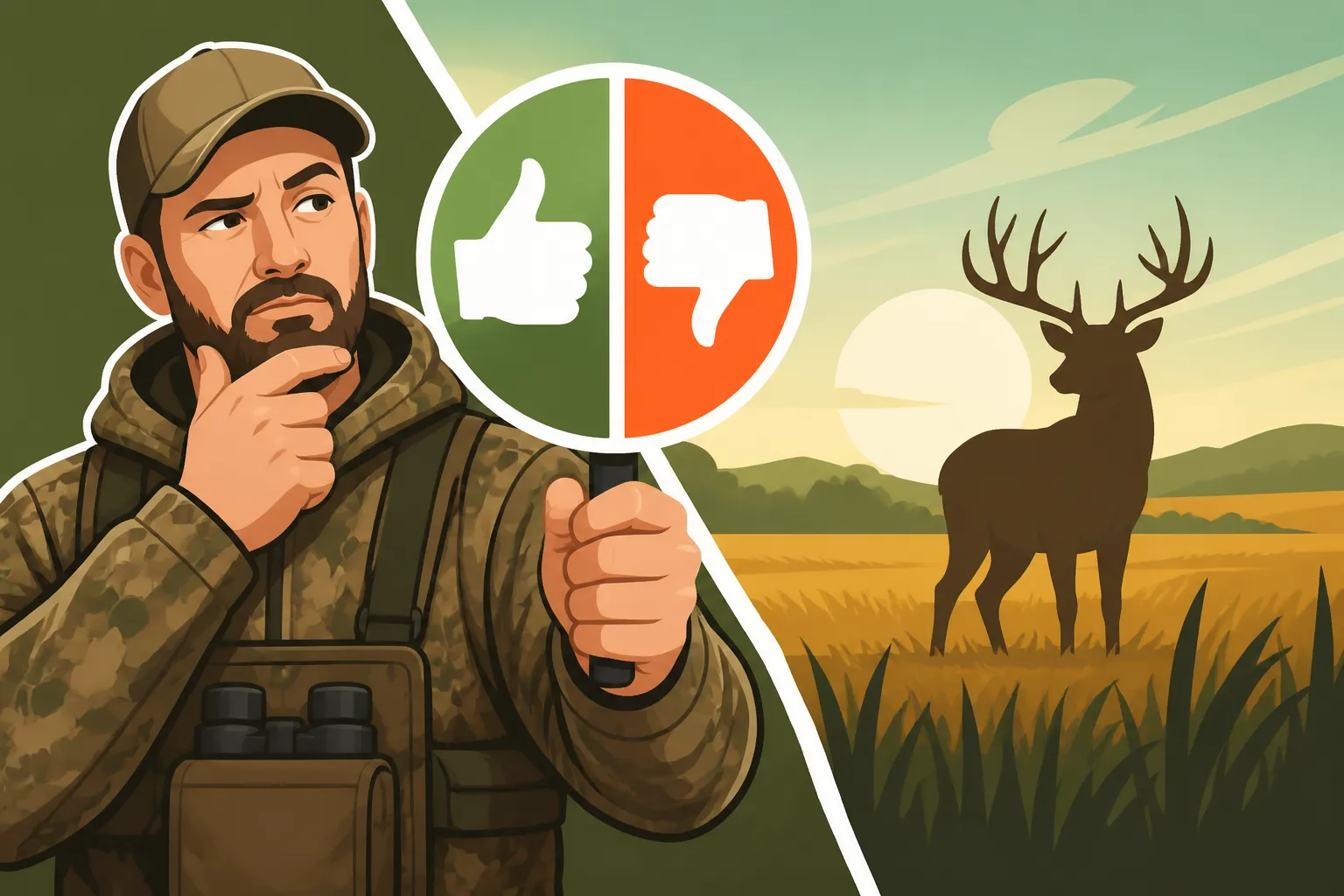
Choosing a hunting outfitter, especially for a dream trip to Saskatchewan, feels like navigating a minefield sometimes. You pour over websites, scroll through photos, and then inevitably land on the review section, hoping to find that clear, undeniable sign that you’ve found "the one." But let's be honest, trying to glean the real truth from a collection of online opinions, star ratings, and passionate prose can be incredibly confusing and often misleading. This guide is here to help you cut through the noise, understand the nuances, and develop a critical eye so you can read outfitter reviews honestly and make an informed decision for your next Saskatchewan hunting adventure.
The Lure and Limitations of Online Reviews
It's easy to get swept up in the excitement when you see glowing testimonials. A string of five-star reviews can make an outfitter seem like a guaranteed path to a trophy, while a couple of negative comments can quickly sour you on an otherwise promising option. The truth, however, often lies somewhere in between these extremes. Online reviews, while incredibly accessible and a fantastic starting point, come with inherent biases and limitations that every savvy hunter needs to understand.
One of the biggest appeals of reviews is that they offer a glimpse into other hunters' actual experiences. They can highlight details that an outfitter's perfectly curated website might gloss over – things like the quality of the camp food, the demeanor of the guides, the condition of the blinds, or the overall atmosphere. For example, a hunter might rave about the incredible camaraderie they experienced, which is something you can't really advertise. Conversely, a frustrated review might mention guides who were constantly on their phones or accommodations that were far more rustic than pictured. These unfiltered perspectives can be invaluable in painting a more realistic picture of what to expect, especially when you're considering a significant investment like a guided hunt. They can give you a gut feeling, a sense of whether the outfitter's ethos aligns with your own hunting style and expectations.
However, the very thing that makes reviews so appealing – their personal nature – is also their biggest limitation. Every review is filtered through the unique lens of that particular hunter's experience, expectations, and even their hunting skill. A review that complains about "not seeing any animals" might be from a hunter who struggled to sit still, arrived late, or simply had bad luck during a tough weather week. On the flip side, an ecstatic five-star review might come from a novice who was thrilled to take their first deer, regardless of its size, while a seasoned hunter might have found the experience underwhelming. There's also the very real possibility of exaggerated claims, either positive or negative, or even outright fake reviews designed to boost or damage an outfitter's reputation. It's tough to discern genuineness sometimes, and it requires you to read between the lines and consider the source. You really have to dig deeper than just the star rating.
Deciphering the Details: What to Look For (and Ignore)
When you're sifting through reviews, don't just skim for keywords like "big bucks" or "great food." You need to put on your detective hat and look for specific patterns and details that offer a more honest assessment. Think of yourself as an investigative journalist, not just a casual browser.
First, look for consistency and patterns across multiple reviews. If several hunters mention the same issue – say, inconsistent guide communication or uncomfortable sleeping arrangements – that's a red flag worth investigating. Conversely, if multiple reviews praise the same aspects, like knowledgeable guides, abundant game, or comfortable camps, that's a strong indicator of reliable quality. One outlier review, whether exceptionally good or bad, might not tell the whole story, but a consensus usually speaks volumes. For instance, if you see a pattern of people mentioning they never saw much game, but the outfitter's website promises record book animals, that's a disconnect you need to address.
Second, pay close attention to specificity. A review that says "great hunt" is far less useful than one that details "Our guide, Mark, had us in a heated blind by 6 AM, and we rattled in a mature buck by 8:30. The camp cook, Susan, made the best steak and potato dinner every night." Specific details like names, times, methods, and tangible experiences provide much more credible information. Vague compliments or complaints can often be dismissed as subjective opinions without much substance. When you're looking at platforms like BookYourHunt, they often encourage detailed reviews, which can be incredibly helpful for prospective clients. Specificity in what was seen, what was done, and what the overall experience was like tells you much more than generic praise or criticism.
Third, consider the date of the review. An outfitter's quality can change over time. Staff might turn over, management could change, or hunting conditions in a particular area might shift. A five-star review from five years ago might not accurately reflect the current operation. Prioritize recent reviews to get the most up-to-date picture. Conversely, don't dismiss an older, excellent review if it’s consistently backed up by more recent positive feedback, suggesting a long-standing reputation. This also applies to negative reviews; if a problem was mentioned two years ago but hasn't resurfaced, the outfitter may have addressed it.
Fourth, try to gauge the reviewer's background and expectations. Is it their first time hunting? Are they a seasoned veteran? What species were they targeting? A first-time hunter might be thrilled with a smaller animal, while an experienced hunter might have very specific trophy expectations. You also want to consider if the reviewer's expectations align with what a typical Saskatchewan hunt offers. For example, some might expect a Whitetail Hunting in Saskatchewan experience to be entirely different from Moose Hunting Saskatchewan's Farmland and Forest. Understanding their perspective helps you filter the information. For instance, a complaint about "too much snow" in November might be unavoidable given Hunting Saskatchewan Winter Weather Safely, not a fault of the outfitter.
Finally, how does the outfitter respond to reviews, particularly negative ones? A professional outfitter will often engage with feedback, thanking positive reviewers and offering polite, constructive responses to negative comments. They might explain a difficult situation or offer to make amends. An outfitter who ignores all reviews, or worse, responds defensively and unprofessionally, might indicate poor customer service or an unwillingness to improve. This provides insight into their character and how they value their clients.
| Review Aspect | What to Look For | What to Be Wary Of |
|---|---|---|
| Star Rating | Consistent high ratings with detailed explanations. | A mix of extreme highs and lows without much middle ground, or too many vague "perfect" scores. |
| Specificity | Mentions of specific guides, camp activities, game sightings, equipment, and locations. | Generic "great hunt" or "bad trip" comments without any concrete examples or details. |
| Date | Recent reviews (within the last 1-2 years) are most relevant. | Reviews that are several years old, unless consistently backed up by newer ones. |
| Reviewer's Tone | Balanced, factual accounts, even if expressing disappointment. | Overly emotional, aggressive, or exaggerated language, either positive or negative. |
| Outfitter Response | Professional, appreciative responses to all feedback, especially thoughtful replies to constructive criticism. | No responses, or defensive/hostile replies to any negative comments. |
| Photos/Videos | Actual hunter photos/videos, not just stock images. | Generic media, or photos that look staged or are of uncertain origin. |
Beyond the Stars: Connecting with References and Doing Your Homework
While online reviews offer a convenient starting point, they are just one piece of the puzzle. To truly assess a Saskatchewan outfitter, you need to go beyond the screen and engage in good old-fashioned due diligence. This means actively seeking out additional information and speaking directly with people who have hunted with the outfitter.
One of the most critical steps is to request references directly from the outfitter. Any reputable outfitter should be willing and able to provide you with contact information for past clients, preferably from the previous season or two. When you get these references, don't just make a quick call. Prepare a list of specific questions. Ask about the accuracy of the outfitter's descriptions, the professionalism of the guides, the quality of the food and accommodations, the amount of game seen, and their overall satisfaction. Crucially, ask them if they would book with that outfitter again, and why or why not. A personal conversation allows you to pick up on nuances that a written review can't convey – tone of voice, hesitations, or genuine enthusiasm. It’s also important to confirm that the reference actually hunted the type of hunt you're interested in, whether it's Rifle Hunting Saskatchewan's Whitetail Rut or Black Bear Hunting in Saskatchewan.
Furthermore, leverage hunting forums and online communities. Websites like GoHunt often have active forums where hunters share their experiences and recommendations. These communities can be goldmines of unbiased information, as hunters often feel more comfortable sharing candid opinions among their peers than in a formal review section. You might even find discussions about specific outfitters, allowing you to get a broader range of perspectives and potentially connect directly with past clients outside of the outfitter's provided references. Just remember to approach these forums with a healthy dose of skepticism, as personal biases and rivalries can sometimes influence discussions. It's about gathering information, not taking every comment as gospel.
It's also essential to set realistic expectations for your hunt. No outfitter can guarantee a trophy animal, and anyone who does is likely being dishonest. Hunting is inherently unpredictable, influenced by weather, animal movement, and countless other factors beyond human control. A review that complains about not bagging a record-book buck might simply reflect a tough hunting week or an unrealistic expectation from the hunter, rather than a failing of the outfitter. Understand What Success Rates Actually Mean – they represent opportunities, not guarantees.
Finally, confirm the outfitter's legitimacy. Ensure they are properly licensed in Saskatchewan and understand Saskatchewan Outfitter Licensing and Allocations. You can often find this information through the provincial government's hunting regulations or by contacting the relevant wildlife agency. A licensed outfitter adheres to certain standards and regulations, offering a layer of protection and accountability that an unlicensed operation simply doesn't. This step, while less about "reading reviews," is paramount to protecting yourself from potential disappointment or worse.
Setting Realistic Expectations for Your Saskatchewan Hunt
The biggest disservice you can do to yourself when reading outfitter reviews is to let them dictate an unrealistic vision of your upcoming hunt. Saskatchewan is an incredible hunting destination, renowned for its diverse game and beautiful landscapes, but it's still wild country, and success is never guaranteed. Tempering your expectations based on honest review analysis and thorough research is key to a truly enjoyable experience, regardless of whether you punch your tag.
Remember that a successful hunt isn't solely defined by the size of the animal you take or even if you take one at all. Many hunters cherish the overall experience: the pristine wilderness, the camaraderie in camp, the challenge of the pursuit, and the opportunity to disconnect from daily life. If a review focuses solely on the lack of a giant trophy, it might be missing the broader picture of what makes a hunt memorable. Perhaps the guide was phenomenal, the food was delicious, and the effort put in was top-notch, even if the animals didn't cooperate that particular week. This is especially true for species like Moose Hunting Saskatchewan's Farmland and Forest or Elk Hunting in Saskatchewan, where patience and persistence are often tested.
Consider the variables that no outfitter can control. Weather, for instance, plays an enormous role. A sudden cold snap, a blizzard, or unusually warm temperatures can drastically alter animal movement and make hunting challenging, impacting even the best-laid plans. An outfitter cannot control a harsh winter that might have culled deer populations in specific areas or a late spring that affects bear activity. Similarly, animal behavior is unpredictable. They might simply not show up at a bait site, or the big buck you're after might walk a different trail on a particular day. These are elements of hunting, not failures of an outfitter.
It’s crucial to have open and honest communication with any potential outfitter before you book. Discuss your goals, your experience level, and what you hope to get out of the trip. A good outfitter will be transparent about their success rates, what kind of animals you can realistically expect to see, and the typical hunting conditions during your chosen season. They should be able to explain their methods, whether they involve Baiting Black Bear in Saskatchewan or Rattling and Calling Farmland Whitetails, and how these align with your preferences. This conversation allows you to clarify any ambiguities you found in reviews and ensure that their offering truly matches your personal aspirations. Don't be afraid to ask detailed questions about daily routines, gear requirements, and contingency plans for bad weather. This upfront dialogue is far more valuable than stewing over a vague negative review. Ultimately, Choosing the Right Saskatchewan Outfitter involves a blend of online research, personal recommendations, and direct communication to build trust and ensure alignment.
Disclaimer
This article is for general informational purposes only and does not constitute professional advice. Laws, prices and regulations vary by location and change over time. Consult a qualified professional for guidance on your specific situation.