What a Northern Black Bear Weighs
When you're preparing for a black bear hunt in Saskatchewan, particularly up in the northern reaches, one of the exciting unknowns is always the potential size of the animal you might encounter. It's not just about a number for the record books, although that's certainly part of the thrill; knowing a bear's potential weight is crucial for practical reasons like planning your recovery strategy, figuring out how you'll field dress it, and understanding the sheer logistics of getting that impressive amount of meat and hide out of the deep bush. This guide will delve into what a northern black bear typically weighs in Saskatchewan, exploring all the fascinating, and often surprising, factors that contribute to their impressive size in our province.
The Impressive Scale of Saskatchewan's Northern Black Bears
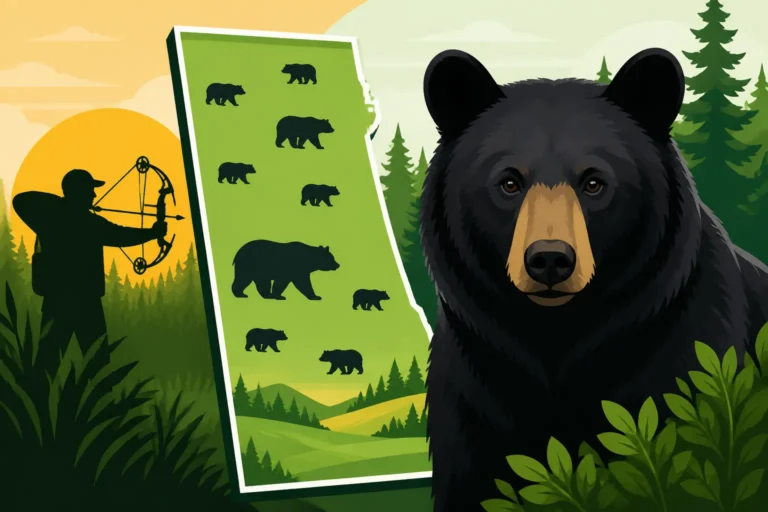
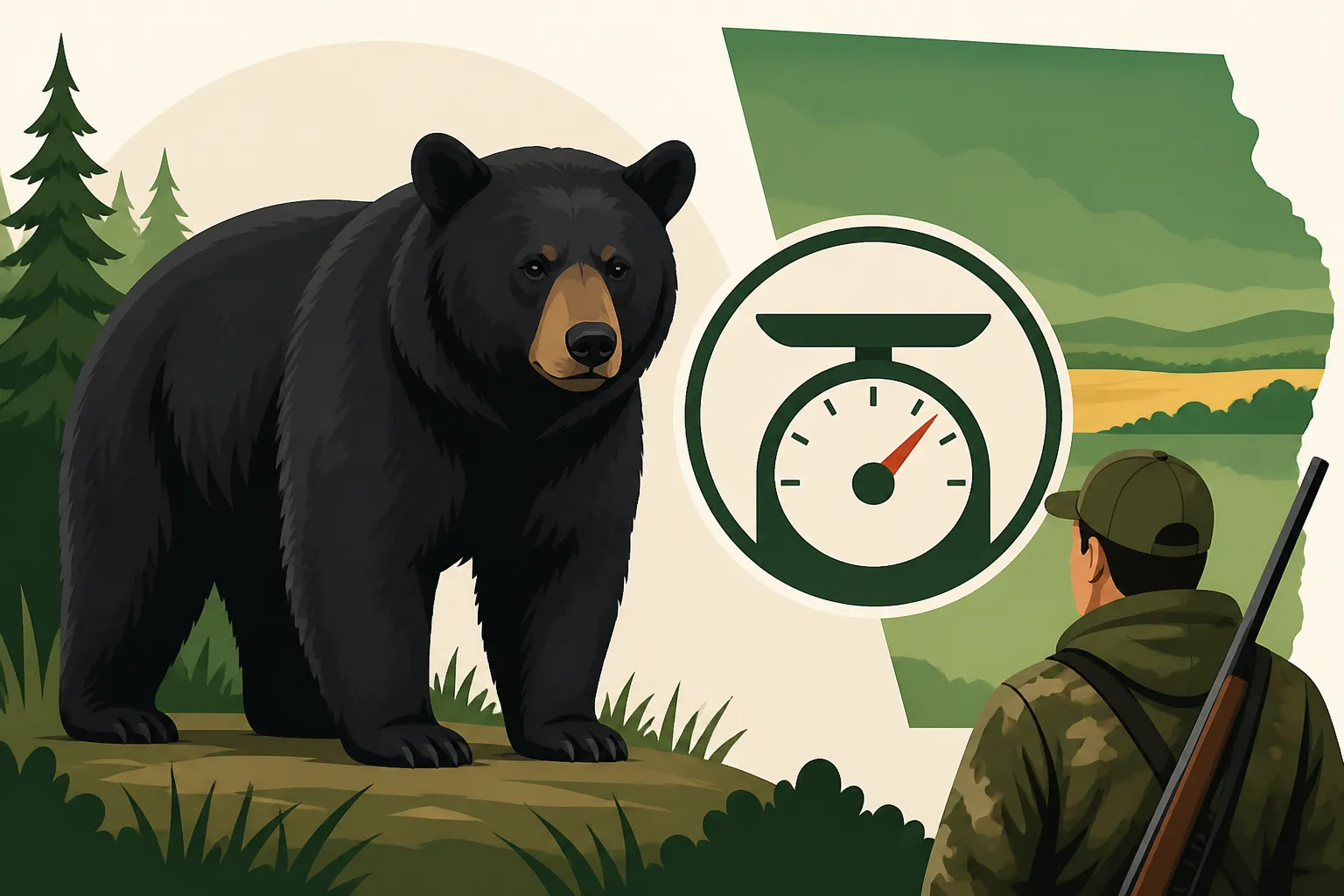
Let's cut right to it: northern black bears in Saskatchewan can be truly massive animals. While many folks envision a black bear as a medium-sized forest dweller, our northern bruins defy that stereotype, often growing to weights that would shock hunters from other regions. It's not uncommon for a mature boar in prime habitat to tip the scales well over the 300-pound mark, with some exceptional individuals pushing into the 400s and even beyond. Sows, while generally smaller than boars, can also reach formidable weights, especially older, solitary females with access to abundant food.
Think about that for a moment: 300 pounds of muscle, fat, and bone is a substantial animal. This isn't just a casual stroll in the woods; it's a serious recovery effort. Understanding this scale from the outset helps you prepare mentally and physically for the challenge and respect the power of these incredible creatures. Many hunters underestimate just how robust these bears are until they're standing next to a mature Saskatchewan boar.
Average Weight Ranges for Mature Boars and Sows
To give you a clearer picture, let's talk averages, knowing full well that averages can be misleading when you're talking about individual animals in the wild. A mature black bear boar in northern Saskatchewan, typically over 5-6 years old, will often range from 250 to 350 pounds. The truly exceptional boars, those older, dominant animals that have had years to gorge on our abundant forest foods, are the ones that climb into the 400-pound class. These are the bears that make your knees wobble when you see them.
Mature sows, on the other hand, tend to be smaller. A healthy, mature sow might weigh anywhere from 150 to 250 pounds. However, a large, older sow, particularly one without cubs who has been able to pack on extra weight, can certainly exceed 250 pounds, sometimes even reaching into the low 300s. It’s a common mistake for hunters, especially those new to bear hunting, to misjudge a large sow for a smaller boar, purely based on overall body size. Learning to Judging a Boar From a Sow With Cubs can be critical not only for ethical hunting but for managing your expectations on size.
Seasonal Weight Fluctuations: Spring vs. Fall Bears
The time of year you're hunting also plays a colossal role in a bear's weight. When hunters talk about a "heavy" bear, they're often thinking of a fall bear, absolutely gorged on berries, nuts, and whatever else they can find to pack on the pounds for winter hibernation. A bear that weighed 250 pounds in the spring could easily weigh 350-400 pounds or more by late fall, having added layers of crucial fat.
- Spring Bears: Emerging from their dens after months of fasting, spring bears are at their leanest. While they still possess incredible muscle mass, their fat reserves are depleted. A 300-pound spring bear is a truly large animal, as that weight is almost entirely muscle and bone. They're on a mission to refuel, often drawn to lush green growth and protein sources like winter-killed animals or bait sites. Spring Bear Hunting Saskatchewan's Cutlines is often about catching these hungry bears as they start to move.
- Fall Bears: By late summer and fall, it's a completely different story. Bears are in hyperphagia, meaning they're eating almost constantly to build up fat for hibernation. They become incredibly heavy, dense animals. This is when the real weight gains happen, adding anywhere from 50 to 150 pounds or more of pure fat onto their frames. This added weight makes them much harder to move and field dress, but also yields a far greater quantity of delicious, fat-marbled meat.
Understanding these seasonal differences is key. If you're chasing a truly massive, record-book-contending animal in terms of sheer weight, a late fall hunt will generally present opportunities for heavier bears. However, a lean, muscular spring bear can be just as impressive for its raw power and survival prowess.
Key Factors That Influence a Black Bear's Weight
It's not just a matter of "Saskatchewan bears are big." There are several interconnected factors that contribute to why some bears grow larger than others, and understanding these can help hunters anticipate what they might encounter in different parts of the province.
Age and Genetics: The Foundation of Growth
Just like humans, bears have a genetic blueprint that dictates their maximum potential size. Some bears are simply predisposed to be larger than others. However, genetics alone aren't enough; they need time and resources to reach that potential. Age is arguably the most significant factor in a bear's weight. Bears continue to grow, albeit at a slower rate, throughout their lives, often reaching their peak size and weight between 8 and 12 years old. A 3-year-old bear might be a healthy 150 pounds, but an 8-year-old boar could easily be twice that.
It's important to differentiate between physical maturity and chronological age. A bear might be 5 years old, but if it has struggled with food scarcity or injuries, it may not have reached its full growth potential. Conversely, a 5-year-old bear in an area with abundant resources might already be very large. When you see a truly huge bear, you're almost certainly looking at an older animal, one that has successfully navigated many seasons and outsmarted many hunters. These older bears often hold valuable genetic traits, contributing to Why Saskatchewan Grows Big Colour Phase Bears in our region.
Habitat and Food Abundance: Fueling the Growth
Saskatchewan's northern boreal forest and its productive forest fringe areas offer an incredible smorgasbord for black bears. This rich habitat is a primary reason our bears grow so large. Bears are omnivores, and they thrive when there's a consistent supply of varied food sources.
- Berries and Nuts: Late summer and fall are critical periods. Abundant crops of saskatoon berries, blueberries, cranberries, pin cherries, and hazelnuts provide an energy-dense diet that allows bears to rapidly put on fat. A strong berry crop year means heavier bears.
- Vegetation: In spring and early summer, bears rely on tender green shoots, grasses, and roots. They'll also seek out protein from winter-killed deer or moose, carrion, and insects.
- Agricultural Influence: While northern bears are typically forest dwellers, the forest fringe areas that border agricultural land can provide additional food sources. Bears will readily raid oat, barley, or canola fields, especially if they're near forest cover. This access to high-calorie crops can contribute significantly to rapid weight gain. Using tools like GoHunt can help you scout areas known for denser forage or excellent denning sites, increasing your chances of encountering well-fed animals.
- Fish and Other Protein: In certain areas, bears will also opportunistically fish, or prey on small mammals. A varied diet, high in both carbohydrates and protein, is what allows for optimal growth and weight accumulation. What Bears Eat in a Boreal Spring really dictates how quickly they can recover from hibernation.
Areas with consistent, abundant food sources year after year will naturally produce larger, healthier, and heavier bears. This is why certain regions within Saskatchewan develop reputations for big bears; it's often a direct reflection of the underlying habitat quality.
Geographic Location: Northern Wilderness vs. Forest Fringe
While the title focuses on "northern" black bears, there are subtle differences even within Saskatchewan's vast landscape. Generally, bears in the far northern boreal forest, where human interaction is minimal and natural food sources are plentiful and undisturbed, tend to reach impressive sizes. These are often the true wilderness bears, living long, unpressured lives.
However, the forest fringe regions, where the boreal forest transitions into the aspen parkland and agricultural lands, can also produce exceptionally large bears. Here, bears benefit from the natural abundance of the forest combined with opportunistic feeding on high-calorie agricultural crops. This blend of environments provides a unique advantage for growth. Areas with consistent baiting efforts, legally managed by outfitters or resident hunters, can also contribute to bears reaching heavier weights by providing a reliable, high-calorie food source, especially in the leaner parts of the season. Setting a Bear Bait Site in Saskatchewan requires careful planning and consistent replenishment.
Practical Considerations for Hunting and Handling a Heavy Bear
Knowing that northern black bears can be truly massive animals isn't just for conversation; it has real, tangible implications for how you plan and execute your hunt. Ignoring these realities can lead to a difficult, even dangerous, situation.
Recovery and Extraction: A Team Effort
A 300-pound bear, let alone a 400-pounder, is not something you can easily drag out of the bush on your own, especially if it drops in thick cover or far from a trail. This necessitates careful planning:
- Hunting Partners: Always consider hunting with a partner or group. Even if you're hunting solo, ensure someone knows exactly where you are and when you expect to return. They should be on standby to assist with recovery.
- Recovery Tools: Invest in a good game cart, a sled (for snowy conditions), or at least sturdy ropes. Quads or side-by-sides are invaluable if you can get them to the recovery site. Before you even head out, mapping tools and scouting resources like those found on GoHunt can offer invaluable insights into potential bear habitat and food sources, helping you anticipate potential recovery challenges.
- Field Dressing Location: If possible, try to position yourself for a shot that allows the bear to expire in a relatively accessible spot. This isn't always possible, of course, but it's something to keep in mind. Getting a bear out of a muskeg or a deep ravine is a monumental task.
Field Dressing and Meat Care: Thinking Ahead
The sheer volume of meat and fat on a large northern black bear requires proper field dressing to ensure good meat quality, especially in warmer spring temperatures.
- Speed is Key: The faster you can get the hide off and the internal organs out, the quicker the carcass can cool. This is crucial for preventing spoilage, particularly when Meat Care in Saskatchewan's Cold Snaps is not a concern. In warmer weather, this step is paramount.
- Sharp Knives: Bring multiple sharp knives and a sharpening tool. You'll be doing a lot of cutting, and a dull knife is a dangerous knife.
- Cooling: Once field dressed, elevating the carcass off the ground and allowing air circulation is vital. If temperatures are warm, you might need to quarter the bear on site to get the meat into game bags and cooled more rapidly.
- Packing Out: If quartering, ensure you have robust game bags. Each quarter of a large bear can be incredibly heavy, easily 50-70 pounds or more for a hindquarter. Plan how you'll distribute the weight among your hunting party.
Judging Size and Trophy Potential: Experience Matters
Estimating a black bear's weight in the field is notoriously difficult, especially for inexperienced hunters. What looks like a giant could be a smaller bear with an impressive coat, and what looks like an average bear might be a truly enormous one in a compact frame.
- Body Shape: Look for a blocky, mature build, broad shoulders, a sagging belly, and short, thick legs. A large head in proportion to its body can also indicate a younger bear, whereas a smaller-looking head on a large body often points to an older, more mature animal.
- Ear Size: Smaller ears in relation to the head size often suggest an older bear.
- Behavior: Older boars tend to be more solitary and move with a deliberate, confident gait. They often command respect from younger bears at a bait site.
- Comparing to Known Objects: If you're baiting, place a familiar object (like a five-gallon pail or a piece of plywood) near the bait to use as a reference point for judging size against the bear. For those looking to target a truly mature bear, understanding typical growth patterns and using scouting platforms like GoHunt to identify prime habitats is key. Don't be afraid to pass on a bear if you're not sure of its size and maturity, especially if you're hoping for a true trophy.
Knowing the potential size of a northern black bear in Saskatchewan truly shapes the hunting experience. From the moment you pull the trigger to the satisfaction of packing out prime wild game meat, it's a journey that demands respect for the animal and thorough preparation on your part. Saskatchewan consistently produces some of the continent's largest black bears, a testament to its rich habitat and effective wildlife management.
| Age/Sex Class | Typical Spring Weight Range (lbs) | Typical Fall Weight Range (lbs) | Notes |
|---|---|---|---|
| Yearling | 50-80 | 80-120 | Still with sow or recently dispersed, rapid growth |
| Sub-adult Sow | 100-150 | 150-200 | Growing, may have first litter late in this stage |
| Sub-adult Boar | 120-200 | 200-250 | Reaching sexual maturity, still growing significantly |
| Mature Sow | 150-250 | 250-300+ | Peak reproductive years, weight fluctuates with cubs |
| Mature Boar | 250-350 | 350-450+ | Dominant, seeking breeding opportunities, maximum weight potential |
Disclaimer
This article is for general informational purposes only and does not constitute professional advice. Laws, prices and regulations vary by location and change over time. Consult a qualified professional for guidance on your specific situation.