Timing a Saskatchewan Spring Bear Hunt
The arrival of spring in Saskatchewan brings a unique kind of anticipation for many hunters: the chance to pursue black bears. It's not just about getting out into the woods after a long winter; it's about hitting that sweet spot when bears are most active, responsive to bait, and daylight hours are long. Figuring out when exactly that ideal window opens, however, can feel like trying to predict the exact moment the ice breaks on your favorite fishing lake – there are so many variables. This guide will walk you through the nuances of timing a Saskatchewan spring bear hunt, offering insights to maximize your success.
Understanding Saskatchewan's Spring Bear Season Window
Saskatchewan's spring bear season is a highly anticipated event, drawing hunters from across the province and beyond. Unlike fall hunts, spring offers a unique set of circumstances that directly influence when and where bears are most accessible and active. Pinpointing the ideal time requires a good understanding of bear biology, environmental cues, and regulatory frameworks.
Bear Biology and Emergence from Winter Dens
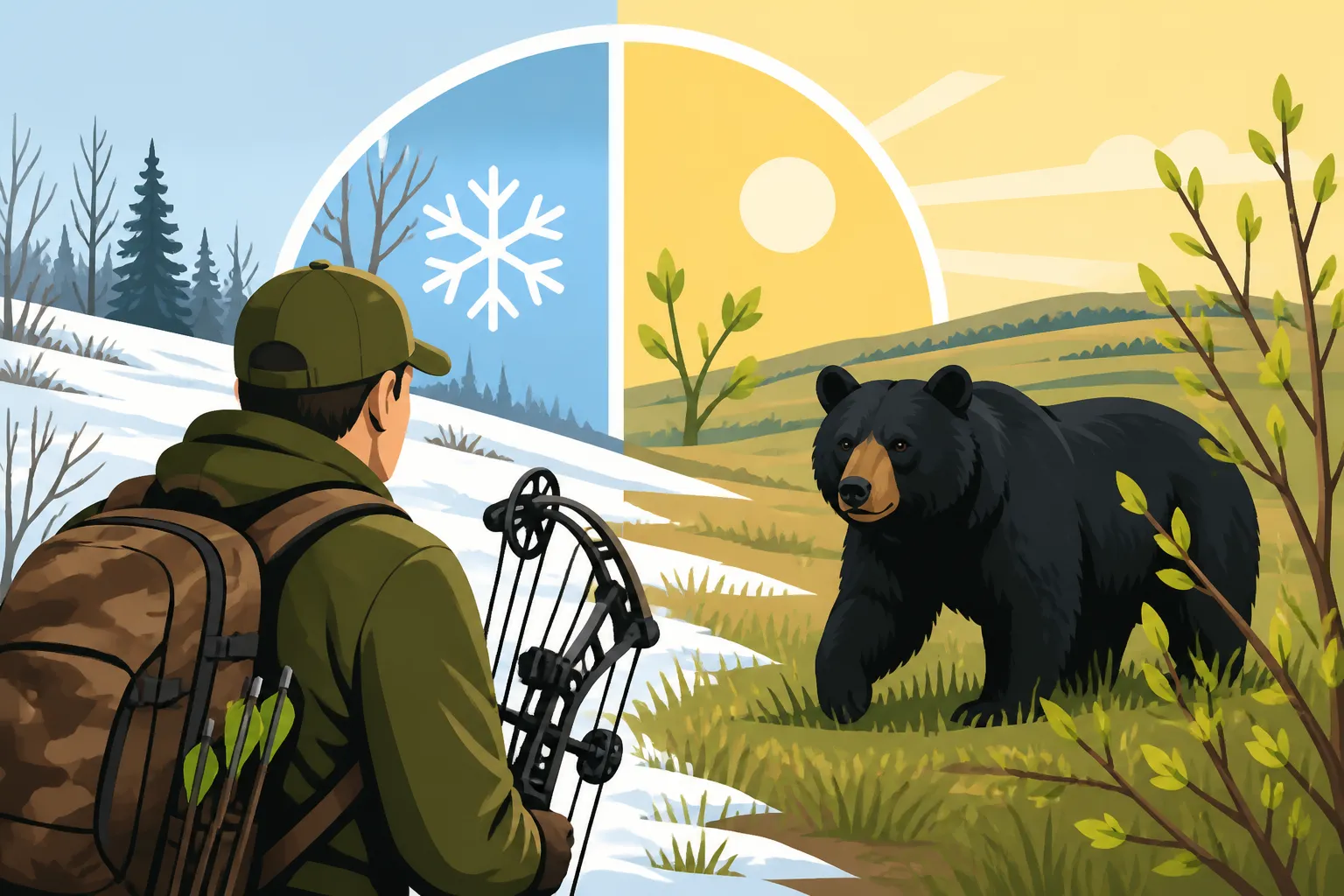
Black bears are creatures of habit, largely governed by the rhythms of nature. After months of hibernation, they emerge from their dens when the conditions are just right. This isn't a single, synchronized event across the province; it's a gradual process influenced heavily by latitude and elevation, though Saskatchewan is relatively flat. Generally, bears in the southern portions of the forest fringe will emerge a bit earlier than those deep in the northern boreal forest. Think about the snow melt and the first signs of green-up; these are the natural alarm clocks for bears. A late, heavy snowfall or a prolonged cold snap can delay emergence by a week or two, pushing back the prime hunting window.
When they first wake up, bears are typically groggy and focused on basic needs: rehydration and cleansing their systems. Their initial movements are often close to the den site, and they might spend days simply getting their bodies back into gear. As they shake off the lethargy of winter, their metabolism kicks into high gear, and hunger becomes their driving force. This transition from den-bound to actively foraging is the critical period for hunters to understand, as it dictates when they'll start hitting bait sites or moving more broadly through their territory. For more specific dates, you'll want to review the official Spring Bear Season Dates and Zones for your intended hunting area.
The "Green-Up" Effect and Natural Food Sources
The "green-up" – the emergence of fresh vegetation like grasses, dandelions, and tender shoots – is a vital cue for both bears and hunters. These early greens are crucial for bears as they offer easily digestible nutrients to kickstart their systems. As the spring progresses, other natural food sources become available. Berries and nuts from the previous fall might still be around in some areas, and new growth in clearings and along logging roads provides additional forage. This natural food availability directly impacts how hungry bears are and, consequently, how readily they’ll come to a bait site.
Early in the spring, when natural food is scarce, bears are often more eager to find any reliable food source, making bait sites particularly effective. However, as the green-up advances and more natural forage becomes abundant, bait sites can see reduced activity, especially if your bait isn't highly appealing. This is a critical consideration for hunters: timing your hunt to coincide with that initial post-denning hunger, before the landscape is flush with natural goodies. If you're a non-resident hunter, booking your trip through an outfitter like those listed on GoHunt will give you an edge, as they are constantly monitoring these natural cycles and adjusting baiting strategies accordingly.
Official Season Dates and Their Meaning
Saskatchewan's spring black bear season typically runs from early May through to the end of June, but these dates can vary by Wildlife Management Zone (WMZ). It's absolutely crucial to consult the current Saskatchewan Hunters' and Trappers' Guide for the precise dates in your target zone. While the season might open in early May, this doesn't automatically mean it's the best time to hunt. Often, the very first week or two can be a bit slow, especially in the northern zones, as many bears are still emerging or simply moving slowly as they adapt.
These official dates establish the legal framework, but the optimal hunting period often falls within a narrower window. For many hunters targeting baited bears, the sweet spot often begins a couple of weeks after the official opener, giving bears time to fully emerge and start consistently visiting bait sites. Remember that these dates are province-wide guidelines, and local conditions—like a late spring in a specific area—can significantly influence bear activity, regardless of what the calendar says. Outfitters, often found via resources like GoHunt, will have the most up-to-date local intelligence on when their specific area truly "turns on."
Factors That Dictate Optimal Timing for Spring Bear
Successfully timing a spring bear hunt involves more than just knowing when the season technically starts. It's about understanding the dynamic interplay of weather, food availability, and even human pressure, all of which influence bear behavior and your chances of success.
Weather's Influence on Bear Activity
The weather in Saskatchewan during spring is notoriously fickle, and it plays a huge role in bear activity. Warm, sunny days after a cold snap can really kickstart bear movement, sending them out of thick cover to bask and forage. Conversely, a sudden cold front or a persistent rain can make bears hunker down, leading to very slow days at the bait site. Think about how you feel on a dreary, wet day versus a bright, sunny one; bears aren't all that different.
Specifically, bears tend to be more active during periods of stable, moderate temperatures. Extreme heat can make them more nocturnal, while severe cold might send them back into a semi-dormant state. Light rain or drizzle can sometimes increase activity as it mutes human scent and noise, but heavy downpours usually put them down. Wind is another major factor; while it can help carry scent from your bait, high winds often make bears wary and reduce their overall movement. Monitoring the long-range forecast for your hunting week is a smart move, as it can help you adjust your expectations and even your hunting hours.
Baiting Strategies and Natural Food Competition
The effectiveness of your bait site is directly tied to the availability of natural food sources. As mentioned earlier, early spring, before the landscape explodes with green, is often when bears are most reliant on easy calories. This makes your bait site a five-star restaurant in a barren desert. However, as the season progresses and things like saskatoon berries, chokecherries, and various plant shoots become abundant, your bait might face stiff competition.
To combat this, your bait needs to be irresistible. This often means using high-calorie, pungent baits that stand out from natural forage. Things like sweet pastries, molasses, and oily meat scraps are common choices. Consistency is also key: a regularly replenished bait site builds trust with bears. If you are Setting a Bear Bait Site in Saskatchewan, remember that established bait lines often see better activity throughout the season because bears learn to depend on them. Outfitters that rely on baiting, like many found on GoHunt, spend weeks, sometimes months, conditioning bears to their sites before hunters even arrive, understanding that a well-maintained bait is crucial to success against the backdrop of changing natural food cycles.
Considering Hunter Pressure and Bear Movement
It's a fact of hunting life: where hunters go, game animals often become warier. Saskatchewan's spring bear season can see concentrated hunter pressure, particularly in easily accessible areas or those known for big bears. Early in the season, bears might be less sensitive to human presence, especially if they haven't encountered many people since emerging from their dens. However, as the season progresses, and more hunters are in the woods, bears become more nocturnal or start using thicker cover during daylight hours.
If you're hunting public land or areas with multiple outfitters nearby, consider that other hunters' activities could impact your success. An early rush of hunters might push bears into new areas or make them shy away from established travel routes. This is another reason why mid-season, after the initial wave of hunters has passed, can sometimes be surprisingly productive, as bears might settle back into more predictable patterns. Conversely, if you're hunting an area with limited pressure, like some remote spots found while Hunting Saskatchewan's Boreal North, bears might remain more relaxed throughout the season. Understanding the Rules on Baiting Big Game is crucial, as improper baiting can not only be illegal but also negatively impact bear patterns for everyone.
Regional Differences and Planning Your Hunt
Saskatchewan is a vast province, and what holds true for bear hunting in the southern forest fringe might be quite different from the deep boreal north. Recognizing these regional nuances is key to timing your hunt effectively and making informed decisions.
Northern Boreal vs. Forest Fringe Timing
Saskatchewan's black bear population is largely concentrated in the forested regions, which can broadly be divided into the forest fringe (the transition zone between prairie and forest) and the true boreal forest further north. Each offers a distinct hunting experience and, crucially, different timing considerations.
In the southern forest fringe, often overlapping with agricultural lands, bears tend to emerge earlier due to warmer temperatures and earlier snowmelt. This means the prime hunting window here might open a bit sooner, perhaps in mid-May. Bears in these areas also have access to diverse food sources, including agricultural crops later in the spring, though early season they're still focusing on natural browse. The proximity to human activity can sometimes make these bears warier, but they often grow to impressive sizes due to abundant calories.
Further north, in the vast boreal forest, spring arrives later. Snow can persist well into May, delaying bear emergence. The optimal hunting window here might shift to late May or early June. Bears in the deep boreal might be less accustomed to human presence, potentially making them less wary at bait sites, but they also have immense tracts of wilderness to roam, making consistency at a bait site paramount. When considering Black Bear Hunting in Saskatchewan, knowing the specific characteristics of the zone you're interested in is vital for success. These northern areas are also where you're more likely to encounter Colour Phase Black Bears in Saskatchewan, adding another exciting dimension to the hunt.
Utilizing Scouting Tools and Local Knowledge
Modern hunting isn't just about boots on the ground; it's also about smart scouting. Tools like satellite imagery and digital mapping platforms are invaluable for identifying potential bear habitat, travel corridors, and suitable bait site locations before you even set foot in the woods. Look for areas with dense cover, water sources, and natural clearings where early green-up might occur. Companies like GoHunt provide mapping services that allow you to layer different geographical features, which can be immensely helpful in pre-planning your hunt.
However, nothing beats local knowledge. If you're hunting with an outfitter, their extensive experience in a specific area will be your greatest asset. They'll know the historic denning areas, common travel routes, and when specific natural food sources become available. If you're a resident hunter, talking to other experienced hunters, checking local forums, and even asking farmers or trappers in the area can provide invaluable real-time information about bear activity and emergence. Remember, conditions can change rapidly, and what worked last year might need tweaking this season.
Key Timing Indicators for a Successful Spring Bear Hunt
To help you visualize the various factors that influence optimal timing, here's a quick checklist of indicators to consider when planning your spring bear hunt in Saskatchewan:
| Timing Factor | Early Spring (May 1-15) | Mid-Spring (May 15 – June 10) | Late Spring (June 10-30) |
|---|---|---|---|
| Bear Emergence | Just emerging, sporadic activity, rehydrating. | Fully emerged, active, seeking food. | Active, but potentially warier. |
| Natural Food Sources | Very scarce, early green shoots. | Increasing green-up, some berries appearing. | Abundant, diverse forage (berries, crops). |
| Bait Site Effectiveness | High, bears eager for calories. | Good, if bait is competitive and consistent. | Lower, high competition from natural food. |
| Weather | Variable, potential for cold snaps. | More stable, warmer days, some rain. | Warm to hot, potential for heat-induced nocturnality. |
| Hunter Pressure | High initial rush, then tapers. | Moderate, consistent. | Lower, often experienced hunters. |
| Trophy Potential | Good, bears haven't lost much weight. | Excellent, bears active and on feed. | Good, but bears might be slightly harder to find consistently. |
This table provides a general guide, but remember that mother nature doesn't always read the calendar. Flexibility and continuous monitoring of conditions are essential.
Maximizing Your Chances: Flexibility and Preparation
Even with the best planning, a Saskatchewan spring bear hunt can throw curveballs. Success often hinges on your ability to adapt, your thorough preparation, and a commitment to ethical hunting practices.
Being Adaptable to Conditions
The biggest lesson any seasoned Saskatchewan hunter learns is flexibility. A perfect plan on paper can quickly be undone by an unexpected late snowfall, a sudden heatwave, or a prolonged period of heavy rain. If you've booked a week-long hunt, don't be discouraged if the first couple of days are slow due to adverse weather. Bears don't "not exist" just because it's raining; they're simply hunkered down. They'll move when conditions improve.
This might mean adjusting your hunting hours, focusing on times right after a weather front passes, or even changing your primary bait site if one isn't producing. Outfitters, like those who partner with GoHunt, often have multiple bait sites to choose from, allowing them to shift strategy based on which areas are showing the most promise at any given moment. Having the right gear for changing weather, from warm layers for cool mornings to rain gear for unexpected showers, is also part of being adaptable and staying comfortable in the field. Remember, sometimes the toughest weather produces the best results for those willing to stick it out.
Importance of Consistent Baiting and Patience
Whether you're hunting independently or with an outfitter, consistent baiting is the backbone of a successful spring bear hunt. Bears are creatures of habit, and they will consistently visit a reliable food source. If your bait goes cold, even for a day or two, bears may move on to other areas or discover other natural food. This is why many outfitters start baiting weeks, or even months, before the season officially opens, ensuring a consistent food source that draws bears from a wide area.
Once you're in the stand or blind, patience is your greatest ally. Bear hunting is often a waiting game. Bears can appear at any time of day, but often favor late afternoon and evening hours, especially as the season progresses and days get warmer. Sitting quietly, minimizing movement, and being scent-conscious are all crucial. Don't check your phone every five minutes; immerse yourself in the environment. The reward of a big black bear emerging from the bush is often directly proportional to the amount of patience you've demonstrated. For specific strategies on drawing them in, refer to resources on Baiting Black Bear in Saskatchewan.
Safety and Ethical Considerations
Beyond the timing and tactics, remember that safety and ethical hunting practices are paramount. Spring bear country is often rugged, and conditions can be challenging. Always inform someone of your hunting plans, carry appropriate safety gear (including bear spray, a first-aid kit, and navigation tools), and be aware of your surroundings. Understand bear behavior and how to react to different encounters.
Ethical hunting also means knowing your shot limitations, ensuring a clean kill, and taking proper care of the meat. In Saskatchewan, there are specific rules around Meat Care in Saskatchewan's Cold Snaps, although spring generally presents more moderate temperatures. Always positively identify your target and be certain it's a legal animal before taking a shot. Spring is a time when sows often have cubs, and shooting a sow with cubs is strictly prohibited and utterly unethical. Taking the time to observe and judge your bear is not only responsible but can also lead to a more memorable and fulfilling hunting experience.
Disclaimer
Please note that hunting regulations, season dates, and specific requirements can change annually. It is the responsibility of every hunter to consult the most current Saskatchewan Hunters' and Trappers' Guide published by the Saskatchewan Ministry of Environment before heading afield. This guide provides general information and should not be considered a substitute for official regulatory documents.