What a Bull Elk Weighs in Saskatchewan
There’s nothing quite like the sight of a bull elk in Saskatchewan, whether it’s a regal monarch bugling across a September morning or a shadowy form slipping through the trees. These magnificent animals capture our imaginations, and as hunters, one of the most practical questions that often comes to mind once we've spotted a potential target is: "Just how much does that big boy weigh?" It's not just about bragging rights; knowing the approximate weight of a bull elk is crucial for everything from planning your recovery strategy to understanding the sheer volume of delicious meat you'll be putting in your freezer. This guide will walk you through the typical weights of Saskatchewan bull elk, what factors make them so variable, and what this means for you in the field.
Understanding Bull Elk Weights in Saskatchewan
Saskatchewan is home to some truly impressive elk herds, ranging from the boreal forest to the parkland and even into some agricultural areas. This diverse habitat, coupled with good genetics, can produce some very heavy bulls. However, there's a big difference between a young spike bull and a mature, record-class animal, and even more variation between live weight and the dressed weight you'll be packing out.
Live Weight Versus Dressed Weight
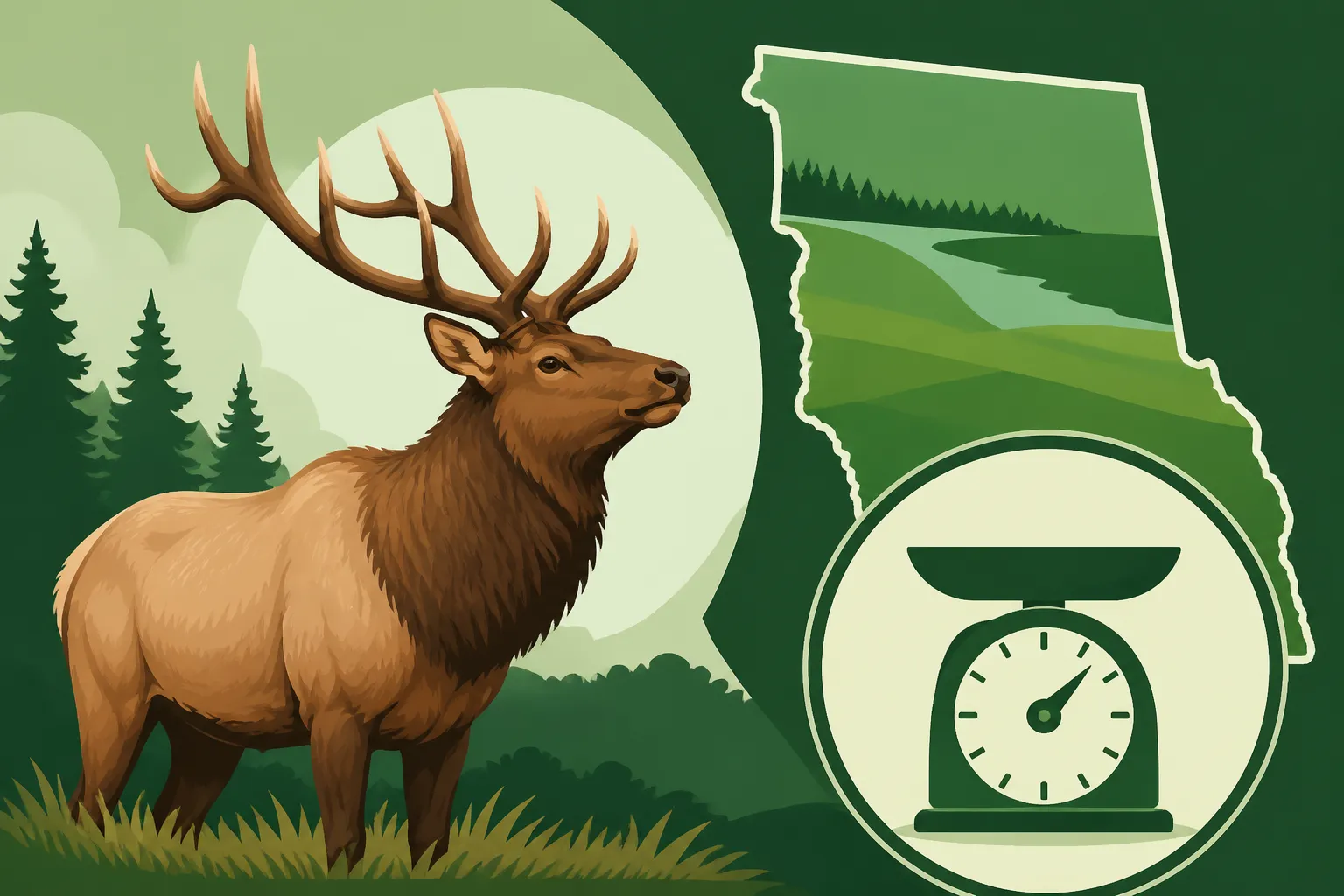
When hunters talk about an animal's weight, it's often a point of confusion. The "live weight" is exactly what it sounds like – the full weight of the animal as it stands. This includes all its internal organs, blood, hide, and head. For a mature Saskatchewan bull elk, this can be an astounding figure, often ranging from 700 to 1,000 pounds, with exceptional bulls pushing even higher. Imagine that much muscle and bone moving through the landscape!
"Dressed weight" is what you're left with after the animal has been field dressed. This means the internal organs have been removed. Some definitions of "dressed weight" might also include the removal of the head and hide, but typically in the field, it refers to gutting the animal. This is the weight that hunters are often most concerned with when it comes to transportation and meat yield. A good rule of thumb is that dressed weight will be roughly 65-70% of the live weight. So, a 900-pound live weight bull might yield a dressed carcass weighing in the range of 585 to 630 pounds. That's still a monumental amount of weight to manage, even after the initial field dressing.
Average Weights by Age Class
Elk weight, like with any big game animal, is heavily dependent on the animal's age. A young bull simply hasn't had the years to pack on the muscle and fat that an older, more dominant bull has. When you're glassing an animal or considering your shot, understanding these general age-to-weight relationships can be incredibly helpful.
Spike bulls, typically 1.5 years old, are the youngsters of the herd. They are still growing rapidly and will be the lightest, often weighing between 400 and 550 pounds live. Their dressed weight might be around 260-350 pounds. They offer excellent, tender meat and are a great option for hunters focused on venison.
Raghorn bulls, usually 2.5 to 4.5 years old, are in their prime growth phase for antler development and body mass. These bulls might weigh anywhere from 600 to 800 pounds live, with dressed weights falling into the 390-560 pound range. They are a significant animal, requiring careful planning for recovery.
Mature bulls, generally 5.5 years old and older, are the giants of the elk world. These are the animals that push the upper limits of weight, potentially reaching 800 to over 1,000 pounds live. Their dressed weights can easily exceed 500 pounds and climb toward 700 pounds or more for truly exceptional specimens. These are the animals that demand a serious game plan the moment they hit the ground, and for good reason—they’re a huge undertaking to process and transport. Many experienced hunters will tell you that it's this class of animal that makes you truly appreciate a good hunting partner or a well-equipped quad.
Here’s a rough guide to help visualize the difference:
| Elk Age Class | Live Weight (Approx.) | Dressed Weight (Approx.) | Meat Yield (Quarters, Halves) |
|---|---|---|---|
| Spike Bull | 400 – 550 lbs | 260 – 350 lbs | Manageable by 1-2 people |
| Raghorn Bull | 600 – 800 lbs | 390 – 560 lbs | Requires 2-3 people or mechanical aid |
| Mature Bull | 800 – 1000+ lbs | 520 – 700+ lbs | Demands multiple people, heavy equipment, or quartering |
Key Factors Influencing Elk Size
Saskatchewan's landscape is a patchwork of diverse ecosystems, and these environments play a massive role in how big its elk can get. It's not just about age; a myriad of environmental factors and the inherent biology of the animal contribute to its overall mass. Understanding these influences can help you appreciate the variables at play when you're out Elk Hunting in Saskatchewan.
Diet and Habitat Quality
Just like humans, what an elk eats directly impacts its growth and overall health. Saskatchewan offers a range of habitats, each with its own nutritional profile. In the forest fringe and boreal regions, elk will browse on a variety of woody plants, forbs, and grasses. While this provides good nutrition, it's often the elk that inhabit areas adjacent to agriculture that truly thrive and pack on the pounds.
When elk have access to rich agricultural crops like peas, lentils, or cereal grains, their diet becomes incredibly calorie-dense and protein-rich. These "farmland" elk, often found in regions where they interact with human agricultural activities, can grow exceptionally large. They have a consistent, high-energy food source that allows them to put on significant body mass and develop impressive antlers. This is a common sight when Hunting Elk on Saskatchewan Grain Land. Hunters often report seeing larger body sizes in these transition zones compared to elk found deep within more remote forest areas where browse might be less nutritious.
Age and Genetics
We've already touched on age, but it's worth reiterating: older bulls are almost invariably heavier bulls. Elk, particularly bulls, continue to grow in body size for several years, often reaching their peak body mass around 7 to 9 years old, though antler growth can sometimes peak earlier or later depending on the individual. A bull that has managed to survive multiple hunting seasons and avoid predators has had more time to consume resources and develop into a true heavyweight.
Genetics also play a subtle but undeniable role. Certain bloodlines within a herd might simply have the genetic predisposition to grow larger, both in body and antler size. While hunters can't directly influence genetics, understanding that some herds or specific regions might consistently produce bigger animals due to their genetic makeup is part of the overall picture. This is part of the reason why Saskatchewan's Elk Herds and Their Range varies, with some areas consistently producing bigger animals than others.
Seasonal Variations
Elk body weight isn't static throughout the year; it fluctuates with the seasons, heavily influenced by their reproductive cycle and food availability. Bulls typically reach their peak weight in late summer, just before the rut begins. They've spent the spring and summer gorging on lush vegetation, building up fat reserves to prepare for the arduous breeding season.
The rut, which typically occurs from late August through October, is incredibly taxing on bull elk. During this period, bulls are highly active, constantly bugling, chasing cows, and fighting off rival bulls. They eat very little, burning through their stored fat at an alarming rate. It's not uncommon for a bull to lose 15-25% of its body weight during the rut. So, a bull taken in late September or early October, during the peak of When the Elk Rut Peaks, might weigh considerably less than the same bull would have just a month prior. After the rut, bulls try to recover some of that lost weight before winter sets in, but severe winters can also lead to weight loss due to limited food and the energy expenditure of staying warm.
Practical Considerations for Saskatchewan Elk Hunters
Encountering a big bull elk in Saskatchewan is an experience you won't soon forget, and successfully harvesting one is a monumental achievement. However, the real work often begins after the shot. The sheer size of these animals means that hunters need to be well-prepared for the practical challenges of processing and extracting a massive amount of meat from the field.
Field Dressing and Meat Handling
When a bull elk hits the ground, especially a mature one, the first thing that becomes clear is its immense size. Field dressing needs to happen quickly to cool the carcass and preserve the meat, particularly if the weather is mild. Even after gutting, the animal is incredibly heavy. You're looking at hundreds of pounds of bone and muscle. Many seasoned elk hunters, and even resources like GoHunt, will tell you that a fully mature bull can present a real challenge from the moment it hits the ground.
You'll need sharp knives, a game bag to protect the meat from flies and debris, and a plan for how to move the animal if you can't get a vehicle directly to it. The quarters alone from a large bull can weigh 100-150 pounds each, easily. This is where the choice between bone-in quarters and boning out the meat in the field becomes critical, depending on your distance from the vehicle and the terrain. Protecting the meat from dirt, leaves, and insects is paramount, and having a good set of game bags is non-negotiable. If you're hunting during colder weather, be sure to read up on Meat Care in Saskatchewan's Cold Snaps to ensure your hard-earned venison is perfectly preserved.
Logistics of Game Retrieval
Getting a bull elk out of the field is arguably the biggest physical challenge of the hunt. Unlike smaller deer, even a field-dressed elk is too heavy for one or two people to drag any significant distance, especially through rough terrain or deep snow. This is where planning ahead truly pays off.
Many hunters rely on ATVs, UTVs (side-by-sides), or even horses to get a big bull out. If vehicle access is limited, you'll need to break the animal down into manageable pieces. This means quartering the animal – separating it into four main leg sections, often with the backstraps and tenderloins taken separately. For a truly massive bull, some hunters opt to bone out all the meat in the field, reducing weight even further and making it easier to carry on frames packs. A good frame pack can handle a lot of weight, but even then, multiple trips will likely be necessary. Consider the distance, the terrain, and the number of people in your hunting party before you even pull the trigger. Online mapping services, including those integrated into platforms like GoHunt, are invaluable for scouting these areas and planning your extraction route beforehand. Learning techniques for Getting a Moose Out With a Quad can provide excellent insights, as the challenge is very similar for a large elk.
When you're planning your elk hunt, perhaps using a tool like GoHunt to scout zones known for larger animals, always visualize the recovery process. Will you be deep in the bush, miles from the nearest road, or hunting a farm edge where vehicle access might be easier? Your preparation for getting the animal out should be as thorough as your hunting strategy for finding it. Understanding what a bull elk weighs is crucial, whether you're looking at past harvest data on platforms like GoHunt or just trying to visualize the task ahead. A quick search on GoHunt or a similar hunting resource might give you a better idea of typical weights in specific zones.
Disclaimer
This article is for general informational purposes only and does not constitute professional advice. Laws, prices and regulations vary by location and change over time. Consult a qualified professional for guidance on your specific situation.