How Winter Ticks Affect Northern Moose
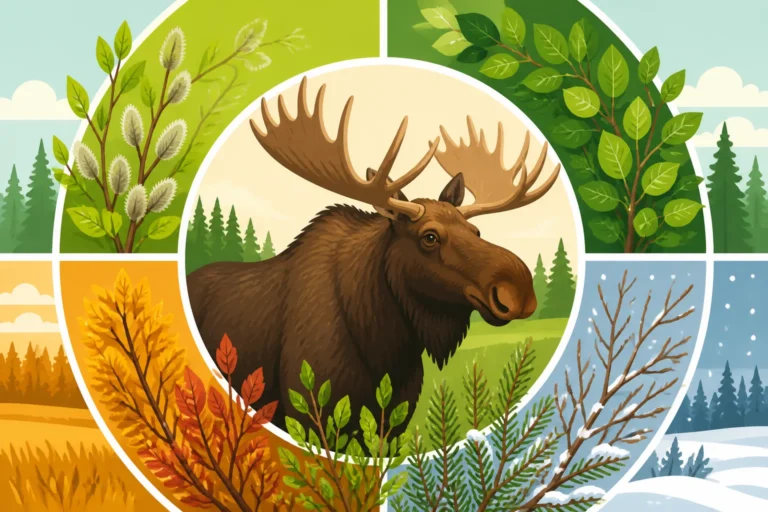
As hunters, we spend countless hours in the Saskatchewan bush, and we become acutely aware of the subtle shifts in the environment and the health of the wildlife we pursue. One concern that's been increasingly on the minds of those who pursue our majestic northern moose is the escalating problem of winter ticks. It's a frustrating situation because, unlike other challenges we face, this one feels largely out of our control, yet it has profound implications for the moose we cherish. This guide will dive deep into understanding these tiny but devastating parasites and their significant impact on northern moose populations, giving you a clearer picture of what's happening in the woods.
Understanding the Winter Tick Cycle and Its Grip on Moose
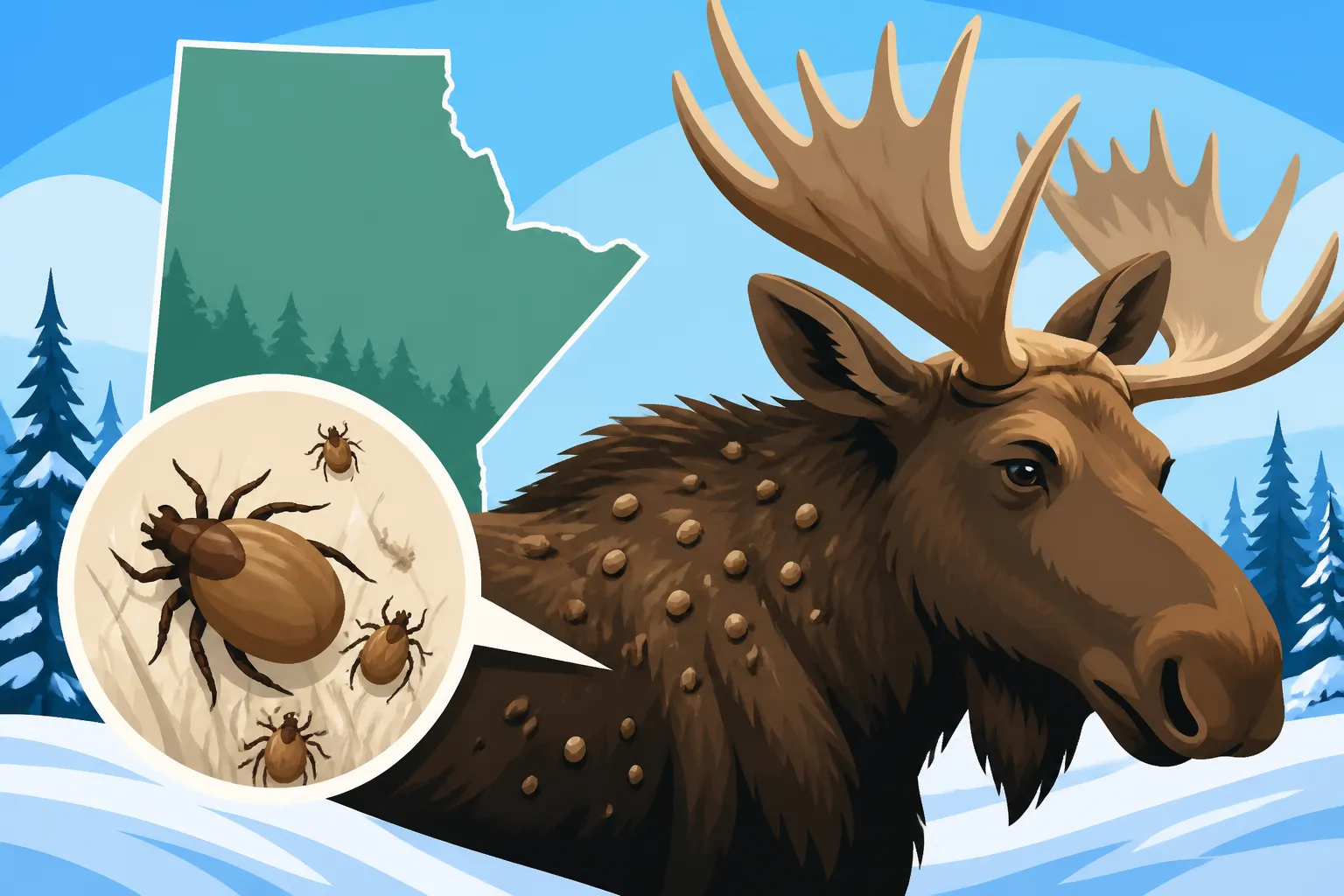
It's easy to dismiss ticks as a minor annoyance, but the winter tick (also known as the moose tick or Dermacentor albipictus) is a whole different beast. Unlike the deer ticks or wood ticks we're more familiar with that drop off and reattach, the winter tick has a unique, single-host life cycle that makes it particularly devastating for moose. It's not just a bite; it's a relentless, year-long siege that can drain a moose of its very life force.
The Relentless Single-Host Lifecycle
Imagine a tiny parasite that hitches a ride on a moose in the fall, usually around October or November, and then stays there, feeding and growing, through the entire winter until spring. That's the winter tick. They don't drop off and then find a new host; they spend their larval, nymph, and adult stages all on the same animal. This is crucial because it means a single moose can accumulate tens of thousands of these ticks. In late fall, larvae crawl up vegetation and wait, sometimes for weeks, for a host to brush by. Once they're on, they hold on for dear life. The sheer number of ticks on one animal is what makes this so detrimental. A small infestation might be manageable, but when a moose is carrying a tick load that numbers in the tens of thousands, it's akin to being slowly bled dry over several months.
How Climate Change Exacerbates the Problem
This tick problem isn't new, but its severity is escalating, and many experts point to climate change as a major contributing factor. Warmer autumns mean ticks have a longer window to find a host, increasing the initial infestation rates. More importantly, shorter, milder winters mean ticks survive longer on the moose. Typically, a harsh, cold winter with deep snow cover would naturally reduce tick populations, either by killing off unfed larvae or making it harder for moose to move and thus pick up as many. But with less severe winters, there's less natural control. The ticks thrive, reproduce, and in spring, drop off into a more hospitable environment, ready to infest the next generation of moose. This cycle creates a positive feedback loop, leading to ever-increasing tick burdens on our northern moose.
Recognizing the "Ghost Moose" and Other Signs of Infestation
One of the most heartbreaking visual indicators of a severe winter tick infestation is what hunters and researchers refer to as "ghost moose." It’s a stark, undeniable sign that something is terribly wrong, and once you’ve seen it, you don’t forget it. This isn't just about spotting a few ticks; it's about seeing the profound, systemic impact these parasites have on an animal.
The Haunting Appearance of "Ghost Moose"
The term "ghost moose" comes from the dramatic hair loss these animals suffer. Moose, when irritated by thousands of feeding ticks, will rub and scratch incessantly against trees, branches, or even their own legs to try and relieve the unbearable itch. This constant rubbing breaks off their coarse guard hairs, revealing the lighter undercoat, or even bare skin. From a distance, patches of white or light-colored fur give them a ghostly appearance against the darker, normal-colored hair. This hair loss isn't just cosmetic; it's a critical factor in their survival. Moose rely on their thick winter coat for insulation in the bitter northern cold. Losing large sections of it means they struggle to regulate their body temperature, expending valuable energy just to stay warm. This is especially problematic in late winter and early spring when temperatures can still plummet, and moose are already in a state of low energy after months of reduced foraging.
Behavioral and Physical Manifestations
Beyond the visible hair loss, tick-infested moose exhibit other tell-tale signs. You might notice them rubbing vigorously against trees, often stripping bark or leaving rubs higher than typical deer rubs. They may seem lethargic, moving slowly, or spending more time standing still rather than actively foraging. Their feeding patterns can change as well; instead of focusing on nutritious browse, they might spend more time trying to alleviate their discomfort. Physically, these moose often appear thin and emaciated, their ribs and hip bones pronounced. The constant blood loss from thousands of feeding ticks, combined with the energy drain from shivering to stay warm and the reduced foraging, takes a severe toll. Calves are particularly vulnerable to these impacts due to their smaller body mass and less developed immune systems. When you're Scouting a Saskatchewan Wildlife Management Zone in late winter or early spring, these are key indicators to watch for.
| Symptom / Observation | Healthy Moose | Tick-Affected Moose (Ghost Moose) |
|---|---|---|
| Coat Appearance | Dense, dark brown/black, uniform | Patchy, significant hair loss, light/white spots, bare skin |
| Grooming Behavior | Normal, occasional rubbing | Excessive, frantic rubbing against objects, self-grooming |
| Body Condition | Robust, rounded appearance, good fat reserves | Emaciated, ribs and hip bones prominent, gaunt |
| Activity Level | Active foraging, alert, strong movements | Lethargic, slow, more time standing, reduced foraging |
| Calf Survival | High in good years | Significantly reduced, high calf mortality |
| Energy Levels | High, able to handle cold and stress | Low, struggling to maintain body temperature, easily stressed |
The Broader Impact on Northern Moose Populations
The implications of severe winter tick infestations extend far beyond individual animal suffering; they pose a significant threat to the overall health and sustainability of Saskatchewan's northern moose populations. This isn't just an anecdotal observation; it's a measurable impact that influences everything from herd dynamics to future hunting opportunities.
Increased Mortality, Especially Among Calves
One of the most devastating effects of winter ticks is increased mortality, particularly among moose calves. Calves are smaller, have less body mass, and are simply less resilient to the combined stresses of blood loss, hair loss, and compromised immune systems. When a cow moose is heavily infested, she may not be able to provide enough milk, further weakening her calf. The sheer energy drain from fighting off ticks, staying warm, and dealing with anemia makes calves highly susceptible to other environmental stressors like severe weather, predation, and disease. Studies in other regions have shown calf mortality rates can soar in years with high tick burdens, sometimes reaching 70% or more. This directly impacts recruitment into the adult population, meaning fewer young moose are surviving to replace older animals, which is a major concern for the long-term viability of the herd. Knowing Saskatchewan's Moose Population Trend becomes even more critical with these pressures.
Altered Herd Dynamics and Health
Chronic tick infestations don't just kill moose; they weaken those that survive. Moose that endure a severe tick season are often in poorer condition coming into the next breeding cycle. Cows may have delayed pregnancies or give birth to smaller, weaker calves. Bulls, expending immense energy during the rut, might also be compromised. Over time, this can lead to a decline in overall herd health, reduced reproductive success, and a skewed age structure, with fewer younger animals moving into prime breeding age. Hunters might notice a decline in the number of healthy, mature animals or a shift in where they typically find moose. This situation highlights why understanding Moose in Saskatchewan's Farmland and Forest is vital, as pressures can vary by habitat. Tools like GoHunt can help track these patterns, offering insights into reported sightings and population data that might reflect these shifts.
Challenges for Wildlife Management and Hunting
For wildlife managers, winter ticks add another complex layer to an already challenging job. Monitoring tick burdens, understanding their regional variations, and implementing effective management strategies are incredibly difficult. There's no simple "cure" for wild moose. For hunters, this means adapting. You might find fewer moose in certain areas, or the average health of the moose you encounter may be lower. Being able to identify a healthy animal versus one severely impacted by ticks is crucial for ethical hunting. It might influence your decision to harvest a particular animal or encourage you to focus your efforts on areas where moose appear to be thriving. This isn't just about securing an animal; it's about being a responsible steward of the resource, ensuring future generations have the opportunity to hunt. This issue also underscores the importance of programs like Saskatchewan's CWD Testing Rules, as overall animal health is always a concern.
Mitigation, Research, and the Hunter's Role
While the winter tick problem can feel overwhelming, there are ongoing efforts to understand and potentially mitigate its effects, and hunters play a crucial role in these processes. This isn't a battle we can win overnight, but through collective effort and vigilance, we can help support our northern moose populations.
Current Research and Management Strategies
Researchers in Saskatchewan and across North America are actively studying winter ticks and their impact on moose. This includes tracking tick prevalence, monitoring moose health through aerial surveys and carcass examination, and analyzing environmental factors that contribute to infestations. The focus is on understanding the dynamics of tick populations, how they interact with moose physiology, and what landscape-level changes might offer some relief. For instance, selective forestry practices that create diverse habitat and promote certain browse species might indirectly benefit moose by altering their movements and reducing tick exposure. While direct treatment of wild moose isn't feasible, understanding these complex ecological relationships is the first step toward long-term solutions. GoHunt often features articles or updates on these types of wildlife research efforts, keeping hunters informed.
The Hunter's Eyes and Ears on the Ground
As hunters, we are often the first line of observation in the field. Our presence in the remote areas where moose thrive makes us invaluable. Reporting sightings of "ghost moose" or animals showing signs of severe infestation to the Ministry of Environment is critical. This real-time data from across the landscape provides vital information for wildlife managers to track the spread and severity of tick outbreaks. When you're out Hunting Saskatchewan's Boreal North, pay close attention to the animals you see, even those you're not pursuing. Documenting these observations, perhaps with photos or GPS coordinates, can contribute significantly to the broader understanding of the issue.
Ethical Considerations and Future Outlook
For hunters, the presence of winter ticks raises important ethical considerations. If you encounter a moose that is severely emaciated or heavily infested with ticks, consider its overall health. Harvesting a struggling animal might be seen as an act of mercy by some, while others might prefer to pass on it, hoping it might recover or that a healthier animal will present itself. These are personal decisions, but they should be informed by an understanding of the animal's condition and the broader ecological context. The future of northern moose in Saskatchewan will likely involve continued adaptation to these changing conditions. By staying informed, contributing observations, and making ethical choices in the field, we can all play a part in supporting these magnificent animals. Understanding how to Quartering a Moose Alone in the Bush is important, but so is recognizing the health of the animal before the shot.
Disclaimer
This article is for general informational purposes only and does not constitute professional advice. Laws, prices and regulations vary by location and change over time. Consult a qualified professional for guidance on your specific situation.