What a Saskatchewan Outfitter Licence Covers
For anyone venturing into the incredible hunting opportunities Saskatchewan offers, especially if you're coming from out of province or another country, navigating the world of licensed outfitters can feel a bit like reading a foreign language. It's crucial to understand exactly what a Saskatchewan outfitter licence means, not just for the outfitter, but for you as the hunter. This guide will break down the essential aspects of what that licence covers, the responsibilities it entails, and what it doesn't, so you can make informed choices and have a safe, legal, and successful hunt.
The Foundation of Saskatchewan Outfitting: The Licence Itself
The core of Saskatchewan's regulated hunting industry for non-residents lies with the outfitter licence. It's not just a piece of paper; it's a provincial government authorization that allows an individual or business to operate as a guide for hunters, particularly those who require such services by law. Without this, the entire system of non-resident hunting in the province would be chaotic and unsustainable, risking both animal populations and hunter safety.
Why Licences Matter: Regulating the Hunt
Think of the outfitter licence as a badge of official recognition and accountability. Its primary purpose is multifaceted: it helps maintain conservation efforts, ensures ethical hunting practices are followed, and importantly, provides a framework for the safety and well-being of visitors enjoying Saskatchewan's wild landscapes. The province is fiercely proud of its hunting heritage and abundant game, and the licensing system is a critical tool to preserve that for future generations.
This regulatory framework means that outfitters are held to a certain standard. They're expected to operate within specific guidelines, adhere to season dates, bag limits, and ethical hunting practices. When you book with a licensed outfitter, you're tapping into a system designed to promote professionalism and compliance, reducing the risk of encountering less-than-reputable operations. It means someone has vetted them, and they are officially recognized to provide a professional service.
Who Needs a Licence and Who Benefits?
In Saskatchewan, any individual or business that provides guiding services for hunters in exchange for compensation must hold a valid outfitter licence. This is particularly relevant for non-resident hunters, as Canadian law typically dictates that non-residents must engage the services of a licensed outfitter to hunt big game in provinces like Saskatchewan. It's not an option; it's a legal requirement. This legal requirement is detailed further in Why Non-Residents Must Book an Outfitter.
The benefits extend far beyond just the outfitter or the provincial government. For hunters, particularly those unfamiliar with Saskatchewan's terrain or regulations, a licensed outfitter offers invaluable expertise, local knowledge, and logistical support. For the province, the licensing system helps generate revenue that can be reinvested into wildlife management and conservation programs. It also ensures that the hunting experience provided to visitors upholds the province's reputation as a world-class hunting destination, keeping the industry robust and sustainable.
Understanding Outfitter Allocations: Species and Zones
A common misconception among hunters is that an outfitter licence grants blanket permission to hunt any species, anywhere. This couldn't be further from the truth. Saskatchewan's system is highly refined, built around specific allocations that dictate exactly what an outfitter can offer.
The Allocation System: What Outfitters Are Granted
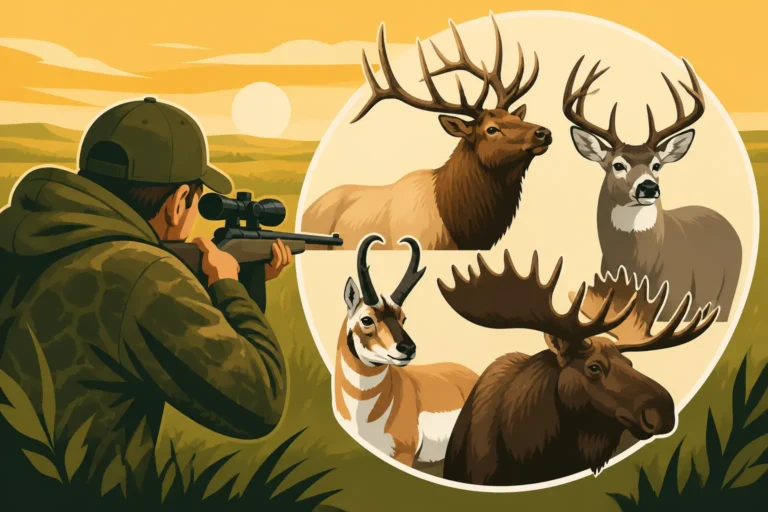
A Saskatchewan outfitter's licence isn't just a generic permit; it's intricately tied to specific allocations for particular species and within designated wildlife management zones. For example, an outfitter might have allocations for White-Tailed Deer, Saskatchewan's Signature Animal in WMZ 68, or for Black Bears in Saskatchewan's Boreal Forest in WMZ 72. This system ensures that hunting pressure is distributed appropriately and that harvest numbers remain within sustainable limits for each area and species. You can find more detail on this specific aspect in How Outfitter Allocations Work Here.
These allocations are typically limited in number and are not easily transferred or increased. They represent the province's commitment to managing its wildlife populations responsibly. An outfitter essentially holds a quota of opportunities – a certain number of deer tags, bear tags, or moose tags that they can provide to their non-resident clients within a specific geographic area during set seasons. It's a precise and controlled method to balance hunting demand with ecological capacity.
How Allocations Impact Hunter Opportunities
Understanding these allocations is paramount for a hunter planning a trip. If an outfitter is not allocated for, say, Moose in Saskatchewan's Farmland and Forest in the zone you want to hunt, they simply cannot legally offer you a moose hunt there. This means your choice of outfitter will directly dictate the species you can pursue and where. The availability of these allocations can vary greatly between outfitters, and highly sought-after species or prime hunting zones often have fewer available slots.
This system directly affects the booking process. Hunters often need to plan well in advance, sometimes a year or more, to secure a spot with an outfitter who has allocations for their desired hunt. Platforms like BookYourHunt are excellent resources to see what different outfitters are offering based on their allocations, helping you narrow down your search efficiently. It’s also why last-minute hunts for trophy animals can be particularly challenging to find, as most outfitters will have their limited allocation spots filled early.
Services and Responsibilities Covered by the Licence
Beyond simply having the right to operate, a Saskatchewan outfitter licence comes with a comprehensive list of permitted activities and significant responsibilities towards both the client and the wildlife.
Permitted Guiding Activities and Services
When you book with a licensed outfitter, you are purchasing more than just access to hunting ground; you are paying for a complete service package designed to facilitate your hunt. Typically, a licensed outfitter is permitted to provide:
- Guiding Services: This is the core of their offering – accompanying you in the field, providing expert knowledge of game movements, habitat, and local conditions. They scout, track, and help you strategize your hunt.
- Accommodation and Meals: Most outfitted hunts include lodging, which can range from rustic bush camps to comfortable lodges, along with prepared meals. This takes the logistical burden off the hunter.
- Transportation: Within the hunting area, outfitters typically handle transportation, whether it's by truck, ATV, boat, or on foot, to get you to and from prime hunting spots.
- Field Dressing and Game Retrieval: Once an animal is harvested, the outfitter and their guides are usually responsible for assisting with field dressing the animal and retrieving it from the bush or field back to camp. This is a huge undertaking, especially for larger animals like elk or moose.
- Licence Assistance: For non-residents, outfitters act as a crucial intermediary for purchasing Saskatchewan Hunting Licences and What They Cost, ensuring all necessary permits and tags are acquired legally and correctly. You still pay for the licenses, of course, but they help you navigate the system.
These services collectively aim to provide a seamless and enjoyable hunting experience, allowing you to focus on the hunt itself rather than the intricate logistics. This whole package of services is what defines a Saskatchewan guided hunt.
Outfitter Responsibilities and Ethical Conduct
The licence isn't just about what an outfitter can do; it also underscores what they must do. Licensed outfitters carry significant legal and ethical obligations.
- Compliance with Regulations: Foremost, outfitters are responsible for ensuring that both they and their clients strictly adhere to all provincial and federal hunting regulations. This includes bag limits, shooting hours, legal methods of take, and boundary restrictions. They are expected to be experts on the current Saskatchewan hunting guide and enforce its rules.
- Safety Practices: Ensuring the safety of all hunters and staff is paramount. This covers everything from safe firearm handling in the field to safe operation of vehicles and proper procedures in emergency situations.
- Respect for Landowner Rights: Saskatchewan has strict laws regarding hunting on private land. Outfitters must ensure they have proper written permission from landowners before hunting on their property, upholding Saskatchewan Landowner Permission Law.
- Responsible Game Handling: After a harvest, outfitters are responsible for ensuring proper field care of the animal to preserve the meat quality. They also play a critical role in facilitating compliance with provincial mandates, such as submitting heads for Chronic Wasting Disease (CWD) testing in designated zones, as outlined in Saskatchewan's CWD Testing Rules. This includes proper disposal of carcasses or parts in accordance with regulations to prevent disease spread.
- Ethical Practices: Beyond the letter of the law, outfitters are expected to uphold the highest ethical standards in hunting, promoting fair chase and respect for wildlife. This often means discouraging unethical shots or practices that might lead to wounded or unrecovered game.
Limitations and What the Licence Does NOT Cover
While a Saskatchewan outfitter licence is comprehensive, it's equally important for hunters to understand its boundaries and what the outfitter is legally prohibited from doing. This clarity protects both the hunter and the outfitter.
Legal Boundaries and Prohibitions
Even with a licence, an outfitter operates within strict legal parameters. There are several key prohibitions they must adhere to:
- Hunting for the Client: An outfitter or guide cannot pull the trigger or release an arrow on behalf of a client. Their role is to guide and assist, not to harvest the animal themselves for the client. The actual act of taking game must be performed by the licensed hunter.
- Guaranteeing a Kill: While reputable outfitters strive for high success rates, they cannot legally or ethically guarantee a kill. Hunting involves wild animals in their natural habitat, and success depends on numerous unpredictable factors. Any outfitter making such a guarantee should raise a red flag.
- Operating Outside Allocations: An outfitter cannot offer hunts for species or in zones for which they do not hold specific allocations. Doing so is a serious violation and can lead to severe penalties for both the outfitter and the hunter. This directly ties back to the allocation system discussed earlier.
- Disregarding Landowner Laws: As mentioned, trespassing or hunting on private land without explicit, often written, permission is strictly forbidden. An outfitter cannot simply assume access.
- Illegal Practices: Any form of baiting for big game, hunting from a motorized vehicle (unless explicitly permitted for disabled hunters with specific permits), or hunting outside of legal shooting hours are examples of illegal practices that a licensed outfitter must never engage in or condone. Understanding Illegal Outfitting and How to Spot It can help you avoid problematic situations.
The consequences of an outfitter operating outside these boundaries can be severe, including hefty fines, licence revocation, and legal charges. For the hunter, participating in such activities can also result in fines, forfeiture of game, and even a ban from hunting in Saskatchewan.
The Hunter's Own Responsibilities
While an outfitter provides invaluable guidance and services, the ultimate responsibility for a legal and ethical hunt rests squarely on the shoulders of the hunter. You cannot simply delegate all your obligations to your guide.
- Knowing the Rules: Even with an outfitter, hunters are expected to have a basic understanding of Saskatchewan Hunter Education Requirements and the specific regulations for their hunt. While the guide will advise, it's your responsibility to confirm and comply. Read the hunting guide yourself; don't rely solely on second-hand information.
- Proper Firearm Handling: Hunters are responsible for the safe handling and use of their own firearms or archery equipment. Your guide will expect you to be proficient and safe.
- Personal Gear and Preparedness: While an outfitter provides much of the logistical support, hunters are responsible for their personal hunting gear, appropriate clothing for Saskatchewan's often extreme weather, and any personal medications or specific dietary needs. Being unprepared physically or mentally can impact the success and safety of the hunt.
- Ethical Decision-Making: Ultimately, the decision to take a shot, to pass on an animal, or to continue a difficult retrieve lies with the hunter. An outfitter guides, but does not dictate these personal, ethical choices.
Choosing a Licensed Outfitter for Your Saskatchewan Hunt
Finding the right outfitter is just as crucial as securing the right licence for your hunt. With so many options, knowing how to vet and select a reputable operation is key to a successful experience.
Verifying an Outfitter's Credentials
Before committing to any hunt, it is absolutely essential to verify that your prospective outfitter is indeed licensed and in good standing with the province. This isn't just a suggestion; it's a critical step in protecting your investment and ensuring a legal hunt.
- Ask for Licence Information: A reputable outfitter will readily provide their provincial outfitter licence number. Do not hesitate to ask for it.
- Contact Provincial Authorities: Once you have the licence number, you can contact the appropriate provincial government department responsible for wildlife and outfitting to confirm its validity and that the outfitter is licensed for the specific species and zones they are advertising. This extra step provides peace of mind.
- Use Reputable Booking Platforms: Websites like GoHunt and BookYourHunt often pre-vet outfitters for licensing and provide platforms for reviews. While useful, still cross-reference and verify directly when possible. They can be a great starting point to explore options based on your desired species and preferred hunting style, helping you connect with potential outfitters quickly.
This due diligence is your first line of defense against potential scams or unethical operations. It’s part of the comprehensive approach to Choosing the Right Saskatchewan Outfitter.
What to Look for Beyond the Licence
A valid licence is non-negotiable, but it’s only the starting point. To truly find the right fit for your hunting adventure, you need to delve deeper into the outfitter's operation, communication, and overall ethos.
- Experience and Reputation: How long has the outfitter been in business? What is their reputation within the hunting community? Look for consistent positive feedback and a history of successful, ethical hunts.
- Communication Style: Pay attention to how the outfitter communicates with you. Are they responsive, clear, and transparent? Do they answer all your questions thoroughly? Good communication before the hunt often translates to a well-run operation during the hunt.
- Camp Quality and Logistics: Inquire about the type of accommodation, meals, and general camp setup. Some hunters prefer luxury lodges, while others seek a more rustic, bare-bones experience. Ensure the outfitter's offerings align with your expectations and comfort level.
- References: Always ask for references from past clients, preferably from hunters who have pursued the same species and type of hunt you are interested in. A conversation with a past client can provide invaluable insight into the actual experience. Ask about success rates, guide professionalism, camp atmosphere, and meat care.
- Matching Your Hunting Style: Every hunter has a preferred style. Some prefer sitting in a heated blind all day, while others crave spot-and-stalk action. Discuss your hunting preferences with the outfitter to ensure their methods align with what you envision. For example, some outfitters specialize in Rifle Hunting Saskatchewan's Whitetail Rut, while others might focus on early season archery opportunities.
By considering these factors in addition to licence verification, you'll be well-equipped to select an outfitter that not only operates legally but also provides the kind of unforgettable Saskatchewan hunting experience you're seeking.
| Aspect | What a Licensed Outfitter Covers | What a Licensed Outfitter Does NOT Cover (Hunter's Responsibility) |
|---|---|---|
| Legal Operation | Provincial authorization to guide (species/zone specific). | Guaranteeing a harvest (unethical/illegal). |
| Services Provided | Guiding, accommodation, meals, in-area transport, field dressing. | Physically taking the shot for the client. |
| Compliance | Ensuring adherence to all hunting regulations by client. | Hunter's personal knowledge of regulations. |
| Game Management | Facilitating CWD testing, proper carcass disposal (within guidelines). | Understanding disease risks, personal meat care after processing. |
| Licensing | Assistance with non-resident licence/tag acquisition. | Paying for personal licences, permits, and stamps. |
| Safety | Implementing safety protocols, emergency plans. | Hunter's safe firearm/bow handling, personal preparedness. |
| Land Access | Securing official permission for private land hunting. | Knowing personal property boundaries, avoiding trespassing. |
| Ethical Conduct | Adhering to fair chase principles, promoting responsible hunting. | Hunter's personal ethics and shot selection. |
Disclaimer
This article is for general informational purposes only and does not constitute professional advice. Laws, prices and regulations vary by location and change over time. Consult a qualified professional for guidance on your specific situation.