Whether Drop Camps Are Allowed
For many hunters dreaming of an unadulterated wilderness experience, the idea of a "drop camp" – being flown or driven into a remote location, dropped off with your gear, and left to hunt self-sufficiently for days – represents the ultimate adventure. However, when it comes to hunting in Saskatchewan, especially for non-residents, the reality of what's "allowed" can be a bit more complex than simply pitching a tent and heading out. This guide will cut through the confusion and clarify the regulations around drop camps, helping you understand what's truly possible for an independent hunting trip in this fantastic province.
Understanding "Drop Camps" in the Saskatchewan Context
Let's start by getting on the same page about what a drop camp truly entails and how Saskatchewan's regulations interpret this concept, especially given the diverse hunting landscape from the southern prairies to the northern boreal forest.
What is a "Drop Camp" Exactly?
In the hunting world, a "drop camp" typically refers to an unguided, self-sufficient hunting trip where you are transported (often by air, boat, or specialized vehicle) to a remote, usually undeveloped, camp location. You bring all your own gear, food, and supplies, and you are responsible for all aspects of the hunt, from scouting and tracking to field dressing and packing out your game. The outfitter or transporter merely facilitates the access, then leaves you to your own devices until an agreed-upon pickup date. It's about raw independence and immersion in the wild.
The appeal is undeniable: the solitude, the challenge of truly earning your animal, and the satisfaction of a completely self-reliant adventure. For many, it's the pinnacle of hunting. However, the legal framework for hunting, particularly for big game, in Saskatchewan, has specific provisions that often don't align with this traditional "drop camp" model for all hunters.
The Regulatory Reality for Non-Residents
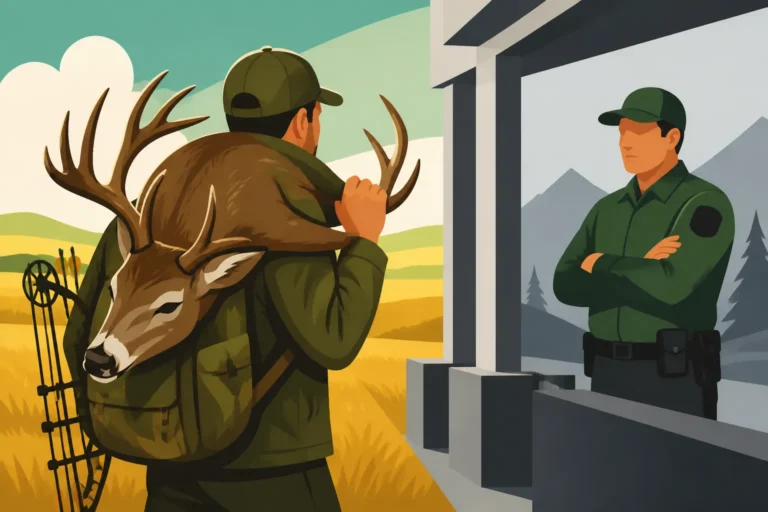
Here's where the dream often meets reality, especially for our friends from outside Saskatchewan. For non-residents – whether from other Canadian provinces or international visitors – big game hunting in Saskatchewan has a strict requirement: you must engage the services of a licensed outfitter. This isn't just a suggestion; it's a fundamental part of the hunting regulations designed to manage game resources, ensure ethical hunting practices, and support the local economy.
What this means is that a non-resident cannot simply fly into a remote lake, get dropped off with their gear, and start hunting moose or bear on their own. The outfitter is not just a facilitator of access; they are legally responsible for your hunting activity and must provide guiding services. This effectively prohibits the traditional "drop camp" model for non-residents seeking big game in Saskatchewan. It's a key distinction that often frustrates hunters unfamiliar with the province's specific rules, but it's crucial to understand before you plan your trip. You'll find more details about this in Why Non-Residents Must Book an Outfitter.
Options for Residents and Unguided Hunts
Now, if you're a resident of Saskatchewan, the situation is quite different. You have the privilege of hunting big game without the mandatory requirement of an outfitter. This opens up the possibility of truly self-guided, self-sufficient hunts across vast stretches of the province's public lands, sometimes referred to as Crown land.
For residents, planning a trip that feels very much like a drop camp is entirely possible. You can drive, ATV, boat, or even fly into remote areas, set up your own camp, and hunt independently. This is where the spirit of the "drop camp" really comes alive for local hunters, offering the challenge and solitude many seek. However, even residents must adhere to all other regulations, including proper licensing, species-specific seasons, and adherence to Saskatchewan's Crown Land Access rules. The key difference is the absence of the mandatory outfitter for residents, which is the main barrier for non-residents pursuing big game.
Navigating Non-Resident Hunting Requirements
Since the "drop camp" concept is often pursued by non-residents looking for an unguided experience, it's vital to fully grasp the rules that apply to them. These rules are well-defined and are non-negotiable for big game hunting.
The Mandatory Outfitter Rule
Let's reiterate this because it's the cornerstone of non-resident big game hunting in Saskatchewan: if you are a non-resident of Saskatchewan and you wish to hunt big game (this includes white-tailed deer, mule deer, moose, elk, bear, and pronghorn), you are legally required to book your hunt through a licensed Saskatchewan outfitter. These outfitters hold specific allocations for non-resident tags, and your licence will be tied to their operations.
This system is designed to manage harvest pressure, ensure a quality hunting experience, and contribute to wildlife conservation efforts. It also provides a level of accountability and safety for hunters venturing into unfamiliar terrain. So, while the idea of a completely independent big game hunt is appealing, it's simply not an option for non-residents in Saskatchewan. You can learn more about finding reputable operators in Hunting Guides and Outfitters in Saskatchewan.
What an Outfitter Provides (Beyond Just a Camp)
It's easy to view the outfitter requirement as merely a bureaucratic hurdle, but it's important to recognize the value they bring. A licensed Saskatchewan outfitter offers much more than just a place to sleep or a way to get into the bush. They provide:
- Licensed Guiding Services: This includes expert knowledge of the terrain, animal behaviour, and local regulations. A guide can significantly increase your chances of success and ensure a safe hunt.
- Access to Allocated Tags: Outfitters have a quota of non-resident tags for specific species and zones. Without booking through them, non-residents simply cannot obtain a big game licence.
- Equipment and Logistics: Many outfitters provide blinds, stands, vehicles (ATVs, trucks), boats, and even air charter services to access remote areas. They handle the logistical headaches of camp setup, food, and often, game retrieval and initial processing.
- Local Knowledge and Scouting: Good outfitters spend countless hours scouting, monitoring game movements, and adapting to changing conditions. They know the current hotspots, bedding areas, and travel corridors.
- Safety and Emergency Preparedness: Hunting in remote Saskatchewan can be challenging. Outfitters are prepared for emergencies, have communication systems, and are trained in wilderness first aid.
While you won't be entirely alone in a traditional drop camp sense, a good outfitter can still provide a challenging and rewarding experience, even if it's not strictly "unguided." They might, for instance, set you up in a remote stand with a packed lunch and a two-way radio, giving you a sense of independence within their operational framework. For example, some outfitters listed on platforms like BookYourHunt might highlight their "fair chase" or "minimal interference" hunts, which could appeal to those seeking a more hands-on experience without breaking regulations.
Exploring "Semi-Guided" or Unguided Elements
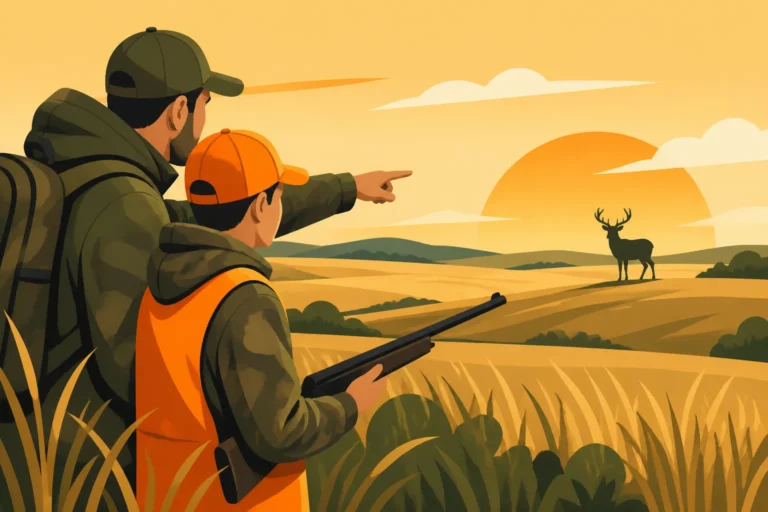
For non-residents who crave more independence but understand the outfitter requirement, "semi-guided" hunts might be the closest alternative to a true drop camp. The term "semi-guided" can vary between outfitters, but generally, it means the outfitter provides critical elements like accommodation, meals, transportation to and from hunting areas, and boundary guidance, but you are largely responsible for your own hunting decisions, scouting, and actual stalking or sitting.
In these scenarios, a guide might drop you off at a pre-scouted stand location, or show you an area to hunt, but won't be with you every step of the way. You still operate under the outfitter's licence allocation and within their designated hunting area, but you have more autonomy. It's a balance between legal compliance and personal independence. Always clarify exactly what "semi-guided" means with any outfitter you consider, as there's a wide spectrum. You can ask outfitters listed on platforms like GoHunt about their specific semi-guided offerings for the species you're interested in. For more clarity, see What a Semi-Guided Hunt Means Here.
Alternative Approaches to Remote Hunting (Within Regulations)
Even with the regulations, there are ways to experience the remote, self-sufficient hunt many envision, whether you're a resident or a non-resident working with an outfitter. It's all about understanding the rules and leveraging the opportunities available.
Resident Self-Guiding on Crown Land
If you're a Saskatchewan resident, the provincial Crown land offers immense possibilities for truly self-sufficient hunts that mirror the drop camp experience. From the vast boreal forests of the north to the rugged river valleys in the south, there are hundreds of thousands of acres accessible for hunting.
You can pack your gear, drive or ATV into remote trail systems, set up a tent camp, and explore areas that see minimal pressure. This requires a significant amount of preparation, including detailed map study (perhaps using tools like onX or similar mapping software to identify Finding Saskatchewan Public Land Boundaries), knowing your chosen Wildlife Management Zone (WMZ) regulations, and being completely self-reliant. Considerations like food, water, navigation, emergency communication, and game retrieval are all on you. It's an incredible opportunity for adventure and deeply rewarding for those who embrace the challenge. Remember to always respect Camping on Saskatchewan Crown Land regulations and leave no trace.
Utilizing Outfitter Services for Remote Access
Even for non-residents, outfitters can help facilitate a remote experience that feels like a drop camp, albeit with their licensed oversight. For instance, some northern outfitters specialize in fly-in moose or bear hunts. They might fly you into a remote, rustic cabin or tent camp deep in the bush, check in on you periodically, and then fly you out with your game. While a licensed guide is still part of the operation, the day-to-day hunting activity might involve a lot of self-reliance and covering ground independently from the camp.
This setup provides the remote wilderness experience, the solitude, and the challenge of navigating vast, wild landscapes, all while remaining fully compliant with Saskatchewan's hunting laws. It's crucial to discuss these expectations upfront with any outfitter. Ask about their most remote camps, their guide-to-hunter ratio, and how much "alone time" you can expect to have in the field. Some operations cater specifically to hunters seeking this deeper immersion.
Planning Logistics for Your "Self-Sufficient" Hunt
Whether you're a resident planning a true self-guided trip or a non-resident looking for the most independent outfitter experience, meticulous planning is paramount.
- Gear: Think beyond your rifle or bow. Consider robust camping equipment, reliable navigation tools (GPS, compass, maps), quality optics, and clothing layered for Saskatchewan's often extreme weather swings. A satellite communicator like an InReach or Garmin inReach is not optional for remote areas; it's essential for safety.
- Food and Water: Plan your meals carefully, considering weight, nutrition, and ease of preparation. Access to potable water is often a challenge; pack enough or bring a reliable filtration system.
- Emergency Preparedness: This cannot be stressed enough. Share your detailed itinerary with someone reliable back home, including your exact route, planned camp locations, and expected return. Carry a comprehensive first-aid kit, emergency shelter, fire-starting supplies, and tools for minor repairs.
- Game Retrieval: How will you get your animal out? Especially for moose or large elk, this is a monumental task. Consider game carts, pack frames, or even discussing potential assistance from your outfitter if you're on a guided hunt. For residents, it's all on you.
- Leave No Trace: Always practice strict Leave No Trace principles. Pack out everything you pack in, dispose of waste properly, and minimize your impact on the environment.
Key Considerations and Legalities
Saskatchewan's hunting regulations are comprehensive, and understanding them is crucial for a legal and ethical hunt, regardless of whether you're seeking a drop camp experience or not.
Understanding Zone and Species Regulations
Saskatchewan is divided into numerous Wildlife Management Zones (WMZs), each with its own specific season dates, bag limits, and often, weapon restrictions for different species. What might be allowed in one zone for a certain species might be entirely different just a few miles away. For example, some zones might offer over-the-counter resident deer tags, while others are draw-only. The rules for hunting big game are also distinct from those for Saskatchewan Game Bird Seasons and Limits or small game.
Before you even start dreaming about a specific spot, check the current year's hunting guide for your chosen WMZ and species. This information dictates where and when you can legally hunt. A drop camp concept must still fit within these established parameters. You can find general information on how zones affect seasons in How Saskatchewan's Zones Set Your Season.
Permission for Access and Property Lines
A significant portion of Saskatchewan's land is privately owned, particularly in the agricultural south. Even if you're a resident planning a self-guided hunt, securing landowner permission is absolutely essential before setting foot on private property. Hunting on private land without permission is trespassing and can result in significant penalties.
Always carry a current land ownership map (many digital apps offer this now) and clearly understand property boundaries. Even if you're on Crown land, you might have to cross private land to access it. Knocking on doors and building good relationships with landowners is a vital part of hunting responsibly in Saskatchewan. This applies to Crown grazing leases as well, which are still Crown land but managed privately, often requiring permission from the leaseholder. For more details on this, refer to Getting Private Land Permission in Saskatchewan.
Checking the Latest Hunting Guide
Hunting regulations can change from year to year. While this article provides a general overview, the absolute authority on current rules is the official Saskatchewan Hunters' and Trappers' Guide. Always make it your first point of reference when planning any hunt. It contains all the legal specifics, season dates, bag limits, and definitions you need to know. Don't rely solely on information from blogs, forums, or even well-meaning friends – always cross-reference with the official source. You can typically find this guide online or at licence vendors. Make sure you read Where to Read the Hunting Guide before your trip.
Here's a quick overview of how "drop camp" style hunts generally shake out for different hunter types in Saskatchewan:
| Feature/Aspect | Saskatchewan Resident (Big Game) | Non-Resident (Big Game) | Game Birds / Small Game (All Hunters) |
|---|---|---|---|
| Traditional "Drop Camp" Allowed? | Yes, if self-guided on Crown Land, following all rules. | No, mandatory outfitter for big game. | Yes, if legal access, no outfitter required. |
| Outfitter Required? | No | Yes, for all big game species. | No, but guides can enhance bird hunts. |
| Access Limitations | Crown land generally accessible, but check specific rules/closures. | Limited to outfitter's allocations and operational areas. | Public and private land with permission. |
| Licensing | Resident big game licences (draw or over-the-counter). | Non-resident big game licences obtained through licensed outfitter. | Game bird licence (federal and provincial permits). |
| Preparation Level | High: full self-reliance, logistics, safety, game retrieval. | Moderate to High: outfitter handles much, but personal prep is key. | Moderate: depends on remoteness, but generally less complex. |
| Solitude Potential | Very High, especially in northern Crown land. | High, if outfitter offers remote/minimal guidance packages. | High, especially for remote upland or pothole hunting. |
Ultimately, while the traditional "drop camp" for big game isn't a straightforward option for non-residents in Saskatchewan, the spirit of adventure and self-reliance can still be found. For residents, it's a very real possibility, and for non-residents, working with the right outfitter can still provide a profoundly wild and independent-feeling hunt. It all comes down to knowing the rules and planning accordingly.
Disclaimer
This article is for general informational purposes only and does not constitute professional advice. Laws, prices and regulations vary by location and change over time. Consult a qualified professional for guidance on your specific situation.