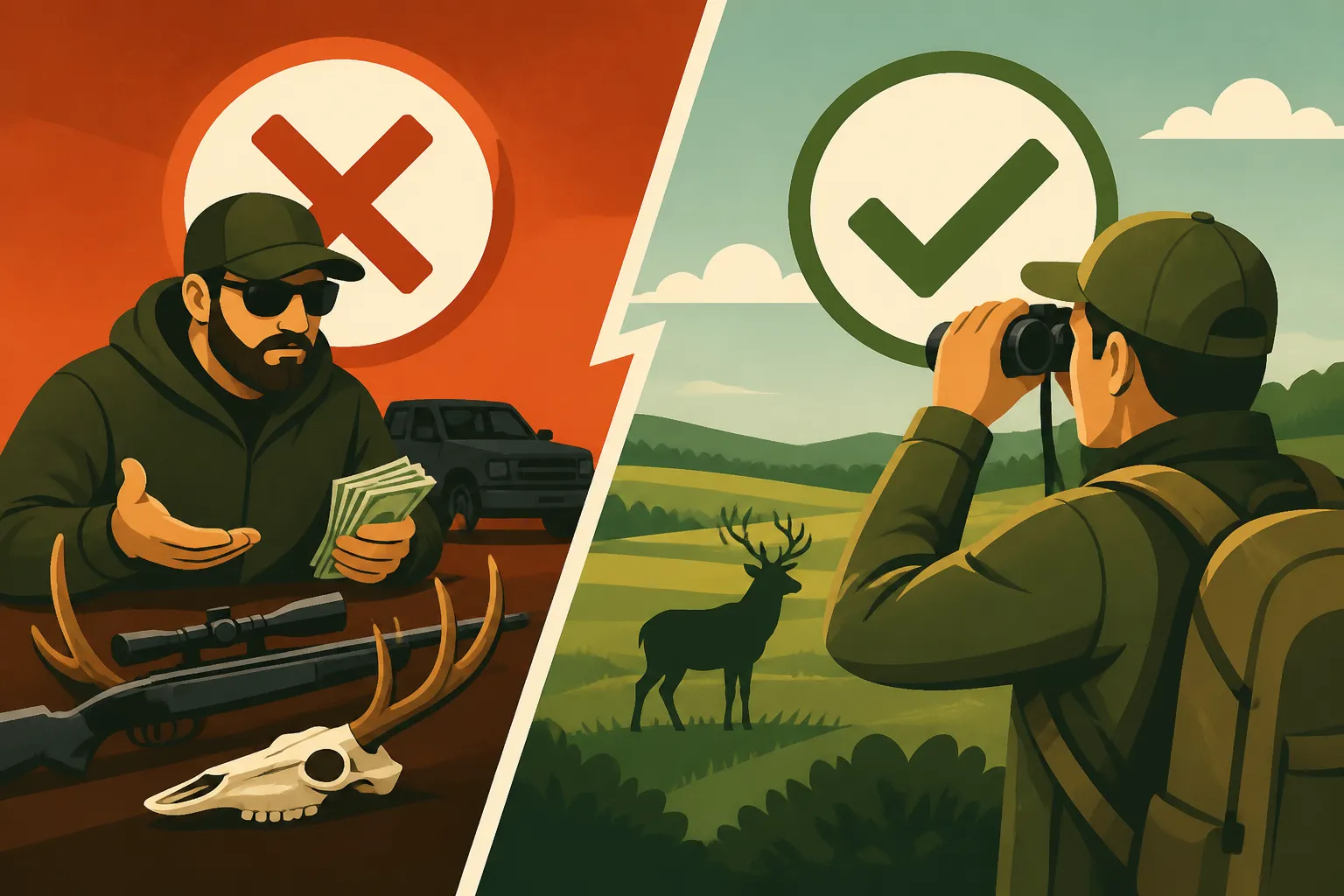
Illegal Outfitting and How to Spot It
The allure of a Saskatchewan hunting trip, with its promise of massive whitetails or abundant waterfowl, can be incredibly strong. But sometimes, in the excitement of planning, hunters can fall victim to unscrupulous individuals operating outside the law. Encountering illegal outfitting can turn a dream hunt into a nightmare, leading to financial loss, legal trouble, and a complete waste of your valuable time and effort. This guide aims to equip you with the knowledge to recognize, avoid, and report illegal outfitting operations, ensuring your Saskatchewan hunting experience is not only successful but also completely legitimate and ethical.
Understanding Illegal Outfitting in Saskatchewan
Before we can effectively spot illegal outfitting, it's crucial to understand what constitutes a legal operation and where the line is drawn. Saskatchewan has clear regulations designed to protect hunters, wildlife, and legitimate businesses. When someone operates outside these rules, they put everyone at risk.
What Defines a Legal Outfitter?
A legal outfitter in Saskatchewan is a business or individual licensed by the provincial government to provide guided hunting services, accommodation, and often equipment to resident and non-resident hunters. This isn't just a formality; it's a critical aspect of ensuring professional standards, ethical practices, and proper management of the province's wildlife resources. These licences come with strict requirements, including proof of insurance, knowledge of hunting regulations, and adherence to specific operational guidelines. Most importantly, legitimate outfitters are allocated specific tags for certain species and zones, which they then make available to their clients. This allocation system is designed to manage harvest numbers and prevent overhunting in specific areas.
Furthermore, a licensed outfitter understands the intricate details of Saskatchewan Hunting Licences and What They Cost and navigates the often-complex regulatory landscape. They are well-versed in Rules for Non-Residents Hunting Saskatchewan, particularly the requirement for non-residents to book with a licensed outfitter for big game and often for migratory birds. This isn't optional; it's a fundamental part of hunting legally as a non-resident in Saskatchewan. A reputable outfitter is not just selling a hunt; they are selling a service that adheres to all these governmental and ethical standards.
Common Forms of Illegal Outfitting
Illegal outfitting isn't always a clandestine, obvious operation. Sometimes it's subtle, making it even harder for an unsuspecting hunter to identify. One common form is operating without any outfitter licence whatsoever. This could be someone who simply buys a few resident licences, takes a non-resident client out, and pretends to be a friend or family member. They might advertise informally, through social media groups or word-of-mouth, avoiding formal channels. Another prevalent issue is exceeding licence allocations. A legitimate outfitter might be tempted to book more hunters than their allocated tags allow, hoping to "find" extra tags or using non-transferable resident tags.
Then there's the problem of guiding non-residents without the required outfitter licence. Remember, non-residents generally cannot hunt big game in Saskatchewan without being booked through a licensed outfitter. Someone offering to guide you for a fee, even if they're a local resident with good hunting knowledge, is operating illegally if they don't hold an outfitter licence and the necessary allocations. This can also extend to bird hunting, where Non-Resident Game Bird Licence Changes have introduced specific rules that licensed outfitters are equipped to handle. These operations often cut corners on safety, ethical hunting practices, and proper game care, leading to potential issues for both the hunter and the wildlife.
The Legal Framework for Outfitters
Saskatchewan's legal framework for hunting guides and outfitters is primarily governed by The Wildlife Act, 1998, and its associated regulations. These laws are in place to ensure fair chase, sustainable wildlife populations, and a structured, regulated hunting industry. The Ministry of Environment is responsible for issuing outfitter licences and managing allocations. They dictate which species can be hunted, in which zones, and by what method (e.g., archery, rifle). These allocations are specific and non-transferable, meaning an outfitter cannot simply pass a tag they were given to another hunter or guide.
Violation of these regulations can lead to significant penalties, not just for the illegal outfitter but potentially for the client as well. This framework also covers aspects like client records, reporting harvest data, and ensuring that guides adhere to ethical standards in the field. Understanding Saskatchewan Outfitter Licensing and Allocations is key, as these are the cornerstones of a legitimate operation. Any "outfitter" who cannot clearly articulate or provide proof of their adherence to this legal framework should be approached with extreme caution.
Why Illegal Outfitting Persists: Motivations and Challenges
Illegal outfitting is a persistent problem, not just in Saskatchewan but across many prime hunting destinations. Understanding why it exists helps hunters recognize the pressures and motivations that drive these illicit activities.
The Lure of Unregulated Profits
At the heart of illegal outfitting is often the promise of easy money. Running a legitimate outfitting business involves significant overheads: licence fees, insurance, equipment, land leases, marketing, and staff wages. It also requires adherence to strict regulations, which can be time-consuming and complex. Illegal operators bypass these costs and complexities, offering cheaper "hunts" by cutting every corner imaginable. They don't pay for proper licences, don't invest in liability insurance, don't maintain safe equipment, and often don't respect bag limits or season dates. This allows them to offer what appears to be a bargain compared to licensed operations, attracting unsuspecting hunters.
However, this "bargain" comes at a steep price for the hunter. The money saved upfront is quickly overshadowed by the risks involved, including the very real possibility of losing all funds if the operation is busted or simply vanishes. The lack of regulation means no accountability, leaving the hunter vulnerable to scams, unsafe practices, and ultimately, a ruined trip. The promise of an unrealistically low price for a high-demand hunt, especially for trophy species, is often the first red flag that an operation might be illicit.
Demand from Uninformed Hunters
Another significant factor contributing to illegal outfitting is the demand created by hunters who are simply unaware of the regulations or the importance of booking with a licensed professional. Many hunters, particularly those from outside Saskatchewan, might not fully grasp the legal requirements for non-residents, such as Why Non-Residents Must Book an Outfitter. They might search for the cheapest option, or simply trust someone offering a hunt without questioning their credentials. The internet has made it easier for illegal operators to reach a wide audience, often by posing as legitimate businesses.
These hunters, often seeking a trophy animal or a specific experience, might be more susceptible to persuasive but deceptive offers. They might not know what questions to ask or where to verify information. This lack of awareness is what illegal outfits prey upon, creating a market for their unregulated services. Education is key here; the more hunters understand the rules and the value of professional, legal outfitting, the harder it becomes for illegal operators to thrive. Resources like BookYourHunt often emphasize verified outfitters, which helps guide hunters towards legitimate choices.
Challenges in Enforcement
Despite dedicated efforts by provincial authorities, enforcing outfitting regulations across a vast and diverse province like Saskatchewan presents significant challenges. The sheer size of the hunting areas, from the southern prairies to the dense boreal forests, makes it difficult to monitor every operation. Illegal outfits often operate in remote areas, making them harder to detect. They may also rely on informal networks, making it difficult for enforcement agencies to track their activities.
Enforcement also relies heavily on tips from the public, including observant hunters and legitimate outfitters. If hunters don't know what to look for, or are hesitant to report suspicions, illegal operations can continue unchecked for longer. The transient nature of some illegal outfits, popping up and disappearing quickly, also adds to the difficulty. It's a constant game of cat and mouse, where informed hunters play a crucial role in helping authorities identify and shut down these operations. Saskatchewan's "Turn In Poachers" (TIP) line is a vital tool in this fight, relying on hunters to be the eyes and ears in the field.
Spotting the Red Flags: Warning Signs of an Illegal Operation
When you're excitedly planning a hunt, it's easy to overlook details. But learning to spot the warning signs of an illegal outfitter can save you a world of trouble. Due diligence is your best friend here.
Suspicious Pricing and Package Deals
One of the most immediate red flags is a price that seems too good to be true. If an outfitter offers a trophy whitetail hunt for significantly less than the going rate, especially when compared to advertised prices on reputable platforms like GoHunt, you should be extremely wary. Quality outfitting involves substantial costs, and legitimate operators price their hunts to cover these expenses while providing a professional service. Be cautious of deals that offer "all-inclusive" packages that are suspiciously cheap or promise guaranteed success rates that are unrealistic.
| Feature | Legitimate Outfitter | Illegal Outfitter |
|---|---|---|
| Pricing | Competitive, reflects high overhead, reasonable. | Unusually low, "too good to be true" deals. |
| Licensing | Readily provides licence numbers, clearly stated. | Vague, evasive, or claims "don't need one." |
| Website/Presence | Professional site, reviews, clear contact. | Minimal online presence, generic social media, no reviews. |
| Contract | Detailed, covers liabilities, cancellations. | Informal, brief, or no written contract. |
| Transparency | Open about allocations, zones, hunting methods. | Secretive, vague about details until payment. |
| References | Provides contacts for past clients. | None, or only provides "friends and family." |
| Deposit Terms | Standard 30-50% deposit, clear refund policy. | Demands full payment upfront, no refunds. |
| Payment Methods | Professional invoicing, credit card options. | Cash only, untraceable methods, personal accounts. |
Also, be wary if they demand cash-only payments, or require full payment upfront without a clear contract or refund policy. What a Saskatchewan Guided Hunt Costs will give you a baseline for comparison. A legitimate outfitter might offer different tiers, but they won't be drastically out of line with the industry standard for a similar quality of hunt.
Lack of Transparency and Documentation
A legitimate outfitter will be upfront and transparent about every aspect of your hunt. They will happily provide their outfitter licence number, discuss their game allocations, explain the specific Saskatchewan Big Game Season Dates for your chosen zone, and clearly outline what's included and not included in the package. They'll also have a clear written contract that details terms, conditions, and cancellation policies. If an "outfitter" is evasive about providing their licence number, avoids discussing specific zones, or has a vague, poorly written contract (or no contract at all), these are significant warning signs.
They might claim their licence is "pending" or that they operate under a "special permit." These are often lies. Furthermore, they may not provide proper receipts or insist on untraceable payment methods. A licensed outfitter will have professional paperwork and be able to clearly demonstrate their compliance with all provincial regulations. They understand the importance of clear communication and documentation in building trust and ensuring a smooth, legal hunting experience. If you find yourself having to constantly press for basic information, that's a red flag.
Unverifiable Claims and Vague Details
Beware of outfitters who make overly grand or unverifiable claims. Promises of "guaranteed record book bucks" or "100% success rate every single year" are highly suspect. Hunting, by its very nature, is unpredictable, and while good outfitters have high success rates, no ethical outfitter can guarantee a trophy or a kill. They also might be vague about their hunting area, refusing to name the specific Saskatchewan Wildlife Management Zones they operate in or claiming access to vast, undefined tracts of land without proof. When you're trying to vet an outfitter, it's critical to be able to verify their claims.
They might also refuse to provide references from past clients, or only offer "friends" as references who give overly glowing, unspecific reviews. A reputable outfitter will have a list of past clients you can contact independently to ask about their experience. If you find yourself trying to use resources like BookYourHunt or GoHunt to verify an outfitter and they simply don't exist on any official or recognized platform, that's a strong indicator that something is amiss. Always be skeptical of vague answers, overly optimistic promises, and a general lack of verifiable information. This lack of detail can also extend to how they plan to handle your game meat, a critical aspect that a professional would have clear procedures for, as detailed in articles like Meat Care in Saskatchewan's Cold Snaps.
The Serious Risks of Booking an Illegal Hunt
Engaging with an illegal outfitter might seem like a shortcut to a cheaper hunt, but the potential consequences far outweigh any perceived savings. The risks are substantial, impacting your wallet, your reputation, and even your freedom.
Legal Penalties for Hunters
The most immediate and severe risk for a hunter booking an illegal operation is facing legal penalties. In Saskatchewan, if you are a non-resident and hunt big game without being accompanied by a licensed outfitter or guide as required, you are in violation of The Wildlife Act. This can result in significant fines, confiscation of your game animal, equipment (including firearms), and potentially a ban from hunting in the province or even other Canadian provinces. Ignorance of the law is generally not considered a valid defense. You, as the hunter, are responsible for ensuring your hunt is legal.
Imagine finally downing that monster whitetail after years of dreaming, only to have a conservation officer inform you that your "guide" was operating illegally. Not only would you lose the animal, but you'd also face charges and fines, turning a proud moment into a legal nightmare. Such incidents can be costly, emotionally draining, and can have long-lasting repercussions. Understanding Saskatchewan Trespass Penalties for Hunters and the broader legal framework is vital for every hunter visiting the province.
Safety Concerns and Poor Conditions
Illegal outfits, by their very nature, cut corners. This often extends to safety. They may not have proper insurance, meaning if you are injured, you have no recourse. Their equipment – vehicles, ATVs, blinds, or even firearms – might not be properly maintained or safe. They might operate in dangerous conditions or encourage unsafe hunting practices to secure a kill. Think about it: an operation that skips legal licensing is unlikely to prioritize hunter safety protocols.
Beyond immediate safety, the camp conditions can be abysmal. Substandard accommodation, unsanitary food preparation, and lack of emergency preparedness are common complaints from hunters who have unwittingly booked with illegal operators. In the remote areas where many big game hunts occur, an emergency can quickly become life-threatening without proper communication, first aid, and evacuation plans. A legitimate outfitter, on the other hand, makes hunter safety and comfort a top priority, often investing in good quality camps and having robust emergency protocols in place. They know the terrain, understand Hunting Saskatchewan Winter Weather Safely, and are prepared for unexpected situations.
Financial Loss and Broken Promises
Perhaps the most common consequence of booking with an illegal outfitter is financial loss. You might pay a large deposit, or even the full amount, only for the "outfitter" to disappear before the hunt, cancel at the last minute without a refund, or provide a hunt that falls far short of what was promised. Because these operations are unregulated, you have little to no legal recourse to recover your money. They don't have a business reputation to uphold, nor are they bound by consumer protection laws that apply to legitimate businesses.
Many hunters report arriving in Saskatchewan only to find their "outfitter" has vanished, or the facilities and services are nothing like what was advertised. The dream hunt turns into an expensive, frustrating, and often heartbreaking waste of time and money. There's no regulatory body to mediate disputes or force a refund, leaving the hunter completely exposed. This is why checking an outfitter's licence and reputation, as detailed in How to Vet a Saskatchewan Outfitter, is paramount before any money changes hands.
Protecting Yourself: Due Diligence Before You Book
The best defense against illegal outfitting is proactive research and careful due diligence. Don't let excitement cloud your judgment. A few extra steps upfront can save you from a world of headaches later.
Verifying Licences and Allocations
This is the absolute first step. Any legitimate outfitter in Saskatchewan should be able to provide you with their current outfitter licence number issued by the Ministry of Environment. Don't just take their word for it; verify it. You can contact the Ministry directly to confirm the licence's validity and ensure it covers the species and zone you intend to hunt. Ask to see proof of their allocations for the current year. This is how many tags they've been granted for specific species in specific Saskatchewan's Wildlife Management Zones. An outfitter who is hesitant or unable to provide this information is a major red flag.
Reputable booking platforms like BookYourHunt often do some initial vetting, listing only licensed operations, but it's always wise to double-check independently. Remember, Saskatchewan Outfitter Licensing and Allocations are tightly controlled, and a legitimate business will be transparent about theirs. This step alone can weed out most illegal operations. Don't be shy about asking; it's your money and your hunting experience at stake.
Researching Reputation and References
Beyond licensing, research the outfitter's reputation thoroughly. Start by looking for their official website. Is it professional? Does it provide clear contact information and details about their operations? Check for online reviews on independent hunting forums, social media, and dedicated review sites. While not every review will be five-star, look for a consistent pattern of positive experiences. Be wary of a complete lack of online presence or only overly positive, generic reviews that seem to be from new accounts.
Crucially, ask the outfitter for a list of recent client references, preferably from the past year or two. Contact these references and ask specific questions: What was the communication like? Were the facilities as advertised? Was the guide knowledgeable and professional? Did they fill their tag? How was the meat handled? Red Flags in an Outfitter's Website can provide additional insights into what to look for and what to avoid. A transparent outfitter will be happy to connect you with satisfied clients.
Asking the Right Questions
When communicating with a potential outfitter, come prepared with a list of detailed questions. Don't rely on vague promises. Some essential questions include:
- "Can you provide your Saskatchewan Outfitter Licence number?"
- "What are your specific allocations for [species] in [zone] for the [year] season?"
- "What is your typical group size and guide-to-hunter ratio?"
- "What is your success rate, and what factors contribute to it?"
- "What is included in the price, and what are the additional costs (licences, taxes, gratuities, meat processing, taxidermy)?"
- "What is your deposit and cancellation policy? Do you provide a written contract?"
- "What are your emergency procedures in case of an injury or other unforeseen event?"
- "Can you provide references from clients who hunted with you in the last two years?"
A legitimate outfitter will answer these questions clearly and confidently. If you get evasive answers, or if the outfitter seems annoyed by your questions, consider it a warning. Questions to Ask Before Booking covers even more ground, helping you ensure every detail is covered. This thorough inquiry process will not only protect you from illegal operators but also help you choose the right outfitter for your specific hunting goals and preferences.
What to Do If You Suspect Illegal Outfitting
If, despite all your precautions, you find yourself in a situation where you suspect an outfitter is operating illegally, or you witness suspicious activity, knowing what to do next is crucial. Your actions can help protect wildlife and prevent others from falling victim.
Gathering Information and Documentation
If you suspect illegal outfitting, whether it's before, during, or after a hunt, the first step is to gather as much concrete information and documentation as possible. This includes:
- Any contact information for the individual: names, phone numbers, email addresses, social media profiles.
- Photographs or videos of the operation, vehicles, facilities, or individuals involved (if safe and legal to do so).
- Copies of any advertisements, emails, or written communication.
- Details of the location where the suspected illegal activity is taking place (GPS coordinates if possible, or clear landmarks).
- Specific dates and times of the suspected activity.
- Descriptions of the species involved, if any game animals are seen.
- Any financial records, receipts, or proof of payment.
The more detailed and verifiable information you can collect, the stronger the case for enforcement authorities. This evidence is critical for investigations and helps ensure that appropriate action can be taken against the perpetrators. Remember to prioritize your own safety and not to put yourself in a compromising position while gathering this information.
Reporting to the Authorities
Once you have gathered your information, it's time to report your suspicions to the appropriate authorities. In Saskatchewan, the primary contact for reporting illegal hunting or outfitting activity is the Saskatchewan Ministry of Environment's Turn In Poachers (TIP) line. This dedicated hotline allows individuals to anonymously report suspected violations. You can find their contact information on the provincial government's website.
When you call, be prepared to provide all the details you've collected. Even if you don't have every piece of information, any detail can be helpful to investigators. Remember that your identity can be kept confidential, so don't hesitate to report. This is a vital service that helps the Ministry of Environment protect Saskatchewan's wildlife resources and ensures fair play for legitimate outfitters. Prompt reporting is key, as it increases the chances of catching illegal operators in the act or before they can cause further harm. Reporting illegal activity aligns with your responsibilities as a conservation-minded hunter, as outlined in Saskatchewan Hunter Education Requirements.
Protecting Yourself Post-Incident
If you've unfortunately already engaged with an illegal outfitter and realized your mistake, protecting yourself moving forward is important. Firstly, cease all communication with the illegal operator and do not send any more money. Secondly, cooperate fully with law enforcement if they contact you as part of an investigation. Be honest and provide all the information you have. While you may face minor penalties for unknowingly participating in an illegal hunt, your cooperation can often mitigate the severity.
Consider consulting with legal counsel to understand your rights and potential liabilities, especially if you face charges or have lost a significant amount of money. Unfortunately, recovering funds from illegal operations is often challenging, but a legal professional can advise you on any available avenues. Finally, learn from the experience. Use this as a lesson to be even more vigilant in your future hunt planning, always prioritizing due diligence and verifying credentials before making any commitments. Your experience, however negative, can serve as a cautionary tale for fellow hunters, reinforcing the importance of proper research when Planning a Saskatchewan Hunting Trip.
Disclaimer
This article is for general informational purposes only and does not constitute professional advice. Laws, prices and regulations vary by location and change over time. Consult a qualified professional for guidance on your specific situation.