Guided Hunts for Hunters From Overseas
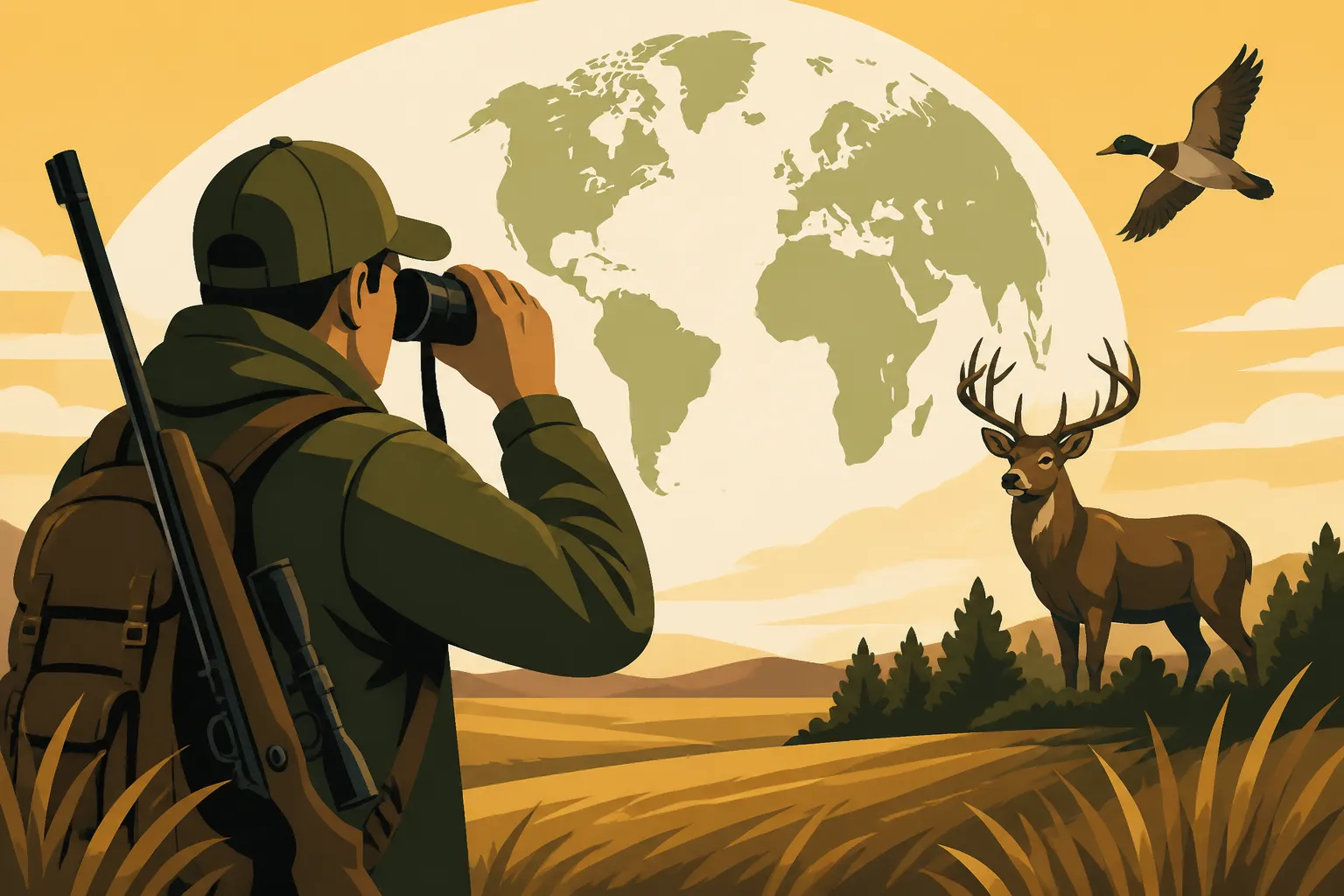
For hunters dreaming of a truly world-class experience, Saskatchewan often tops the list. The vast landscapes, incredible wildlife populations, and the allure of big game have drawn sportsmen and women from all corners of the globe. However, planning a hunt from overseas, especially when navigating Canadian regulations, can feel like a daunting task, filled with questions about permits, firearms, and how to even begin. This guide is here to demystify the process, focusing specifically on what international hunters need to know about booking and undertaking a guided hunt in Saskatchewan, ensuring your adventure is as smooth as possible.
Why Saskatchewan Holds a Special Appeal for Overseas Hunters
Saskatchewan, often called the "Land of Living Skies," offers more than just breathtaking sunrises and sunsets. It presents a unique blend of diverse ecosystems—from the southern prairies to the aspen parkland and the vast boreal forest—each teeming with different game species. For hunters from across the Atlantic or down under, it's an opportunity to experience hunting on a scale and in an environment unlike anything they might have at home.
World-Class Hunting Opportunities
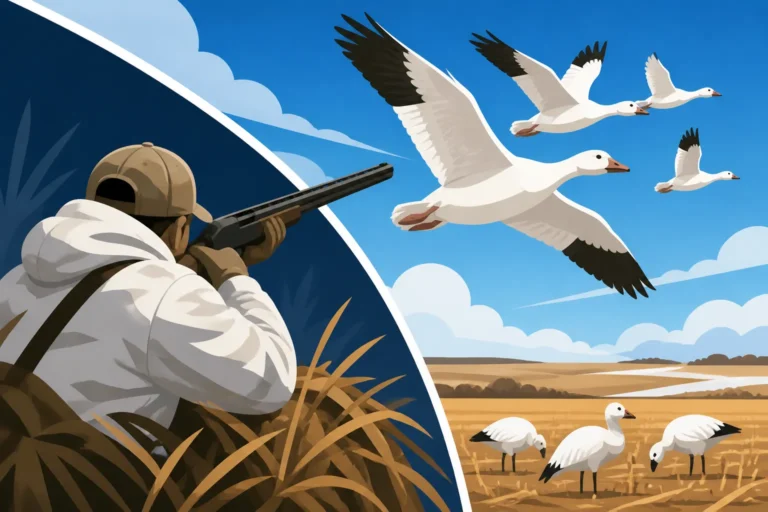
When you think Saskatchewan, many immediately picture giant white-tailed deer. The province has a well-earned reputation for producing some of the largest bucks in North America, consistently yielding trophy-class animals. But it’s not just whitetails; the province also offers exceptional opportunities for moose, black bear, and various upland birds and waterfowl. Imagine calling a bull moose in the crisp northern air or witnessing thousands of geese descend upon a stubble field at dawn. These are experiences that resonate deeply with hunters who travel great distances seeking unparalleled quality and abundance.
Many overseas hunters are accustomed to more restrictive hunting seasons or smaller game populations. Saskatchewan, with its healthy herds and strong conservation efforts, offers a refreshing contrast. The sheer volume of game, coupled with the potential for truly magnificent trophies, makes the journey worthwhile. Whether you're chasing the elusive Why Saskatchewan Bucks Grow So Large or hoping to encounter Colour Phase Black Bears in Saskatchewan, the opportunities are immense and diverse, catering to a wide range of hunting preferences and desires.
Unique Canadian Wilderness Experience
Beyond the quarry, a Saskatchewan hunting trip is an immersion into Canadian wilderness culture. It’s about more than just pulling a trigger; it’s about the quiet mornings in a stand, the camaraderie in a hunting camp, and the raw beauty of the landscape. For hunters coming from Europe or other continents, the vast, unbroken expanses of forest and prairie are often a stark and captivating change. The remoteness in some areas offers a profound sense of solitude and connection with nature that can be hard to find elsewhere.
This isn't just a hunt; it's an adventure that starts from the moment you land. It's experiencing friendly, welcoming communities, perhaps even trying some local fare, and certainly sharing stories around a campfire. The "Canadian experience" extends to the hospitality of outfitters and guides, who often go above and beyond to make international guests feel at home. It’s a chance to disconnect from urban life and reconnect with the wild, forging memories that last a lifetime, long after the antlers are mounted or the geese are cleaned.
Understanding the Legalities and Logistics for International Hunters
Navigating the legal framework for hunting in a foreign country can be intimidating. For overseas hunters coming to Saskatchewan, there are specific requirements concerning travel, firearms, and licensing that are crucial to understand well in advance. Without proper preparation, even the most anticipated trip can encounter frustrating delays or cancellations.
Navigating Canadian Immigration and Travel
Before you even think about packing your hunting gear, you'll need to ensure you meet Canada's entry requirements. Depending on your country of citizenship, you may need a Temporary Resident Visa (TRV) or an Electronic Travel Authorization (eTA) to enter Canada. It's absolutely vital to check the current requirements for your specific nationality well before your planned travel dates. These processes can take time, sometimes weeks or even months, so early application is key to avoid last-minute stress.
The type of entry document needed isn't directly related to hunting but is a prerequisite for getting into Canada at all. Ensure your passport is valid for at least six months beyond your intended departure date. Any past immigration issues, criminal records (including DUIs that might seem minor elsewhere), or even minor infractions can complicate entry into Canada. Being transparent and proactive in addressing potential issues with the Canadian immigration authorities or through your outfitter’s assistance is always the best approach. Don't wait until you're at the airport to discover a problem.
Firearms Declaration and Importation
Bringing firearms into Canada for hunting is a straightforward process, but it requires adherence to specific rules set by the Royal Canadian Mounted Police (RCMP). You cannot simply show up with your rifle. You must complete a Non-Resident Firearm Declaration Form (CAFC 909 EF) in triplicate and present it to a Canadian Border Services Agency (CBSA) officer upon your arrival at the first point of entry into Canada. This form essentially serves as a temporary permit to possess your firearm.
It's critical to fill out this form accurately and honestly. You will pay a fee at the border for this declaration, which is valid for up to 60 days. Crucially, the firearm must be "non-restricted" (most common hunting rifles and shotguns fall into this category) and safely stored and transported. Handguns and certain "restricted" or "prohibited" firearms are generally not permitted for temporary import for hunting purposes. Your chosen outfitter should be able to provide guidance on this, but the responsibility ultimately rests with you. Carrying Bringing Firearms Into Saskatchewan and understanding Ammunition Rules at the Border are essential parts of your trip planning.
Saskatchewan Hunting Licenses and Regulations
As an overseas hunter, you generally cannot hunt big game in Saskatchewan without the services of a licensed outfitter. This is a non-negotiable legal requirement designed to ensure proper management of wildlife resources and a safe, guided experience. Your outfitter will typically handle the process of securing your specific hunting licenses and tags for the species you intend to hunt. This will include acquiring a Wildlife Habitat Certificate and the specific species license, such as a Saskatchewan Moose Licence Cost or a Black Bear Licence Cost and Limits.
Understanding the specific regulations for your hunt, such as season dates, bag limits, and legal methods of take, is also important. While your outfitter will guide you through this, familiarizing yourself with Saskatchewan's hunting guide and general rules is beneficial. For instance, knowing Saskatchewan Blaze Orange Rules or Legal Firearms and Bows for Big Game will help you prepare your gear correctly. Your outfitter will usually manage the application process through the Saskatchewan Hunting, Angling and Trapping (HAL) system, which can be complex for someone unfamiliar with the system.
Customs and Trophy Export
Once your hunt is successful, you'll need to consider how to get your trophy and meat home. This involves navigating Canadian export regulations and your home country's import laws. For most common game species, exporting antlers, capes, and processed meat from Canada is generally straightforward, but specific documentation will be required. This typically involves proof of legal harvest (your tag), an export permit if required by CITES (Convention on International Trade in Endangered Species of Wild Fauna and Flora) for certain species, and proper declarations.
Many outfitters offer services to help arrange local meat processing, taxidermy, and shipping to your home country. This can save immense hassle. Discuss these logistics with your outfitter well in advance to understand timelines and costs. Be aware that shipping can be expensive and take several months, particularly for large trophies. Make sure you understand Shipping Meat Home From Saskatchewan and Taking a Trophy Across the Border to avoid any surprises or delays at customs.
Choosing and Booking the Right Outfitter
For an overseas hunter, an outfitter is more than just a guide; they are your key to a successful, legal, and enjoyable hunt in Saskatchewan. Their expertise, local knowledge, and logistical support are invaluable. The choice of outfitter will significantly shape your entire experience, so it’s not a decision to be taken lightly. Many international hunters rely on platforms like BookYourHunt or GoHunt to begin their search, offering a wide array of choices and reviews.
The Indispensable Role of an Outfitter
As mentioned, it's a legal requirement for non-residents, including international hunters, to hunt big game through a licensed outfitter in Saskatchewan. This isn't just a bureaucratic hurdle; it's a system designed to benefit you. Outfitters possess unparalleled local knowledge of game movements, habitat, and regulations specific to their allocated zones. They scout areas, set up blinds, provide transportation in the field, and often offer accommodation, meals, and field care of your animal.
Their guidance ensures you're hunting legally and ethically, maximizing your chances of success while minimizing risks. They understand the nuances of local weather patterns, the best times to be in a stand, and how to track and recover game efficiently. Without an outfitter, the vastness of Saskatchewan, coupled with unfamiliar terrain and regulations, would make a successful big game hunt exceptionally challenging, if not impossible, for an overseas visitor. Look into Why Non-Residents Must Book an Outfitter for more context.
Vetting Your Potential Outfitter
With many outfitters operating in Saskatchewan, how do you choose the right one? Start by identifying the species you want to hunt, the type of experience you're seeking (e.g., rustic camp, lodge amenities), and your budget. Websites like BookYourHunt can be a great starting point, allowing you to filter by species, location, and price point. Don't just look at glossy photos; dive deep into their reputation. Ask for references from past international clients, especially those from your home country, if possible. Speak to these references directly about their experience.
A reputable outfitter will be transparent about their success rates, what’s included in the package, and any additional costs. Look for outfitters who communicate clearly and promptly. Use platforms like GoHunt to research their history, read detailed reviews, and understand their hunting methods. Confirm their licensing and insurance. A good outfitter will welcome your questions and provide detailed answers, demonstrating their professionalism and commitment to their clients' experiences. Consider reading Choosing the Right Saskatchewan Outfitter for more insights.
Understanding Package Inclusions and Costs
Saskatchewan guided hunt packages vary widely in what they include. Most will cover guiding services, field transportation, meals, and accommodations. Some might include airport pick-up and drop-off, initial meat processing, and trophy care. What’s typically not included are airfare, firearm declaration fees, hunting licenses and tags (though the outfitter facilitates their purchase), gratuities for guides and camp staff, taxidermy, and shipping costs for your trophy and meat.
It's crucial to get a detailed breakdown of all costs in writing before booking. Understand the payment schedule, deposit requirements, and cancellation policies. Be aware that pricing is generally in Canadian Dollars, and exchange rates can fluctuate, so factor this into your budget. Discuss potential extra fees, such as for a second animal or if you prefer specific accommodations. An honest outfitter will lay out all financial aspects clearly, preventing any unwelcome surprises. Don't hesitate to ask What a Saskatchewan Guided Hunt Costs and about Saskatchewan Deposit and Cancellation Terms.
Preparing for Your Saskatchewan Adventure
Once you've booked your hunt, the anticipation builds! Now it's time to shift your focus to preparation, ensuring you arrive in Saskatchewan ready for the challenges and rewards of your trip. Proper planning in the months leading up to your departure will make a significant difference to your comfort, safety, and overall enjoyment.
Gear and Clothing for Saskatchewan Weather
Saskatchewan weather can be unpredictable, especially during hunting season. Fall hunts can range from mild, sunny days to sudden blizzards, particularly in late October and November. Layering is key, and you'll need quality outerwear that is waterproof, windproof, and insulated. Think about thermal underwear, fleece layers, a warm jacket, and good quality rain gear. Don’t forget a warm hat, gloves or mitts, and sturdy, insulated, waterproof boots suitable for walking long distances or sitting still in a cold blind.
Many overseas hunters underestimate the Canadian cold, especially later in the season. Dressing for Saskatchewan's November Cold is not just about staying warm; it's about staying safe and being able to focus on the hunt. In bear country, consider carrying bear spray and knowing how to use it, even if your guide has some. Discuss gear recommendations with your outfitter; they know their specific hunting area and conditions best and can advise on what essentials you absolutely need.
Physical Preparation and Practice
Hunting in Saskatchewan, particularly for species like moose or certain whitetail hunts, can be physically demanding. You might be walking through dense bush, across uneven terrain, or sitting for long hours in a blind. Being in good physical condition will enhance your stamina, comfort, and ability to react when an opportunity arises. Consider a fitness regimen that includes cardio, strength training, and stretching in the months before your trip.
Equally important is practicing with your chosen firearm. You’ll want to be proficient and confident with your rifle or bow. Know your effective range and practice shooting from various positions, including those you might encounter in the field. Many outfitters have a shooting range at camp for a final check, but your primary practice should be done well before you leave home. Discuss expected shot distances with your outfitter – in some areas, shots can be longer than what some hunters are accustomed to.
Cultural Considerations and Camp Etiquette
While Canada is generally a welcoming country, understanding some local customs and camp etiquette can smooth your experience. Canadians are generally polite and appreciate good manners. In a hunting camp, mutual respect, cleanliness, and cooperation are highly valued. Be mindful of noise levels, especially early in the morning or late at night. Your guide and camp staff work hard to ensure your trip is enjoyable, and expressing gratitude is always appreciated. Tipping your guide and camp staff is customary in North America and should be factored into your budget.
Being open to new experiences, whether it's trying local food or adapting to different hunting styles, will enhance your trip. While you might be hunting for a trophy, remember that the experience, the camaraderie, and the respect for the animal and the land are equally important aspects of hunting in Saskatchewan. Embrace the opportunity to learn from your guide and immerse yourself in the local hunting culture.
Table: Key Considerations for Overseas Hunters in Saskatchewan
| Aspect | Challenge for Overseas Hunters | Outfitter's Role / Solution | Your Responsibility |
|---|---|---|---|
| Travel & Entry | Visa/eTA requirements, passport validity | Provide guidance on Canadian entry requirements | Check specific visa needs, ensure valid passport, apply early |
| Firearms Importation | Navigating RCMP forms, storage, allowed firearms | Advise on approved firearms, proper declaration procedures | Complete Non-Resident Firearm Declaration Form (CAFC 909 EF) accurately |
| Licensing & Tags | Understanding provincial regulations, HAL account | Procure required hunting licenses and tags on your behalf | Understand general regulations, provide necessary personal info |
| Local Knowledge | Unfamiliar terrain, game patterns, weather | Provide expert guidance, scouting, field transport, safety | Listen to guide, communicate preferences, be prepared for conditions |
| Trophy & Meat Export | Customs paperwork, CITES, international shipping | Assist with local processing, taxidermy contacts, export documentation | Understand home country import laws, discuss shipping options |
| Language Barrier | If English is not first language | Most outfitters and staff are bilingual or accommodate | Basic English communication, or travel with an interpreter |
Disclaimer
This article is for general informational purposes only and does not constitute professional advice. Laws, prices and regulations vary by location and change over time. Consult a qualified professional for guidance on your specific situation.