Hunting Access Near North Battleford
Finding good hunting access, especially around a regional hub like North Battleford, can feel like trying to crack a secret code. You're surrounded by productive farmland and tantalizing pockets of bush, but knowing where you can legally and ethically set foot, and finding landowners willing to grant access, is often the biggest hurdle for hunters. This guide is all about demystifying hunting access in the North Battleford area, helping you understand the local landscape and giving you practical strategies to find your next hunting spot.
Understanding the Landscape Around North Battleford
The area surrounding North Battleford is a truly unique and productive blend of habitat, making it a highly desirable place to hunt. We're talking about that fantastic transition zone often referred to as the aspen parkland, which gradually gives way to the more dense boreal forest fringe as you head north. This mosaic of ecosystems presents both opportunities and challenges when it comes to securing hunting access.
Wildlife Management Zones (WMZs) in the Area
When you look at a Saskatchewan WMZ map, North Battleford sits smack dab in a prime spot. You'll find yourself in and around zones like 270, 271, 272, and 274. These zones are characterized by a mix of agricultural fields—think endless stubble, vast canola, and pea fields—interspersed with poplar bluffs, willow thickets, and numerous small potholes and sloughs. Further north, you start to nudge into zones like 276 or even 18, where the bush becomes thicker and the agricultural footprint less dominant. Each WMZ has its own nuances, especially concerning draw odds for certain species, but for general access, they all share similar characteristics of land ownership and habitat type.
Understanding these WMZs is your first step in narrowing down your search. While the rules for general hunting are fairly consistent across the province, the types of land available for hunting and the prevalent species can vary subtly from one zone to the next. For instance, while you'll find plenty of whitetails across all these zones, the density and presence of other species like moose might shift as you move further into the forest fringe compared to the more open parkland around the city itself. Make sure to consult an up-to-date Reading a Saskatchewan WMZ Map Before You Go before you head out.
Dominant Land Types and Features
The landscape around North Battleford is a patchwork quilt of private agricultural land, provincial Crown land, and specific parcels managed by the Saskatchewan Fish and Wildlife Development Fund (FWDF). The vast majority of the easily accessible land immediately surrounding the city will be privately owned, typically by farmers and ranchers. These folks are working their land, and respecting their property and livelihoods is paramount to successful access.
Interspersed within this private checkerboard, you'll find pockets of Crown land, often in less productive agricultural areas, or along river valleys like the North Saskatchewan River. These can be incredible havens for wildlife and, critically, offer public access. The key is knowing how to identify them and understanding the regulations for hunting them. Then there are the FWDF lands, which are properties purchased or leased specifically for wildlife habitat and public hunting access. These are invaluable resources for hunters. Beyond these, you'll also encounter the occasional community pasture, which has its own unique access considerations.
This diverse mix of land types means your approach to gaining access will vary significantly. You can't just assume public access on every bush bluff or slough ring you spot; instead, you need to be strategic in identifying who owns the land and what steps are required to legally hunt there. This is where tools like mapping apps become invaluable, as they help differentiate public from private land.
Navigating Public Land Opportunities
It can feel overwhelming, but Saskatchewan actually boasts a good amount of public land, even in seemingly private-dominated areas like around North Battleford. The trick is knowing where to look and understanding the specific rules that apply to each type. These public lands can be a real lifeline for hunters who aren't able to secure private land permission.
Hunting on Provincial Crown Land
Saskatchewan's Crown land is a fantastic resource, and near North Battleford, you'll find it scattered in various forms. It might be large blocks of unbroken bush and wetlands, smaller quarter sections that farmers deemed too wet or rocky to cultivate, or riparian zones along rivers and creeks. The primary benefit of Crown land is that it's generally open to public hunting without needing specific permission, provided you have the appropriate hunting licenses. This is a huge relief for many hunters who find the "door knocking" aspect of hunting the most daunting.
However, "generally open" doesn't mean "anything goes." You still need to abide by all provincial hunting regulations, and there are rules about vehicle access, camping, and constructing permanent stands. For instance, while you can drive on established trails, going off-road in certain areas might be restricted. When exploring these tracts, it's always smart to have a good map that clearly delineates Crown land boundaries. Tools like onX Hunt are incredibly useful for this, as they layer land ownership information right onto your satellite imagery, showing you exactly where you can and cannot go. Remember, even on Crown land, you might encounter other users like trappers, hikers, or recreationalists, so always be respectful and safety-conscious. You can learn more about Saskatchewan's Crown Land Access to ensure you're compliant.
Fish and Wildlife Development Fund (FWDF) Lands
The FWDF lands are truly special and a testament to what dedicated conservation efforts can achieve. These are parcels of land, often excellent wildlife habitat, that have been acquired or leased by the provincial government specifically for wildlife enhancement and public access. Near North Battleford, you can find these gems tucked away, providing critical habitat for deer, moose, waterfowl, and upland birds. They act as natural sanctuaries and hunting grounds, typically clearly marked with signs indicating "Fish and Wildlife Development Fund Land – Public Hunting Area."
The beauty of FWDF lands is that they are explicitly set aside for public hunting. You don't need to ask permission; you just need to have your valid hunting license and adhere to the regular hunting regulations for the zone. This makes them an excellent option, particularly for new hunters or those who struggle with private land access. However, because they offer guaranteed access, they can sometimes see higher hunting pressure, especially on opening weekends. It's often worth scouting these areas outside of peak times, or focusing on less accessible corners if you want to avoid crowds. Being familiar with Saskatchewan's FWDF Land Access Rules will help you maximize your time on these lands.
The Art of Gaining Private Land Access
Let's be real, a significant portion of the prime hunting ground around North Battleford is privately owned. From vast grain fields to cozy bush pockets, a lot of the best spots are on someone's deeded property. This means that to unlock these opportunities, you often need to master the art of asking for permission. It's not always easy, and it requires a respectful approach, but the rewards can be incredible.
Asking for Permission from Landowners
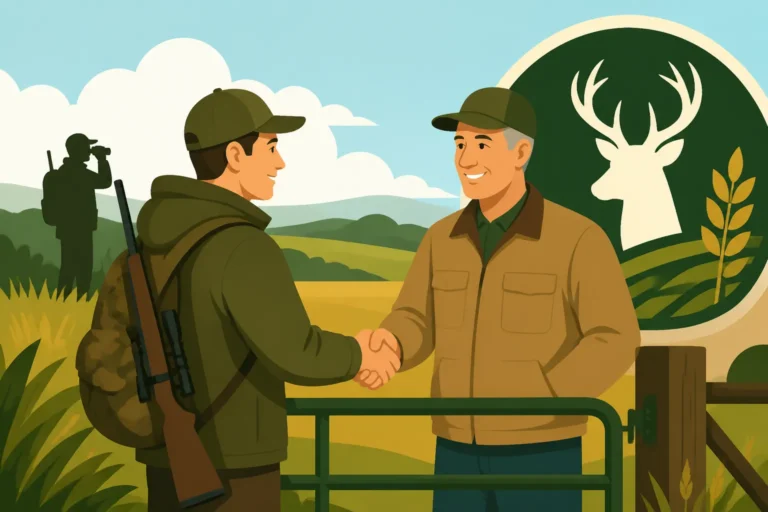
The golden rule of hunting private land in Saskatchewan is simple: you must have permission. This isn't just a courtesy; it's the law. Many hunters feel a knot in their stomach just thinking about knocking on a stranger's door, but cultivating good relationships with landowners is the single most effective way to gain access in areas like North Battleford. Start by being polite, respectful, and clear about your intentions. Don't show up in camo with a rifle slung over your shoulder. Present yourself neatly, and be prepared for a "no." A "no" isn't a personal rejection; it might be because they already have hunters, they're hunting themselves, or they simply aren't comfortable with strangers on their land.
When you do get a "yes," be incredibly clear about the boundaries, what species you're after, and when you plan to hunt. Offer to share some game meat if you're successful. Leave the gates as you found them, pick up any trash (even if it's not yours), and always, always follow up with a thank-you, perhaps a card or even a small gift at Christmas. Building these relationships takes time and effort, but a friendly landowner who trusts you can become your best ally. I've found success by offering to help with small chores, or just dropping by in the off-season for a friendly chat. You'll find more tips in Getting Private Land Permission in Saskatchewan.
Understanding Posted Land
You've probably driven by countless fields and bush lines adorned with "Posted," "No Hunting," or "No Trespassing" signs. These signs are legally binding and mean exactly what they say. Disregarding them isn't just unethical; it's illegal and can result in significant fines and loss of hunting privileges. Around North Battleford, where agricultural density is high, you'll see a lot of posted land. This is often due to landowners wanting to control who is on their property, concerns about liability, or simply because they or their family members hunt those specific parcels.
It's tempting to think that "posted" means "never any hunting," but sometimes a posted sign simply indicates that the landowner wants to know who is on their land. In some cases, a polite conversation can still lead to permission, especially if you can demonstrate trustworthiness and respect. However, never assume. If it's posted, you either need explicit permission, or you need to move on. Using reliable mapping apps like onX Hunt can help you identify land boundaries and whether it's clearly marked as private. Always check Saskatchewan Landowner Permission Law for the latest regulations.
Dealing with Urban Edges and Hunting Pressure
Hunting around a larger community like North Battleford brings with it certain considerations that you might not face in more remote parts of the province. Higher population density means more houses, more roads, and more general activity. This translates into both safety zones and often, increased hunting pressure on accessible lands.
Safety Zones and Proximity to Dwellings
One of the most critical rules to remember, especially near any town or dwelling, is the safety zone. You cannot discharge a firearm within a certain distance of an occupied building, and this distance can vary depending on the type of firearm. This rule is in place for obvious safety reasons and is strictly enforced. Around North Battleford, where farmyards, acreages, and even smaller towns are dotted throughout the landscape, this means you need to be acutely aware of your surroundings. A prime bush bluff might look great, but if it's too close to a farmhouse, it's off-limits.
This constraint can reduce the effective hunting area in certain locations, pushing hunters further out or into less obvious pockets of cover. It's vital to know these regulations inside and out and to err on the side of caution. A rangefinder can be a useful tool for confirming distances to buildings before you even consider setting up. Always prioritize safety, and if there's any doubt about being within a legal shooting distance, find another spot.
Managing Hunting Pressure on Public Lands
Because private land access can be challenging, public lands, including Crown land and FWDF parcels, often bear the brunt of hunting pressure. On popular hunting weekends, especially early in the season, you might find other vehicles parked where you intended to hunt, or even encounter other hunters in the field. This can be frustrating, but it's a reality of hunting closer to population centers.
To mitigate this, consider hunting during weekdays if your schedule allows, or targeting areas that require a bit more effort to access. The farther you're willing to walk from a main road or trail, the less likely you are to encounter other hunters. Another strategy is to embrace the late season. Many hunters pack it in when the weather turns cold, but with appropriate gear, some of the best hunting can be had when others are home by the fire. Species like Hunting Whitetails at Thirty Below can be excellent during these times. Scouting thoroughly beforehand can also reveal lesser-known pockets of cover that might be overlooked by others.
Tools and Resources for Scouting and Planning
In today's hunting world, technology has given us incredible tools to scout and plan before we even set foot in the field. For hunting access around North Battleford, these resources are not just helpful; they're practically essential for efficient and successful hunting.
Digital Mapping and Land Ownership Apps
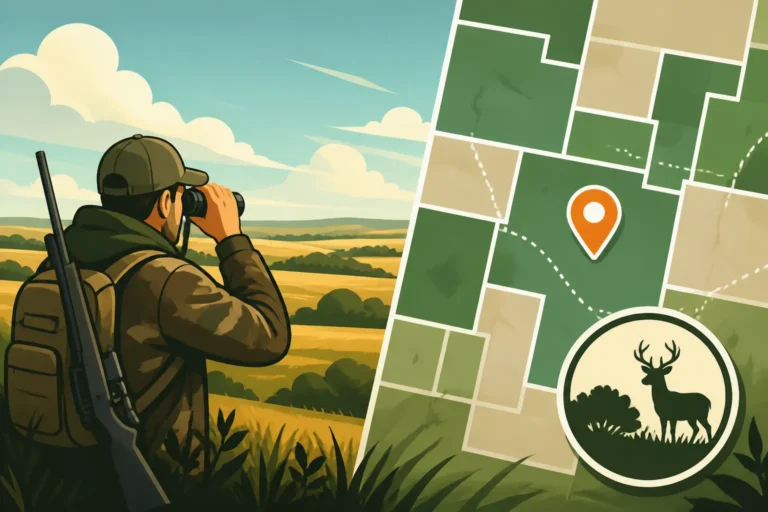
Gone are the days of relying solely on paper maps and vague directions. Digital mapping apps are revolutionary for identifying land ownership, topographical features, and potential hunting hot spots. Brands like onX Hunt and GoHunt (though GoHunt often focuses more on western US species and draws, onX Hunt is particularly strong for land access layers in Saskatchewan) have made it possible to see detailed property boundaries, identifying Crown land, FWDF parcels, and private holdings right on your smartphone or tablet. This information is invaluable for pre-season scouting and navigating in the field.
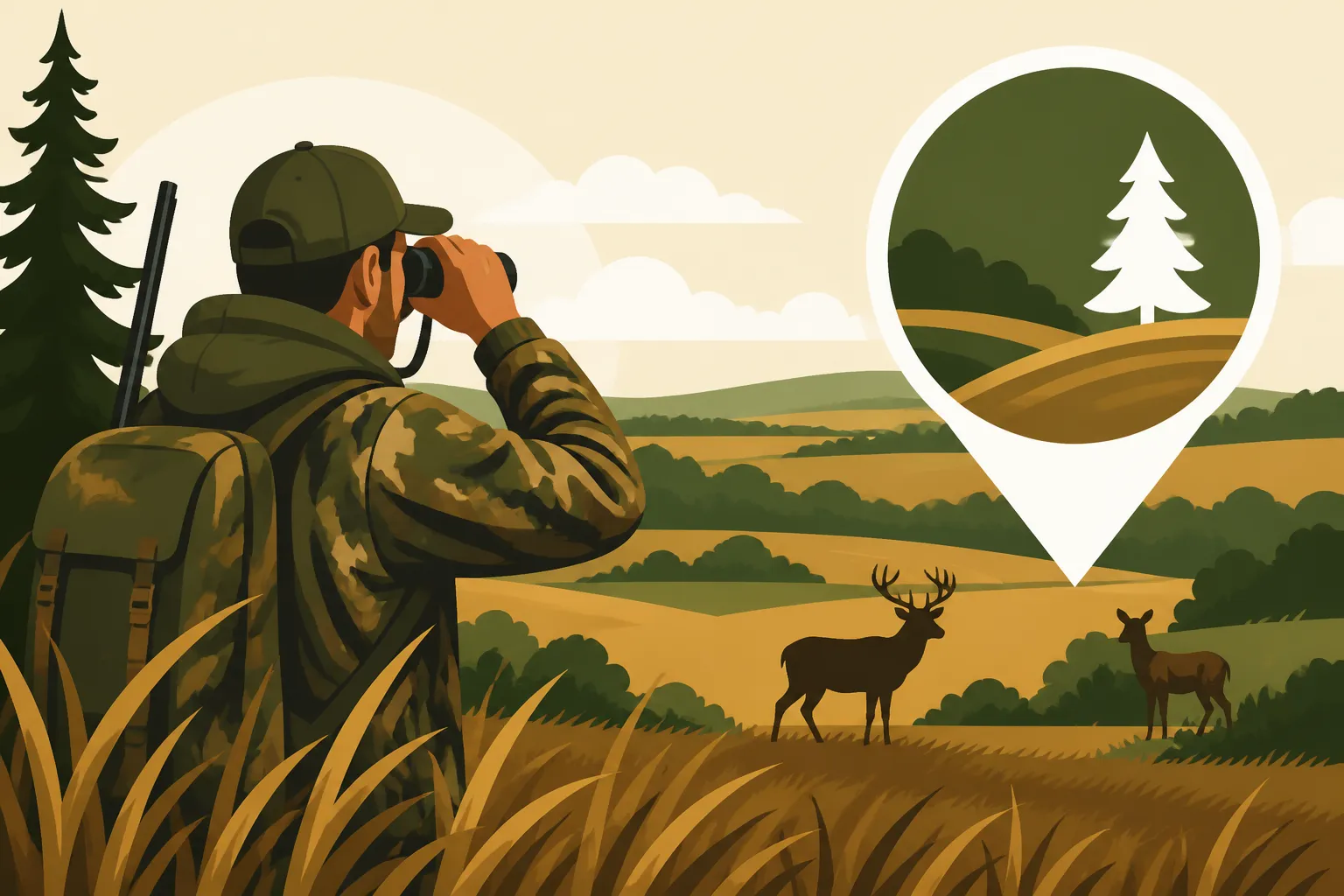
These apps also offer satellite imagery, topographic maps, and even public access overlays. You can mark waypoints for potential stand locations, track your movements, and measure distances. For the North Battleford area, using such an app allows you to quickly differentiate between a private farm field and an adjacent sliver of Crown land that might hold deer or ducks. It's like having a local expert in your pocket, significantly reducing the guesswork and saving you precious hunting time. Scouting With Satellite Imagery in Saskatchewan is a must-read if you're not already utilizing these tools.
Leveraging Local Knowledge and Community Groups
While digital tools are powerful, nothing truly replaces good old-fashioned local knowledge. Talking to people who live and work in the North Battleford area—farmers, ranchers, local conservation officers (respectfully, of course), or even just folks at the coffee shop—can yield insights that no app can provide. They might know about a particular slough that holds ducks year after year, a farmer who's generally open to hunters, or a bush patch that tends to hold big bucks.
Local hunting and wildlife conservation groups, such as the Saskatchewan Wildlife Federation (SWF) branches in the North Battleford region, can also be incredible resources. These groups often work with landowners, manage specific wildlife habitat projects, and are generally full of experienced hunters willing to share advice. Becoming a member or attending a local meeting can open doors to information and networking opportunities that are otherwise hard to come by. These connections can lead to finding fantastic opportunities for Hunting Saskatchewan Ground Others Drive Past.
Species-Specific Access Considerations
While the general principles of land access apply to all game, certain species will influence where and how you seek permission or identify public hunting grounds around North Battleford. Understanding the habitat preferences of your target species can guide your search for access.
Whitetail Deer Hunting
White-tailed deer are abundant around North Battleford, thriving in the mixed habitat of aspen bluffs, dense willow rings, and agricultural fields. For whitetails, prime hunting access will often mean seeking permission on private land that contains these desirable cover types, especially those bordering crop fields that provide ample food. You'll want to focus on areas with good cover-to-food ratios. Bushy creek bottoms, shelterbelts, and uncultivated bluff systems are all whitetail magnets.
On Crown land or FWDF parcels, look for similar features: river valleys, large tracts of uncultivated bush, or even smaller, overlooked patches of timber surrounded by private fields. Deer will utilize every bit of available cover. Access to Hunting Whitetails on Saskatchewan Farmland is often key to success, and this almost always involves a conversation with the landowner. Remember that during the rut, these deer move widely, often crossing property lines, making broad access even more important.
Waterfowl Hunting
The North Battleford area is a renowned waterfowl mecca, sitting squarely in the migration corridor and offering countless potholes, sloughs, and grain fields. For ducks and geese, access is almost entirely tied to agricultural fields (for feeding) and wetlands (for resting). This means private land access is absolutely crucial for many prime waterfowl hunts. Farmers are often more willing to grant permission for waterfowl hunting, especially if birds are causing crop damage.
When seeking access, focus on identifying fields with good stubble or swathed crops (peas, barley, wheat, canola) that are attracting birds. Digital scouting can help identify potential feeding fields, but ground scouting to confirm bird presence is essential. Many onX Hunt users also look for sloughs and potholes on or near these fields. Public access for waterfowl can be found on larger provincial waterways and lakes, as well as on many FWDF lands that contain wetlands. However, for a truly epic field hunt for Field Hunting Geese in Saskatchewan Stubble, knocking on doors is usually your best bet.
Upland Bird Hunting
Hungarian partridge and sharp-tailed grouse are the most common upland birds in the North Battleford vicinity, with ruffed grouse becoming more prevalent as you move north into the forest fringe. For Huns, you'll be looking for access to farmland, especially areas with good shelterbelts, treelines, and brushy fence rows where they can find cover from predators and winter storms. They're often found along the edges of grain fields or in areas of mixed farming.
Sharp-tailed grouse prefer native grasslands, brushy pastures, and the edges of cultivation, often congregating in larger prairie or parkland tracts. Ruffed grouse, on the other hand, are strictly bush birds, found in the denser poplar bluffs and willow thickets. Public access for upland birds can be found on many FWDF lands and suitable Crown land parcels. For Hunting Hungarian Partridge on Saskatchewan Farms, securing private land permission is often ideal, as they hold tight to brushy cover on farmsteads. When exploring bush, look for Hunting Ruffed Grouse Hunting Saskatchewan's Bush Trails on Crown or FWDF lands.
| Land Type | Typical Access Requirement | Common Species | Best Use Case | Challenges |
|---|---|---|---|---|
| Private Farmland | Permission from Landowner | Whitetail, Waterfowl, Huns | Field hunting, specific cover targeting | Difficulty securing permission, respecting farmer's operations |
| Provincial Crown Land | No specific permission needed | Whitetail, Moose, Upland | Exploring larger bush tracts, less pressure if remote | Identifying boundaries, vehicle restrictions, general hunting pressure |
| FWDF Lands | No specific permission needed | Whitetail, Waterfowl, Upland | Guaranteed public access to good habitat | Can experience high pressure, smaller parcels sometimes |
| Community Pastures | Varies (often permission needed) | Mule Deer, Moose, Whitetail | Large grazing areas, mixed habitat, good for scouting | Contacting manager, specific rules for livestock, limited hunting windows |
Final Thoughts on Access Around North Battleford
Hunting near North Battleford offers a diverse and exciting experience, but it undeniably requires a proactive and respectful approach to access. You're operating in an area where the human footprint is significant, and the land is highly valued for both agriculture and recreation. The key to successful hunting here isn't just about knowing your species and gear, but about mastering the art of land access.
Whether you're pouring over onX Hunt layers to pinpoint that perfect piece of Crown land, or politely Knocking on Doors in Saskatchewan Farm Country in hopes of gaining private access for a prime whitetail setup, patience and persistence are your greatest allies. Remember, every hunter benefits when we treat the land, its owners, and fellow outdoor enthusiasts with the utmost respect. That goodwill goes a long way in ensuring future generations can continue to enjoy the incredible hunting opportunities Saskatchewan has to offer, even right on the edge of a bustling community like North Battleford. Good luck out there, and happy hunting!
Disclaimer
This article is for general informational purposes only and does not constitute professional advice. Laws, prices and regulations vary by location and change over time. Consult a qualified professional for guidance on your specific situation.