Hunting Access Near Yorkton
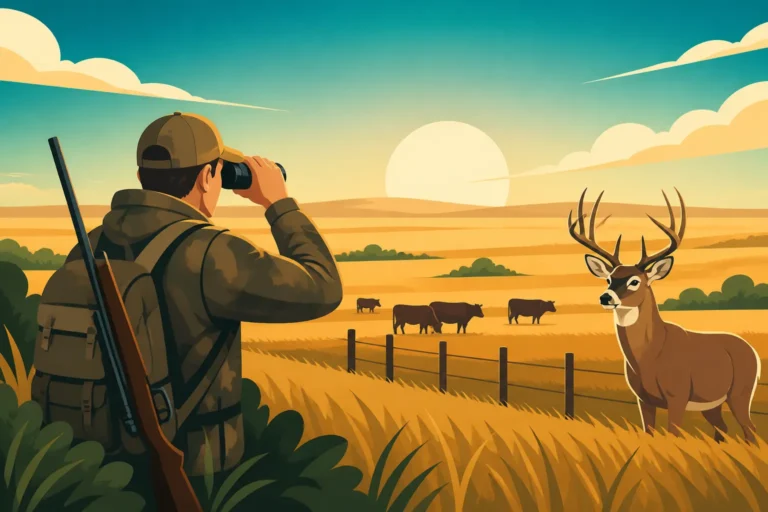
Finding quality hunting land around a more populated area like Yorkton can feel like a real challenge, with so much ground privately owned and often already spoken for. It's a common frustration many hunters face when trying to balance their passion with accessibility. This guide will help you navigate the various options for hunting access near Yorkton, from understanding different land types to effectively securing permission, so you can spend less time searching and more time in the field.
Understanding Public Hunting Opportunities Near Yorkton
Even around an agricultural hub like Yorkton, there are still pockets of public land that offer hunting opportunities. These aren't always vast stretches of untouched wilderness, but rather smaller, often fragmented parcels that require a bit more legwork and local knowledge to uncover. Knowing where to look and what rules apply is half the battle.
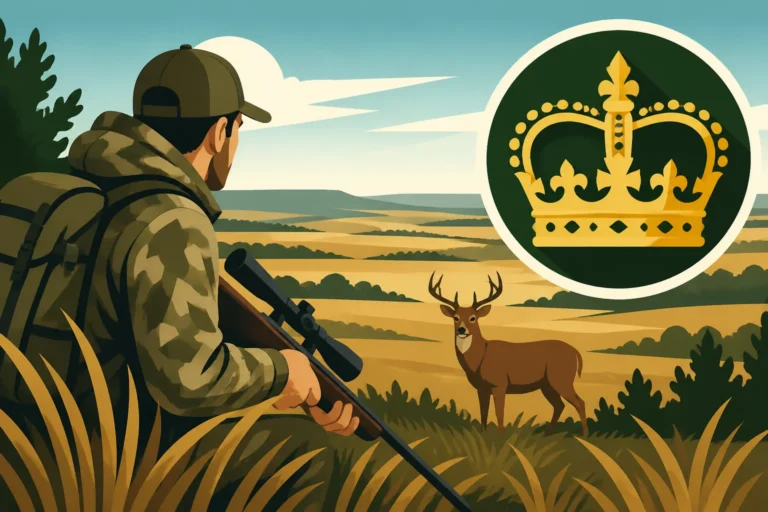
Crown Land and Provincial Forests
Saskatchewan has a fair bit of Crown land, even in the southern and central parts of the province, and some of it is accessible for hunting. Around Yorkton, you're primarily in the Aspen Parkland ecoregion, which means much of the Crown land will be smaller bluffs, slough edges, and treed areas, rather than massive forest blocks. It’s not like heading deep into the boreal forest, but these smaller parcels can still hold some fantastic game. Think about the broken country where agriculture gives way to brush and small stands of poplar. These transition zones are often hotspots for whitetails and even some elk or moose, particularly in wildlife management zones that straddle the forest fringe.
You'll need to confirm the specific boundaries and access points for any Crown land you target. Tools like onX Hunt are incredibly valuable here, as they overlay land ownership data onto topographical maps, allowing you to clearly distinguish between public and private holdings. Always double-check with the provincial land office or local conservation officers if you're unsure about access or regulations. Remember that even public land might have specific restrictions, especially near residences or within certain municipal boundaries. Knowing Hunting Saskatchewan's Aspen Parkland is key to success in this region.
Fish and Wildlife Development Fund Lands
The Fish and Wildlife Development Fund (FWDF) lands are another excellent resource for hunters in Saskatchewan, and you'll find these parcels scattered throughout the province, including in the general vicinity of Yorkton. These lands are specifically acquired or managed by the province for wildlife habitat and public hunting access. They are often marked with distinctive green and white signs, indicating they are FWDF lands open to public hunting.
While these areas are specifically designated for public access, they still have rules. Typically, motorized vehicles are restricted to designated trails or access points, and sometimes specific species or hunting methods might have limitations. Always refer to the most current provincial hunting guide for the specific regulations that apply to FWDF lands. These parcels, though often smaller than vast tracts of Crown land, are managed with wildlife in mind, meaning they can be productive spots for waterfowl, upland birds, and various big game species depending on the habitat. They are a true asset for hunters looking for readily identifiable public access. You can learn more about Saskatchewan's FWDF Land Access Rules to maximize your chances.
Navigating Private Land Access Challenges
The vast majority of land around Yorkton is privately owned, predominantly agricultural land. This means that if you want to hunt big game or birds on these productive acres, you absolutely need to obtain permission from the landowner. This isn't just a courtesy; it's the law in Saskatchewan, and violating it can lead to serious penalties.
The Importance of Landowner Permission
Asking for permission can feel intimidating, but it's a fundamental part of ethical hunting in Saskatchewan. Many landowners are receptive to hunters who are respectful, responsible, and professional. The key is to approach them at the right time, with the right attitude, and with a clear understanding of what you're asking for. Don't show up on opening morning expecting to walk right onto their land. Instead, plan to visit well in advance of the season, perhaps in late summer or early fall, when farmers aren't in the peak of harvest.
When you speak with a landowner, be clear about your intentions: what you want to hunt, when you plan to hunt, and how you will access their property. Offer to share your contact information and ask if there are any specific areas they'd prefer you avoid, or if they have specific instructions regarding gates, livestock, or their own hunting plans. Building a good relationship can lead to long-term access, which is invaluable. Remember, Knocking on Doors in Saskatchewan Farm Country is an art, not a science.
Identifying Landowners and Contacting Them
Finding out who owns a specific parcel of land can be done in a few ways. Online mapping tools like onX Hunt or GoHunt are incredibly powerful for this, often providing landowner names and sometimes even contact information directly on the map. This saves you a lot of guesswork and driving around. If you don't have access to these, you might need to do some old-fashioned detective work, asking at local co-ops, general stores, or even other landowners who might know their neighbours.
Once you have a name, a polite phone call is often the best first step to introduce yourself and ask if a good time exists for a quick chat in person. Always be prepared to be told no, and accept it gracefully. Even if one landowner says no, another might say yes, and you don't want to burn any bridges. Be ready to explain your hunting experience, your commitment to safety, and your understanding of responsible land use. Carrying a laminated copy of your hunting license and hunter education certificate can also show your seriousness.
Respecting Posted Land
Around Yorkton, like anywhere in Saskatchewan, you will encounter "Posted" signs. These signs are a clear indication that access to that private land is restricted, and hunting is prohibited without explicit permission. It's not a suggestion; it's a legal directive. Disregarding these signs is trespassing, and it can result in fines, loss of hunting privileges, and a black mark against all hunters in the community.
Understanding Saskatchewan's Posted Land Sign Rules is critical. A properly posted sign must clearly indicate that hunting is prohibited, and generally, it must be visible at typical access points. Even if land isn't explicitly "posted," it is still private property, and permission is required. Never assume that unposted land is open for hunting. When in doubt, always seek permission. If you've gained permission for one parcel, that permission does not extend to adjacent parcels, even if they appear to be part of the same operation. Each landowner must grant permission individually.
Community Pastures and Other Managed Lands
Beyond Crown land and private farms, Saskatchewan has a unique system of Community Pastures and other managed lands that can sometimes offer hunting access. These areas operate under specific rules, and understanding them is crucial for a successful hunt.
Understanding Community Pastures
Community Pastures in Saskatchewan come in a few different forms, primarily federal, provincial, or patron-run. These lands are generally managed for livestock grazing, but many also allow public hunting, often with specific conditions. Around Yorkton, you might find some of these pastures, particularly if you venture into the slightly more rugged or less intensively farmed areas. They can be excellent spots for big game like whitetails, mule deer (especially further west), and even moose or elk if the habitat supports them.
Accessing Community Pastures often requires contacting the pasture manager directly. Their contact information can sometimes be found online or by asking at local rural municipalities or agricultural offices. Be sure to inquire about specific hunting seasons, access routes (as vehicle traffic might be restricted to prevent livestock disturbance or damage to roads), and any no-hunting zones, such as around corrals or residences. The rules can vary from one pasture to another, so always do your homework. They are a unique opportunity, but they demand respect for the primary agricultural use of the land.
Federal and Provincial Pastures
Historically, many large tracts of land were designated as federal Community Pastures, later transitioning to provincial management or local patron boards. These pastures were established to provide grazing land for local farmers and ranchers. Today, whether federally or provincially managed, these areas offer significant wildlife habitat and, in many cases, hunting opportunities.
For federal pastures that remain, or provincial pastures, specific regulations are usually available through government websites or by contacting the managing authority. These documents will outline permissible activities, hunting seasons, and any areas that are off-limits. They often represent some of the larger continuous blocks of accessible land in more agricultural areas, making them valuable resources for hunters who are willing to put in the effort to understand and adhere to the specific rules. Always be mindful of livestock, keep gates as you found them, and practice low-impact hunting to ensure these opportunities continue to be available.
Wildlife Refuges and Conservation Areas
While some conservation areas or wildlife refuges might seem like ideal hunting spots, many of them have very specific regulations, and often, hunting is completely prohibited or heavily restricted. Near Yorkton, you might encounter areas managed by organizations like Ducks Unlimited Canada or other conservation groups. These sites are primarily focused on habitat preservation and restoration, particularly for waterfowl and other migratory birds.
It is absolutely essential to research the rules for any specific refuge or conservation area before assuming you can hunt there. Some might allow hunting for certain species during specific times, while others are strictly "no hunting" zones. Always check official signage and provincial regulations. Misinterpreting the rules in these areas can lead to serious fines and damage to the reputation of hunters. The goal of these areas is to protect wildlife, and hunters must respect that overarching objective.
Leveraging Technology for Scouting and Access
In today's hunting world, technology has become an indispensable tool for scouting and gaining access, especially in areas like Yorkton where land ownership is complex and access isn't always obvious. Digital mapping platforms and online resources can dramatically reduce the time and effort spent searching for viable hunting spots.
Digital Mapping and GPS Tools
Gone are the days of relying solely on paper maps and word-of-mouth. Modern digital mapping applications, such as onX Hunt and GoHunt, have revolutionized how hunters locate and gain access to land. These platforms allow you to view detailed topographical maps, satellite imagery, and, critically, land ownership boundaries, often including the landowner's name.
Using an app like onX Hunt, you can zoom in on areas around Yorkton, identify blocks of Crown land or FWDF parcels, and see exactly where private property lines begin. You can mark waypoints, track your movement, and even plan your approach to avoid trespassing inadvertently. For private land, having the landowner's name readily available means you can approach them directly, rather than guessing. This level of detail is invaluable, especially when you're scouting from afar or trying to understand fragmented land ownership patterns. Knowing Scouting With Satellite Imagery in Saskatchewan can give you a significant advantage.
Online Resources and Forums
Beyond dedicated hunting apps, various online resources and forums can provide valuable insights into hunting access near Yorkton. Provincial government websites are your first stop for official information on regulations, wildlife management zones, and general Crown land maps. The Saskatchewan Ministry of Environment's website is a treasure trove of information, including interactive maps that can show Crown land parcels.
Hunting forums and social media groups dedicated to Saskatchewan hunting can also be a good place to ask for general advice, though specific "hot spot" locations are rarely shared openly (and for good reason!). You might find discussions about general access challenges in the Yorkton area, tips for approaching landowners, or information about local hunting clubs that might have access to leased land. Always cross-reference information found online with official sources to ensure accuracy and compliance with current regulations.
Practical Considerations for Hunting Near Yorkton
Successfully hunting around Yorkton involves more than just finding land; it also means being prepared for the conditions, understanding the local game, and adhering to ethical hunting practices. These practical considerations can make or break your hunt.
Popular Game Species and Seasons
The area around Yorkton is primarily known for its abundant white-tailed deer. You'll find good numbers of whitetails, especially in the bluffs, willow runs, and shelterbelts that break up the agricultural fields. The region also hosts a healthy population of moose, particularly in the larger bush pockets and along river systems. While less common, elk herds are expanding their range, and you might encounter them in certain areas.
For bird hunters, Yorkton is a waterfowl paradise during migration, with countless ducks and geese staging in the grain fields and sloughs. Upland birds like sharp-tailed grouse and Hungarian partridge are also plentiful in the native grasslands and farm edges. Understanding the specific Saskatchewan Big Game Season Dates and Saskatchewan Game Bird Seasons and Limits for the WMZ you plan to hunt is paramount. The seasons vary, so always consult the provincial hunting guide.
Dealing with Agricultural Activity
Hunting in an agricultural landscape means being acutely aware of farming operations. Farmers are working their land, sometimes from dawn until well after dusk, especially during seeding and harvest. It’s crucial to avoid disturbing their work. This means:
- Timing Your Hunt: Avoid hunting during peak agricultural activities if possible, or ensure your presence doesn't interfere.
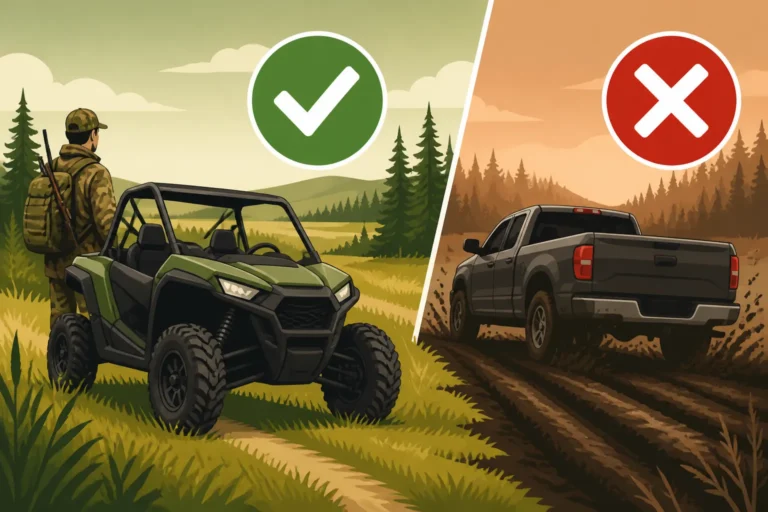
- Vehicle Access: Stick to established trails or field approaches. Do not drive on cultivated fields, even if they appear barren. Muddy conditions can cause significant damage.
- Livestock: Be aware of cattle or other livestock. Never harass or spook them. Keep gates closed or open them as you found them.
- Harvested Fields: Many game animals, especially deer and geese, utilize harvested fields. Be mindful of any remaining crop or stubble, and ensure you're not damaging equipment or future yields.
A good rule of thumb is to always leave the land in better condition than you found it. This respects the landowner and helps maintain future access for all hunters.
| Land Type | Access Requirements | Typical Game Species | Pros | Cons |
|---|---|---|---|---|
| Crown Land | Public Access (confirm specific rules) | Whitetail, Moose, Waterfowl, Upland Birds | Free, often less pressure than private land (if remote) | Can be fragmented, harder to locate, remote access issues |
| FWDF Lands | Public Access (follow posted rules) | Whitetail, Moose, Waterfowl, Upland Birds | Managed for wildlife, clearly marked, reliable habitat | Can be smaller parcels, some restrictions on vehicles |
| Private Land | Mandatory Landowner Permission | Whitetail, Moose, Elk, Waterfowl, Upland Birds | Access to prime habitat, potentially exclusive hunting | Requires effort to gain permission, can be denied |
| Community Pastures | Contact Manager for Permission/Rules | Whitetail, Mule Deer, Moose, Elk, Upland Birds | Larger tracts of land, good habitat | Specific rules, may be busy, livestock present |
| Wildlife Refuges/Cons. Areas | Highly Restricted or Prohibited (check specific rules) | (Varies, often no hunting) | Important for conservation | Hunting often not allowed or heavily restricted |
Staying Safe and Legal
Hunting responsibly involves more than just getting permission. It means being safe, ethical, and fully compliant with all provincial and federal regulations.
- Hunter Education: Ensure you have completed your Saskatchewan Hunter Education Requirements and carry proof.
- Blaze Orange: Adhere to blaze orange requirements, especially during big game seasons. How Much Blaze Orange Saskatchewan Requires is a detail you don't want to overlook.
- Firearms Safety: Always practice strict firearms safety. Be aware of your surroundings, beyond your target, and never shoot towards residences, farmyards, or public roads. Rules on Shooting Across a Road are particularly important in agricultural areas.
- Tagging and Validation: Immediately validate your tag upon harvesting an animal and attach it as required. Transporting game properly and abiding by evidence of sex rules is also crucial.
- CWD Testing: Be aware of Saskatchewan's CWD Testing Rules, especially if hunting in designated mandatory testing zones. Knowing where to drop off a head for testing is a good plan.
- Respectful Conduct: Be a good ambassador for hunting. Pack out all your garbage, respect property, and always follow the law. This ensures that hunting opportunities remain open for future generations.
Disclaimer
This article is for general informational purposes only and does not constitute professional advice. Laws, prices and regulations vary by location and change over time. Consult a qualified professional for guidance on your specific situation.