Vehicle Rules on Saskatchewan Crown Land
Navigating Saskatchewan's vast and diverse landscapes for a hunting adventure is an incredible experience, but one common source of stress and confusion for many hunters, especially those new to certain areas, revolves around vehicle access on Crown land. It’s not always as simple as driving wherever you please, and understanding the nuances of where you can and cannot take your truck, ATV, or UTV can save you a heap of trouble, fines, and even potential damage to the land you love. This guide is here to untangle those rules and help you travel responsibly and legally while chasing your next trophy or filling your freezer.
Understanding Saskatchewan's Crown Land and Access Principles
Saskatchewan boasts an incredible amount of public land, often referred to as Crown land, which is a fantastic resource for hunters. However, just because it's public doesn't mean it's a free-for-all when it comes to vehicle use. The rules are designed to balance public access with environmental protection, wildlife habitat preservation, and sustainable land use. It's a system built on respecting the land and ensuring it remains viable for future generations of hunters and outdoor enthusiasts.
What is Crown Land, Really?
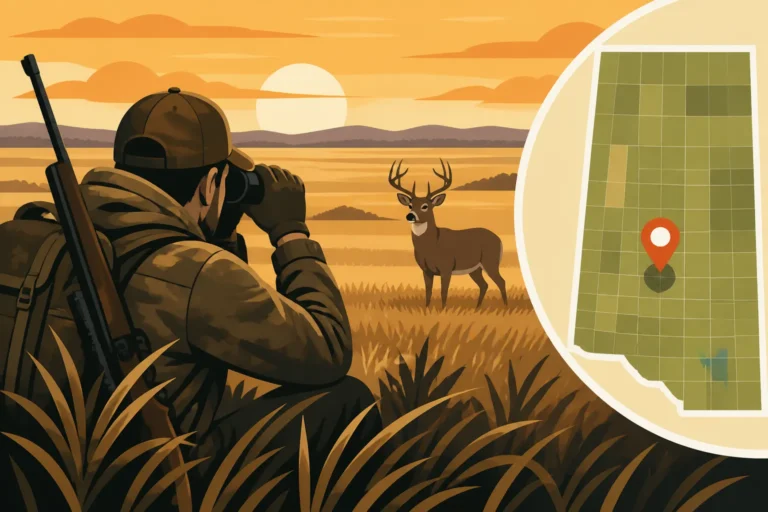
Crown land in Saskatchewan refers to land owned by the provincial government, held "in trust" for the public. This includes everything from vast boreal forests in the north to tracts of aspen parkland, river valleys, and even some prairie sections. It's not always obvious where Crown land begins and private land ends, which is why tools like onX Hunt have become so invaluable for hunters today. These digital maps overlay property boundaries directly onto satellite imagery, allowing you to clearly see what is public and what is private, and thus, where different rules might apply. Knowing precisely where you are is the first step to understanding what you can and cannot do with your vehicle.
Beyond just ownership, Crown land comes with different designations. Some areas might be managed for timber, others for grazing, and many for wildlife habitat. Each of these designations can come with its own set of rules and restrictions, some of which directly impact vehicle use. It’s not just a blanket rule across all Crown land; specific areas might have unique guidelines you need to be aware of before you even load your ATV onto the trailer. For a broader understanding of how these lands are designated and managed, you might find Saskatchewan's Crown Land Access helpful.
The General Principle: Respect and Responsibility
At its heart, the guiding principle for vehicle use on Saskatchewan Crown land is respect. Respect for the environment, respect for wildlife, and respect for other land users. This means minimizing your impact, staying on designated routes, and understanding that what might seem like a shortcut could actually be damaging fragile habitat or disturbing wildlife. It’s about being a steward of the land, not just a consumer of its resources. This often means choosing to walk further, even when it's tempting to drive just a little bit closer.
This responsibility extends to understanding the "why" behind the rules. Off-road vehicle use can lead to soil erosion, damage sensitive vegetation, spread invasive species, and fragment wildlife habitat. It can also create noise pollution that displaces game animals, making hunting more difficult for everyone. By adhering to the rules, you're not just avoiding a ticket; you're actively contributing to the health and sustainability of Saskatchewan's hunting opportunities. When you're thinking about where you can drive, always lean towards caution and consider the potential impact.
Specific Vehicle Rules on Crown Land for Hunters
While it's impossible to list every single nuance for every specific parcel of Crown land, there are overarching rules that govern vehicle use. These rules are put in place to ensure public safety, protect the environment, and maintain the integrity of hunting experiences across the province. Ignoring them can lead to serious consequences, not just for you but for the future of access for all hunters.
Designated Trails and Established Roads
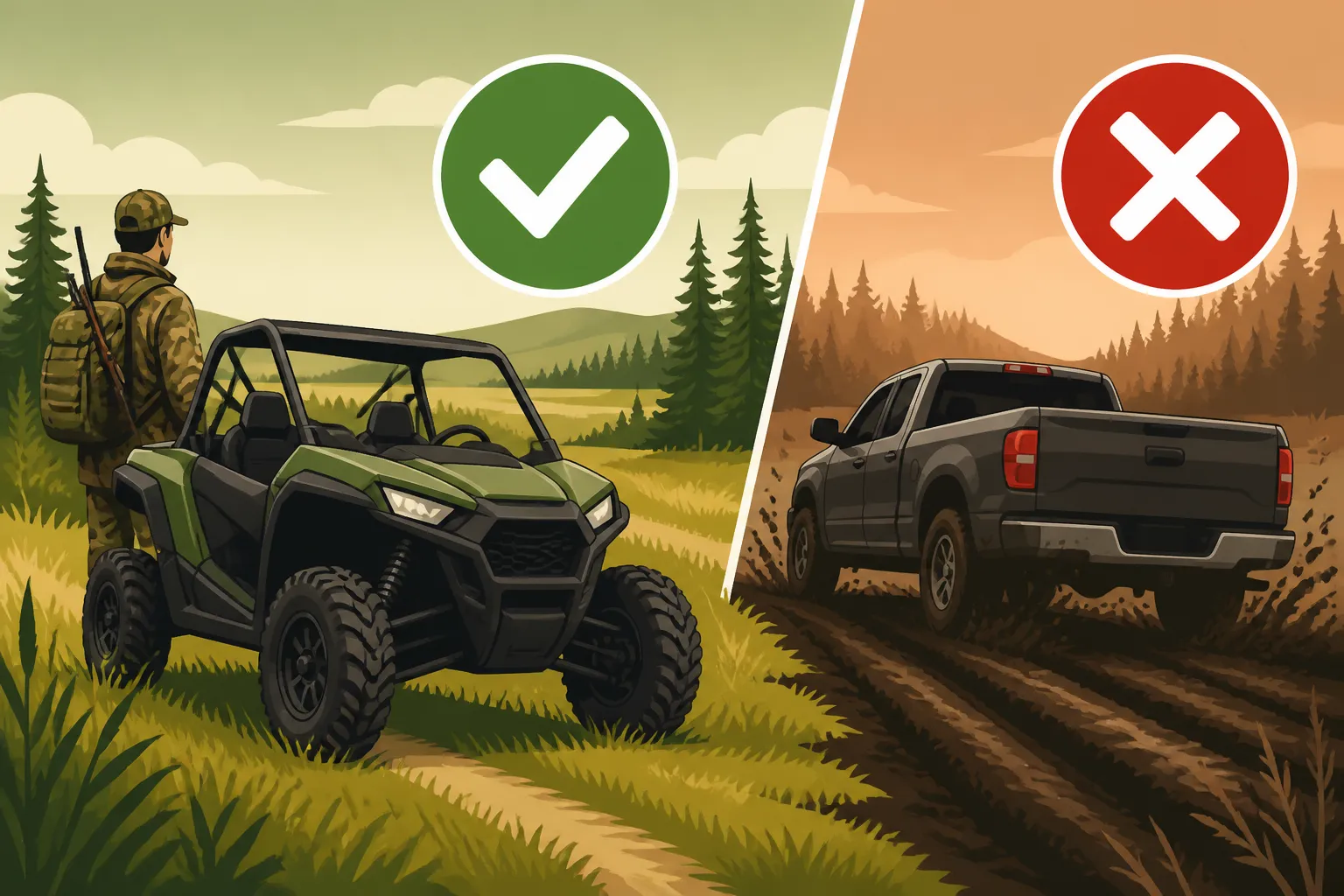
The golden rule for vehicle use on Crown land is to stick to designated trails and established roads. These are generally well-defined pathways that have been created or maintained for travel. This means gravel roads, main access trails, and often even old logging roads or cutlines that are clearly used and maintained. If it looks like a road or a trail and has been used consistently, it's generally a safe bet for vehicle travel, unless explicitly signed otherwise.
However, "designated" doesn't always mean perfectly graveled and graded. In many northern and forest fringe areas, designated trails might be little more than two muddy ruts through the bush. The key is that they are intended for vehicle use. The moment you veer off these established routes, you enter a grey area that often leads to violations. Always remember that simply because a path exists doesn't mean it's a legal or permissible route for your vehicle, especially if it looks like a game trail or a faint, overgrown track. For more insights on navigating these areas, check out Hunting an Old Logging Road in the North.
Off-Trail Travel: When is it Allowed, When is it Not?
This is where much of the confusion, and unfortunately, many of the violations, occur. Generally speaking, off-trail travel on Saskatchewan Crown land is not permitted unless specifically indicated. This means no driving across open fields, through dense bush, or up un-tracked hillsides to get to your hunting spot. The intent is to prevent the creation of new trails, protect sensitive habitats, and minimize disruption.
There might be rare exceptions for administrative purposes (e.g., land managers doing work) or in very specific circumstances where access is explicitly granted or an area is designated for certain off-road activities. However, for the average hunter, assume that if there isn't a clear, established trail, you should be walking. This includes retrieving downed game. While it can be tempting to drive right to your animal, you generally need to retrieve it by foot, even if it's a long haul. Planning for retrieval is a key part of hunting here, and sometimes that means a lot of sweat equity. Remember to consult up-to-date regulations, as rules can change, but the default is usually "stay on the trail."
ATVs, UTVs, and Snowmobiles: The Rules of the Trail
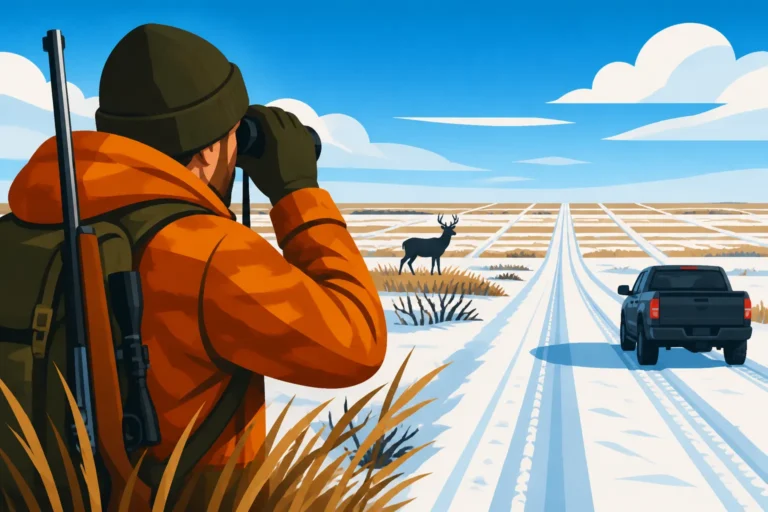
All-Terrain Vehicles (ATVs), Utility Task Vehicles (UTVs), and snowmobiles are popular tools for hunters, especially in remote areas or during winter. However, they are still vehicles, and as such, they are subject to the same general rules as trucks and cars regarding Crown land access. This means sticking to designated trails and roads. Many areas will have specific ATV/UTV trail networks, and these are typically the only places these vehicles are legally permitted off major roadways.
In some cases, specific Wildlife Management Zones (WMZs) or tracts of Crown land might have additional restrictions or allowances for ATVs and UTVs. For instance, some areas might permit cross-country travel for specific purposes (like trapping) during certain times of the year, while others might completely prohibit it to protect sensitive ecosystems or during wet conditions to prevent excessive rutting. Always check the specific regulations for the WMZ you plan to hunt in. The rules around Quad and Side-by-Side Rules on Crown Land can be particularly important to review before heading out. Moreover, during winter, snowmobiles are typically restricted to designated snowmobile trails, unless you're on a privately owned lease where other agreements might be in place.
| Vehicle Type | General Crown Land Rule | Common Exceptions/Considerations |
|---|---|---|
| Trucks/SUVs | Stick to established roads & designated trails. | No off-trail travel unless explicitly signed. Check for seasonal road closures. |
| ATVs/UTVs | Stick to designated trails. | Some WMZs may have specific rules; generally no cross-country travel for hunting. |
| Snowmobiles | Stick to designated snowmobile trails. | Can be vital for winter access, but private land rules apply for off-trail use. |
Practical Considerations and Best Practices for Hunters
Beyond just knowing the rules, there are practical steps you can take to ensure your vehicle use on Crown land is safe, legal, and respectful. A little pre-hunt planning can go a long way in preventing headaches in the field and ensuring you have a successful and ethical hunting experience.
Planning Your Route with Digital Tools
In today's age, there's no excuse for not knowing where you stand, literally. Digital mapping apps like onX Hunt and GoHunt are game-changers for navigating Crown land. These apps allow you to view public and private land boundaries, identify WMZ lines, and often show designated trails and roads. Before you even leave home, you can scout your route, identify legal parking spots, and plan your access points. This is especially crucial when you’re hunting areas that are a patchwork of Crown and private land, or where a quarter section of Crown land might be surrounded by private holdings.
Imagine you've identified a promising patch of bush on Crown land that looks perfect for Hunting a Poplar Bluff at First Light. You can use your mapping app to see if there's a legal access road or trail leading into it, or if you'll need to park on a main road and walk in. This proactive approach saves you from driving down dead-end tracks, trespassing accidentally, or creating illegal new trails. It's about empowering yourself with information to make responsible choices.
Minimizing Impact and Protecting Habitat
Even when on designated trails, practicing low-impact vehicle use is crucial. Avoid driving through unnecessarily deep mud or water if you can safely go around. Slow down on dusty roads to reduce erosion and visibility issues. Be mindful of ruts you might be creating, especially during wet conditions. If a trail looks impassable without causing significant damage, it's often better to park and walk, or turn around and find an alternative route. Your actions reflect on all hunters, and showing respect for the land goes a long way in maintaining positive relationships with other land users and land managers.
Consider the time of year and weather conditions. A trail that's perfectly fine when dry can become a quagmire after a heavy rain or during spring thaw, leading to deep ruts and significant environmental damage if driven on. If you find yourself stuck, know what to do if you get stuck in the bush and ensure you have a Winter Truck Kit for a Saskatchewan Hunt that includes recovery gear. It's not just about avoiding damage to your vehicle, but also preventing damage to the habitat.
Encountering Closed Areas and Posted Restrictions
Crown land can have specific areas that are temporarily or permanently closed to vehicle traffic, or even all public access. These closures might be due to logging operations, sensitive wildlife breeding areas, wildfire recovery, or active grazing leases. Always pay attention to signage. "No Vehicles Beyond This Point," "Area Closed," or specific "Hunt on Foot Only" signs are not suggestions; they are directives. Ignoring them can lead to fines and loss of hunting privileges.
Sometimes, roads or trails on Crown land might be posted by private landowners adjacent to them, indicating no public access across their land to reach the Crown parcel. This is why mapping tools are so critical – they help you identify legal access points that don't require crossing private property. If you're unsure, it's always better to err on the side of caution and find an alternative, legally accessible route, even if it means a longer walk. Getting permission for private land access is a separate, but equally vital, part of responsible hunting here.
Consequences of Non-Compliance and Reporting Violations
The rules for vehicle use on Crown land are not just suggestions; they are part of Saskatchewan's wildlife and land management regulations. Disregarding them can lead to significant penalties and has a negative impact on the reputation of all hunters.
Penalties for Illegally Operating Vehicles
Operating a vehicle illegally on Crown land, whether it's off-trail, in a closed area, or without proper permits, can result in fines. These fines can be substantial, reflecting the seriousness of damaging public lands or disturbing wildlife. In some cases, repeated or severe violations could even lead to confiscation of your vehicle or loss of hunting privileges. Conservation Officers actively patrol Crown land, and they are well-versed in identifying illegal vehicle use. They are there to protect the resource, and they take these violations seriously.
Beyond monetary penalties, there's the long-term impact. Repeated violations by a few individuals can lead to stricter regulations for everyone, limiting future access to valuable hunting grounds. We all share in the responsibility to use our public lands wisely and legally to ensure they remain open and productive. Understanding Saskatchewan Trespass Penalties for Hunters can give you a clear idea of what's at stake.
Being a Responsible Witness
As a responsible hunter, if you witness illegal vehicle activity on Crown land, it's important to report it. This isn't about being a "tattletale," but about protecting the resource that we all cherish. Documenting what you see—license plate numbers, descriptions of vehicles and individuals, location, and time—and reporting it to the provincial Turn In Poachers (TIP) line or a local Conservation Officer helps enforce the rules and deter future violations.
By reporting illegal activities, you contribute to a culture of compliance and respect for the land. It helps ensure that Crown land remains accessible and healthy for everyone, not just for today, but for generations of hunters to come. It’s a vital part of self-policing within the hunting community to uphold ethical and legal standards.
Navigating Saskatchewan's Crown land with a vehicle requires a blend of good planning, adherence to rules, and a strong sense of environmental responsibility. By sticking to designated trails, using modern mapping tools, and being mindful of your impact, you can enjoy the incredible hunting opportunities this province offers while being a true steward of its wild places.
Disclaimer
This article is for general informational purposes only and does not constitute professional advice. Laws, prices and regulations vary by location and change over time. Consult a qualified professional for guidance on your specific situation.