Camping Rules on Saskatchewan Crown Land
Many outdoor enthusiasts and hunters in Saskatchewan envision a wild, unencumbered experience, but the practicalities of navigating land access and specific regulations can often feel overwhelming. When it comes to setting up camp on the province's vast Crown land, confusing rules about where you can go, what you can do, and how long you can stay can quickly dampen the spirit of adventure. This guide aims to clear up the common misconceptions and provide clear, actionable insights into the camping rules on Saskatchewan's Crown land, ensuring you can plan your next trip with confidence and respect for the land.
Understanding Saskatchewan's Crown Land Landscape
Saskatchewan boasts a significant amount of Crown land, public areas managed by the provincial government that offer incredible opportunities for hunting, fishing, and general outdoor recreation. However, not all Crown land is created equal, and access and usage rules can vary depending on its designation. It's not just one big, open wilderness; there are different categories, and understanding these distinctions is the first step to responsible camping.
What is Crown Land, Really?
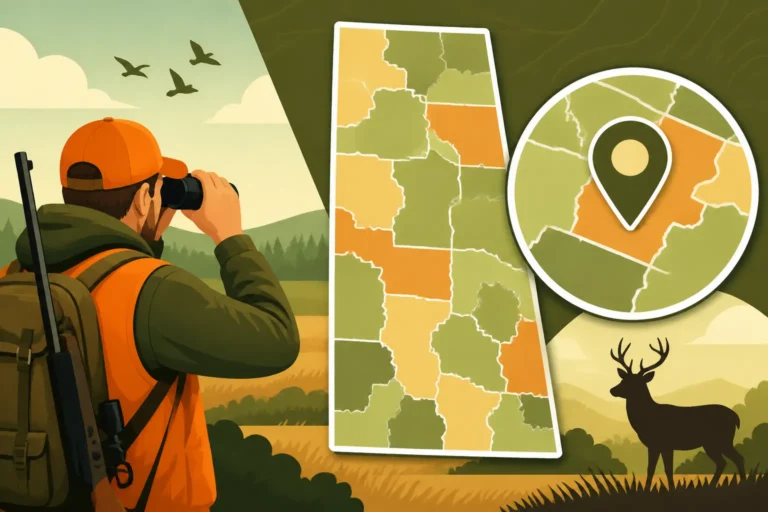
At its core, Crown land is public land. It belongs to the Crown (the provincial government) and is held in trust for all citizens. This includes everything from vast boreal forests in the north to tracts of aspen parkland and even scattered parcels in agricultural areas. Many people assume "Crown land" means "do whatever you want," but that's a dangerous misconception. While it offers more freedom than private land, there are still governing laws and principles in place to protect the environment, wildlife, and the interests of other users. Navigating these areas responsibly is key to ensuring these opportunities remain available for everyone. Knowing where these boundaries lie is crucial; mapping tools like onX Hunt are incredibly helpful for visualizing Saskatchewan's Crown Land Access and identifying those critical boundaries, helping you avoid accidental trespass.
Different Types of Crown Land and Their Implications
Not all Crown land is managed identically. You have general provincial Crown land, which is often vast and remote, particularly in the northern reaches. Then there are specific designations like Provincial Forests, Wildlife Management Zones, and Fish and Wildlife Development Fund (FWDF) lands. Each of these might have slightly different rules regarding camping, vehicle use, and even hunting activities. For instance, some provincial forests might have designated campgrounds or areas where random camping is restricted, while FWDF lands are often purchased specifically for wildlife habitat and might have more stringent rules to protect those values. It’s imperative to check the specific regulations for the particular area you intend to camp in. A general "Crown land" rule might not apply if you're in a special management area. Knowing Reading a Saskatchewan WMZ Map Before You Go can highlight these important distinctions.
The Essentials of Camping on Crown Land
Once you've identified legitimate Crown land that allows for camping, there are fundamental rules and best practices you need to follow. These aren't just suggestions; they are often legally binding regulations designed to protect natural resources and ensure public safety. Ignoring them can lead to fines, eviction, or even permanent loss of access to these cherished areas.
General Rules for Random Camping
"Random camping," often called backcountry or dispersed camping, refers to setting up your tent or camper outside of a designated campground. On general Crown land, this is often permitted, but with important stipulations. You typically cannot camp within a certain distance of a provincial highway or a body of water. The exact distances can vary, so always consult the most current Saskatchewan hunting and fishing guides or the provincial government's parks and land management resources. The goal is to minimize your impact and prevent pollution. For instance, being too close to a lake means your waste could easily contaminate the water. Additionally, the duration of your stay might be limited; you can’t simply set up a permanent residence. Always plan to pack out everything you pack in, leaving no trace behind. This also applies to any fires you might make; ensure they are completely out and cold to the touch before you leave.
Firewood and Campfire Regulations
Campfires are a quintessential part of any outdoor adventure, but they come with significant responsibilities, especially on Crown land. Always check the current fire bans and restrictions for the area you're visiting. Saskatchewan experiences dry conditions frequently, and wildfires are a real threat. Even if there isn't a complete ban, always build your fire in a safe, cleared area, away from overhanging branches and dry grass. Keep a shovel and water nearby. Collecting firewood from the ground for a small campfire is usually acceptable, but cutting down standing trees, even deadfall, might be prohibited. Never transport firewood from one region to another, as this can spread invasive species like the Emerald Ash Borer. Respecting these rules is critical for forest health and public safety.
| Activity | Generally Allowed on Crown Land | Key Considerations |
|---|---|---|
| Random Camping | Yes | Check local restrictions, distance from water/roads, duration limits. |
| Campfires | Yes (with caution) | Check fire bans, use existing fire rings, ensure completely out, no standing timber. |
| Vehicle Access | Limited | Stick to established trails/roads; off-roading usually prohibited. |
| Hunting/Fishing | Yes (with licence) | Follow season dates, limits, and specific zone rules. |
| Waste Disposal | Pack It In, Pack It Out | Absolutely no littering; human waste handled responsibly (cat holes). |
| Building Structures | No | No permanent or semi-permanent structures (e.g., cabins, permanent blinds). |
| Collecting Firewood | Limited | Deadfall for immediate use, no cutting standing trees, avoid transporting wood. |
Hunting and Camping: Special Considerations
For hunters, Crown land camping often goes hand-in-hand with chasing game. However, combining these activities means you need to be acutely aware of how hunting regulations can influence your camping choices and vice versa. There's a synergy between camping and hunting that, when done right, can lead to incredible experiences, but when rules are ignored, it can lead to problems.
Designated Camping Areas vs. Dispersed Camping for Hunters
While much of Saskatchewan's Crown land allows for dispersed camping, hunters often seek out specific locations for strategic reasons. Sometimes, you might find informal camping spots that other hunters have used for years, complete with basic fire rings. While convenient, remember these aren't officially maintained. Always confirm if the specific area you've chosen is truly Crown land and if there are any unique restrictions for that zone. Some Wildlife Management Zones might have specific rules. For instance, in areas with high hunting pressure, setting up your camp too close to popular game trails or water sources might disrupt wildlife patterns or interfere with other hunters. Tools like GoHunt can provide insights into popular hunting areas, which might also indicate where informal camping spots exist, but always verify legality.
Vehicle Use and Access to Crown Land Campsites
One of the biggest challenges for hunters camping on Crown land is often vehicle access. While you can usually drive on established public roads that cross Crown land, taking your truck or ATV off-road directly to a remote campsite can be problematic. Vehicle Rules on Saskatchewan Crown Land are strict, often prohibiting off-trail driving to prevent habitat damage and erosion. If you're planning a hunt that requires deeper access, you might need to park your vehicle on an accessible trail and hike or use an ATV on designated trails to reach your camp. This is where scouting ahead, perhaps using satellite imagery or even a physical trip, becomes essential. You don't want to get stuck deep in the bush only to find out you've broken a rule getting there. Always refer to current maps and regulations for approved trail use. For those brave enough to venture out in late season, having a solid Winter Truck Kit for a Saskatchewan Hunt is crucial, as road conditions can rapidly deteriorate.
Avoiding Conflicts with Other Land Users
Crown land is for everyone, and that includes hikers, birdwatchers, trappers, and other hunters. When setting up your camp, especially during hunting season, be mindful of your visibility and noise. While blaze orange is essential for safety during hunting hours, your camp itself doesn't need to look like a beacon, unless for safety reasons in specific scenarios. Choose locations that offer some seclusion, if possible, and avoid setting up right on top of a known trailhead or popular fishing spot. Communication is key; if you see other users, a friendly wave and a brief chat can go a long way in fostering good relations. It’s important to respect each other's space and pursuits to ensure everyone can enjoy these shared natural resources.
Being a Good Steward: Leave No Trace and Respect
Camping on Crown land is a privilege, not a right. The long-term availability of these areas for public use relies heavily on the responsible behavior of every individual who steps foot on them. Embracing the "Leave No Trace" principles isn't just a suggestion; it’s a commitment to preserving the wild character of Saskatchewan's backcountry for future generations.
Pack It In, Pack It Out: Minimizing Your Impact
This is the golden rule of backcountry use. Everything you bring with you, you must take back out. This includes all garbage, food scraps, and even seemingly innocuous items like orange peels or eggshells, which take a long time to decompose and attract wildlife. Consider reusable containers, minimize packaging, and plan your meals to reduce waste from the outset. For human waste, learn how to dig a proper "cat hole" at least 200 feet from water sources, trails, and campsites, burying waste deeply and packing out all toilet paper. This might seem like a small detail, but collectively, it makes a huge difference in maintaining the ecological integrity and aesthetic appeal of our wild spaces. For hunting, this also extends to proper Meat Care in Saskatchewan's Cold Snaps, ensuring no edible game meat is wasted.
Respecting the Environment and Wildlife
Your presence on Crown land inevitably impacts the environment and its inhabitants. Minimize your footprint by staying on established trails where they exist, or walking on durable surfaces if off-trail. Avoid disturbing sensitive vegetation, wetlands, or stream banks. When camping, select a durable site that is already somewhat disturbed, rather than creating a new one. Remember that you are in wildlife habitat. Store food securely to prevent attracting bears or other animals, and never feed wild animals. Understanding how What a Hard Saskatchewan Winter Culls or How Deep Snow Moves Deer Into Cover helps you understand why some areas are critical for wildlife at certain times of the year, making it even more important to tread lightly.
Long-Term Sustainability of Crown Land Access
The future of public access to Saskatchewan's Crown land for hunting and camping depends on how responsibly we use it today. Every instance of littering, off-trail damage, or disrespect for regulations chips away at public goodwill and can lead to increased restrictions. By adhering to all camping and hunting rules, practicing Leave No Trace ethics, and acting as ambassadors for ethical outdoor recreation, we help ensure these incredible opportunities remain for generations to come. Groups like the Saskatchewan Wildlife Federation play a crucial role in advocating for access and conservation. When you're out there, remember you're part of a larger community, and your actions reflect on all outdoor enthusiasts.
Disclaimer
This article is for general informational purposes only and does not constitute professional advice. Laws, prices and regulations vary by location and change over time. Consult a qualified professional for guidance on your specific situation.