Trail Camera Rules on Saskatchewan Public Land
One of the most valuable tools in a modern hunter's arsenal is the trail camera, offering a window into the secretive world of big game. However, many hunters, especially those new to Saskatchewan or exploring different areas, grapple with uncertainty about where and how they can legally and ethically use these devices on public land. This guide aims to clear up the confusion, providing comprehensive details on the rules and best practices for deploying trail cameras across Saskatchewan's vast public hunting grounds.
The Basics of Public Land Access in Saskatchewan
Before you even think about hanging a trail camera, it's crucial to understand what "public land" means here in Saskatchewan and what general expectations come with its use. Many hunters assume public land is a free-for-all, but that's rarely the case. There are specific designations, and each comes with its own set of guidelines, some explicit, some implied.
What Constitutes Public Land Here?
In Saskatchewan, public land, often referred to as Crown land, encompasses a wide variety of landscapes, from dense boreal forests up north to the rolling aspen parkland and parts of the southern prairies. This isn't just one monolithic block; it includes provincial forests, some provincial community pastures, certain unallocated lands, and dedicated Fish and Wildlife Development Fund (FWDF) lands. Each of these categories, while generally open for public recreational use like hunting, might have subtle differences in rules regarding structures or long-term installations, which is what a trail camera effectively is.
The challenge for many hunters is figuring out where these public lands actually are. It’s not always obvious when you’re driving down a grid road or walking through a bluffy area. That's where tools like onX Hunt become incredibly valuable. These digital mapping platforms layer land ownership information right onto your GPS, showing you exactly where Crown land begins and private property ends. It's a game-changer for avoiding accidental trespass and ensuring you're setting up your camera in a legal spot. Remember, even if land looks wild and undeveloped, it could still be privately owned.
Understanding the different types of public land helps you anticipate potential regulations. For instance, dedicated FWDF lands are specifically managed for wildlife habitat and public recreation, often with more robust guidelines about usage to protect those resources. Provincial forests might have different regulations depending on timber operations or recreational leases. Knowing the specific designation of the land you're on is your first step to being a responsible and legal camera user. For more on navigating these areas, check out Public Hunting Land in Saskatchewan.
General Rules for Recreational Use
When you're out on any public land in Saskatchewan, there's an overarching expectation of responsible and respectful use. This isn't just about trail cameras; it applies to everything from camping to off-highway vehicle use. The general principle is to leave no trace, respect other users, and do nothing to damage the environment or infrastructure.
For hunters, this means adhering to hunting regulations, obviously, but also thinking about how your presence impacts the land and other people. This includes things like not littering, staying on designated trails if specified, and generally being a good steward of the land. When it comes to something like a trail camera, this extends to how you deploy it, how visible it is, and its potential impact on others enjoying the same space. An improperly placed camera, for example, could be seen as an intrusion by hikers or other hunters.
It’s worth noting that while Saskatchewan generally supports public access for hunting, specific areas might have unique restrictions. For instance, some areas might be leased for grazing, even if they are Crown land, which introduces another layer of consideration for placement, especially if livestock are present. Always double-check any signage, local regulations, or special management area rules. The general provincial hunting guide is your best friend, but sometimes local nuances require a bit more investigation. Knowing Saskatchewan's Crown Land Access rules can save you a lot of headache.
Specifics of Trail Camera Use on Saskatchewan Public Land
Now, let's get down to the nitty-gritty of trail cameras specifically. This is where many hunters find themselves scratching their heads, because while the general rules are there, a specific "trail camera regulation" might not be spelled out in big, bold letters.
Is It Legal? The Core Question
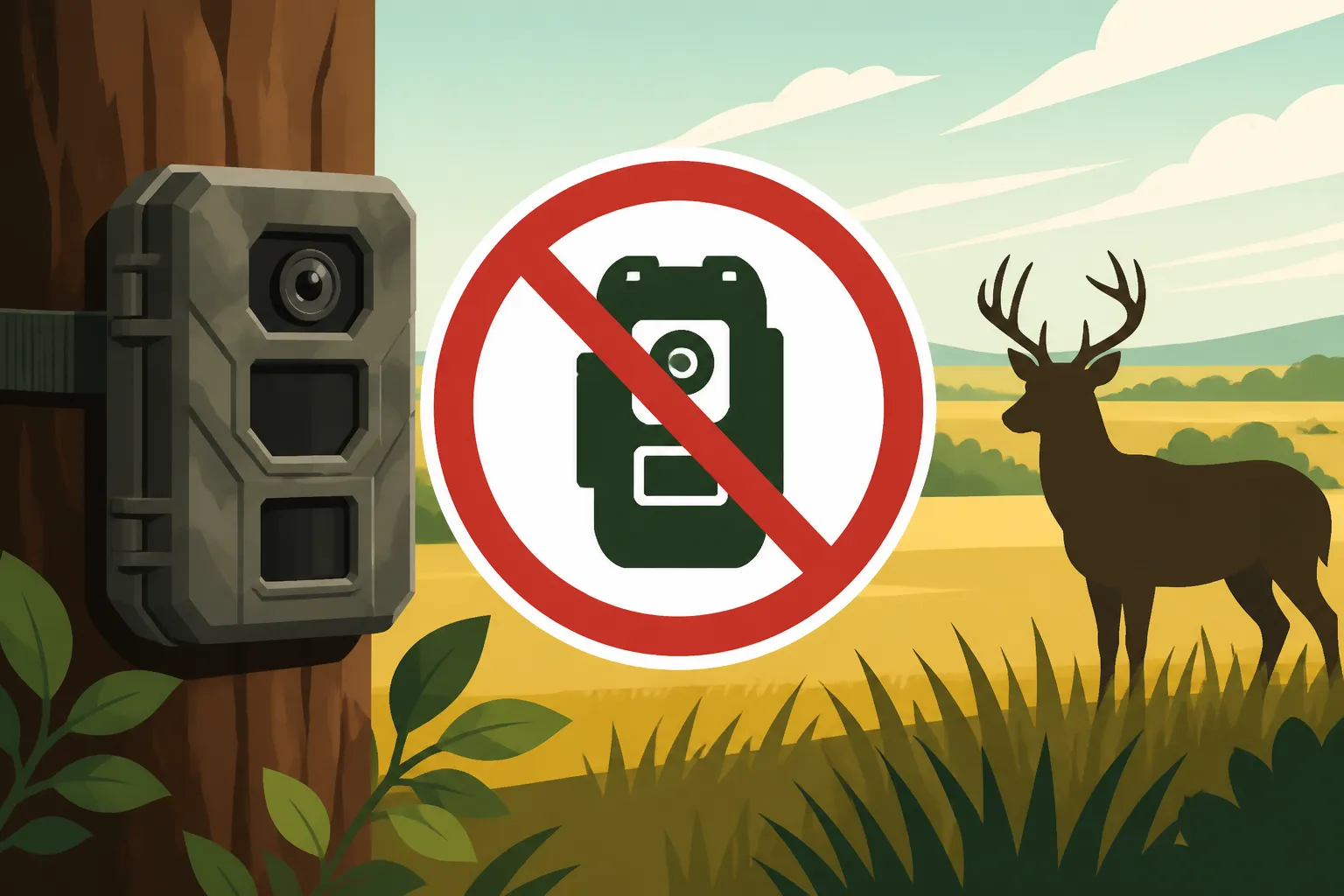
The short answer, for most general Crown land in Saskatchewan, is yes, you can use trail cameras. There isn't a blanket prohibition against them on the vast majority of public lands dedicated to hunting. However, this "yes" comes with important caveats, and it's less about a specific law forbidding cameras and more about how existing laws and principles apply to them.
Firstly, your camera must not interfere with other legitimate public land users. This means not placing it directly on public trails, near public access points, or in a way that creates a nuisance or hazard. For instance, if you rig a camera across a well-used snowmobile trail or block an access gate, you're looking for trouble. Secondly, the camera cannot damage any natural features or infrastructure. Nailing a camera into a living tree might be seen as damaging property, especially in certain protected or managed areas. Strap mounts are always preferable to screws or nails.
Thirdly, and crucially, your trail camera, like any other piece of personal property, is subject to provincial property laws. While you can place it, you cannot expect it to be immune from theft or tampering, and leaving it unattended for extended periods can sometimes be seen as abandonment, depending on the specific location and context. There are no guarantees of recovery if it's stolen or removed. Therefore, it's wise to be discreet with your placement and choose locations less prone to high traffic.
| Scenario | Legality (General) | Best Practice |
|---|---|---|
| Placing on unleased Crown Land in bush | Generally Permitted | Use strap mounts, be discreet, check regularly. |
| Placing on a public trail/road | Discouraged | Avoid high-traffic areas; respect other users' privacy. |
| Nailing camera into a living tree | Discouraged | Use non-invasive straps to prevent damage. |
| On FWDF land | Generally Permitted | Check specific FWDF site rules; minimize impact. |
| On a Community Pasture | Check with Manager | Always contact pasture manager first for permission. |
| On private land without permission | Illegal | Absolutely prohibited. Always get written permission. |
This table provides a general overview, but always do your due diligence. For instance, while generally permitted on Crown land, a specific provincial park or recreation site (even if it allows hunting) might have different rules about unattended equipment. Camping Rules on Saskatchewan Crown Land often have similar guidelines about leaving equipment behind.
Ethical Considerations Beyond the Law
Beyond what's strictly legal, there's a huge ethical component to using trail cameras on public land. As hunters, we want to represent our community well and ensure access for future generations. This means being mindful of the impression we leave on non-hunters and even other hunters.
One of the biggest ethical dilemmas revolves around privacy. While public land is for everyone, individuals still expect a reasonable degree of privacy when recreating. Placing cameras to monitor campsites, popular hiking trails, or fishing spots, even if technically on public land, can be seen as invasive and creepy. It erodes trust and can lead to negative perceptions of hunters. Focus your cameras on game trails, bedding areas, or food sources – places where animals frequent, not people.
Another ethical point is the "fair chase" principle. Some hunters feel that extensive use of technology, including large numbers of trail cameras or cellular-enabled cameras that provide real-time updates, borders on unethical. While the law in Saskatchewan doesn't restrict the number of cameras you can run or their technological capabilities, consider the spirit of fair chase. Are you truly hunting, or are you simply monitoring a resource? This is a personal decision, but one worth reflecting on for the integrity of the sport. The goal is to scout smarter, not necessarily to create a surveillance network.
Finally, consider the impact on other hunters. Public land is shared. If your camera is easily visible, it might tip off other hunters to a promising spot, which might or might not be a concern for you. More importantly, if your camera is left out year-round or becomes a permanent fixture, it can be seen as claiming a spot, which goes against the spirit of shared public access. Retrieving your cameras promptly after the season or when you're done scouting is a good ethical practice. For ways to find less pressured spots, look into Hunting Saskatchewan Ground Others Drive Past.
Practical Tips for Deploying Trail Cameras
So, you've decided to deploy a camera on public land. Great! Now, let's talk about how to do it effectively, securely, and with respect for the land and others.
Minimizing Impact and Maximizing Effectiveness
When choosing where to place your camera, always prioritize locations that don't require altering the environment. Use natural cover to conceal the camera – a thick spruce, a dense willow clump, or a blowdown can provide excellent camouflage. Avoid cutting branches or clearing brush specifically for your camera view unless absolutely necessary and minimal. The idea is to blend in, not to stand out.
- Mounting: As mentioned, use straps! They are non-invasive and leave no permanent mark on trees. Make sure the strap is secure enough that the camera won't sag or twist in the wind, but not so tight that it girdles the tree as it grows.
- Concealment: Choose a camera with a low-glow or no-glow infrared flash to avoid spooking game, and also to make it less visible to passersby. Camouflage patterns on the camera housing help too. Angle your camera slightly off major trails or roads to capture animal movement without directly pointing at human traffic.
- Height: Mounting your camera higher (6-8 feet off the ground) and angling it down can help with concealment, prevent theft, and make it harder for animals to detect the infrared flash, especially if it's a deer that might look up. Just remember to clear any low-hanging branches that might trigger false detections.
- Battery Life & Memory: Invest in good quality batteries (lithium batteries excel in Saskatchewan's cold) and large capacity SD cards. You don't want to be constantly checking your camera, leaving more scent and potentially alerting animals to your presence. Fewer visits mean less disturbance. Hunting a Saskatchewan Bush Bluff or Hunting a Frozen Slough Crossing are examples of locations where a discreet camera can be highly effective.
Thinking about the prevailing winds and animal travel patterns will also help maximize your camera's effectiveness. Animals often travel with the wind in their face, scenting ahead. Placing a camera downwind of a key bedding area or food source, on a travel corridor, can yield great results without needing to be right in the thick of things.
Security and Respecting Other Users
Leaving valuable electronics in the woods on public land always carries a risk. While you can't eliminate it entirely, you can take steps to mitigate theft and ensure your cameras don't become a problem for others.
- Discreet Placement: The best defense against theft is invisibility. Make your camera hard to spot. Don't place it in obvious, high-traffic areas. Think about the path of least resistance for both animals and humans. The deeper you go, or the more challenging the terrain, the less likely someone will stumble upon it.
- Security Devices: Consider using security boxes or Python-style cable locks. While not foolproof, they act as a deterrent and make it harder for casual thieves. These locks can also help secure the camera to the tree, preventing it from being easily pulled off.
- Identification: While not necessarily for theft prevention, it's a good practice to put your name and contact information on your camera. If someone finds a lost camera, they can return it. If a land manager or conservation officer needs to contact you about its placement, they can.
- Regular Checks: Don't just set it and forget it for months on end. Plan regular intervals to check your cameras, empty memory cards, and replace batteries. This reduces the chance of prolonged environmental impact, ensures functionality, and also means you're retrieving your property in a timely manner. If the season is over, your cameras should be coming down.
- No Trespassing: Always, always ensure you are on public land before deploying a camera. Using mapping tools like
onX HuntorGoHuntto verify boundaries is critical. Setting a camera on private land without explicit permission is trespassing and illegal, regardless of whether you’re hunting. This is a non-negotiable rule in Saskatchewan, as highlighted by Saskatchewan Landowner Permission Law.
By taking these steps, you demonstrate respect for the land, wildlife, other outdoor enthusiasts, and your own equipment. A well-placed, discreet camera is a valuable scouting tool that blends into the environment without causing issues.
Using Mapping Tools to Plan Your Camera Placement
Modern technology has revolutionized scouting, and digital mapping tools are arguably one of the biggest advancements for hunters. They are indispensable for planning trail camera deployments on public land.
Digital Tools for Scouting Public Land
Gone are the days of poring over paper maps with grease pencil and compass, although those skills are still vital! Today, apps like onX Hunt and GoHunt provide a wealth of information right at your fingertips. These platforms allow you to view detailed satellite imagery, topographic maps, and crucially, land ownership boundaries.
When you're looking for a spot to hang a camera, these tools can help you:
- Identify Crown Land: The primary use is clearly delineating public versus private land. You can literally draw a line on your phone screen and know exactly where you stand. This is paramount for legal camera placement.
- Scout from Afar: Before you ever step foot in an area, you can identify potential pinch points, cover, water sources, and travel corridors. Look for creek beds, old logging roads, swamp edges, or dense bush pockets that funnel deer movement. This significantly reduces your "boots on the ground" scouting time and helps you focus your efforts. A good starting point for learning these skills is Scouting With Satellite Imagery in Saskatchewan.
- Mark Waypoints: You can drop pins for potential camera locations, access points, parking spots, or even known game sign. This creates a virtual map of your scouting efforts and makes returning to exact spots much easier.
- Understand Topography: Features like subtle elevation changes, coulees, or ridges, which might not be obvious on a flat paper map, come alive with topo layers. Animals often use these features for travel and bedding.
- Check Vegetation Layers: Some apps offer vegetation data, allowing you to see different types of forest or open land, which can indicate food sources or cover.
By using these tools diligently, you can spend less time guessing and more time strategically placing your cameras in high-probability areas, while always ensuring you're on legal public ground.
Understanding Land Designations
As we touched on earlier, not all public land is created equal. The land designations you see on your mapping apps are more than just labels; they hint at the specific management objectives and potential rules for that area.
- Provincial Forests: These are generally excellent for big game hunting and trail camera use, particularly for species like whitetails, moose, and bear. However, be aware of active logging operations or forestry roads that might be closed at certain times.
- Wildlife Management Zones (WMZs): Saskatchewan is divided into WMZs, and while these dictate hunting seasons and tag allocations, they also give you a sense of the general habitat type and typical game found there. Your cameras should align with the species you're legally permitted to hunt in that zone. How Saskatchewan's Zones Set Your Season offers more context on this.
- Fish and Wildlife Development Fund (FWDF) Lands: These are parcels of land specifically acquired and managed for wildlife. They are public access, but often have signage detailing specific regulations, which might include rules about leaving unattended property. Always read these signs if present.
- Community Pastures: Some community pastures, particularly federal and provincial ones, allow hunting. However, they are actively managed for grazing livestock. Always contact the pasture manager to obtain permission before setting foot on the land, and definitely before placing a camera. The presence of cattle means you need to be extra mindful of your equipment, as curious livestock can easily damage cameras.
Using your digital maps to understand these designations before you head out is a sign of a prepared and responsible hunter. It allows you to anticipate any unique rules and ensures your trail camera scouting is both effective and fully compliant with the spirit and letter of Saskatchewan's land access guidelines.
Disclaimer
This article is for general informational purposes only and does not constitute professional advice. Laws, prices and regulations vary by location and change over time. Consult a qualified professional for guidance on your specific situation.