Hunting a Saskatchewan Bush Bluff
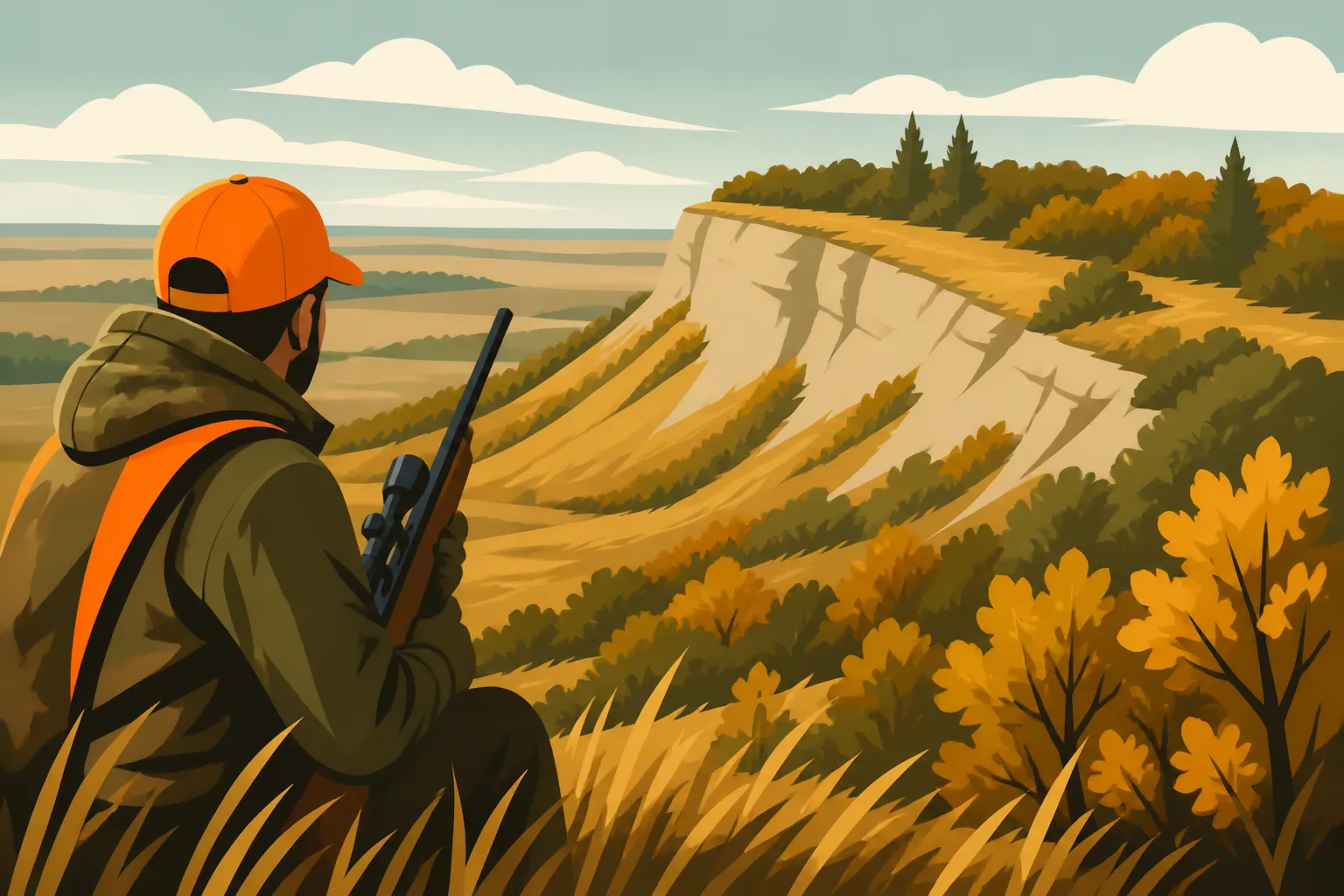
There’s a particular kind of frustration that sets in when you're staring at a sprawling patch of brush, a "bush bluff" as we call them here in Saskatchewan, knowing it's absolutely packed with whitetails, but feeling utterly overwhelmed about how to even begin hunting it effectively. These islands of cover, often surrounded by open fields, are magnets for big bucks, yet their dense interiors can feel impenetrable, turning what should be a promising hunt into a bewildering maze. This guide is all about demystifying the art of hunting a Saskatchewan bush bluff, breaking down strategies, scouting techniques, and practical tips to help you consistently find success in these challenging yet rewarding environments.
Understanding the Allure and Challenge of Bush Bluffs
Saskatchewan's landscape, particularly in the aspen parkland and forest fringe zones, is dotted with these incredible pockets of cover – the bush bluffs. They might seem like random clusters of trees and undergrowth, but to a whitetail, they are fortresses, cafeterias, and highways all rolled into one. For hunters, they represent both immense potential and unique difficulties that demand a specific approach.
Why Whitetails Love Bluffs and Hunters Often Struggle
Imagine being a mature whitetail buck in Saskatchewan. You spend your days trying to stay hidden from predators – two-legged ones especially – while needing reliable food and water sources. A bush bluff, whether it's a small clump of aspens or a multi-acre block, offers precisely that. It's a sanctuary in a sea of open farmland, providing thermal cover from harsh winds and deep snow, visual security, and often, a direct connection to agricultural fields where they feed. These bluffs are critical components for any serious whitetail hunter to understand, forming key elements in their annual patterns. For a more comprehensive look at these animals, check out our guide on Whitetail Hunting in Saskatchewan.
Hunters, however, often struggle with bluffs because they are microcosms of the larger forest, just in a more confined space. The dense undergrowth, tangled fallen trees, and often irregular shapes make it incredibly difficult to navigate quietly, track game, or even get a clear shot. Wind swirls become unpredictable, and a buck can slip out the back side without you ever knowing he was there. The sheer volume of cover means a deer can be just yards away and remain completely invisible. It's not uncommon to walk a bluff and feel like you've seen nothing, only for a buck to blow out of a thicket behind you, leaving you wondering how you missed him. This isn't a failure on your part; it's the nature of these cunning environments.
The Unique Ecosystem of a Saskatchewan Bush Bluff
A typical Saskatchewan bush bluff isn't just a random collection of trees; it's a living, breathing ecosystem that supports incredible wildlife. Most bluffs in the agricultural belt are dominated by trembling aspen, balsam poplar, and various willows. Underneath this canopy, you'll find a thick mosaic of dogwood, saskatoon berry, chokecherry, and often, dense patches of snowberry and rose bushes. These aren't just pretty shrubs; they provide critical browse and cover, especially when the surrounding fields are bare.
The interior of a bluff often holds distinct features:
- Thick bedding areas: These are usually the densest parts of the bluff, often in the center or on the leeward side, offering maximum thermal and visual protection. Deer will create "beds" or depressions in the snow or ground here.
- Travel corridors: Whitetails aren't just randomly wandering; they create distinct trails within the bluff, connecting bedding areas to feeding grounds, water sources, and exit points. These are often funnel points that you can key into.
- Rub lines and scrapes: During the rut, bluffs become vital communication hubs. Bucks will rub their antlers on small trees and create scrapes, leaving scent markers to attract does and challenge rival bucks.
- Food sources: While bluffs connect to fields, the bluffs themselves provide browse like aspen shoots, willow twigs, and various berries throughout the seasons, making them self-sufficient for short periods.
Understanding these internal components is crucial for deciphering how deer use a specific bluff. It's not just about the edge; it's about the entire three-dimensional space within.
Scouting and Intelligence Gathering
You wouldn't walk into a chess game without knowing the rules, and you certainly shouldn't walk into a bush bluff hunt without serious scouting. This phase is about gathering as much information as possible to build a mental map of the bluff and predict deer movement. Forget "winging it" – bluffs demand calculated investigation. For specific tips on how to decipher these areas, check out our insights on Reading Whitetail Sign in Saskatchewan Bluffs.
Leveraging Technology for Initial Reconnaissance
Before you ever set foot in the field, modern technology can give you a massive advantage. Online mapping tools have revolutionized scouting, allowing you to identify potential hotspots from the comfort of your home. Platforms like GoHunt and others offer detailed satellite imagery that can reveal hidden gems.
Start by looking for bluffs adjacent to prime feeding areas like pea, lentil, canola, or alfalfa fields. Pay close attention to:
- Bluff shape and size: Larger, more irregularly shaped bluffs often offer more diverse cover and multiple travel routes. Smaller, linear bluffs, like shelterbelts, can also be dynamite, especially for drives.
- Field edges: Look for areas where the bluff creates natural funnels or pinch points leading into fields. Are there narrow strips of cover connecting to other bluffs?
- Internal clearings or variations: Sometimes, older satellite images will show small openings, old farmsteads, or even subtle changes in vegetation density within the bluff. These can indicate overlooked travel corridors or bedding areas.
- Topography: Even in relatively flat Saskatchewan, subtle rises or depressions can influence how deer use a bluff for bedding or travel, especially in high winds. Use topographic overlays to identify these.
- Access points: Plan your approach and exit routes, considering wind direction and minimizing disturbance. Look for abandoned farm trails or old access points that might offer discreet entry.
Utilize tools like GoHunt to mark potential stand sites, bedding zones, and travel corridors on your digital map. This pre-scouting will save you countless hours of walking and help you focus your efforts when you get boots on the ground. This also ties into the broader concept of Scouting With Satellite Imagery in Saskatchewan, which can provide invaluable context.
Boots-on-the-Ground Scouting Strategies
Once you've got your digital plan, it's time to hit the field. The best time for hands-on scouting a bush bluff is either just before the season opens (but be mindful of disturbing deer) or, even better, in late winter after the season closes. Snow cover makes sign incredibly obvious, and you won't impact your upcoming hunt.
When scouting:
- Walk the edges first: Circumnavigate the bluff, looking for primary entry and exit trails. Are deer coming and going from a specific corner? Is there a well-worn path leading directly into a standing crop field? Pay attention to any obvious crossings or weaknesses in the bluff's defense.
- Grid the interior (carefully): For smaller bluffs, you can systematically walk parallel lines through the interior to cover every inch. For larger bluffs, focus on following the most dominant trails first. Look for:
- Heavy deer trails: These are the highways. Note their direction and where they lead.
- Rub lines and scrapes: Fresh rubs indicate a buck has been working that area. Old rubs show consistent buck activity year after year. Scrapes, especially fresh ones, are communication hubs.
- Bedding areas: Look for matted-down grass, oval-shaped depressions in the snow, or dense thickets with a higher concentration of droppings.
- Droppings and tracks: The quantity and freshness of these signs will tell you how much and how recently deer are using the bluff.
- Wind awareness: As you scout, constantly consider how deer will use the bluff based on prevailing winds. Where would they bed on a north wind? Which trails would they use to approach a field with a west wind?
- Establish observation points: Find elevated spots outside the bluff (if available) or natural clearings within it where you can observe deer activity from a distance during different times of day.
Always scout with a purpose. Don't just wander aimlessly. Your goal is to understand the deer's daily routine within and around that bluff.
Reading Sign After Fresh Saskatchewan Snow
There's nothing quite like a fresh blanket of snow for revealing the secrets of a bush bluff. It's like a giant, blank canvas where deer have conveniently painted their movements for you. This is an unparalleled opportunity to learn.
When snow hits, head out as soon as possible after the snowfall stops and deer have had a chance to move.
- Track freshness: Look for crisp, well-defined tracks. If the edges are rounded or filled with snow, they're older. Fresh tracks lead to fresh opportunities.
- Direction of travel: Follow the tracks! See where they lead from bedding to feeding, and back again. Are deer entering the bluff from a certain field and exiting into another?
- Buck sign: Bucks typically have larger, blockier tracks. Look for evidence of dragging hooves in deeper snow, indicating a heavier animal. Follow these to potential rub lines or scrapes hidden under the snow.
- Traffic patterns: A network of fresh tracks converging on a specific point indicates a major travel corridor or a favored bedding area.
- Behavioral clues: Are tracks showing a deer slowly feeding through a section of brush, or are they hot-footing it out of the bluff? This tells you about their comfort level and potential pressure in the area.
Snow scouting also reveals how deer react to hunting pressure. If tracks are consistently exiting a bluff at high speed, it tells you they're being bumped. If they're leisurely feeding and bedding, it's likely a less pressured spot. This invaluable intel is exactly what you need to adjust your strategy. It complements beautifully our discussion on Reading Sign After Fresh Saskatchewan Snow.
Strategic Approaches to Hunting Bluffs
Once you've done your homework and understand how deer are using a particular bluff, it's time to devise your hunting strategy. There's no one-size-fits-all approach, as each bluff, and even each day, can present unique challenges.
Stand Placement and Wind Considerations
For many, a well-placed treestand or ground blind is the go-to tactic for bluff hunting. The key, however, is where that stand is placed and how you mitigate your scent. This is where that meticulous scouting pays off. Our post on Hanging a Stand on a Saskatchewan Bush Edge provides further detail on this.
Treestand Placement:
- Internal travel corridors: Place stands along heavily used trails inside the bluff that connect bedding to feeding areas. Aim for pinch points or areas where multiple trails merge.
- Edges overlooking fields: If deer are consistently entering a field from a specific part of the bluff, a stand on the edge, especially where the brush is thickest, can be lethal. Position yourself 15-25 yards into the bluff for concealment, allowing you to shoot into the field and along the bluff edge.
- Transition zones: Look for areas where the habitat changes—perhaps a denser thicket transitioning to more open aspens. Deer often pause or follow these transitions.
- Escape routes: Sometimes, the best stand isn't where deer enter, but where they exit when pressured. If a bluff has a consistent escape route, placing a stand downwind of it can intercept a buck trying to give hunters the slip.
Wind is King: In Saskatchewan, ignoring the wind is a surefire way to educate deer. Always approach, set up, and hunt with the wind in your favor.
- Thermals: In the early morning, cool air sinks and flows downhill. In the evening, air rises. If your bluff has any elevation changes, consider thermals, especially at dawn and dusk.
- Swirling winds: Bluffs can create unpredictable wind currents due to their irregular shape and dense cover. Always factor in potential swirls. Using a milkweed puffer or a simple piece of string attached to your stand can help you constantly monitor subtle wind shifts. Never pick a stand location that works only for one specific wind; try to have options or choose spots that allow for variations.
Still-Hunting and Driving Smaller Bluffs
Sometimes, a stand isn't the best option, or you simply prefer a more active approach. Still-hunting and carefully planned drives can be incredibly effective for bluffs, especially smaller or medium-sized ones.
Still-Hunting: This is an art form, not a casual stroll. It requires extreme patience, stealth, and constant observation.
- Go slow, slower, then slower still: Take one step, pause for several minutes, scan every inch of cover with your binoculars, then take another step. Look for horizontal lines (a deer's back), contrasting colours, or the flick of an ear.
- Use the wind: Always still-hunt into a slight crosswind or a direct headwind. This gives your scent cone the longest possible time to disperse behind you and brings deer scent to you.
- Leverage terrain and cover: Use the natural contours of the bluff, thick brush, and even large trees to break up your silhouette as you move.
- Focus on bedding areas: Your goal is to slowly penetrate the bluff, focusing on known or suspected bedding zones. Often, the best time to still-hunt is mid-day when deer are bedded down and less alert than during prime feeding hours. This method is particularly useful when you're Hunting a Poplar Bluff at First Light and trying to catch deer moving into cover.
Driving Smaller Bluffs: This can be a high-reward, high-risk tactic that needs careful planning and good communication if you have a group.
- Designate blockers and drivers: Blockers position themselves quietly on the downwind side, covering escape routes or key trails where deer are likely to exit. Drivers enter the bluff from the upwind side, slowly and methodically moving through, pushing deer towards the blockers.
- Slow and steady wins the race: Drivers should not crash through the bush. They should walk slowly, pausing frequently, creating noise that makes deer nervous but doesn't send them rocketing out. Bucks, especially, will often try to sneak out the back or circle around the drivers.
- Safety first: Communication is paramount. Know where everyone is at all times. Blaze orange is essential. Always identify your target clearly and know what's beyond it.
- Optimal bluff size: This works best for bluffs that can be covered thoroughly by 2-4 hunters in a reasonable amount of time. Very large bluffs are difficult to drive effectively without a big group and extensive knowledge of the interior.
Rattling and Calling Strategies
Bush bluffs are fantastic places to employ rattling and calling, especially during the pre-rut and rut phases in Saskatchewan. The dense cover allows bucks to feel secure moving into calls, and it masks your movements. For specific tips on how to call, consult our guide on Rattling Volume in Open Parkland.
Rattling:
- Timing: Mid-October through late November is prime time for rattling in Saskatchewan. Bucks are either establishing dominance or actively seeking does.
- Location: Set up within the bluff, near a dense thicket or a major travel corridor. You want the sound to carry, but you also want cover to hide your approach and to ambush a curious buck.
- Sequence: Start with a soft sparring session, then build to aggressive crashing, followed by some grunt calls. Then, go silent for 10-15 minutes, listening intently and scanning the bush. Many bucks will circle downwind before coming in, so be prepared for them to approach from unexpected directions.
- Decoys: If hunting from a blind, a buck decoy can be incredibly effective, especially when paired with aggressive rattling. Ensure the decoy is positioned to draw attention away from your actual location.
Grunt Calls and Bleats:
- Grunt calls: These mimic the sounds of bucks, either challenging rivals or trailing does. A short, sharp grunt can often stop a moving buck in his tracks, giving you a shot. Longer, more aggressive grunts can bring a buck closer.
- Doe and fawn bleats: These can attract curious bucks looking for does, or does looking for company. They are also useful for calming nervous deer or stopping them for a shot.
- Pacing: Don't overcall. Listen to the woods. If deer are present, subtle calls are often more effective than constant, loud noises.
The dense cover of a bluff makes these tactics particularly potent because deer feel a sense of security that encourages them to investigate the sounds. They assume the "fight" or "doe" is just over the next rise or behind that next clump of aspens.
Gear and Preparation for Bluff Hunting
Hunting Saskatchewan's bush bluffs, especially in late season, demands specific gear and thoughtful preparation. The terrain is often uneven, the cover is thick, and the weather can be brutally cold. Being unprepared isn't just uncomfortable; it can be dangerous.
Essential Clothing and Cold Weather Gear
Saskatchewan's weather is notoriously fickle. A crisp fall morning can quickly turn into a frigid, windy afternoon. When you're sitting still in a stand or moving slowly through thick brush, staying warm and dry is paramount. Our guide on Hunting Saskatchewan Winter Weather Safely covers these aspects in depth.
Layering is non-negotiable:
- Base layers: Moisture-wicking synthetics or merino wool are essential to pull sweat away from your body, even if you're barely moving. Avoid cotton at all costs.
- Mid layers: Fleece, down, or synthetic puff layers provide insulation. Multiple thinner layers are often better than one thick one, allowing you to adapt.
- Outer layers: A windproof, waterproof, and breathable shell is critical. Look for durable fabrics that can withstand snagging on brush. For silent hunting, consider fleece or soft-shell materials.
- Head, hands, and feet: These are your most vulnerable areas for heat loss.
- Head: A warm hat (beanie, balaclava) is a must. If it gets really cold, a full face mask or insulated hood is key.
- Hands: Layer thin gloves for dexterity under insulated mittens or heavy gloves. Hand warmers are often a lifesaver.
- Feet: Insulated, waterproof boots are essential. Combine them with a wicking liner sock and a thick wool or synthetic outer sock. Boot warmers can extend your hunt significantly.
- Blaze Orange: Remember Saskatchewan's regulations on blaze orange. Even if you're not driving, wearing appropriate orange is a smart safety measure, especially if other hunters are in the area.
Dressing properly can make the difference between a miserable, short hunt and a successful, comfortable one.
Optics and Rangefinding for the Bush Environment
In the dense confines of a bush bluff, specialized optics are incredibly valuable. You're not often glassing wide-open fields; you're picking apart shadows and slivers of movement.
- Binoculars (10×42 or 8×42): While you might think "less power" is better in thick brush, the ability to resolve detail in low light or deep shadow is crucial. A good quality 10×42 binocular allows you to pick out a deer's leg or ear through branches that would obscure it to the naked eye. GoHunt’s articles on gear often emphasize the importance of quality optics for spotting subtle movement.
- Rangefinder: This is absolutely non-negotiable, especially for bowhunters but equally important for rifle hunters. In thick brush, distances are incredibly deceptive. A deer that looks 50 yards might be 30, or 75. Having an accurate rangefinder means you won't second-guess your shot when the moment of truth arrives. Look for models with angle compensation for treestand hunting.
- Spotting scope (optional): For bluff hunting, a spotting scope is generally less useful unless you are observing a bluff from a long distance away. Binoculars are usually sufficient for the closer range observations needed within or immediately around the bluff.
Invest in good quality optics. They are an extension of your eyes and will help you identify game, assess antler size, and make ethical shots in challenging conditions.
Essential Tools and Navigation
Beyond clothing and optics, a few other items are critical for a safe and effective bluff hunt.
- Navigation tools: Even small bluffs can become disorienting. A reliable GPS unit or a hunting app on your phone (like GoHunt's mapping feature) is crucial. Mark your truck, your stand, and any key features like fresh sign or game trails. Always carry a compass as a backup, and know how to use it.
- Headlamp/Flashlight: You'll be walking in before dawn and out after dark. A powerful headlamp with a red-light option (to preserve night vision) is a must. Carry spare batteries.
- Knife: A sharp, reliable hunting knife for field dressing.
- Game bags: If you're fortunate enough to harvest an animal, game bags are essential for keeping the meat clean and cool, especially during Meat Care in Saskatchewan's Cold Snaps.
- Emergency kit: Whistle, fire starter, first-aid kit, extra water/snacks, and an emergency blanket. Even on "short" hunts, things can go wrong.
- Communication device: A fully charged cell phone (though coverage can be spotty in some bluffs), or a satellite messenger/SPOT device for more remote areas.
This basic kit will ensure you're prepared for most eventualities and can focus on the hunt itself, not on worrying about being lost or cold.
Overcoming Common Obstacles
Hunting bush bluffs isn't always easy. There are specific challenges that crop up repeatedly, and knowing how to anticipate and overcome them can significantly boost your success rate.
Dealing with Pressure and Other Hunters
Saskatchewan's reputation for big whitetails means some areas, especially accessible bluffs, can see significant hunting pressure. This pressure dramatically alters deer behavior, making them more nocturnal and wary.
- Hunt mid-week: If possible, avoid weekends when pressure is highest.
- Hunt hard-to-reach areas: Look for bluffs that require a longer walk, a quad (where legal, see Quad and Side-by-Side Rules on Crown Land), or that are less visible from main roads. Other hunters are often lazy and won't go the extra mile.
- Hunt all day: When pressure is on, deer often move during the quiet mid-day hours, especially when being pushed by other hunters. Sitting all day in a Saskatchewan blind can pay off handsomely during these times.
- Identify escape routes: Deer that are pressured will use consistent escape routes. Setting up on one of these downwind funnels, even if it's less active under normal circumstances, can be a game-changer when hunters are driving other areas.
- Use the pressure to your advantage: If you know hunters are planning a drive in an adjacent area, position yourself on the expected escape route. This requires local knowledge and communication, if possible.
- Respect private land: Always know the boundaries of your hunting area and respect posted signs. Knocking on doors in Saskatchewan Farm Country can open up less pressured opportunities on private land.
Retrieving Game from Thick Cover
You've made a great shot, and the buck is down – but he's disappeared into the densest part of the bluff. This is where patience and persistence are key. Losing an animal in thick cover is every hunter's nightmare, but careful strategy can prevent it.
- Mark the last spot: Immediately mark the exact spot where the deer was standing when you shot, and the exact spot where you last saw it. Use a piece of blaze orange ribbon, your hat, or an item from your pack.
- Give it time: Unless you saw the deer drop, give it time. For a gut shot or questionable hit, wait 4-6 hours (longer in warm weather, shorter in cold). For a solid lung/heart shot, wait at least 30-60 minutes. This allows the deer to expire quietly, rather than running further.
- Call in a tracking dog: If permitted in Saskatchewan, using a blood tracking dog can significantly improve your chances of recovery, especially in thick cover or on marginal blood trails.
- Start wide, then narrow: Begin searching in ever-widening circles from the last confirmed blood sign. Look for disturbed leaves, broken branches, and especially blood. When you find blood, mark it with toilet paper or another ribbon and move to the next spot, continually marking.
- Look for horizontal lines: When scanning for a downed animal, ignore the vertical lines of trees and focus on horizontal lines that might be the deer's back or belly.
- Bring help: An extra set of eyes and a calm mind can make all the difference. Coordinate your search with a partner.
- Leave no stone unturned: Follow the smallest signs—a single drop of blood, a scuff mark, a snapped twig. The deeper you go, the more signs you'll find.
Retrieving a deer from a thick bluff is tough work. Be prepared for a physical challenge, and remember that ethical hunting means making every effort to recover your game.
Adapting to Changing Weather Conditions
Saskatchewan weather can be a hunter's greatest ally or most formidable foe. Bluffs, with their dense cover, react uniquely to different conditions.
- Wind: Deer often move to the leeward side (downwind) of a bluff to escape strong winds. If the wind is howling from the north, scout and hunt the south side of the bluff. They'll also use dense thickets for shelter.
- Cold snaps: During extreme cold, deer prioritize thermal cover. This means they'll seek the densest parts of the bluff, often bedding tightly together. They may move less overall to conserve energy, so focusing on bedding areas during mid-day becomes more critical. For insights into hunting in extreme conditions, see Hunting Whitetails at Thirty Below.
- Snowfall: A fresh snowfall often encourages deer movement immediately afterward, as they feel more secure with sound muffled and tracks easily hidden. This is a great time to be in a stand or still-hunting, as long as you're dressed for the conditions. Deep snow, however, can concentrate deer into specific yarding areas or along cleared trails within the bluff.
- Rain/Drizzle: Light rain can be excellent for still-hunting as it muffles your footsteps. Deer also tend to move more during a light rain. Heavy downpours, however, send them deep into cover.
Always check the forecast, but be prepared for rapid changes. Have backup plans for different wind directions and adjust your strategy based on what the weather is doing.
Safety First in Saskatchewan's Bush
Hunting in Saskatchewan's wilderness, even in seemingly benign bush bluffs, carries inherent risks. Being prepared for emergencies and understanding the challenges of the environment is crucial.
Navigating Challenging Terrain
Bluffs, especially larger ones, can have surprisingly difficult terrain. It's not uncommon to find areas with deep snow, hidden water features (even frozen ones), fallen timber, and tangled undergrowth.
- Footing: Watch your step! Hidden stumps, holes, and icy patches can lead to falls. Wear sturdy, ankle-supporting boots with good traction.
- Fallen trees: Bluffs often accumulate massive amounts of deadfall. These can be tiring and noisy to navigate. Sometimes it's better to go around a log jam than to try and climb over it.
- Water features: Be aware of sloughs, creeks, or drainage ditches that might be hidden within the bluff. Even if frozen, ice conditions can be unpredictable. When Hunting a Frozen Slough Crossing, always check ice thickness.
- Getting lost: It's easier than you think to get disoriented in a dense bluff, especially if you're focused on tracks or game movement. Always know your cardinal directions, regularly check your GPS/app, and have a backup plan.
- Wildlife encounters: While not as common as in the deep boreal forest, black bears, wolves, and coyotes are present in many Saskatchewan hunting zones. Carry bear spray in bear country, and know how to use it.
Winter Truck Kit for a Saskatchewan Hunt
If you're hunting bluffs, chances are you're driving on less-traveled roads or trails. Getting stuck, breaking down, or facing a sudden winter storm is a real possibility. A well-stocked winter truck kit is an absolute must. For a comprehensive list, see Winter Truck Kit for a Saskatchewan Hunt.
Your kit should include:
- Recovery gear: Shovel, tow rope, traction mats/boards, jumper cables.
- Emergency supplies: Extra warm clothing, blankets, fire starter, emergency food and water, first-aid kit, whistle.
- Tools: Basic tool kit, tire repair kit, tire chains (if venturing off main roads).
- Communication: Fully charged cell phone, portable charger, satellite messenger if in areas with no cell service.
- Lighting: Powerful flashlight and headlamp with spare batteries.
- Fuel: A full tank of gas, and potentially a spare can of fuel if traveling far from services.
Knowing What to Do If You Get Stuck in the Bush and having the right gear can turn a potentially life-threatening situation into a manageable inconvenience. Never underestimate the prairie winter.
Bluff Hunting Tactics by Season and Bluff Type
To maximize your success, it's helpful to tailor your tactics to the specific season and the characteristics of the bush bluff you're hunting.
| Bluff Characteristic | Early Season (Sept/Oct) | Rut (Nov) | Late Season (Dec) |
|---|---|---|---|
| Small, Isolated Bluff | Stand on downwind edge near field. Still-hunt mid-day for bedded deer. | Aggressive rattling/grunting inside or on edge. Drive with 1-2 hunters. | Approach quietly, sit elevated in morning. Drive with extreme caution due to dense bedding. |
| Large, Multi-acre Bluff | Focus on main travel corridors from bedding to feeding. Glass edges at dawn/dusk. | Hunt funnels between bedding pockets. Blind calling, then move to another setup. | Hunt thickest, most sheltered interior bedding. Sit all day in key travel pinch points. |
| Bluff with Water Source | Stand near water in evening. Still-hunt slowly towards water in mid-day. | Hunt trails leading to water. Bucks will cruise for does near water. | Water can still be a draw if open; otherwise, focus on nearby thermal cover. |
| Bluff Adjacent to Thick Forest | Focus on transition zones where deer move between habitats. | Bucks will use bluff as a staging area before entering open country for does. | Deer might use bluff as an extension of main wintering area; focus on interior cover. |
Disclaimer
Hunting is an inherently dangerous activity. This guide provides general information and recommendations. Always consult the most current Saskatchewan hunting regulations and local laws before venturing out. Safety should be your number one priority. Ensure you have the necessary licenses, permits, and landowner permission. Practice ethical hunting and respect wildlife and the environment.