Opening Weekend Crowds on Saskatchewan Public Land
There's a special kind of excitement that bubbles up just before opening weekend in Saskatchewan. You’ve been scouting, dreaming, and maybe even losing a little sleep envisioning that perfect sunrise in the blind. But let's be honest, for many of us, that excitement can quickly turn to a sinking feeling when you pull up to your favourite public land access point only to find it packed with other vehicles. The sheer volume of hunters hitting accessible Crown land on opening day can be disheartening, making it feel like every prime spot is already taken. This guide is all about understanding that common frustration and equipping you with strategies, tools, and a different mindset to still find solitude and success, even when everyone else is out.
Understanding the Opening Weekend Rush Phenomenon
Saskatchewan is a hunter's paradise, no doubt about it. We have incredible opportunities for big game and birds across vast landscapes. However, with so many passionate hunters, certain areas, especially easily accessible public lands, become magnets for activity the moment seasons open. It’s a completely natural inclination; everyone wants to get out there, shake off the off-season rust, and hopefully, punch a tag.
Why Public Land Gets Crowded So Fast
The reasons for this opening weekend surge are pretty straightforward. First, public land, particularly Crown land with decent road access, is often the most straightforward option for many hunters who don't have private land permission lined up. It’s a known quantity, a place they can go. Second, the anticipation built up over months means people are eager to hit the woods or fields as soon as legally possible. This creates a funnel effect, pushing a large percentage of the hunting population into a relatively small proportion of the total huntable land base during a very specific window. It's not malicious, it's just human nature and the desire to be out there doing what we love.
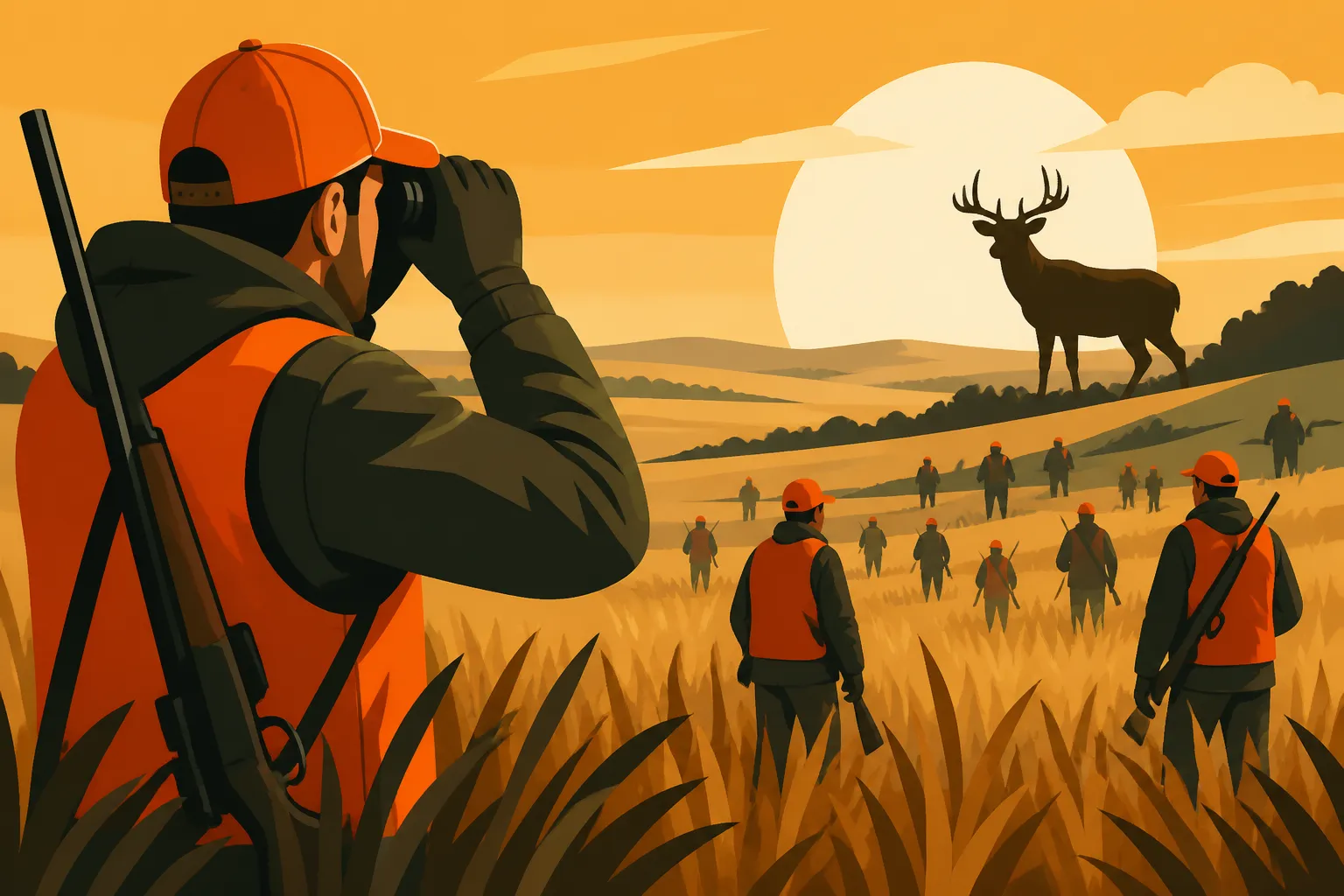
Think about it: after working all week, most folks only have the weekend to dedicate to hunting. Opening weekend, especially if it coincides with a long weekend, becomes the prime opportunity. Everyone has the same idea, leading to a concentration of effort. This often means hearing more vehicle traffic, seeing more orange vests, and experiencing more disturbed game than you might prefer. It can be frustrating when you've put in your own scouting time, only to arrive and find another hunter already set up in what you thought was "your" spot. This isn't just a Saskatchewan thing; it's a phenomenon felt wherever public hunting land is abundant and popular.
The Impact of Hunter Pressure on Game
When a piece of public land suddenly sees a massive influx of hunters, the local game animals react. Whitetails, mule deer, moose, and even many bird species are incredibly adept at sensing danger and pressure. What was once a quiet feeding or bedding area can become a gauntlet of human scent, sound, and movement. This pressure typically pushes animals into thicker cover, onto private land where hunting pressure might be lower, or causes them to become largely nocturnal.
For example, a big mature whitetail buck might be visible during daylight hours in a particular forest fringe bluff during the week leading up to opening weekend. However, with trucks lining the road, hunters walking in every direction, and the occasional gunshot, that same buck will likely relocate or become incredibly wary, moving only under the cover of darkness. Reading Whitetail Sign in Saskatchewan Bluffs becomes even more critical when animals are feeling pressured, as their travel patterns will shift dramatically. This can turn a seemingly promising spot into a ghost town, leaving hunters scratching their heads and feeling like the game "vanished." It's a key reason why adapting your strategy beyond simply targeting prime, easily accessible spots is crucial.
Strategies for Avoiding the Crowds and Finding Solitude
Navigating opening weekend on public land doesn't have to mean sacrificing your peace and quiet or your chances of success. It just requires a shift in approach, a bit more effort, and sometimes, a willingness to think outside the box.
Go Where Others Won't (or Can't)
One of the most effective ways to escape the masses is to physically put yourself in places that are less convenient to access. This often means walking further, navigating rougher terrain, or finding non-obvious entry points. While many hunters will stick to spots within a short walk of their truck, those willing to put in an extra mile or two of hiking can often find untouched pockets of habitat.
Consider areas that are bordered by natural barriers like sloughs, dense bush, or winding creek bottoms that make vehicle access difficult. These natural features can act as a buffer, discouraging casual hunters. Even on a busy quarter section of Crown land, a remote corner that requires traversing a swampy area or climbing a steep hill might hold animals that have been pushed there by hunters taking the easy path. Don't be afraid to pull out your Reading a Saskatchewan WMZ Map Before You Go and look for these less obvious corners. Many hunters will drive right past these spots, not wanting to put in the effort, which is exactly why they become hidden gems.
Utilizing Mapping Technology to Identify Remote Areas
In today's hunting world, digital mapping applications like onX Hunt have become indispensable tools for scouting and planning. These platforms allow you to overlay land ownership, topo maps, satellite imagery, and even historic wildfire data, giving you an incredible advantage in identifying those overlooked areas. Use onX Hunt to zoom in and look for subtle terrain features – a small isolated bluff, a narrow willow-lined creek, a dense patch of timber surrounded by open fields – that might be harder to see from a road.
You can mark property lines to confirm you're on public land and identify access points that aren't obvious pull-offs. Perhaps there's an old logging road that's barely visible, or a municipal road allowance that's overgrown but legally accessible by foot. Reading Saskatchewan Crown Land Layers on onX is a skill that will pay dividends. Another excellent resource is GoHunt, which offers similar powerful mapping capabilities. By using these tools from home, you can pinpoint areas that require a bit more effort to reach, but in doing so, you dramatically increase your chances of finding solitude and undisturbed game. Mark these spots, create a plan for getting in quietly, and commit to the walk.
Hunting Mid-Week or Later in the Season
The "opening weekend" rush is, by definition, concentrated on Saturday and Sunday. If your schedule allows, consider shifting your hunt to a weekday. Even just heading out on a Monday or Tuesday after opening weekend can make a massive difference. Many of the initial surge of hunters will have gone back to work, leaving the public land to quiet down significantly. The animals, though still wary, might start to settle back into more natural patterns without constant pressure.
Furthermore, looking beyond the first week of the season altogether can be highly beneficial. As the season progresses, hunter numbers naturally thin out. The rut for whitetails, for instance, often kicks into high gear in early to mid-November, long after the initial opening day crowds have dispersed. Hunting the Rut in Early to Mid November can be an incredibly productive time with far less competition. Similarly, late-season hunts, especially when the snow is deep and the temperatures drop, see very few hunters. If you're prepared for the cold, Hunting the December Late Season Cold can offer some of the most solitary and rewarding experiences on public land.
The Best Tools and Tactics for Scouting and Planning
Success in finding solitude on crowded public land starts long before opening morning. It begins with meticulous scouting and strategic planning.
Pre-Season E-Scouting and Map Study
Your couch can be one of your most effective scouting tools. Before you ever set foot on public land, spend hours poring over maps, both topographical and satellite imagery. Look for changes in elevation, pinch points, funnels, and natural barriers that might concentrate game movement or deter other hunters. Identify areas of dense cover adjacent to feeding areas. Pay close attention to water sources.
Use mapping applications like onX Hunt or GoHunt to analyze land features. Look for subtle transitions in vegetation, old clear-cuts, or even faint game trails visible from above. These tools allow you to cover vast amounts of ground virtually, helping you narrow down your physical scouting efforts to the most promising areas. Think about how deer, moose, or elk might move through a particular piece of terrain and identify potential bedding and feeding areas. This kind of detailed map study will help you identify areas that might not be obvious to the casual observer.
Boots-on-the-Ground Scouting (Away from Prime Time)
While e-scouting is crucial, nothing replaces putting boots on the ground. However, when and how you do your physical scouting matters. Avoid scouting the week before opening weekend, as you'll likely disturb game and leave your scent, potentially warning animals away from your intended hunt spot. Instead, aim for early to mid-summer, or during the off-season. This gives animals plenty of time to return to their normal patterns before the hunting season begins.
When scouting, focus on identifying fresh sign like tracks, rubs, scrapes, and droppings. Determine travel corridors between food and bedding. Look for overlooked features – a small willow run connecting two larger bluffs, an isolated stand of evergreens, or a depression in the terrain that offers thermal cover. Often, the best spots aren't immediately obvious from the road, but rather require a dedicated walk-in. If you find a promising area, try to approach it from multiple directions to understand how game might use it and how other hunters might try to access it. Scouting With Satellite Imagery in Saskatchewan combined with physical scouting is a powerful one-two punch.
Using Trail Cameras Strategically
Trail cameras can be incredibly valuable for confirming game presence and patterns in remote public land spots. However, deploying them strategically is key to avoiding human interaction and minimizing disturbance. Don't place cameras right on obvious trails or near popular access points, as they are more likely to be found or disturbed by other hunters. Instead, place them deeper in, in thicker cover, or on secondary trails that game might use when feeling pressured.
Set your cameras to capture video or a burst of photos with a delay to minimize the number of images taken, which will extend battery life and reduce the frequency of your visits. Check them infrequently, maybe once every two to three weeks, to minimize your presence in the area. The data you gather – specific times of day animals are moving, their size, and direction of travel – can be invaluable for planning your actual hunt, especially for determining if a particular area still holds active game after opening weekend pressure.
Beyond Opening Weekend: Finding Success Later in the Season
While the initial thrill of opening weekend is undeniable, some of the most rewarding and solitary hunting experiences in Saskatchewan often happen later in the season. Embracing the changing conditions and adapting your tactics can lead to remarkable success with far less competition.
Hunting When the Weather Turns
Many fair-weather hunters pack it in once the temperatures drop, or the snow starts to fall. This is precisely when the hunting can get good, and the crowds virtually disappear. Saskatchewan's late fall and early winter can bring challenging conditions – bitter cold, deep snow, and strong winds. But these conditions also concentrate game, make sign easier to read, and force animals to move more often in search of food.
Don't shy away from hunting during a cold snap or after a fresh snowfall. Hunting Saskatchewan Winter Weather Safely is paramount, so ensure you have the right gear, layers, and emergency supplies. Animals often stick to thermal cover like dense conifer stands or south-facing slopes during cold weather. A fresh blanket of snow makes tracking much easier and reveals recent activity that might otherwise go unnoticed. While it might not be as comfortable as a warm October day, the solitude and potential for a mature animal are often worth the extra effort.
Targeting Less Popular Species or Methods
While everyone is chasing whitetails or geese on opening weekend, consider focusing on species or methods that typically see less pressure. For example, if you're a bird hunter, consider Walking Up Sharp-Tailed Grouse in Saskatchewan or Hunting Hungarian Partridge on Saskatchewan Farms later in the season. These birds are often overlooked compared to waterfowl, and the act of walking them up provides a completely different, often more solitary, experience.
For big game, while whitetails are incredibly popular, exploring opportunities for species like moose or elk in areas with draw permits might lead you to less crowded zones, even if the draw odds are tough. Alternatively, focusing on methods like calling coyotes in winter can offer thrilling and solitary experiences when most other big game seasons are closed. The key is to think beyond the most popular quarry and timeframes, opening yourself up to different, and often more serene, hunting adventures. Hunting Saskatchewan Ground Others Drive Past often means looking for these less-popular opportunities.
Respecting Landowners and Building Relationships
While this guide focuses on public land, don't underestimate the power of building good relationships with private landowners. Even if you only hunt public land for now, being respectful, courteous, and leaving a positive impression on local residents can open doors in the future. Many landowners are happy to allow hunting to responsible individuals, especially if they have issues with nuisance animals or crop damage.
Always ask for permission when hunting private land, even if it appears unposted. Knocking on Doors in Saskatchewan Farm Country can be intimidating, but a friendly approach and a genuine offer to help out (like closing gates or reporting issues) can go a long way. Having access to even a small piece of private land can provide a sanctuary from opening weekend public land crowds, giving you a quiet alternative to pursue game. Always remember that access is a privilege, not a right, and treat all land, public or private, with the utmost respect.
| Strategy Type | Description | Pros | Cons |
|---|---|---|---|
| Deep Walk-In Access | Hunting areas requiring significant hiking away from road access. | High solitude, less pressured game, potentially larger mature animals. | High physical exertion, more challenging game retrieval, time-consuming. |
| Mid-Week Hunting | Hunting Monday-Friday, avoiding traditional weekend rush. | Significantly reduced hunter pressure, game returns to normal patterns. | Requires flexible schedule, potentially fewer hunting partners available. |
| Late Season Hunting | Hunting in late fall/winter, often in cold or snowy conditions. | Minimal hunter pressure, easier tracking in snow, game concentrated. | Requires specialized cold-weather gear, harsher conditions, shorter days. |
| Overlooked Habitat | Targeting small, isolated bluffs, sloughs, or thickets within larger areas. | Often holds pressured game, good for specific ambush points. | Can be difficult to locate without detailed scouting, limited game numbers. |
| Alternative Species/Methods | Focusing on less popular game (e.g., upland birds) or techniques (e.g., calling). | Very low pressure, unique challenges, rewarding experiences. | May not align with primary hunting goals, specialized knowledge/gear needed. |
Disclaimer
This article is for general informational purposes only and does not constitute professional advice. Laws, prices and regulations vary by location and change over time. Consult a qualified professional for guidance on your specific situation.