What Saskatchewan’s Trespass Law Requires
One of the biggest headaches for hunters in Saskatchewan, especially if you're not from a farming background, is figuring out where you can actually go to pursue game. It's not always as simple as seeing a field or a bush and assuming it's fair game. This guide will help you understand Saskatchewan's trespass laws, particularly as they apply to hunters, so you can navigate land access with confidence and respect.
Understanding Saskatchewan's Trespass Law: Why It Matters to Hunters
It’s a frustrating reality for many of us: you scout a promising piece of land, see game sign, perhaps even spot a monster buck, only to realize you have no idea who owns it, or if you're even allowed to step foot there. The dream of wide-open spaces can sometimes clash with the very real and necessary laws protecting private property. Saskatchewan, like many places, has specific rules about who can be on what land, and as hunters, it's our responsibility to know these rules inside and out. Ignoring them isn't just a legal risk; it damages the reputation of all hunters and strains relationships with landowners who are often generous with their access.
The Core Principle of Permission
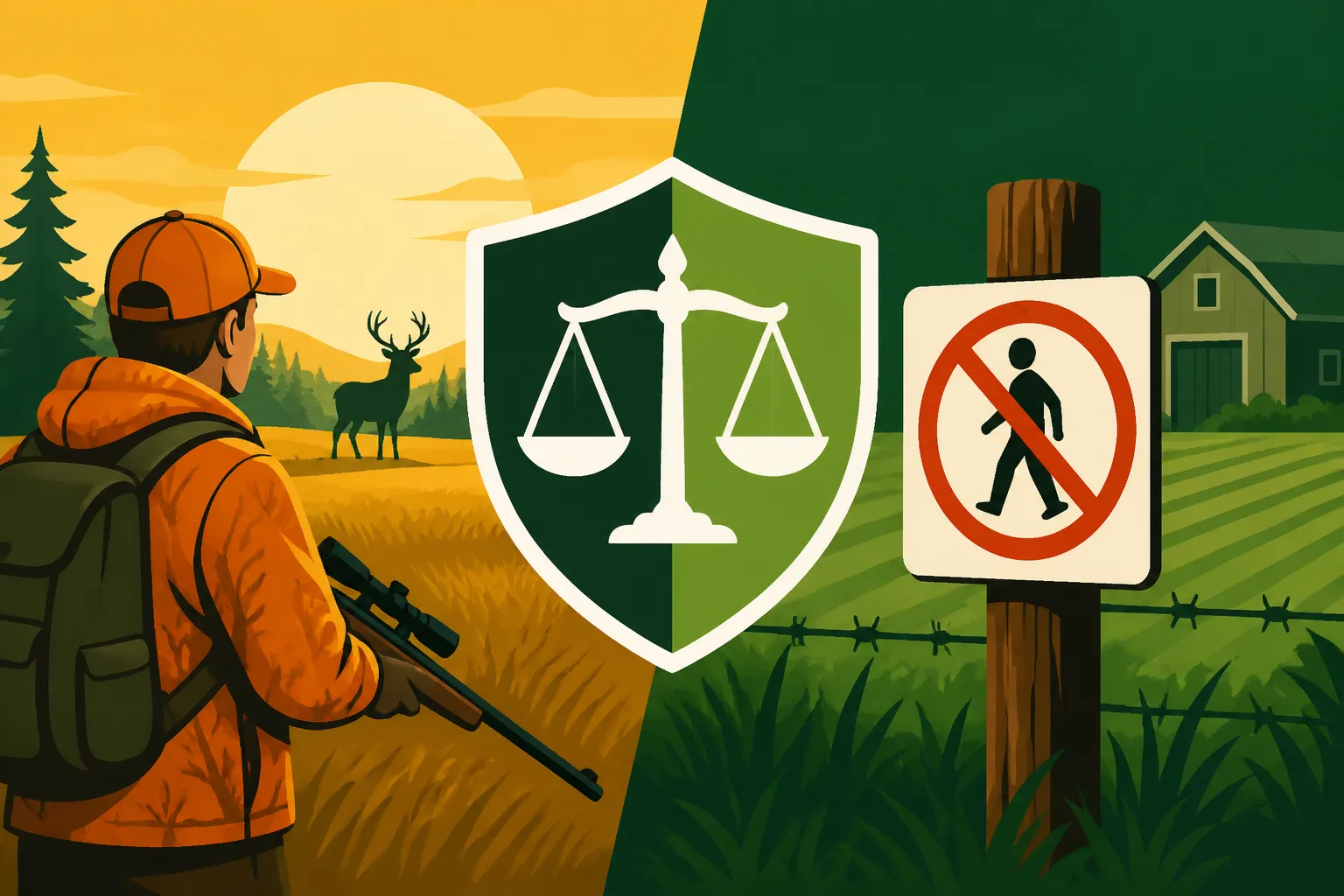
At its heart, Saskatchewan's trespass law is pretty straightforward: you need permission to be on private land. This isn't just a suggestion; it's a legal requirement. For hunters, this means before you step out of your truck, before you cross that fence line, you absolutely must ensure you have explicit consent from the landowner or occupier. This principle protects property owners from unwanted intrusion and ensures they maintain control over their land. It's about respecting boundaries, and frankly, it's about being a good neighbour. Without this core understanding, you're setting yourself up for trouble, regardless of your intentions.
Think of it this way: your backyard might look inviting to a stranger, but you'd certainly want them to ask before wandering onto your property. It's the same for farmers and ranchers whose livelihoods depend on their land. They might have livestock, machinery, or even sensitive areas they don't want disturbed. A simple conversation upfront can prevent a lot of headaches later on. The law isn't designed to keep you from hunting; it's designed to ensure that access is granted respectfully and with consent. This is especially crucial when considering something like Hunting Saskatchewan's Community Pastures and Hunting, where multiple stakeholders might be involved.
Common Misconceptions About Access
There are a few myths floating around that can get hunters into hot water. One common misconception is that if land isn't explicitly "posted" with signs, it's automatically open to public access. This is absolutely not true in Saskatchewan. The absence of a "No Trespassing" sign does not grant permission. The onus is always on the hunter to seek and obtain permission. You can't just assume. Another myth is that Crown land is always fair game, which, while largely true, still has nuances you need to understand, especially with grazing leases or occupied sections. Just because it's Crown land doesn't mean it's a free-for-all; there can be restrictions or areas where access is limited for various reasons.
Some hunters also mistakenly believe that if they see others hunting a particular area, it must be public or allowed. This is a risky assumption. Those other hunters might have permission that you don't. Every hunter is individually responsible for obtaining their own access. It's never safe to rely on what you think might be the case, or what you saw someone else doing. Always confirm. It also applies to situations like retrieving game. If your animal crosses onto private property where you don't have permission, you still need to secure it before entering. This can be a tough pill to swallow when you have a downed animal, but the law is clear.
Navigating Posted Land and Unmarked Property
The reality of hunting in Saskatchewan means you'll encounter a mix of posted private land, seemingly unmarked private land, and various forms of Crown land. Understanding how to differentiate and what your responsibilities are for each is paramount. It’s not just about avoiding a fine; it’s about fostering a culture of respect that keeps hunting opportunities open for everyone. Technology has certainly made this easier, but it doesn't replace good old-fashioned communication.
What Constitutes "Posted" Land
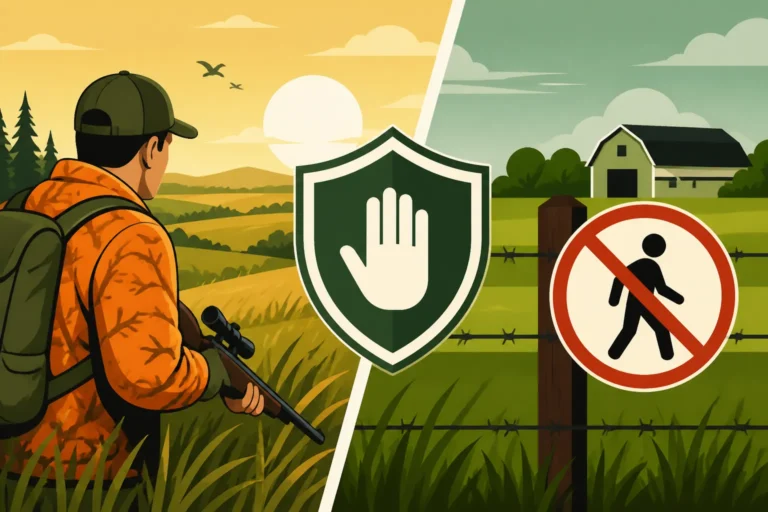
When a landowner doesn't want anyone entering their private property, they have the right to "post" it. In Saskatchewan, posted land is generally understood to be land that has signs, fences, or other physical indicators clearly showing that access is restricted. These signs should be reasonably visible and indicate that entry is prohibited without permission. However, the exact requirements for a "posted" sign are quite flexible. It doesn't need to be a fancy, professionally printed sign; even a handwritten one, as long as it's clear, can suffice. The key is that it communicates a clear intent to restrict access.
Often, you'll see "No Hunting" or "No Trespassing" signs at logical access points like gate entrances, along fence lines, or at trailheads. These are undeniable indicators that you need to stay out unless you have explicit permission. You might also encounter brightly painted markers on trees or posts, which serve the same purpose. The general rule is if you're in doubt, assume it's private and posted, and seek clarity. Ignorance is not a defense if you're caught trespassing. Always consult a resource like Saskatchewan Posted Land Sign Rules if you need more detailed information on what signs must say.
The Role of Implied Consent (or Lack Thereof)
This is where some hunters get confused, so let's clear it up. In Saskatchewan, there is no implied consent for recreational use on private land. This means you cannot assume that because there isn't a "No Trespassing" sign, you are welcome to enter. As mentioned, the burden is entirely on the hunter to seek and obtain permission before entering private property. This applies whether the land is cultivated farmland, pasture, or a bush quarter.
Let's imagine you're glassing a beautiful aspen bluff that looks like prime whitetail habitat. It's adjacent to a municipal road, and there are no signs on the fence. You can't just climb over that fence. You must identify the landowner and ask for permission. Even if you don't see any activity, any houses, or any obvious crops, it's still someone's property. This proactive approach is fundamental to ethical hunting and avoiding legal trouble. Tools like onX Hunt and GoHunt have become incredibly popular because they allow you to quickly identify property boundaries and often landowner information, making the process of asking for permission much more efficient. However, these tools are just that – tools – they don't replace the actual act of asking. They simply help you figure out who to ask and where the boundaries are.
The Consequences of Trespassing While Hunting
Let's be blunt: trespassing carries real consequences. It's not just a minor infraction. For hunters, these consequences can range from hefty fines to the loss of hunting privileges, and even more significantly, they can damage the crucial relationship between hunters and landowners. Understanding what's at stake helps reinforce the importance of always seeking permission. This is especially true given the generally positive Saskatchewan Landowner Relations for Hunters that many strive to maintain.
Penalties and Fines for Hunters
Trespassing in Saskatchewan can result in significant legal repercussions under the province's Trespass to Property Act. While specific amounts can change, generally, penalties for unlawfully entering private property can include substantial fines. A first offense might carry a fine, but repeat offenses can see these amounts increase dramatically. Beyond monetary penalties, an individual found guilty of trespassing while hunting could also face the forfeiture of their hunting license and permits for a period of time, effectively preventing them from hunting legally in Saskatchewan. Imagine planning your big annual trip, investing in gear and travel, only to lose your ability to hunt because you didn't take the time to ask for permission.
In more severe cases, especially if there's damage to property or a clear disregard for the landowner's wishes, the legal consequences can escalate. It's not just a simple ticket. The Ministry of Environment conservation officers take these matters seriously, and they have the authority to enforce trespass laws. Their job is to protect both wildlife and private property, and they are well-versed in investigating complaints. Being stopped by a conservation officer for trespassing is a swift and sure way to ruin a hunting trip and create a lasting negative mark on your record.
| Offense Type | Typical Consequence | Impact on Hunter |
|---|---|---|
| First-time Trespassing | Monetary fine, warning, potential license suspension. | Financial cost, loss of hunting days, reputational harm. |
| Repeat Trespassing | Increased fines, mandatory license suspension, potential forfeiture of equipment. | Significant financial burden, long-term hunting ban, potential legal record. |
| Trespassing with Property Damage | Higher fines, civil liability for damages, criminal charges possible. | Legal fees, compensation costs, severe hunting privilege loss, criminal record. |
| Failure to Comply with Officer | Additional fines, potential arrest, further legal action. | Escalated legal trouble, immediate end to hunt. |
Ethical Implications and Landowner Relations
Beyond the legal penalties, there's a profound ethical cost to trespassing. Each instance of a hunter disrespecting private land erodes trust and makes it harder for every other hunter to gain access. Landowners are often incredibly generous, allowing access to their property based on trust and a good relationship. When that trust is broken by someone who trespasses, it sours the experience for everyone. A landowner who has had a bad experience with a trespassing hunter might then decide to post all their land, refusing access to even the most polite and respectful individuals. This is why following What Saskatchewan's Trespass Law Requires is so vital for the broader hunting community.
Think about the long game. If you're hoping to build relationships that grant you consistent access year after year, a single act of trespassing can burn those bridges forever, not just for you, but potentially for friends, family, and future hunters. Good landowner relations are the backbone of much of Saskatchewan's hunting access, especially for species like whitetail deer and waterfowl. Many of us rely on the kindness of farmers and ranchers to pursue our passion. Ethical hunting isn't just about fair chase or proper shot placement; it's fundamentally about respect for the land, the wildlife, and the people who own and manage that land. Every time you ask for permission, even if it's denied, you're reinforcing that respect.
Best Practices for Securing Landowner Permission
Given the importance of permission, knowing how to ask effectively is just as crucial as knowing that you must ask. It’s an art form, really, and mastering it can open up a world of hunting opportunities that remain closed to those who don’t make the effort.
Approaching Landowners Respectfully
The first step to securing permission is to approach landowners with respect and genuine courtesy. Remember, you are asking for a favor, not demanding a right. Timing and demeanor are everything. Avoid showing up during busy times like seeding, harvest, or meal times. A weekday afternoon or early evening is often better. If you see them working in the field, wait for a natural break or approach when they are done. When you do approach, be polite, introduce yourself clearly, and state your purpose directly.
Start by explaining that you are a hunter interested in the possibility of hunting on their land. Ask if they allow hunting and, if so, what their conditions might be. Be prepared to show your valid hunting license and explain your hunting intentions (e.g., "I'm looking for whitetail deer" or "I'd like to try for some ducks in your slough"). Offer to share some of your harvest, or perhaps help with a chore if the opportunity arises. Often, simply asking, listening, and respecting their answer (even if it's a "no") goes a long way. Many hunters find success by following advice from guides like Knocking on Doors in Saskatchewan Farm Country. If a landowner agrees, make sure to clarify boundaries, specific areas they want you to avoid (e.g., around buildings, near livestock), and any other rules they might have. Confirming these details upfront prevents misunderstandings.
Utilizing Technology for Permission Requests
In today's world, technology has made identifying landowners and even initiating contact significantly easier. While it doesn't replace face-to-face interaction, it can be an invaluable first step. Apps like onX Hunt and GoHunt are fantastic tools that provide detailed property boundary maps, often with landowner names and contact information. These apps overlay property lines on satellite imagery, allowing you to see exactly where private land begins and ends, and where Crown land might be located. This is especially useful when trying to understand Reading a Saskatchewan WMZ Map Before You Go.
Here’s how you can leverage these tools:
- Identify Landowners: Use the app to pinpoint the owner of a promising parcel. This gives you a name, which makes your introduction much more personal.
- Locate Contact Information: Sometimes, these apps will have associated phone numbers or mailing addresses. If not, a quick online search for a local land registry or municipal office might yield results.
- Visual Confirmation: Before you even approach, you can study the terrain, identify potential access points, and understand the layout of their property, which demonstrates preparation and respect when you speak with them.
- Boundary Clarity: Once permission is granted, you can often save specific property boundaries on your app, ensuring you stay within the agreed-upon areas. This helps you avoid accidental trespass, which can be just as damaging as intentional trespass.
Even with these modern conveniences, remember that the human element is still key. A text message or email might get the ball rolling, but a personal phone call or a polite visit often leaves a better impression and helps build a relationship. Always confirm the most current rules and regulations, as outlined in resources like Saskatchewan Landowner Permission Law. By combining respectful traditional methods with modern technology, you significantly increase your chances of securing access and enjoying successful, ethical hunts in Saskatchewan.
Disclaimer
This article is for general informational purposes only and does not constitute professional advice. Laws, prices and regulations vary by location and change over time. Consult a qualified professional for guidance on your specific situation.