Winter Road Access in Northern Saskatchewan
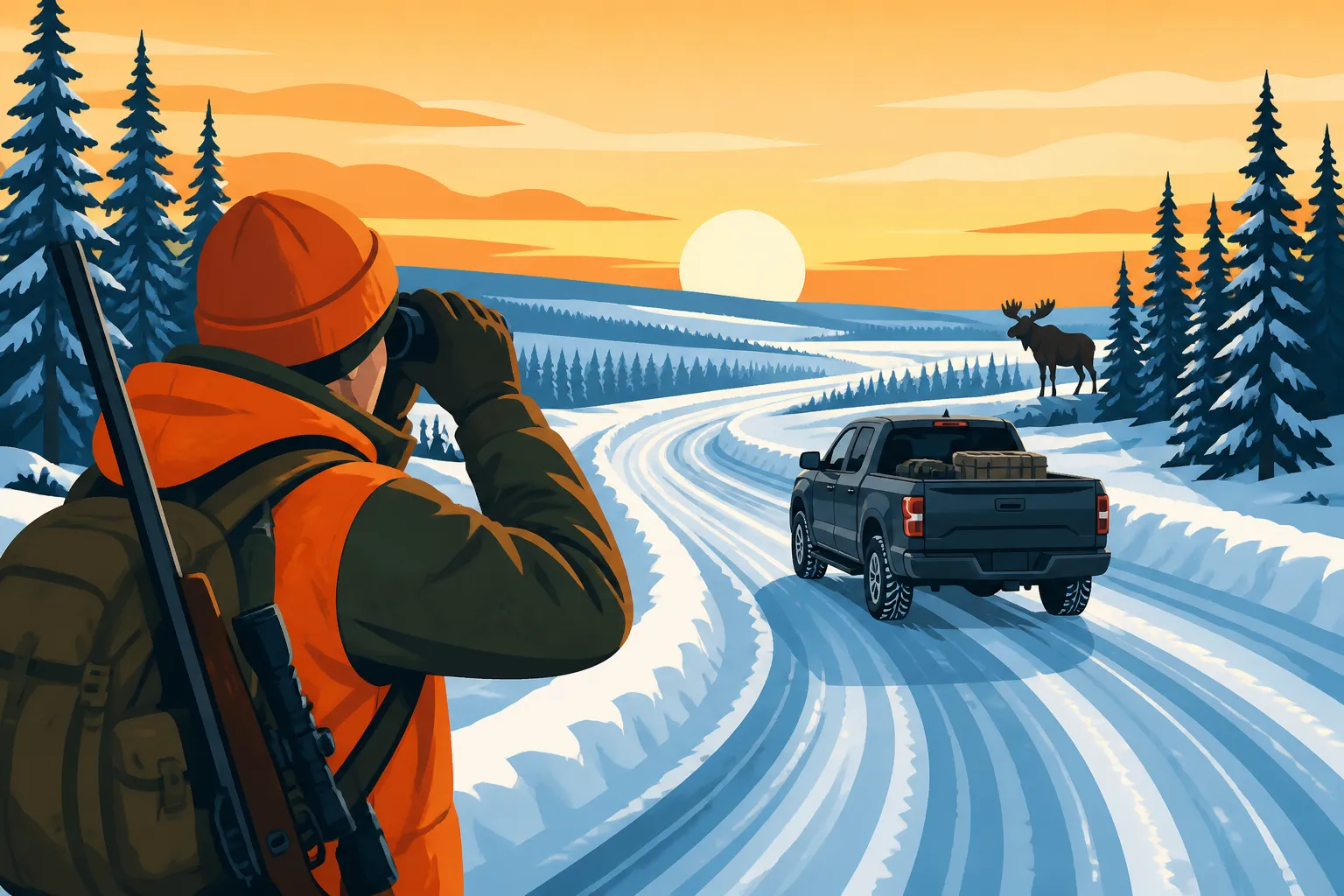
The allure of northern Saskatchewan in winter for hunting is undeniable – pristine snow, quiet forests, and the chance at some truly impressive game. But the reality is that those beautiful landscapes can become formidable obstacles when it comes to simply getting there. Navigating the northern road network in the depths of winter presents a unique set of challenges that can quickly turn a hopeful hunting trip into a survival situation if you're not prepared. This guide will walk you through the ins and outs of understanding and managing winter road access in Northern Saskatchewan, helping you plan a safer, more successful hunting adventure.
Understanding Northern Saskatchewan's Winter Road Network
Northern Saskatchewan isn't like the grid-patterned farmland roads you find further south. The road network up north is a tapestry of primary highways, secondary gravel roads, logging trails, old resource roads, and even winter roads that only exist when the ground is frozen solid. Each type comes with its own set of challenges and maintenance realities once the snow flies and the temperatures drop. You can't just assume that a line on a map is going to be passable, especially after a fresh snowfall or a period of intense cold.
Primary Highways and All-Weather Roads
These are your lifelines, the main arteries that connect larger northern communities like La Ronge, Buffalo Narrows, or Creighton. They are generally well-maintained, plowed regularly, and often sanded or graveled at intersections and on hills to improve traction. Even on these roads, however, you can encounter significant challenges. Whiteouts during blizzards are common, reducing visibility to zero, and black ice can form suddenly and without warning. While these roads are the most reliable, it's never wise to let your guard down. A simple trip can turn treacherous if you're caught off guard by rapidly changing conditions. Always check the highway hotline before you leave and regularly during your trip for real-time updates.
Secondary Gravel and Resource Roads
Once you peel off the main highways, you'll encounter a vast network of gravel roads, many of which are essential for accessing remote communities, cabins, or resource extraction sites like logging operations or mines. These roads might see less frequent plowing than primary highways, and in areas with less traffic, they can quickly become snowed in. During heavy snowfalls, some of these roads might only be cleared periodically, or not at all, particularly if they lead to areas with no permanent residents or active industry. It's crucial to understand the purpose of the road you're planning to use. Is it a main thoroughfare for commercial traffic, or a seasonal access route for recreational use? This will heavily influence its winter maintenance. Services like Scouting With Satellite Imagery in Saskatchewan can help you spot these less-traveled routes and assess potential access points before you even leave home.
Logging Roads, Cutlines, and Winter Trails
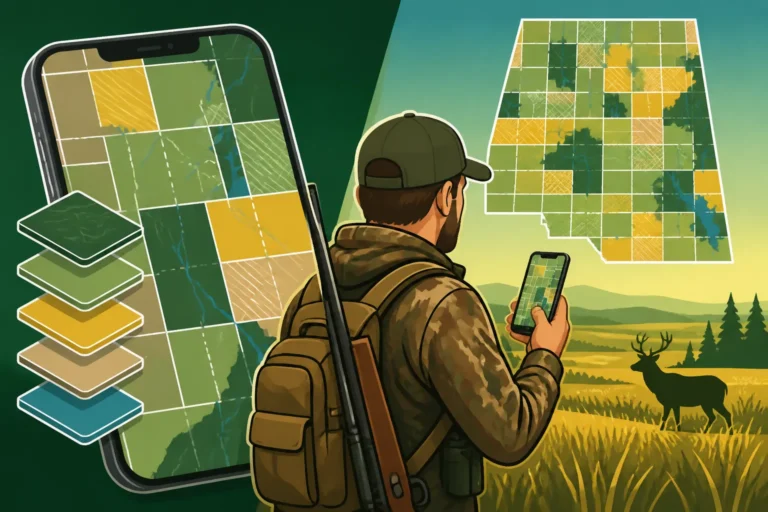
This is where the real adventure – and the real risk – begins. Northern Saskatchewan is crisscrossed by countless logging roads, cutlines, and old exploration trails. Many of these are not maintained in winter, or only maintained by specific companies for a short period during active operations. A logging road that was perfectly passable in the fall can become completely drifted over, choked with deadfall, or impassable due to deep, soft snow or ice in winter. Some areas even have designated "winter roads" that are built over muskeg or lakes, only becoming usable when the ground is deeply frozen. These are usually for industrial use and require extreme caution. Using a robust mapping app like onX Hunt can be incredibly beneficial here, as it often shows these smaller trails and can overlay land ownership, helping you identify potential access points on Saskatchewan's Crown Land Access. However, even the best maps won't tell you the real-time snow depth or ice conditions, so always proceed with extreme caution and a healthy dose of skepticism when venturing onto these types of routes.
Navigating the Challenges of Winter Travel in the North
Just knowing where the roads are isn't enough; you need to understand the unique challenges winter throws at you when you're driving in northern Saskatchewan, especially when heading out for Moose Hunting Saskatchewan's Farmland and Forest or Black Bear Hunting in Saskatchewan in the fall.
Snow Accumulation and Drifting
Northern Saskatchewan sees significant snowfall, and it doesn't take much to make a road impassable. Even if a road was plowed yesterday, a fresh overnight snowfall combined with strong winds can create massive drifts that can trap even capable 4×4 vehicles. Visibility can plummet to near zero during these conditions. Deep, unconsolidated snow can also make it impossible to tell where the road ends and the ditch begins, leading to accidental ditch entries or getting high-centered. This is particularly true for roads that traverse open areas or connect bush bluffs, where wind can whip across fields and deposit snow rapidly.
| Road Type | Typical Winter Maintenance | Common Challenges | Best Practices for Hunters |
|---|---|---|---|
| Primary Highways | Frequent plowing/sanding | Whiteouts, black ice, high winds | Check hotline, drive defensively, full tank of fuel |
| Secondary Gravel Roads | Periodic plowing | Deep snow, drifting, less frequent clearing | High-clearance 4×4, carry recovery gear, inform others |
| Logging/Resource Roads | Intermittent or none | Heavy drifting, ice, deadfall, no maintenance | Scout beforehand, travel in pairs, advanced recovery gear |
| Winter Roads (Seasonal) | Specialized (ice roads) | Thin ice, heavy load limits, specific opening/closing | Avoid unless critical, follow all posted rules, never alone |
Ice Conditions
Ice is another insidious threat. Whether it's black ice on a highway, a frozen over low-lying section of a gravel road, or solid ice on a lake crossing (if you're on a true winter road), it demands respect. Even studded tires and 4×4 don't negate the danger of ice. Braking distances increase dramatically, and steering control can be lost in an instant. Rivers and creeks can also present hidden dangers; while they might appear frozen solid, currents beneath can thin the ice, creating weak spots. Always assume ice is unpredictable, and if you have any doubts, turn around.
Vehicle Preparedness and Recovery
Your vehicle is your lifeline in the northern winter. A reliable 4×4 truck or SUV with good winter tires (ideally studded for deep north travel) is almost a necessity. Ensure your vehicle is in top mechanical condition, especially the battery, fluids (rated for extreme cold), and heating system. Beyond that, a robust Winter Truck Kit for a Saskatchewan Hunt is non-negotiable. This should include:
- Recovery Gear: A heavy-duty tow strap, shackles, a winch (if possible), a shovel, and traction mats. Getting stuck is not a matter of if, but when.
- Emergency Supplies: Extra fuel, blankets, sleeping bags, a strong flashlight, fire-starting kit, first-aid, high-energy food, and plenty of water. If you get stranded, you might be waiting a long time for help.
- Communication: A satellite messenger or satellite phone is highly recommended, as Where Saskatchewan Cell Coverage Ends once you venture deep into the boreal forest. This allows you to call for help even without cell service. Relying solely on a cell phone is a gamble up north.
- Tools: Basic tools for minor repairs, a tire repair kit, and a portable air compressor.
Even with all this, consider traveling with another vehicle, or at the very least, informing someone of your exact route and expected return time. Getting What to Do If You Get Stuck in the Bush alone in sub-zero temperatures with no way to communicate is a truly dangerous situation.
Planning Your Northern Saskatchewan Winter Hunting Trip
Effective planning is paramount when hunting in the cold and remote expanse of northern Saskatchewan. It’s not just about the game; it’s about safety and knowing what to expect from the elements and the terrain.
Thorough Route Research and Mapping
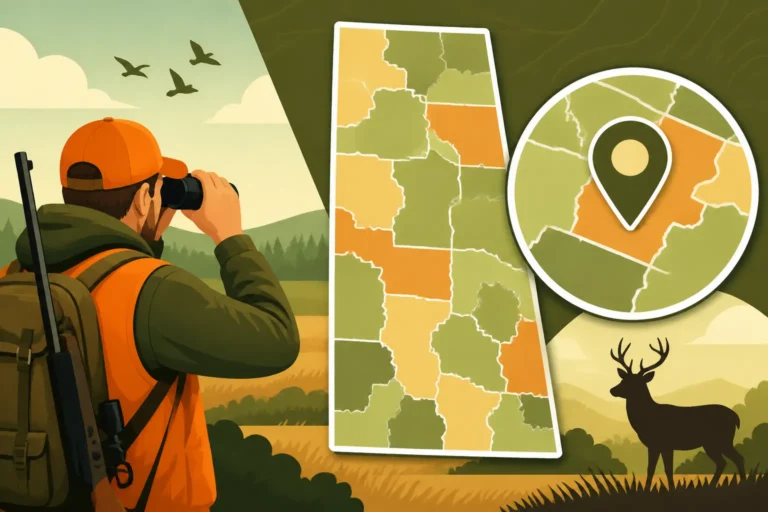
Before you even load your rifle, you need to meticulously plan your route. Don't just rely on general highway maps. Utilize detailed topographical maps, satellite imagery, and specialized hunting apps. Programs like onX Hunt or even general mapping software allow you to layer different information, showing not just paved roads, but also logging roads, cutlines, and potential access points. You can zoom in and look for areas of dense forest versus open country, which will influence how snow drifts. Cross-reference this with local knowledge if you can; talk to outfitters, conservation officers, or other experienced northern hunters. They often have invaluable, up-to-date information on which roads are maintained and which are perpetually impassable in winter. While resources like GoHunt focus heavily on western US draws, the principles of thorough research they advocate, particularly understanding terrain and access points, are universal and apply directly to navigating Saskatchewan's north. Take notes on potential bail-out points or alternative routes in case your primary access becomes blocked.
Monitoring Weather and Road Conditions
Winter weather in Saskatchewan is notoriously unpredictable and can change dramatically in a matter of hours. Never underestimate the speed at which a warm front can turn a packed snow road into an icy mess, or how quickly a blizzard can drop feet of snow.
- Saskatchewan Highway Hotline: This is your absolute best friend for road conditions on primary and many secondary routes. Check it frequently before and during your trip. It provides real-time updates on closures, icy patches, and visibility.
- Local Forecasts: Get the most localized weather forecast you can find, not just for the nearest major city, but for the specific area you plan to hunt. Pay close attention to snowfall amounts, wind speeds (which drive drifting), and extreme temperature drops.
- Temperature Swings: Be particularly wary of freeze-thaw cycles. Temperatures hovering around freezing can create dangerous black ice and slush, while deep cold can make mechanical issues more likely and exposure more deadly. Hunting Saskatchewan Winter Weather Safely means staying informed and being ready to adapt.
Contingency Planning and Communication
Even with the best preparation, things can and do go wrong. A rock might puncture a tire, deep snow might stop your truck, or a sudden illness could strike. Having a solid contingency plan is essential for any northern winter hunt.
- Emergency Contact: Provide a trusted friend or family member with your exact itinerary, including your planned routes, areas you intend to hunt, and expected return times. Check in with them regularly via satellite messenger or phone if you have service.
- Extra Days: Always build in extra days to your trip. A sudden blizzard might mean you're hunkered down in a cabin or waiting for roads to be plowed, or it could simply mean you need more time to get Getting a Deer Out on a Frozen Trail. Don't schedule yourself so tightly that an unexpected delay derails your entire trip or puts you in a risky situation by rushing.
- Know Your Limits: Be honest about your vehicle's capabilities and your own driving skills. If a road looks too rough, too snowy, or too icy, it probably is. There's no shame in turning around and finding an alternative access point or a different hunting area. Pushing into dangerous conditions is how accidents happen. Many hunters utilize Hunting an Old Logging Road in the North or Hunting a Cutline Grid in the North by leaving their main vehicle and using a snowmobile or quad, but even these require careful planning and knowledge of Quad and Side-by-Side Rules on Crown Land.
Remember, the vast beauty of northern Saskatchewan in winter comes with a profound responsibility to be prepared, vigilant, and respectful of the raw power of nature.
Disclaimer
This article is for general informational purposes only and does not constitute professional advice. Laws, prices and regulations vary by location and change over time. Consult a qualified professional for guidance on your specific situation.