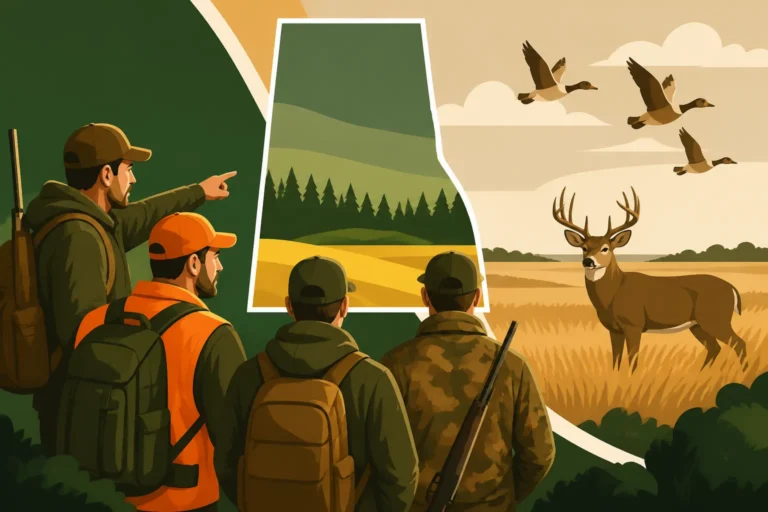
Saskatchewan Combination Hunt Packages
It’s a common dilemma for hunters coming to Saskatchewan: with such incredible opportunities for diverse game, how do you possibly choose just one species for your trip? The idea of dedicating a whole week to chasing whitetails is appealing, but so is the thought of those legendary waterfowl shoots, or the chance to tangle with a big black bear. For many, the frustration lies in feeling like they have to pick just one slice of the pie. This guide is all about exploring combination hunt packages in Saskatchewan, offering a deep dive into how these multi-species adventures work, what you can expect, and how to make the most of an experience that lets you pursue more than one dream.
Understanding Combination Hunts in Saskatchewan
Saskatchewan is truly a hunter's paradise, offering a remarkable array of big game and migratory birds. For many, the desire to experience as much of this incredible landscape and its wildlife as possible leads them to consider combination hunts. These packages are designed to allow hunters to pursue multiple species within a single trip, offering an efficient and often thrilling way to maximize your time in the field. But they come with their own set of considerations, from logistics to regulations.
What Exactly is a Combo Hunt?
At its core, a combination hunt package in Saskatchewan is an outfitter-provided trip that includes opportunities to hunt two or more distinct species. This isn't just about targeting different animals, though; it's often about experiencing different hunting styles, terrains, and even seasons all rolled into one memorable adventure. For instance, you might spend your mornings in a waterfowl blind and your afternoons perched in a treestand, or dedicate a few days to bear baiting before shifting gears to upland birds. The beauty of these packages lies in their variety, catering to hunters who want a broader taste of what Saskatchewan's wilderness has to offer. They're meticulously planned by outfitters to align with overlapping seasons and compatible hunting methods, creating a seamless experience even though you're jumping between very different pursuits. It's a way to double or even triple your fun, pushing your skills and gear across different disciplines.
Why Hunters Choose Combination Packages
There are compelling reasons why hunters flock to combination packages. First and foremost is efficiency. Traveling to Saskatchewan can be a significant investment of time and money, and a combo hunt allows you to leverage that investment by pursuing multiple tags. Instead of planning two separate trips—one for deer, another for geese—you can often combine them into one longer, more diverse excursion. This can be particularly appealing for non-resident hunters who face specific Rules for Non-Residents Hunting Saskatchewan and want to make their cross-border journey count. Secondly, it's about the sheer variety of the experience. Some hunters thrive on diverse challenges, enjoying the strategic patience required for big game just as much as the fast-paced action of a waterfowl shoot. A combination hunt prevents burnout from focusing on a single species and keeps the excitement fresh, day in and day out. It also offers a fantastic backup plan; if one species isn't cooperating due to weather or migratory patterns, you still have another primary focus to pivot to, increasing your overall chances of success and enjoyment.
The Regulatory Realities of Multi-Species Hunts
While the allure of a combo hunt is strong, it's crucial to understand the regulatory framework that makes these hunts possible—and sometimes challenging. Saskatchewan has specific licensing requirements for each species, and these must be meticulously adhered to. For big game, many species are allocated through a draw system, meaning success in the draw for both your desired big game species is often a prerequisite for a combination hunt. Outfitters receive allocations for certain species, and they package these allocations into their offerings. Waterfowl and upland bird licenses, on the other hand, are generally over-the-counter purchases, making them easier to combine with big game. You'll need to confirm that the seasons for your chosen species genuinely overlap in the specific Wildlife Management Zones (WMZs) you'll be hunting. Your outfitter will be the expert here, guiding you through the process of securing all necessary tags and permits, including the federal migratory bird permit if waterfowl are on your list. Understanding Saskatchewan Hunting Licences and What They Cost is a critical first step, as different licences will apply to each target species in your combo hunt.
Popular Saskatchewan Combination Hunt Options
Saskatchewan's diverse geography—from southern prairies to the dense boreal forest—lends itself beautifully to a variety of combination hunts. Outfitters have honed specific packages that capitalize on seasonal overlaps and the proximity of different game habitats. These popular options reflect both the abundance of wildlife and the unique experiences each region offers.
Whitetail and Waterfowl: The Prairie Classic
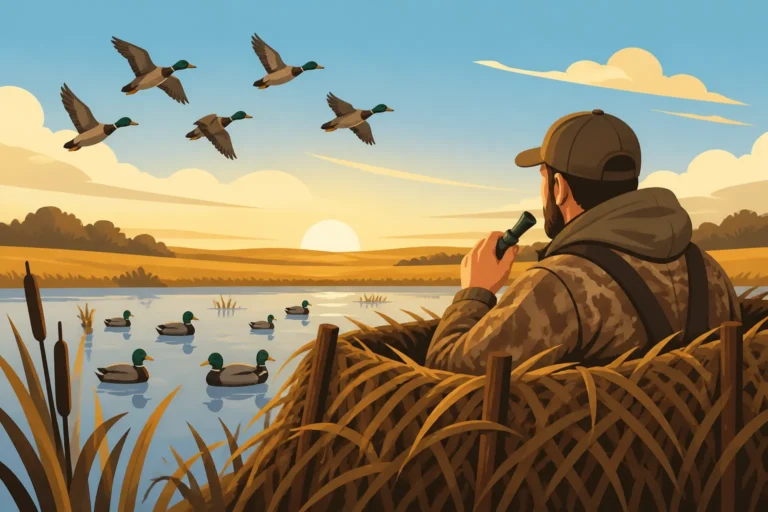
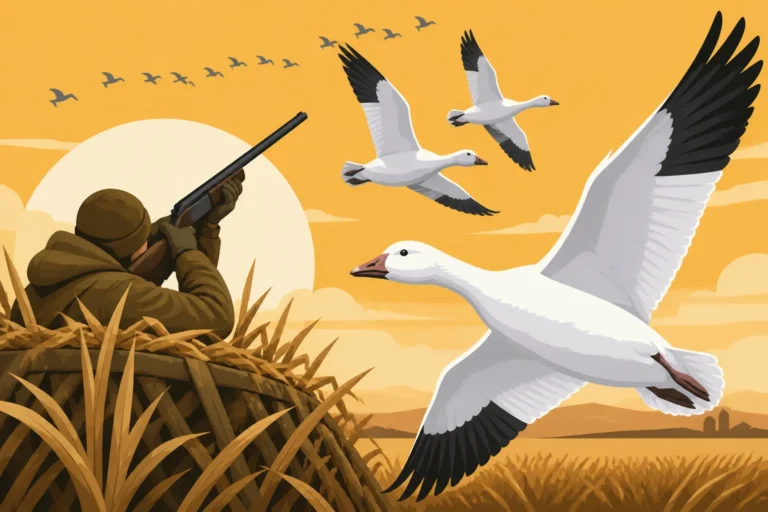
Perhaps the most iconic Saskatchewan combination hunt is the pairing of whitetail deer and waterfowl. This classic option thrives in the province's central and southern regions, where vast grain fields and rich parkland provide ideal habitat for both species. The whitetail season, especially the archery opener in September and the rifle rut in November, often overlaps perfectly with the peak migratory bird seasons. Picture this: you start your morning huddled in a layout blind, watching thousands of ducks and geese pour into a Setting a Goose Spread in Swathed Barley field as the sun rises, enjoying a fast-paced shooting experience. Then, in the afternoon, you shift gears, trading your waders for insulated gear, and head to a treestand or ground blind on a bush edge, waiting patiently for a Saskatchewan whitetail buck to step out of the cover.
Outfitters specializing in this combo will have access to prime agricultural land for bird hunting and strategically placed blinds or stands on the edges of bluffs or willow runs where whitetails frequent. The biggest challenge here is often the contrast in hunting styles and gear, requiring a versatile hunter and an outfitter who can efficiently manage both aspects of the hunt. This package is ideal for those who love high-volume action in the morning and the strategic solitude of big game hunting in the afternoon. The sheer numbers of birds in Saskatchewan during migration makes this an incredibly attractive proposition for hunters wanting to experience the best of both worlds.
Black Bear and Fishing: The Northern Wilderness Experience
For those drawn to the rugged beauty of Saskatchewan's northern forests and lakes, a black bear and fishing combination hunt offers an unforgettable spring adventure. The black bear season typically opens in spring, coinciding with excellent fishing conditions on the countless freshwater lakes and rivers in the boreal region. Imagine spending your late afternoons and evenings on a bear bait site, patiently watching for a magnificent colour-phase bear to emerge from the dense bush, perhaps utilizing a method like Baiting Black Bear in Saskatchewan. The excitement of a bear hunt is undeniably intense, a true test of patience and nerve.
Then, during the mornings and early afternoons, when bear activity is typically lower, you can hit the water with a fishing rod, targeting trophy pike, walleye, or lake trout. Many outfitters in the north operate lodges or remote camps situated on productive lakes, making this transition seamless. This combination is less about overlapping hunting seasons and more about maximizing the potential of a specific geographic area during a peak time for both activities. It provides a thrilling blend of hunting focus and relaxing, yet exciting, angling, making for a truly immersive wilderness experience far removed from the hustle and bustle. The serenity of the northern wilderness, combined with the adrenaline of hunting and fishing, offers a profound connection to nature.
Moose or Elk with Upland Birds: A Forest Fringe Adventure
Another excellent combination, particularly in the northern forest fringe regions, involves pursuing moose or elk alongside upland game birds like ruffed grouse, spruce grouse, or sharp-tailed grouse. Moose and elk hunts, especially those involving calling or stalking in dense cover, can often involve periods of quiet waiting or slow movement. Integrating upland bird hunting into these trips can fill those lulls with action and offer a change of pace. While you might be focusing on Calling a Bull Moose in the Rut or glassing for elk, carrying a shotgun or having one accessible allows for opportunistic bird flushes.
Many moose and elk territories in the forest fringe are crisscrossed with old logging roads, cutlines, and trails that are also prime habitat for grouse. These areas often provide excellent opportunities for Ruffed Grouse Hunting Saskatchewan's Bush Trails while you're actively scouting or moving between moose or elk hotspots. The smaller game acts as a fantastic bonus, keeping spirits high and providing additional table fare. This combo offers a deeper immersion into the diverse ecosystems of the forest fringe, allowing hunters to appreciate the intricate relationships between various species and their habitats. It's a fantastic way to enhance a big game hunt, adding layers of enjoyment and opportunity that a single-species hunt might miss.
What to Expect from a Combination Package
When you commit to a combination hunt in Saskatchewan, you're signing up for an experience that's often more dynamic and demanding than a single-species trip. Understanding the intricacies of these packages—from what's included to the physical and mental stamina required—is key to ensuring a successful and enjoyable adventure.
Typical Inclusions and Exclusions
Just like any guided hunt, combination packages will vary significantly in what they provide. Generally, you can expect core services such as professional guiding, meals, and comfortable accommodations (whether that's a remote lodge, a cabin, or a modern farm-based facility). Your outfitter will also typically handle the necessary transportation in the field, moving you between different hunting locations for each species. However, it's crucial to scrutinize the details of what's not included. This almost always covers your licenses and tags for each species, which you'll need to purchase separately. Processing and shipping of your game meat and trophies for multiple animals can also add up, and these costs are almost universally the hunter's responsibility.
Some outfitters might provide certain specialized gear, like blinds for waterfowl or treestands for deer, but you’ll be responsible for your personal hunting equipment, ammunition, and specialized clothing for varying weather conditions. For example, a whitetail and waterfowl combo hunt would require both warm, scent-free big game clothing and waterproof waders and warm layers for bird hunting. Always clarify these details with your outfitter well in advance to avoid any surprises. A reputable outfitter will be transparent about their Saskatchewan Combination Hunt Packages and provide a detailed breakdown.
Balancing Time and Opportunity Across Species
One of the biggest differences with a combination hunt is how your time in the field will be managed. Unlike a dedicated week for one species, a combo hunt requires a strategic division of your hunting hours. Your outfitter will have a plan to optimize your chances for each animal, often dictating when and where you'll pursue a particular species. This might mean intense early mornings for waterfowl, followed by a mid-day break, and then an afternoon/evening session for deer. The success of one part of your hunt might also impact the other; for example, if you fill your whitetail tag early, you might have more dedicated time for waterfowl, or vice versa.
Be prepared for potential trade-offs. If a certain species is proving particularly challenging, your guide might suggest focusing more time on the other species to ensure you have a fulfilling experience. Flexibility and open communication with your guide are paramount. Discuss your priorities beforehand: are you equally passionate about all species, or is there one you'd really prefer to focus on if conditions are right? Understanding How Many Days a Guided Hunt Runs and how those days are allocated across species will help manage your expectations.
Physical Demands and Gear Considerations
Combination hunts often entail higher physical demands simply because you're covering more ground, engaging in different types of physical activity, and potentially adapting to varied weather conditions. A black bear hunt might involve long hours sitting patiently, while a fishing excursion demands casting and handling fish. A waterfowl hunt means wading through fields and setting up spreads, and a whitetail hunt could involve cold, static sits in a blind. This calls for good physical conditioning and the ability to switch gears quickly.
Gear-wise, you’ll need a more comprehensive kit. This might include:
- Big Game: Rifle or bow, appropriate ammunition/arrows, optics, scent control, warm layering system for static sits, sturdy boots.
- Waterfowl: Shotgun, non-toxic shot, waders, waterproof outerwear, camouflage suitable for fields, calls.
- Fishing: Rods, reels, tackle, appropriate clothing for being on the water.
The logistical challenge of packing for multiple types of hunting can be significant. Many hunters find resources like BookYourHunt helpful for finding outfitters who specify gear requirements, and GoHunt offers valuable planning tools. Discuss your gear list extensively with your outfitter to ensure you have everything you need for each component of your combination hunt and that you’re not overpacking unnecessarily.
Choosing the Right Combination Outfitter
Selecting the right outfitter is always a critical step in planning any hunting trip, but it becomes even more crucial when considering a combination hunt in Saskatchewan. You’re entrusting them with managing multiple species, different hunting styles, and often varied logistics. A successful combo hunt hinges on the outfitter’s expertise, reputation, and ability to deliver on diverse promises.
Researching Multi-Species Specialists
Not all outfitters offer combination hunts, and fewer still truly excel at them. Look for outfitters who explicitly advertise combination packages as a core part of their offerings, not just an afterthought. These outfits have typically invested in the diverse equipment, land access, and guide staff necessary to run multi-species trips effectively. They often have multiple camps or access agreements across different types of terrain to put you on various species. For example, an outfitter offering a whitetail and waterfowl combo would likely have access to both productive stubble fields and dense forest fringe habitat. Websites like BookYourHunt can be excellent resources for filtering outfitters by the types of combination hunts they offer, allowing you to compare options side-by-side.
Don't hesitate to ask prospective outfitters about their specific experience and success rates for each component of the combination hunt. A strong reputation for whitetails doesn't automatically mean they're equally adept at waterfowl. Seek out testimonials or references from hunters who have booked similar combo packages with them. A great multi-species outfitter will often have a dedicated team for each hunting discipline, ensuring specialized knowledge across the board.
Asking the Right Questions Before Booking
Once you’ve identified potential outfitters, a thorough vetting process is essential. Prepare a comprehensive list of questions covering all aspects of your desired combination hunt. Some key questions include:
- Logistics: How is the hunting time divided between species? What happens if I tag out early on one species? How much travel is involved between hunting areas for different species?
- Success Rates: What are your typical success rates for each species in the combo package? (Remember, What Success Rates Actually Mean can vary, so ask for specifics.)
- Guides: Will I have a dedicated guide for each species, or one guide overseeing both? What is their experience with each type of hunting?
- Gear: What gear is provided, and what do I need to bring for each hunting component?
- Flexibility: How flexible is the schedule if weather conditions favour one type of hunting over another?
- Processing: How are multiple animals handled after harvest? Do you have cold storage and preferred local processors for both big game and birds? Getting Meat Processed in Saskatchewan for two different species requires careful planning.
- References: Can you provide references specifically from hunters who have completed this exact combination hunt with you?
These detailed questions will help you gauge the outfitter’s preparedness and their commitment to providing a balanced and successful combination experience.
Understanding Pricing and Value
The cost of a Saskatchewan combination hunt package will inevitably be higher than a single-species hunt, given the increased logistics, guide time, and opportunities. However, it's essential to view it through the lens of value. Often, booking a combination hunt can be more cost-effective than booking two entirely separate trips, especially when factoring in travel expenses, time off work, and preparation. When comparing prices, don't just look at the bottom line. Consider what's included versus excluded, the duration of the hunt, the quality of accommodations, and the reputation of the outfitter for each species.
Be wary of deals that seem too good to be true, as they might compromise on quality or opportunity for one of the species. A good outfitter will provide clear pricing, detailing what your What a Saskatchewan Guided Hunt Costs and what additional expenses you can expect, such as taxes, tips, and license fees. A combination hunt is an investment in a diverse and enriching hunting adventure, and understanding the true value proposition is key to making an informed decision.
Maximizing Your Saskatchewan Combo Hunt
A combination hunt is an exciting challenge that requires a bit more foresight and preparation than a standard single-species trip. To truly make the most of your multi-species adventure in Saskatchewan, focusing on specific preparations and maintaining a flexible mindset is absolutely essential.
Pre-Trip Preparation for Multiple Species
The success of your combination hunt starts long before you ever set foot in Saskatchewan. Given that you'll be targeting different animals with distinct behaviors and habitats, your preparation needs to be comprehensive. This means honing your skills for both big game and bird hunting. If you're combining whitetails and waterfowl, spend time at the rifle range ensuring your big game rifle is zeroed and practicing quick, instinctive shots with your shotgun for fast-flying birds. Don't neglect the physical aspect either; you might be sitting still for hours one day and then covering many miles walking fields the next. Being in good physical condition will enhance your enjoyment and increase your stamina for diverse hunting demands.
Equally important is meticulous gear planning. Create a detailed checklist for each species you intend to hunt. This will include not just your firearms and ammunition, but also clothing layers for varying temperatures, specialized footwear (waders for waterfowl, insulated boots for cold deer stands), optics, calls, and any other specific tools. Communicate this list with your outfitter to confirm you have everything you need and aren't bringing anything unnecessary. Organizations like GoHunt provide valuable resources and checklists for multi-species trips, helping you stay organized. Remember to also account for the differing Meat Care in Saskatchewan's Cold Snaps requirements depending on the size of the animal and the specific regulations for each species.
Flexibility and Realistic Expectations
Perhaps the most crucial mental preparation for a combination hunt is embracing flexibility and maintaining realistic expectations. Unlike a single-species hunt where you're solely focused on one quarry, a combo hunt inherently involves dividing your time and effort. Weather patterns, migratory movements, and localized game activity can all influence which species is more active or accessible on any given day. Your outfitter will be constantly adapting to these conditions to give you the best chance across all target species.
Be prepared for the possibility that one part of your hunt might be more successful or receive more attention than another. It's rare for every single component of a multi-species hunt to go perfectly, so manage your expectations to enjoy the overall experience, regardless of individual tag success. Focus on the thrill of the chase, the new skills you'll learn, and the incredible diversity of Saskatchewan's wildlife. Openly discuss any changes in the daily plan with your guide, understanding that their adjustments are aimed at optimizing your overall adventure. This mindset will prevent disappointment and allow you to fully appreciate the unique challenges and rewards of a combination hunt.
Meat and Trophy Care for Diversified Harvests
Successfully harvesting multiple species on a combination hunt presents its own set of considerations for meat and trophy care. You might find yourself with a large whitetail deer to process alongside a cooler full of ducks and geese. This means understanding the specific field dressing requirements for each animal type, as well as the transportation and storage logistics. For big game, proper field dressing and cooling are critical, especially if temperatures are mild. For migratory birds, prompt cleaning and cooling are necessary to ensure quality table fare.
Your outfitter should have facilities for cold storage, but confirm their capacity for multiple animals, particularly if you're part of a larger group or if you tag out early on a big game animal. Discuss their procedures for preparing capes and antlers for taxidermy, and how they handle packing and shipping for both meat and trophies. Transporting Game Meat in Saskatchewan has specific rules, and those apply to all harvested animals. Having a clear plan in place with your outfitter for each potential harvest will ensure that your hard-earned trophies and meat are handled properly, preserving the quality of your diverse harvest and creating lasting memories of your Saskatchewan adventure.
Combination Hunt Types & Considerations
| Combo Hunt Type | Primary Species | Secondary Species | Best Time of Year | Typical Terrain | Key Considerations |
|---|---|---|---|---|---|
| Whitetail & Waterfowl | Whitetail Deer | Ducks, Geese | Sept. – Nov. | Forest fringe, farmland, stubble fields, potholes | High-volume shooting + patient big game; varied gear |
| Black Bear & Fishing | Black Bear | Pike, Walleye, Trout | Spring (May-June) | Boreal forest, countless lakes and rivers | Bear baiting focus, then angling; remote camps |
| Moose/Elk & Upland Birds | Moose / Elk | Grouse (Ruffed, Spruce, Sharp-tailed) | Sept. – Oct. | Forest fringe, bush trails, cutlines | Opportunistic bird hunting during big game pursuits |
| Mule Deer & Coyotes | Mule Deer | Coyotes | Fall | Prairie coulees, open grasslands | Spot-and-stalk big game + predator calling; demanding |
Disclaimer
This article is for general informational purposes only and does not constitute professional advice. Laws, prices and regulations vary by location and change over time. Consult a qualified professional for guidance on your specific situation.