What a Saskatchewan Guided Hunt Costs
For many hunters, the dream of a guided hunt in Saskatchewan is a powerful one, conjuring images of massive whitetails, formidable black bears, or waterfowl literally darkening the skies. However, as exhilarating as the prospect is, the practical reality of planning one often hits a snag: the cost. It's not a small decision, and understanding what goes into the price tag can feel like deciphering a complex code, leaving many feeling overwhelmed or even discouraged. This comprehensive guide aims to pull back the curtain on what a guided hunt in Saskatchewan typically costs, breaking down all the components so you can plan your adventure with confidence and clarity.
Understanding the Investment: Why Guided Hunts Cost What They Do
When you first look at the price tag for a guided hunt in Saskatchewan, it can feel like a significant financial commitment. It's easy to wonder, "Where does all that money go?" But a guided hunt isn't just about showing up with your rifle or bow; it's a carefully orchestrated experience, backed by substantial infrastructure, expertise, and a lot of hard work behind the scenes. Think of it as investing in a high-probability opportunity, often with top-tier comfort and expert assistance, rather than just buying a tag.
The True Value of an Outfitter's Service
A reputable outfitter in Saskatchewan provides far more than just access to land. They offer years, sometimes decades, of local knowledge about game movement, feeding patterns, and preferred habitats. This isn't just guesswork; it's derived from extensive scouting, trail camera work, and continuous monitoring of game populations. For example, knowing exactly when and where to set up for a trophy whitetail during the peak of the Hunting the Rut in Early to Mid November requires an intimate understanding of specific microclimates and deer behaviour across vast landscapes.
Beyond knowledge, outfitters provide logistics: comfortable lodging, hearty meals, transportation in and out of hunting areas, and crucially, experienced guides who work tirelessly to put you in front of game. This isn't a small operation. They often manage multiple hunting zones, maintain a fleet of vehicles, build and service blinds, and invest heavily in bait sites for bear hunts or decoy spreads for waterfowl. When you factor in the sheer volume of equipment, time, and human resources required, the investment starts to make more sense. The convenience of having everything handled, from camp logistics to field dressing and initial meat care, allows you to focus purely on the hunt itself, which for many, is priceless.
Operational Overheads and Licensing Requirements
Running a legitimate outfitting business in Saskatchewan comes with substantial operational overheads and strict licensing requirements. Outfitters must purchase specific allocations from the province, which dictates how many non-resident hunters they can host for particular species. These allocations are not cheap and reflect the conservation efforts and careful management of Saskatchewan's wildlife resources. There's also a significant investment in land access, whether through leases, agreements with private landowners, or maintaining access to Crown land parcels.
Consider the costs of maintaining a professional camp: insurance, utilities, maintenance of vehicles and equipment (think quads, snowmobiles, Argos, trucks), fuel, and the wages for cooks, camp staff, and highly skilled guides. Guides themselves often hold specific certifications and are compensated for their deep expertise and long, demanding hours. Furthermore, outfitters are subject to provincial regulations and inspections, ensuring high standards for client safety and ethical hunting practices. All these factors contribute to the base price of a guided hunt, ensuring you're receiving a professional, well-regulated, and hopefully successful experience.
Components of a Guided Hunt Package
When you look at a guided hunt package, it usually encompasses several core services, but it's important to understand what's typically included and what might be an extra expense. Disappointment can often stem from unforeseen costs, so a clear breakdown is essential for budgeting.
Base Package Inclusions: What You Can Expect
Most standard guided hunt packages in Saskatchewan are designed to be comprehensive, covering the essentials for your time in camp and in the field. This generally includes accommodation, which can range from rustic cabins to comfortable lodges with modern amenities, depending on the outfitter and the price point. Meals are almost always included, often home-cooked and plentiful, designed to fuel active hunters. Think hearty breakfasts, packed lunches for the field, and delicious dinners back at camp.
Transportation within the hunting area, from camp to your stand or blind, is also a standard inclusion. This might involve trucks, ATVs, or even Argos depending on the terrain and weather. Most importantly, the services of a professional guide are part of the package. This guide is your key to success, providing scouting, setting up, tracking wounded game, and assisting with field dressing. Initial trophy and meat care, like caping for taxidermy or quartering for transport, is usually covered too. Some outfitters might even offer a Saskatchewan Combination Hunt Packages, allowing you to pursue more than one species during your trip for an adjusted rate.
Exclusions: What You'll Budget Separately For
While packages are comprehensive, there are always exclusions you'll need to budget for separately. The most significant of these are your hunting licenses and tags. As a non-resident, these are required and sold separately by the province. You'll also need a federal migratory bird permit if you're on a waterfowl hunt. Saskatchewan Hunting Licences and What They Cost will vary based on the species and residency. Non-residents typically need to purchase their big game tags through their outfitter's allocation.
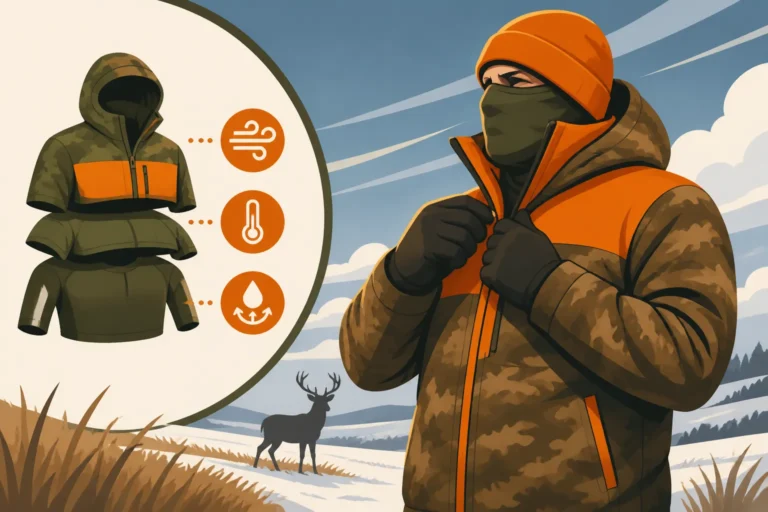
Travel to and from Saskatchewan and to the outfitter's camp is almost universally excluded. This includes flights, rental cars, or fuel for your personal vehicle. Another significant exclusion is gratuities for your guide and camp staff. This is customary and expected in the service industry and should be factored into your budget. Specialized gear, such as proper cold-weather clothing for Hunting Saskatchewan Winter Weather Safely, personal hunting equipment, and ammunition, are also your responsibility. Finally, taxidermy and professional meat processing, beyond basic field care, are additional costs. Some outfitters might have services on-site or recommend local processors, but you'll pay for these directly.
Varying Price Points: Factors Influencing Cost
The cost of a guided hunt isn't static; it fluctuates significantly based on several key factors. Understanding these variables can help you pinpoint the type of hunt that aligns with both your aspirations and your budget.
Species and Trophy Potential
The species you pursue is perhaps the biggest determinant of a hunt's cost. Hunts for prime, trophy-class animals, like a record-book whitetail or a massive bull moose, command a higher price. This is largely due to the difficulty and extensive preparation required to consistently put hunters on these specific animals. Why Saskatchewan Bucks Grow So Large is a testament to the habitat and genetics, but it takes serious effort to target the biggest ones. Saskatchewan is renowned for its trophy whitetails, and outfitters catering to this specific niche invest heavily in scouting, managing properties for mature deer, and limiting pressure to ensure big bucks are available.
Other species, while still challenging, might have a lower price point. Black bear hunts, for instance, are generally more accessible in terms of cost. This doesn't mean they're easy, but the methods (often baiting) can sometimes be more predictable than patterning a wary whitetail buck. Waterfowl hunts also have a different cost structure, often based on daily rates or shorter packages, reflecting the nature of the hunt. Moose and elk hunts, especially for bulls in draw-only zones, can be at the higher end due to the difficulty in obtaining tags and the logistics involved in hunting these large animals in often remote areas.
Duration of the Hunt and Services Offered
The length of your hunt directly impacts the cost. A typical big game hunt might run for five to seven hunting days, with arrival and departure days adding to the overall stay. Shorter trips, like three-day waterfowl hunts, will naturally be less expensive per package, though the daily rate might still be substantial. The duration reflects the amount of time the outfitter commits resources (guides, lodging, food) to your experience.
Beyond duration, the level of service plays a huge role. A one-on-one guided hunt, where you have a dedicated guide solely focused on your success, will be more expensive than a two-on-one (two hunters per guide) or even a three-on-one setup. The increased personal attention, flexibility, and focus on your specific needs justify the higher price. Some outfitters also offer different tiers of lodging, from basic bunkhouses to luxurious cabins with private baths and gourmet meals, each affecting the overall price. When considering options, platforms like BookYourHunt or GoHunt can sometimes allow you to filter by these service levels, giving you a clearer picture of what's available at various price points.
Time of Year and Popularity
The hunting calendar in Saskatchewan has peak periods, and these highly sought-after dates often come with premium pricing. For whitetails, the weeks leading up to and during the Hunting the Rut in Early to Mid November are in extremely high demand. This is when bucks are most active and visible, increasing the chances of encountering a trophy. Outfitters in zones known for big deer will often sell out these prime dates years in advance.
Similarly, specific waterfowl migration windows can create peak demand for bird hunts. Spring bear hunts are also popular, especially with hunters looking for colour-phase bears. Booking outside these peak windows, if seasons allow, might offer some cost savings, though it could also mean different hunting conditions or animal behaviour. Flexibility with your dates can sometimes unlock more affordable options, as outfitters might offer slightly reduced rates during less popular times to fill their calendars.
Comparing Saskatchewan Guided Hunt Costs
It's helpful to see how different types of guided hunts might stack up against each other in terms of overall investment. While exact figures are impossible to provide, we can look at the general range and the factors that drive those differences.
Whitetail Deer Hunts: The Signature Experience
Saskatchewan is world-renowned for its monster whitetails, and guided whitetail hunts are often among the most sought-after and therefore, typically, the most expensive. A premium guided whitetail hunt, especially during the rut, represents a significant investment. This cost reflects the outfitter's dedication to managing land for mature bucks, the extensive scouting, high-quality stands or blinds (often heated for late-season hunts), and the expertise of guides who consistently put hunters on big deer. Expect these hunts to be a multi-thousand dollar proposition, especially for those targeting top-tier trophies.
Factors influencing this cost include:
- Trophy Potential: Outfitters with a proven track record of harvesting Boone & Crockett or Pope & Young class deer will command higher prices.
- Location: Certain regions, particularly the forest fringe and prime agricultural areas, are known for producing larger bucks and thus have higher demand. You can learn more about this in Hunting the Forest Fringe for Big Bucks.
- Rut Dates: The specific weeks in November during the peak of the rut are always the most expensive due to demand.
- Guide Ratio: One-on-one guiding services significantly increase the price compared to two-on-one.
Black Bear Hunts: A More Accessible Adventure
Guided black bear hunts in Saskatchewan generally offer a more accessible price point compared to trophy whitetail excursions. These hunts typically involve hunting over bait, which requires a substantial amount of work from the outfitter – setting up and maintaining bait stations for weeks or even months prior to your arrival. While more affordable than whitetails, they still represent a considerable investment.
Key cost drivers for bear hunts include:
- Spring vs. Fall: Spring bear hunts tend to be very popular, especially for hunters looking for large, prime-furred bears, which can influence pricing. Timing a Saskatchewan Spring Bear Hunt is crucial.
- Colour Phase Potential: Outfitters in areas known for a higher percentage of colour-phase bears (cinnamon, chocolate, blonde) might have slightly higher demand.
- Inclusivity: Some outfits include the second bear tag in the base package, while others offer it as an add-on.
Waterfowl Hunts: Action-Packed, Often Shorter Stays
Saskatchewan is a waterfowl paradise, and guided duck and goose hunts are extremely popular. These hunts typically operate on a different pricing model, often as shorter packages (e.g., 3-day hunts) or even daily rates, and are generally more budget-friendly than big game hunts on a per-trip basis. However, the daily cost of a high-quality waterfowl hunt can still be substantial, reflecting the massive logistical effort involved in scouting, setting huge decoy spreads, and moving blinds daily to stay on the birds.
Considerations for waterfowl hunt costs:
- Decoy Spreads: The sheer volume of decoys, specialized blinds, and electronic callers requires significant investment by the outfitter.
- Scouting Intensity: Daily scouting to locate feeding birds and gain permission from landowners is a constant effort. Scouting Fields for Saskatchewan Waterfowl is a daily ritual for guides.
- Season Timing: Prime migration periods for snow geese or Canada geese can see higher demand and pricing.
- Species Targeted: Some outfitters specialize in specific birds, like snow geese, which may involve different equipment and field setups than mixed bag duck hunts.
Other Big Game: Moose, Elk, and Mule Deer
Hunts for other big game like moose, elk, and mule deer can vary widely in cost. Moose and elk hunts, particularly for trophy bulls, are often among the most expensive due to the difficulty in drawing tags (for residents) or securing outfitter allocations (for non-residents), the remote nature of some hunting areas, and the intense physical demands of the hunt. Mule deer hunts, especially for mature bucks in specific prairie zones, also command a premium due to their elusive nature and the specialized spot-and-stalk tactics often employed.
| Hunt Type | Typical Duration | Guide Ratio Options | Primary Cost Drivers | General Cost Tier (Relative) |
|---|---|---|---|---|
| Trophy Whitetail | 5-7 days | 1:1, 2:1 | Trophy potential, rut dates, quality of habitat/lodging | Highest |
| Black Bear (Baiting) | 5-6 days | 1:1, 2:1 | Baiting effort, colour phase potential, season (spring) | Mid-Range |
| Waterfowl (Ducks/Geese) | 2-4 days | 2:1, 3:1 (per blind) | Scouting, decoy spreads, daily logistics | Lower-Mid Range (per trip) |
| Trophy Moose/Elk | 7-10 days | 1:1 | Tag rarity, remoteness, physical demands, logistics | Very High |
| Trophy Mule Deer | 5-7 days | 1:1, 2:1 | Trophy potential, specific prairie zones, spot-and-stalk | High |
Note: This table provides a general comparison. Actual costs will vary significantly by outfitter, year, and specific package details.
Navigating Extra Costs and Hidden Fees
Even with a detailed package breakdown, hunters can sometimes be surprised by additional expenses that weren't immediately obvious. Being proactive and asking the right questions can prevent any unwelcome surprises.
Licensing and Permitting Fees
As mentioned, your hunting licenses and tags are almost always an additional cost on top of the base package. For non-residents, these fees are mandatory and can represent a significant sum, varying by species. Beyond the primary big game tag, you might also need a specific permit for a second bear, a migratory bird permit, or a Saskatchewan's Wildlife Habitat Certificate. It’s crucial to understand the full suite of required permits and their current costs.
Always confirm with your outfitter exactly which licenses you'll need, how much they cost, and whether they assist with the purchase process. While most outfitters are adept at guiding non-residents through Saskatchewan's HAL Account and Licensing, the financial responsibility for these fees falls on the hunter. Don't forget any required federal permits if you're crossing international borders with firearms, which come with their own declaration fees.
Travel, Accommodation, and Transportation Beyond Camp
While your hunt package covers transportation within the hunting area, getting to the outfitter's camp is typically your responsibility. This could involve significant travel costs, especially for international hunters. Flying into major hubs like Saskatoon or Regina, then renting a car or arranging a shuttle service to camp, adds to the overall expense. Some remote camps might even require chartered flights, which can be a substantial sum.
Factor in pre- and post-hunt accommodation if your flights or travel schedule necessitate overnight stays in a city before or after your hunt. Meals outside of the camp's provisions are also on you. Be sure to clarify the exact meeting point and any recommended travel arrangements with your outfitter well in advance to avoid unexpected logistics or costs. If you're driving, fuel for a long journey across the province will also need to be budgeted.
Gratuities, Meat Processing, and Taxidermy
Tipping your guide and camp staff is a standard practice in the hunting industry and a vital part of their income. It’s a way to acknowledge their hard work, dedication, and effort in making your hunt successful and enjoyable. The amount can vary, but generally, a percentage of the hunt cost is customary for the guide, with smaller amounts for other camp staff. Ask your outfitter for their recommendations on tipping etiquette and expected ranges. Don't let this be an afterthought; it should be part of your initial budget. You can gain more insight into this from Tipping a Saskatchewan Guide.
After a successful hunt, you'll need to consider how you want your meat processed and your trophy handled. Basic field dressing is usually included, but full butchering, vacuum-sealing, and freezing for transport are often extra. Many outfitters will have relationships with local butchers or provide referrals. Similarly, if you plan to have a taxidermy mount, the cost of caping, hide preparation, and shipping to a taxidermist (either locally or back home) will be your responsibility. These services can add a significant amount to your overall hunt expense, so explore these options and their costs before you depart for your hunt.
Strategies for Budgeting and Saving on Your Hunt
Planning a guided hunt is a big undertaking, and managing the financial aspect can feel daunting. However, with some smart strategies, you can make your dream hunt a reality without breaking the bank.
Booking in Advance and Off-Peak Seasons
One of the most effective ways to manage costs is to plan and book your hunt well in advance. Outfitters often offer early booking incentives, and securing your spot early gives you ample time to save. Additionally, popular hunts, particularly for trophy whitetails during the rut, often sell out a year or two in advance. Waiting until the last minute might leave you with fewer options or only the most expensive packages available.
Consider hunting during slightly less popular times if your schedule allows. While everyone wants to be in a whitetail stand in mid-November, shoulder seasons, like early October archery or late November/early December rifle, can sometimes offer more attractive pricing. These hunts still offer fantastic opportunities, though the experience might be different from the peak rut. For waterfowl, booking outside the absolute peak of a specific migration wave might also yield savings. Be flexible with your dates, and discuss options with outfitters.
Researching Outfitters and Comparing Packages
Thorough research is key to finding an outfitter that matches both your hunting goals and your budget. Don't just go with the first option you find. Explore multiple outfitters, compare their packages, and meticulously review what's included and excluded. Websites like BookYourHunt or GoHunt can be great starting points for browsing various outfitters and getting a sense of the market. Pay close attention to the guide-to-hunter ratio, the number of hunting days, and the quality of accommodations and meals offered within each package.
Don't be afraid to ask detailed questions about hidden fees, additional costs, and their cancellation policies. Read reviews, ask for references, and look for transparency in their pricing. Sometimes, a slightly higher upfront cost with one outfitter might actually be more economical in the long run if it includes services that another outfitter charges extra for. A clear understanding of "all-in" costs is crucial. You can use platforms to find Saskatchewan Outfitter Associations and What They Do for more credible options.
Group Hunts and Flexible Options
Hunting with a group can sometimes provide cost advantages. Many outfitters offer slightly reduced per-person rates for groups of two or more, especially for two-on-one guided services. If you have a hunting partner or a small group of friends, inquire about group discounts. This not only makes the trip more affordable but also allows you to share the experience with people you enjoy.
Another option to consider is a "semi-guided" hunt, if available. While less common for prime big game in Saskatchewan, some outfitters might offer variations where they provide lodging, meals, and access to pre-scouted areas, but you do more of the actual hunting, tracking, and recovery yourself. This can significantly reduce the guide fees, which are often a large component of the package price. Just be sure you're comfortable with the level of independence required for such a hunt.
Making Your Saskatchewan Guided Hunt a Reality
The dream of hunting Saskatchewan can absolutely become a reality, and understanding the financial commitment is the first big step. While guided hunts are an investment, they offer unparalleled opportunities to pursue world-class game in some of the most beautiful and productive hunting country.
Planning Your Financial Journey
Treat your guided hunt like any other significant financial goal: create a dedicated savings plan. Break down the estimated total cost, including the base package, licenses, travel, tips, and any post-hunt expenses, into monthly or quarterly savings targets. Platforms like BookYourHunt often show availability well into future seasons, giving you a timeline to save. This methodical approach takes the stress out of the investment and makes the dream feel tangible. Many hunters find that setting aside a portion of their income specifically for their hunting adventures makes these experiences possible.
Also, be realistic about what you want from the hunt. Are you seeking a once-in-a-lifetime trophy, or is the experience of a guided hunt itself the primary goal? Your answer will help you determine the appropriate budget and level of outfitter service. Don't feel pressured to book the most expensive hunt; there are quality outfitters catering to a range of budgets and expectations. The key is to find the right fit for you.
Asking the Right Questions Before You Book
Before you commit, arm yourself with a comprehensive list of questions for any prospective outfitter. This not only clarifies costs but also ensures the hunt meets your expectations.
Here's a checklist of questions to consider:
- What is the all-inclusive price for the hunt, including all known fees and taxes?
- What specific licenses and permits are required, what do they cost, and how do I obtain them?
- What is the exact duration of the hunt, including travel days?
- What is the guide-to-hunter ratio, and how does that affect the price?
- What type of accommodations and meals are provided?
- What transportation is included from arrival point to camp, and within the hunting area?
- What are the average harvest rates or success rates for this specific hunt and species? (Understand that success is never guaranteed, but it gives an idea of opportunity).
- What are the typical gratuity expectations for guides and camp staff?
- Can you recommend local meat processors and taxidermists, and what are their estimated costs?
- What is your cancellation and refund policy, particularly in unforeseen circumstances?
- What is the policy for retrieving wounded game?
- What equipment (e.g., heated blinds, specific vehicles) is provided?
- Are there any specific health or physical requirements for this hunt?
By having these answers upfront, you'll be well-prepared, financially and mentally, for your unforgettable Saskatchewan hunting adventure. Understanding Planning a Saskatchewan Hunting Trip in its entirety will ensure a smooth experience.
Disclaimer
This article is for general informational purposes only and does not constitute professional advice. Laws, prices and regulations vary by location and change over time. Consult a qualified professional for guidance on your specific situation.