How Many Days a Guided Hunt Runs
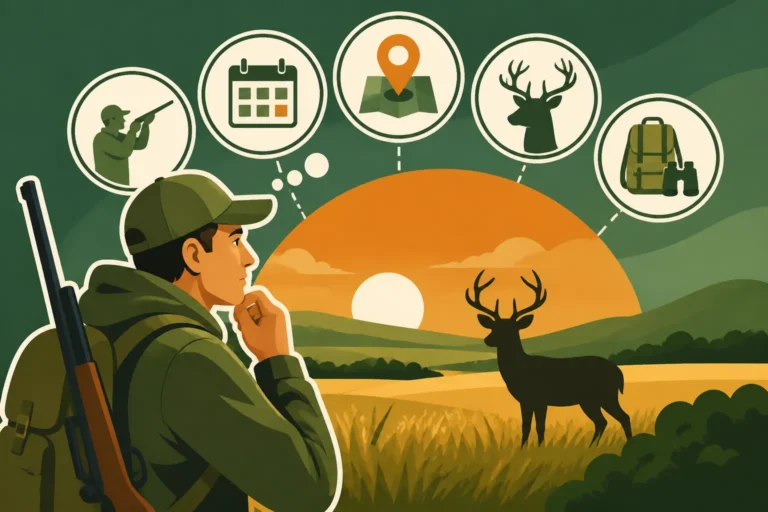
One of the biggest questions that swirls through a hunter's mind when planning a trip, especially to a place like Saskatchewan, isn't just what they'll hunt, but how long they'll actually be out there. It's a huge commitment, involving not just the cost, but precious vacation days, family time, and the mental preparation that goes into pursuing game. You're trying to balance the excitement of the chase with the practical realities of life, and figuring out the ideal length for a guided hunt can feel like a guessing game. This guide is here to shed light on typical durations for guided hunts in Saskatchewan, explore the many factors that can shift those timelines, and help you understand what to expect when you finally book that dream trip.
Understanding the Standard Guided Hunt Duration
When you start looking at guided hunting packages in Saskatchewan, you'll quickly notice that most outfitters advertise hunts in fairly standard blocks of days. These aren't arbitrary numbers; they're usually the result of years of experience, balancing game patterns, client success rates, travel logistics, and the sheer effort involved in running a quality operation. It’s a carefully calculated window designed to give you a genuine opportunity while being mindful of the significant investment you're making.
Typical Whitetail Deer Hunt Lengths
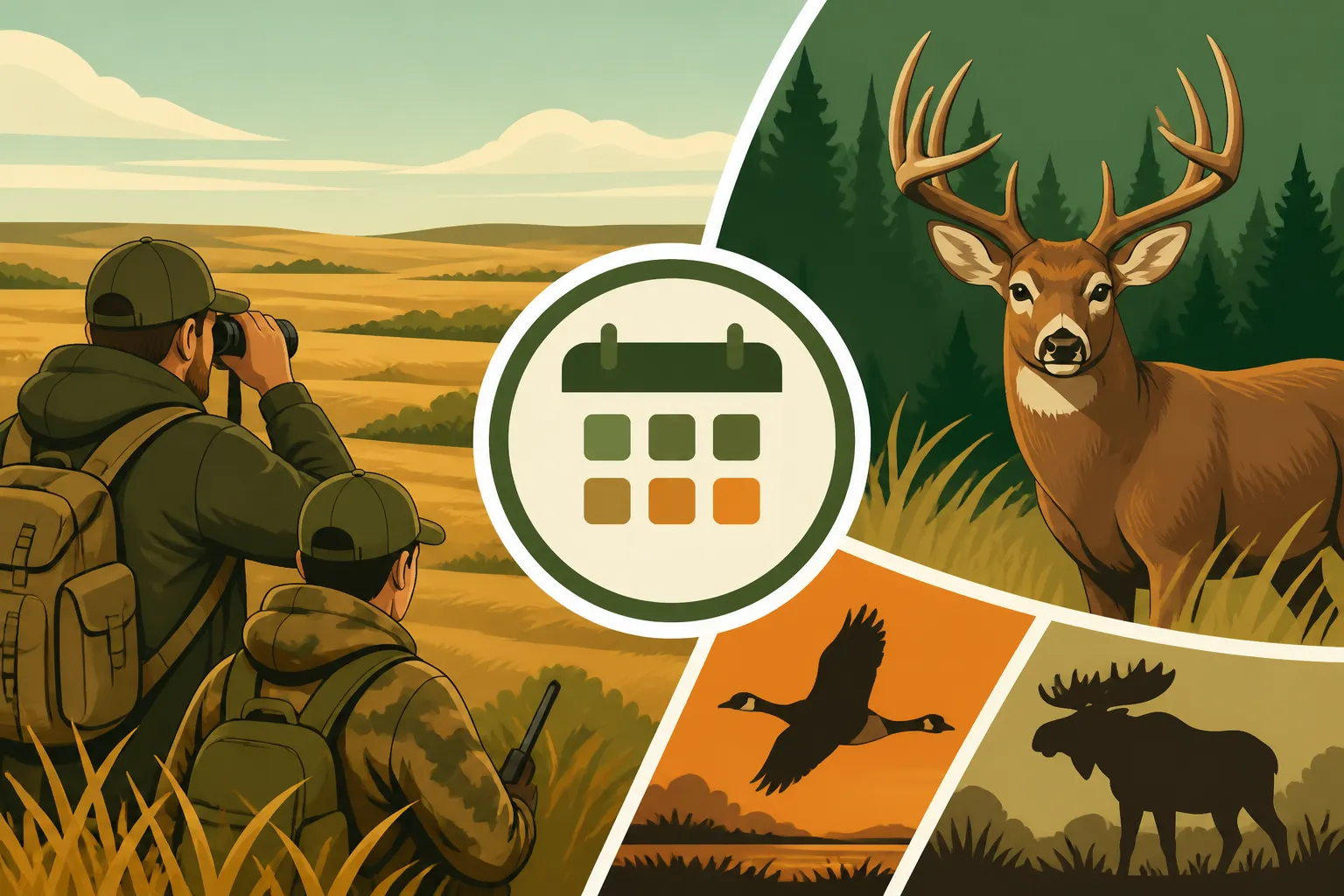
For many, Saskatchewan means a world-class whitetail hunt, and these tend to follow a pretty consistent pattern. You'll often see guided whitetail packages advertised as 5 or 6 hunting days, not including your arrival and departure days. This setup typically means you arrive on a Sunday, hunt Monday through Friday (or Saturday), and then depart on the final day. This five-to-six-day window has proven to be an excellent balance for whitetail.
Why this specific timeframe? Well, whitetails, especially mature bucks, can be incredibly elusive. It takes time for hunters to settle into a routine, for the outfitter to react to changing weather patterns or deer movement, and for you to get multiple opportunities. A five-day hunt allows for several morning and evening sits, perhaps some midday rattling or tracking if conditions allow, and ample time for unexpected challenges, like a weather system moving through. Hunting the Rut in Early to Mid November is a popular time, and those crucial rutting weeks often involve a lot of sitting, waiting, and reacting to buck movement, which naturally extends the time needed.
Standard Black Bear and Moose Hunt Durations
Black bear hunts in Saskatchewan, particularly the spring bait hunts, often run a little longer than whitetail hunts, typically spanning 6 or 7 hunting days. With bear hunting, especially over bait, patience is absolutely key. Bears can be somewhat nocturnal, or they might only visit a bait site every few days, depending on other food sources and their individual patterns. The longer duration allows for more evenings on stand, increasing the odds of encountering a mature bear in daylight.
Moose hunts, whether they're calling hunts in the boreal forest or spot-and-stalk on farmland, also tend to fall into the 6 to 7-day range. These are often more physically demanding hunts, sometimes requiring extensive tracking or calling efforts over large areas. The vastness of moose habitat in Saskatchewan, combined with the often unpredictable nature of these large animals, necessitates a longer period to ensure good success rates. Searching for Moose in Saskatchewan's Farmland and Forest or deep within the bush requires significant time on the ground.
Waterfowl and Upland Bird Hunt Timelines
Bird hunting, especially Saskatchewan's famous waterfowl opportunities, operates on a slightly different schedule. Most guided waterfowl hunts are shorter, often packaged as 3 to 5 hunting days. This is because the action can be fast and furious. With birds actively migrating and feeding, outfitters are scouting new fields daily, and once a pattern is found, a few solid days of hunting can yield incredible results. The logistics of setting up large decoy spreads and moving blinds also means that efficiency is paramount.
Upland bird hunts, like those for sharp-tailed grouse or Hungarian partridge, also tend to be shorter, often 2 to 4 days. These hunts involve a lot of walking and covering ground, often with dogs. While rewarding, the physical demands mean that shorter, more intense blocks of hunting are often preferred. Many hunters combine these with other species or enjoy them as a standalone, action-packed getaway.
Here's a quick look at typical durations:
| Species | Typical Guided Hunt Duration (Hunting Days) | Why This Length? |
|---|---|---|
| Whitetail Deer | 5-6 days | Balance of travel, deer patterns, multiple sits, and reacting to conditions. |
| Black Bear (Spring) | 6-7 days | Patience over bait, nocturnal patterns, finding mature bears. |
| Moose | 6-7 days | Extensive tracking/calling, vast habitat, physical demands. |
| Waterfowl (Ducks/Geese) | 3-5 days | Fast action, daily scouting, high volume opportunities. |
| Upland Birds | 2-4 days | Active walking, dog work, less "sitting" time required for success. |
Factors Influencing Actual Hunt Length
While standard packages give you a good starting point, the actual length of your hunt can be influenced by a whole host of real-world factors. Sometimes a hunt wraps up quicker than expected, and other times, you might wish you had an extra day or two. Understanding these variables can help set realistic expectations and make your booking experience smoother. This is where researching potential outfitters on platforms like BookYourHunt can give you a better idea of their approach to these variables.
Early Success and Opportunity
Let's be honest, the dream for every hunter is to fill their tag early. If you drop a magnificent whitetail on day one or connect with a trophy bear on your second evening, your "hunting days" technically might be over sooner than planned. While this is a fantastic problem to have, it's something to consider. What will you do with the remaining days? Some outfitters might offer additional activities like fishing, predator calling, or simply enjoying camp life. Others might have policies that allow you to continue hunting other available species (if you have the tags and it's legal), or they might encourage you to help out with camp tasks or guiding other hunters.
It’s crucial to clarify this with your outfitter upfront. Will they reduce the price if you tag out early? (Generally, no, as you've paid for the opportunity). Are there alternative activities? Is there an option for a second animal if available and licensed? Having these conversations beforehand will prevent any disappointment or awkwardness if you're lucky enough to punch your tag ahead of schedule.
Weather Conditions and Their Impact
Saskatchewan weather is notoriously unpredictable, especially during hunting season. A mild, sunny week can suddenly turn into a full-blown blizzard, or a warm front might make deer less active. These shifts can drastically affect animal movement and your hunting opportunities. Outfitters are masters at adapting, but there's only so much you can do against Mother Nature. A few days of heavy rain or deep snow can limit access to certain areas, make tracking difficult, or keep animals bedded down.
If severe weather persists for a day or two, it essentially "eats into" your effective hunting time. While the outfitter will do everything they can to make up for lost time or find new strategies, it highlights why those standard hunt lengths are designed with a buffer. That extra day or two in a 5 or 6-day package can be invaluable when a rogue storm blows through. Hunting Saskatchewan Winter Weather Safely becomes paramount in such conditions.
Hunter Skill, Fitness, and Expectations
Your own preparedness also plays a role. A hunter who is proficient with their weapon, physically fit for the type of terrain, and has realistic expectations tends to make the most of their hunting days. If you're struggling with long sits in a blind, or if you're not comfortable taking shots at certain distances, it can limit your opportunities and, in turn, feel like the hunt is taking longer or not yielding the desired results.
Conversely, a highly skilled and patient hunter might achieve success quickly. It’s not about rushing, but about maximizing every minute. Outfitters value honest communication about your abilities and limitations. They want to put you in the best position possible, but they also need to know what you can comfortably handle. If you're physically struggling, for example, a rigorous spot-and-stalk mule deer hunt might become a one or two-day effort before you need a break, even if the package is for five days.
Outfitter Approach and Style
Not all outfitters run their camps the same way. Some focus on extremely long days in the stand, from dark to dark, particularly for whitetails in the rut. Others might prioritize morning and evening hunts with a return to camp for a warm lunch and strategizing. The outfitter's style can dictate how many actual "hours" of hunting you get in a day, which indirectly impacts the overall length needed to secure an animal.
When you're researching potential outfits, perhaps on a resource like GoHunt, pay attention to descriptions of their daily routine and what previous clients say. If an outfitter talks about "all-day sits" and you know you can only handle half-days, that's a key piece of information. The outfitter's expertise in Rattling and Calling Farmland Whitetails or Baiting Black Bear in Saskatchewan can also influence the efficiency and therefore perceived length of the hunt.
Customizing Your Hunt: Shorter vs. Longer Options
While most guided hunts adhere to standard durations, there can be some flexibility. Understanding the pros and cons of opting for a shorter or longer trip can help you make an informed decision that best suits your goals, schedule, and budget.
The Appeal of Shorter Hunts
Sometimes, life just doesn't allow for a full week away. A shorter hunt, say 3-4 days for big game or 2-3 days for birds, can be incredibly appealing for several reasons:
- Budget-Friendly: Fewer days generally mean a lower overall package price, making a guided hunt more accessible. This is a common frustration for many hunters who see the cost of a full week and feel it's out of reach. A shorter trip can offer a taste of the experience without breaking the bank.
- Time Constraints: Not everyone has a full week or more of vacation time to spare. Shorter hunts fit better into busy work schedules or family commitments, allowing you to get into the field without a massive disruption to your routine.
- Targeted Experience: If you're specifically after high-volume bird shooting or a very intense, focused big game experience, a shorter, action-packed hunt can be perfect. It's less about the endurance and more about making the most of prime opportunities.
However, shorter hunts come with trade-offs. You have fewer days to deal with adverse weather, fewer opportunities if the game isn't moving, and less time for the outfitter to adapt and strategize. It can add pressure to perform quickly, and for big game, the success rates might be slightly lower than for a full-length hunt, though a reputable outfitter will still work hard to ensure you get opportunities. For Saskatchewan's Five-Day Game Bird Terms, for example, shorter trips are already built into the system for non-residents, making them a natural fit.
The Advantages of Longer Hunts
On the flip side, some hunters choose to extend their stay beyond the standard package, or certain species hunts inherently run longer. This often provides distinct advantages:
- Increased Opportunity and Success Rates: Simply put, more time in the field usually means more opportunities. This is particularly true for trophy animals, where patience and persistence are key. You have more chances to react to changing conditions, track a wounded animal, or simply wait for that perfect buck to step out.
- Flexibility and Resilience to Weather: A longer hunt has a built-in buffer against bad weather. If a blizzard shuts things down for a day or two, you still have ample time left to recover and hunt hard when conditions improve. This reduces the stress of feeling like every minute counts against a rapidly dwindling timeframe.
- Deeper Immersion and Experience: A longer trip allows you to truly settle into the rhythm of the hunt, connect with your guide and fellow hunters, and fully immerse yourself in the Saskatchewan wilderness. It's not just about pulling the trigger; it's about the entire experience, the stories shared around the campfire, and the camaraderie.
- Combination Hunts: A longer duration can open up possibilities for combination hunts, where you target more than one species. For instance, you might spend several days hunting whitetail and then shift to a couple of days of waterfowl hunting, maximizing your trip to Saskatchewan.
Of course, longer hunts mean a higher financial investment and more time away from home. It's a balance, but for many, the enhanced experience and increased odds make the extended trip well worth it. When considering Whitetail Hunting in Saskatchewan, a few extra days during the peak rut can make all the difference.
Planning Your Trip Around Hunt Duration
Once you have a good grasp of typical hunt lengths and the factors that influence them, it's time to start piecing together your own adventure. Thinking through the logistics, communicating clearly with your outfitter, and preparing yourself mentally will ensure you make the most of every day you're in Saskatchewan. This planning phase is almost as exciting as the hunt itself!
Coordinating Travel and Time Off
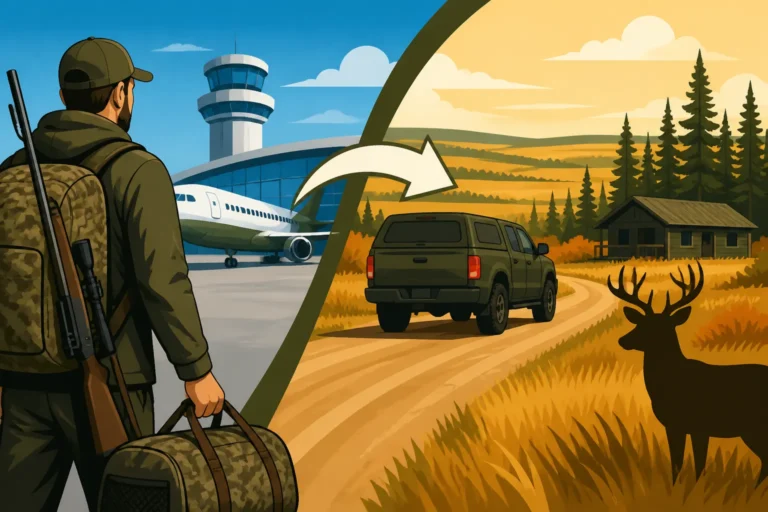
The advertised hunt length usually refers to hunting days, which means you need to factor in additional time for travel. For most guided trips, you'll arrive the day before your hunt starts and depart the day after it ends. So, a "5-day hunt" often translates into 7 days away from home. When you're asking How Many Days a Guided Hunt Runs, remember to add those bookend travel days. This is crucial for booking flights, arranging transportation to camp, and securing your time off from work or other commitments.
Consider what days of the week the hunt typically runs. Many outfitters have a Sunday arrival, Monday to Friday/Saturday hunting, and Sunday departure schedule. This is often designed to make travel easier for clients and allow the outfitter a turnover day between groups. Aligning your personal schedule with these typical start and end dates can simplify planning and reduce travel costs. Look at Flying Into Saskatoon or Regina for a Hunt and then coordinating ground transport to your camp.
Setting Realistic Expectations for Success
It's natural to dream of a trophy animal, especially when investing in a guided hunt. However, hunting is inherently unpredictable, and success is never guaranteed. A "successful hunt" isn't always measured by the size of the animal you take or even whether you fill your tag. It's about the experience, the challenge, the camaraderie, and the immersion in nature. Outfitters who guarantee success should raise a red flag; ethical outfitters guarantee their best effort, access to prime areas, and comfortable accommodations, not a specific outcome.
Understanding the success rates of the outfitter you choose is important, but remember these are averages. Weather, your shooting proficiency, and sheer luck all play a role. Having realistic expectations will allow you to enjoy every moment of your hunt, regardless of the final outcome. Whether it's a 3-day bird hunt or a 7-day bear hunt, the goal is a memorable experience. You should clarify What Success Rates Actually Mean with any outfitter you consider.
The Importance of Communication with Your Outfitter
Clear and open communication with your outfitter is arguably the most critical aspect of planning any guided hunt, especially regarding duration. Don't be afraid to ask questions about the daily schedule, what happens if you tag out early, or what contingencies are in place for bad weather. A good outfitter will appreciate your thoroughness and be happy to provide detailed answers.
Discuss your hunting goals and expectations upfront. Are you looking for a specific size of animal? Are you physically capable of long walks or all-day sits? Are there any medical considerations? Providing this information allows the outfitter to tailor the experience as much as possible and match you with the right guide and hunting opportunities. For instance, if you're particularly interested in Hunting the Forest Fringe for Big Bucks, tell your outfitter so they can plan accordingly.
Remember, the outfitter is your partner in this adventure. Their experience and knowledge of Saskatchewan's wildlife and terrain are invaluable. By communicating openly, you're not just ensuring a smoother trip; you're building a relationship that can lead to an even more rewarding experience in the field. This collaboration is key to Choosing the Right Saskatchewan Outfitter for your specific needs.
Disclaimer
This article is for general informational purposes only and does not constitute professional advice. Laws, prices and regulations vary by location and change over time. Consult a qualified professional for guidance on your specific situation.