What Is Never Included in a Package
Booking a hunting trip to Saskatchewan is incredibly exciting, but sometimes the sheer anticipation can make us overlook the nitty-gritty details. Many hunters, especially those new to guided experiences or to hunting in a new province, find themselves surprised by extra costs that weren't part of the initial package price. This guide will walk you through those often-overlooked expenses, helping you budget accurately and avoid any unwelcome surprises on your Saskatchewan hunting adventure.
The Basics: What Most Packages Explicitly Exclude
When you're comparing outfitter packages, it's easy to focus on the big numbers: the base price for the hunt itself. However, nearly every package, no matter how comprehensive it seems, will have a list of items that are not covered. Understanding these upfront is crucial for a smooth trip.
Government Licences, Tags, and Permits
This is perhaps the most common and significant expense that hunters often forget to factor in. Your outfitter can book the hunt for you, but they can't simply hand you the official permission slips from the government. The actual hunting licence, specific tags for species like deer, bear, or moose, and any additional federal migratory bird permits are almost always your responsibility to purchase, and their costs are separate from the outfitter's package.
Think of it like this: the outfitter provides the vehicle, the map, and the driver, but you still need to pay for your driver's license and the vehicle's registration. These fees go directly to the provincial and federal governments for wildlife management and conservation efforts. For example, a whitetail package might include the guided hunt, the lodging, and the meals, but the cost of your Saskatchewan Resident Deer Licence Cost will be an added expense you need to prepare for. Similarly, if you're chasing waterfowl, you'll need to secure your Federal Migratory Game Bird Permit in addition to your provincial bird licence. It's always wise to check the current rates on the provincial government's website well in advance of your trip.
Travel to and From the Lodge
While some high-end, all-inclusive packages might offer a pick-up service from a major airport like Saskatoon or Regina, this is far from the norm. For most Saskatchewan hunting packages, the responsibility of getting yourself to the outfitter's main lodge or designated meeting point falls squarely on your shoulders.
This means you need to budget for everything from your flight tickets, if you're coming from afar, to the cost of gasoline if you're driving your own vehicle. Don't forget potential costs for rental cars if you fly in and need transportation to a more remote camp. Even if an outfitter does offer a shuttle, it might be an extra fee, so clarify this well in advance. Consider the sheer distance involved in travelling across a vast province like Saskatchewan. A "short" drive could still be a couple of hours from the nearest highway town, and that adds up in fuel, especially for large trucks carrying gear. The journey itself is part of the adventure, but it’s important to account for it financially.
Personal Hunting Gear and Ammunition
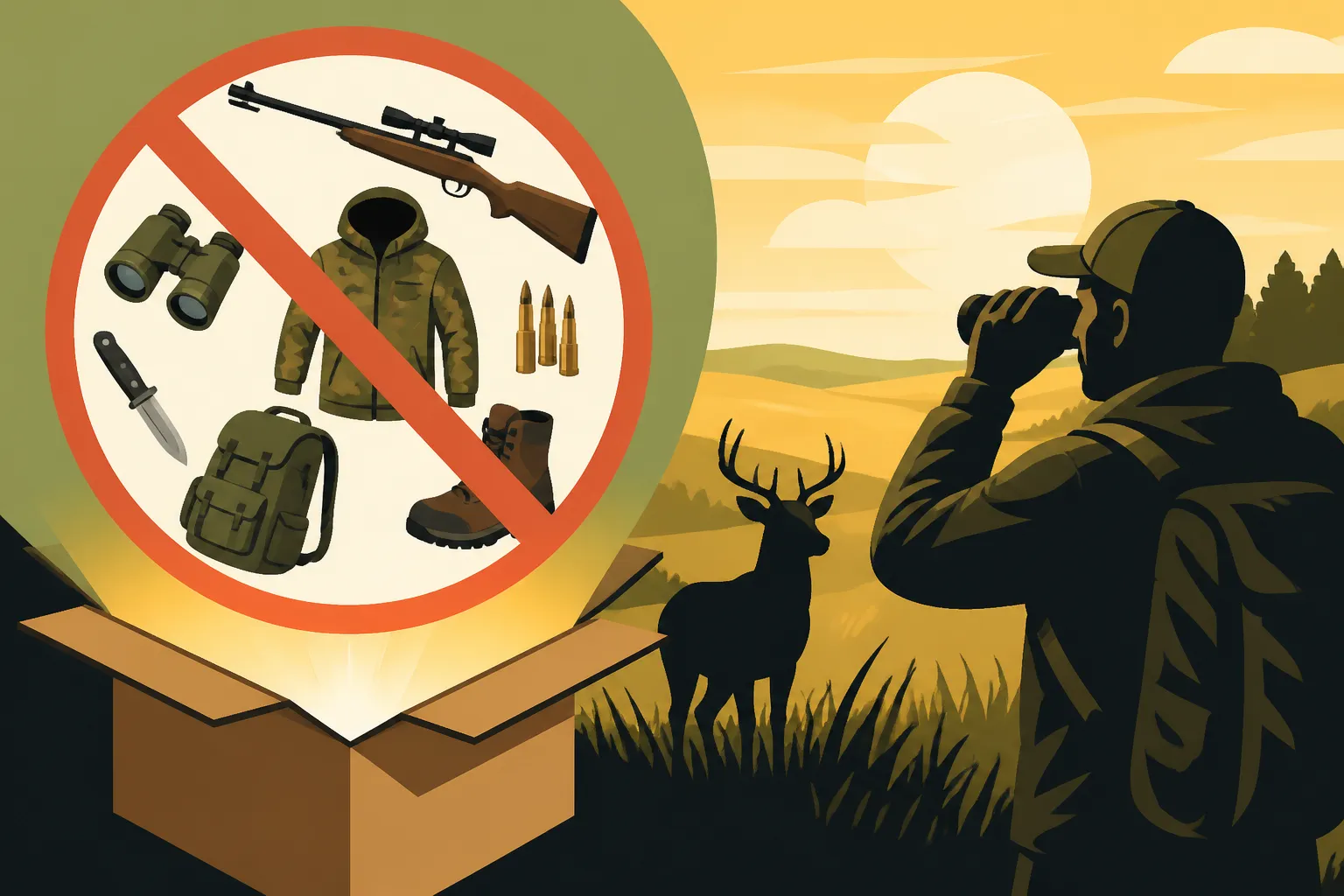
Your outfitter supplies the hunting experience, but your personal comfort and capability in the field are up to you. This means that all your personal hunting gear – from the clothes on your back to your preferred rifle or bow, and every single round of ammunition – is never included in a standard package.
You'll need to ensure you have appropriate clothing layers for Saskatchewan's often unpredictable weather, especially if you're hunting in late fall. We've talked extensively about Dressing for Saskatchewan's November Cold in other posts, and the importance of warm, waterproof boots for long days in a stand or blind, as covered in Boots for Sitting Still in Deep Cold. Your binoculars, rangefinder, hunting knife, and a reliable backpack are all items you'll need to bring. If you plan to use a specific firearm, you'll need to transport it legally and bring your own ammunition. While some outfitters might offer rifle rentals for an additional fee, it's not a given, and you'll still need to buy your own ammo. Always double-check with your outfitter if you have any questions about specific gear requirements or recommendations.
Post-Harvest Processing and Trophy Handling
The moment you successfully harvest an animal is exhilarating! But what happens after the shot? While outfitters are generally fantastic at assisting with the immediate post-harvest tasks, there are often costs associated with turning your game into table-ready meat or a mounted trophy.
Meat Processing and Butchering
Most Saskatchewan outfitters will provide invaluable assistance with field dressing your animal and getting it out of the bush and back to camp. They'll help with the heavy lifting, quartering, and often have a cooler or facility to hang the meat to properly cool it down. This crucial step ensures your hard-earned game is handled well and prevents spoilage, especially if the weather is mild. However, the cost of professional butchering, cutting, wrapping, and freezing your meat into portions suitable for your freezer is almost always a separate expense.
Outfitters typically have relationships with local butchers in nearby towns. You'll drop your animal off, discuss your preferences (steaks, roasts, grind, sausage), and pay the butcher directly. This can range significantly depending on the animal's size and the cuts you request. Don't underestimate this cost, especially for larger game like moose or elk. Planning for Getting Meat Processed in Saskatchewan is an important part of your overall hunt budget. Some hunters opt to do their own butchering, but for many, especially non-residents, utilizing a professional local service is far more practical.
Taxidermy Services and Trophy Shipping
For many hunters, a trophy mount is a cherished memory of a successful hunt. While your outfitter will skillfully cape your animal or remove the skull plate with antlers (often included in the service as part of field preparation), the actual taxidermy work and the associated shipping costs are entirely separate.
After your hunt, the outfitter will often prepare your cape and antlers for transport to a local taxidermist or to be shipped. The cost of a full shoulder mount, European mount, or rug will vary significantly based on the animal species, the size, and the taxidermist's rates. Beyond the taxidermy itself, shipping your trophy home, particularly across international borders, involves complex paperwork, specialized crating, and significant shipping fees. These logistics can be daunting, so it's essential to understand the process for Taking a Trophy Across the Border and to budget accordingly. Similarly, if you're shipping meat home, remember the costs outlined in Shipping Meat Home From Saskatchewan can add up. It’s always best to discuss these options and potential costs with your outfitter before your hunt even begins.
CWD Testing Fees
Chronic Wasting Disease (CWD) is a serious concern for wildlife managers in Saskatchewan, and monitoring its spread is a critical part of maintaining healthy deer populations. While many outfitters will help you collect the necessary lymph node samples, and sometimes even submit them, any official fees for CWD testing are generally not part of your hunting package.
Saskatchewan has specific zones where CWD testing is mandatory for certain species, like white-tailed deer and mule deer. Even outside these mandatory zones, hunters are encouraged to submit samples. Understanding CWD Testing on an Outfitted Saskatchewan Hunt is crucial for all hunters, especially since the provincial government specifies Mandatory CWD Testing Zones. While the cost might not be exorbitant, it's another line item on your post-harvest checklist that needs to be accounted for. The results often take some time to process, and knowing the status of your animal is important for peace of mind, especially if you plan to consume the meat.
Gratuities, Taxes, and Unexpected Expenses
Beyond the tangible costs of licences and processing, there are other financial considerations that contribute to the overall experience but are rarely, if ever, baked into the base package price. These include showing appreciation for hard work and covering unavoidable administrative fees.
Gratuities for Guides and Staff
Tipping is a customary and expected part of the outfitting industry, much like in the restaurant or hospitality sector. Your guides work tirelessly, often waking up before you and staying up long after, to put you on game, ensure your safety, and make your hunt enjoyable. The camp staff – cooks, cleaners, and assistants – also contribute significantly to your comfort and the smooth operation of the lodge.
These gratuities are never included in the upfront package price, and for good reason: they are a reflection of your satisfaction with the service received. It's a way to acknowledge the effort, expertise, and dedication of the individuals who made your trip possible. While there's no hard and fast rule, it's wise to budget a certain percentage of your hunt cost for tips. We've gone into detail about How Much to Tip a Saskatchewan Guide in another article, and it's important to remember to include all staff who contributed to your experience. Failing to budget for tips can lead to an awkward situation at the end of your trip, so plan for it as an essential part of your overall hunting expenses.
Applicable Taxes and Fees
When you're quoted a package price, it's often the "net" price for the services themselves. However, just like purchasing any other goods or services in Canada, your hunting package will likely be subject to applicable taxes. This typically includes the federal Goods and Services Tax (GST) and potentially a provincial sales tax (PST), depending on Saskatchewan's current regulations and what is included in the service.
These taxes can add a significant percentage to your total bill, so it’s vital to confirm whether the quoted price includes or excludes them. Don't be shy about asking your outfitter for a breakdown of all costs, including taxes. Understanding Sales Tax on a Guided Hunt Package is key to accurately budgeting your trip. It's always better to know these figures upfront than to be surprised by an additional chunk of money owed at the end of a fantastic hunt.
Incidentals and Personal Spending
Even the most meticulously planned budget can sometimes overlook the small, day-to-day expenses that accumulate during a trip. These incidentals are the little extras that make your trip more comfortable or address unforeseen circumstances.
This category can include anything from purchasing alcoholic beverages, sodas, or snacks at the lodge (if available, and often at premium prices), to picking up souvenirs for family back home. It might also cover unexpected personal items you forgot or need to replace, or even something as simple as laundry service if the lodge offers it for an extra fee. In a worst-case scenario, it could even be the cost of a tire repair if you get a flat on a gravel road, or some minor medical supplies. While an outfitter will handle most emergencies, personal comfort items and unforeseen small costs are usually on you. Always carry some extra cash or have a credit card accessible for these little things.
Planning for the "Not Included" to Avoid Surprises
The key to a stress-free hunting trip is preparation. By actively seeking out information and budgeting for those typically excluded items, you can ensure your focus remains on the hunt and the experience, rather than on unexpected costs.
Asking the Right Questions Before Booking
The best way to avoid surprises is to have a comprehensive conversation with your potential outfitter before you commit to booking. Don't assume anything; ask direct questions about what is explicitly included and, more importantly, what is not. This proactive approach will clarify all financial aspects and help you compare different outfitter offerings fairly.
When you're researching potential outfitters on platforms like BookYourHunt, don't hesitate to reach out directly with a comprehensive list of questions. Ask about licence costs, specific taxidermy services, the availability and cost of meat processing, and expected gratuity ranges. Inquire about travel arrangements to and from the camp. A reputable outfitter will be transparent and happy to provide all the details. Similarly, when you’re doing your due diligence and cross-referencing outfitter details you find on resources like GoHunt, make sure to follow up with direct communication to ensure clarity on all costs. Getting everything in writing, or at least confirmed via email, can also be helpful for your records.
Budgeting Beyond the Package Price
Once you have a clear understanding from your outfitter about what is and isn't included, the next step is to create a detailed budget that accounts for all potential expenses. This means not just the outfitter's package price, but also your travel, licences, processing fees, tips, and personal spending.
A simple spreadsheet can be your best friend here. List every single item you've identified as "not included" and assign an estimated cost. Research current licence fees, call local butchers for approximate processing costs, and budget generously for gratuities. It's always better to overestimate slightly than to run short of funds. Here's a quick example of how you might structure this:
| Category | Typically Included in Package | Typically NOT Included in Package | Estimated Cost |
|---|---|---|---|
| Hunting Fees | Guided services, field transport, basic camp accommodation | Licences, tags, permits, rifle rental, ammo | $XXX |
| Logistics | Initial field dressing, getting game to camp | Travel to/from province/lodge, meat processing | $XXX |
| Trophy/Meat | Cape/skull preparation | Taxidermy, trophy shipping, CWD fees | $XXX |
| Personal | Bedding, basic toiletries, camp meals | Personal gear, specialized clothing, alcohol | $XXX |
| Financial | Agreed-upon hunt cost | Gratuities, taxes, unforeseen incidentals | $XXX |
This structured approach helps visualize the total financial commitment and prevents you from being caught off guard.
Travel and Hunt Insurance
For many hunters, a guided trip to Saskatchewan represents a significant financial and personal investment. Protecting that investment with appropriate insurance can provide immense peace of mind. Travel insurance, especially for non-resident hunters, is highly recommended to cover unforeseen events.
Consider policies that cover trip cancellation, medical emergencies, lost luggage, and travel delays. A sudden illness, a family emergency, or even adverse weather conditions could force you to cancel or cut short your trip, and without insurance, you could lose a substantial deposit or even the entire cost of the hunt. There are even specialized Saskatchewan Hunt Cancellation Insurance policies designed specifically for hunters that can cover situations where you might not be able to fulfill your hunt. Moreover, general travel insurance, like that discussed in Travel Insurance for a Hunting Trip, can protect you against medical costs if you have an accident in the remote wilderness. While an added expense, insurance is a small price to pay for safeguarding your investment and ensuring you can embark on your Saskatchewan adventure with confidence.
Disclaimer
This article is for general informational purposes only and does not constitute professional advice. Laws, prices and regulations vary by location and change over time. Consult a qualified professional for guidance on your specific situation.