Questions to Ask Before Booking
Booking a guided hunting trip to Saskatchewan is often the culmination of years of dreaming and saving, but the excitement can quickly turn to anxiety when you're trying to choose an outfitter. It's a significant investment of both time and money, and the last thing you want is to arrive and find out key aspects of your hunt weren't what you expected. This comprehensive guide will walk you through the essential questions to ask any potential outfitter before you put down that deposit, ensuring you have a clear picture of what's ahead and can make an informed decision for an incredible Saskatchewan hunting experience.
Understanding the Basics: Your Hunt Expectations
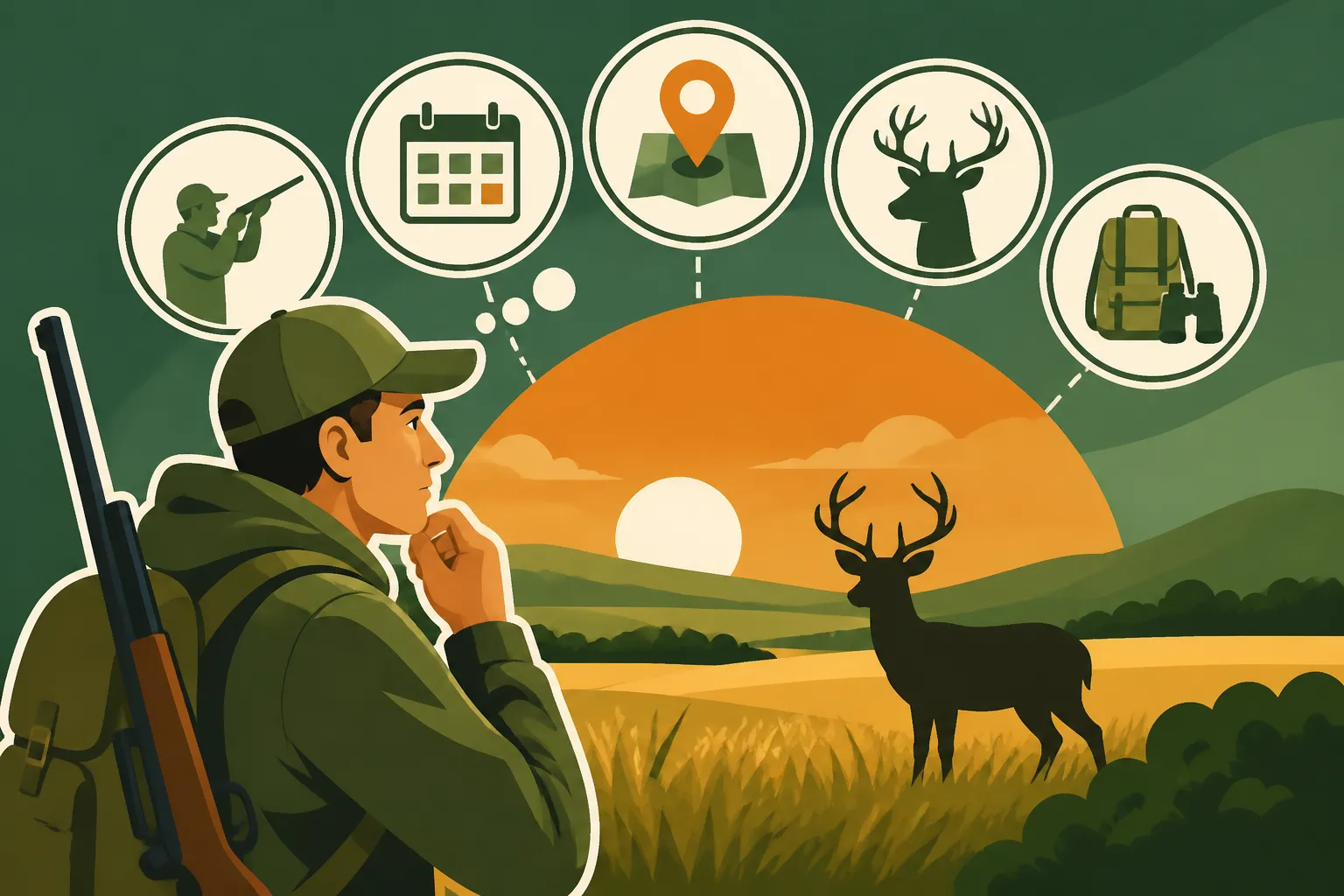
Before you even pick up the phone or send an email, take a moment to really think about what you want from this hunt. It's easy to get swept up in trophy photos and success stories, but your personal goals and limitations are just as important as the outfitter's offerings. Having a clear idea of your own ideal hunting scenario will help you ask the right questions and filter through options effectively.
Defining Your Ideal Hunt
What does a successful hunt truly look like for you? Is it solely about harvesting a record-book animal, or is the experience of being in the Saskatchewan wilderness, sharing camp stories, and connecting with nature equally important? Some hunters are laser-focused on a specific trophy, while others prioritize a relaxing, enjoyable trip regardless of the final outcome. Be honest with yourself about your priorities. If your primary goal is a specific caliber of whitetail, you'll need an outfitter with access to high-quality habitat and a proven track record for mature deer. If you're a first-timer, perhaps a less intense experience focused on learning and enjoying the outdoors might be more suitable.
Consider also the style of hunting you prefer. Are you looking for a sedentary hunt from a heated blind, or do you prefer to be actively still-hunting or spot-and-stalking? Saskatchewan offers a diverse range of terrains and hunting methods, and not every outfitter specializes in every style. For instance, some outfitters in the boreal fringe might focus heavily on stand hunting over bait or natural travel corridors, which is fantastic for hunting a Saskatchewan bush edge or Hunting a Poplar Bluff at First Light. Others, particularly in the prairie and parkland regions, might incorporate more mobile strategies. Your comfort and enjoyment will be greatly enhanced if the outfitter's approach aligns with your personal preferences and hunting style.
Don't forget the social aspect either. Are you looking for a one-on-one guided experience, or are you comfortable in a larger camp with multiple hunters and a lower guide-to-hunter ratio? Some camps are quiet and intimate, while others are bustling with camaraderie. Understanding your own preferences here will help you gauge if a particular outfitter's camp culture is the right fit for you.
Species and Season Specifics
While Saskatchewan is famous for its whitetail deer, especially those giant bucks that come out of the northern forest fringe, it also offers fantastic hunting opportunities for moose, elk, black bear, and various bird species. Be very clear about which species you are hoping to hunt. If you're after a specific animal, confirm that the outfitter has the appropriate licenses and allocations for that species and that their operations are focused on it. For example, some outfitters specialize almost exclusively in Black Bear Hunting in Saskatchewan, while others might offer combination hunts that include waterfowl or other big game.
The timing of your hunt is also crucial and will dictate the experience. Are you looking for a September archery hunt, hoping for an early season encounter? Or are you dreaming of a rut hunt in November, when the big bucks are on the move? The hunting tactics, weather conditions, and even the type of gear you'll need will vary dramatically depending on the season. If you're a non-resident, remember that Why Non-Residents Must Book an Outfitter for big game is a provincial requirement, and outfitters are granted specific allocations for certain species and zones. Always ask about the specific Wildlife Management Zones (WMZs) they operate in and what that means for season dates and opportunities for your target species. You might find that a particular outfitter excels in Hunting the Rut in Early to Mid November for whitetails, but their moose opportunities are limited to specific draw tags they might or might not have available.
Physical Demands and Personal Limits
Hunting in Saskatchewan, particularly in certain regions or during certain seasons, can be physically demanding. Don't underestimate the impact of cold weather, long days in a blind, or navigating challenging terrain. Be honest with your potential outfitter about your physical condition and any limitations you might have. Are there long walks to stands, or are most stands accessible by vehicle or ATV? Will you be climbing into elevated stands or hunting primarily from ground blinds? If you have mobility issues or are simply not as spry as you once were, you need to know if the outfitter can accommodate you. Accessible Blinds and Guides Who Offer Them are a consideration for many hunters.
For instance, if you're planning a late-season whitetail hunt, you might be Hunting Whitetails at Thirty Below. This isn't just uncomfortable; it can be dangerous if you're not prepared or if the outfitter isn't equipped to keep you safe and warm. Ask about the typical weather conditions for your chosen dates and what kind of physical exertion is usually involved. A good outfitter will appreciate your honesty and work with you to ensure a safe and enjoyable hunt. This conversation is far better had before you book, rather than facing unexpected challenges in the field.
Delving into the Details: What's Included (and Excluded)?
This is where the rubber meets the road. Many misunderstandings and frustrations arise from a lack of clarity on what exactly is covered by the hunt package price. Never assume anything. Get every detail in writing, and if something isn't explicitly mentioned, ask about it.
Package Inclusions: Beyond the Hunt
Beyond the actual hunting, what does the outfitter's package genuinely include? This is a broad category that covers everything from guide services to transportation once you're in camp. Does the price include one-on-one guiding, or is it a two-on-one or even a three-on-one ratio? The level of personalized attention can significantly impact your hunting experience. Also, clarify what kind of transportation is used to get to and from hunting areas each day. Is it comfortable trucks, ATVs, or are there long hikes involved? If ATVs are used, are there specific Quad and Side-by-Side Rules on Crown Land you need to be aware of, or is it strictly guided operation?
Some outfitters offer "all-inclusive" packages, but even that term can be open to interpretation. Ask specifically about things like airport pickup and drop-off, if that's something you need. If you're flying into Saskatoon or Regina, how do you get to camp? Does the outfitter provide hunting equipment like specific ground blinds or treestands, or do you need to bring your own? For those considering a black bear hunt, confirming if bait sites are already established and maintained is crucial, as this is a significant part of Baiting Black Bear in Saskatchewan. A thorough understanding of what's in the package will help you budget accurately and avoid unwelcome surprises.
Licensing, Tags, and Hidden Fees
This is perhaps the most critical area to clarify. What exactly is the total cost, and what additional expenses should you anticipate? Ask directly: "What does What a Saskatchewan Guided Whitetail Hunt Costs truly entail?"
Here's a breakdown of common costs to inquire about:
| Category | Question to Ask | Important Details to Confirm |
|---|---|---|
| Licences & Tags | Does the package price include my hunting licence and tag? | Typically, these are not included. Confirm costs for resident/non-resident licences, species tags, and the Saskatchewan's Wildlife Habitat Certificate. |
| Taxes | Are there any taxes added to the package price? | Confirm if GST/PST or any other taxes apply to the outfitter's fees. |
| Gratuities | What is the customary tipping expectation for guides and camp staff? | Tipping a Saskatchewan Guide is standard practice. Understand the recommended percentage or flat rate. |
| Meat Processing | Is meat processing and packaging included? | Often an extra cost. Ask about on-site processing or local butcher options. |
| Taxidermy/Shipping | Are trophy preparation and shipping services included? | Usually separate. Ask about caping, quartering, and shipping arrangements for antlers/hides. |
| Firearm Fees | Are there any fees for renting a rifle or firearm declaration? | If you're Declaring a Firearm at the Canadian Border or need to rent, confirm associated costs. |
| Travel | Does the price include airfare or travel to the lodge? | Almost universally not included. Clarify airport transfers if applicable. |
| Accommodation (Pre/Post) | Is lodging outside of the hunt dates included? | If you arrive early or stay late, you'll likely need to arrange and pay for separate accommodation. |
Make sure you understand the currency (Canadian vs. US dollar) and accepted payment methods. Some outfitters might use services like BookYourHunt or GoHunt for booking, but the financial specifics still need direct confirmation. Get a clear breakdown of all potential costs, so you can budget accurately for your entire trip.
Accommodation, Food, and Camp Amenities
The quality of your camp experience can significantly impact your overall enjoyment. Ask about the type of lodging. Is it a rustic tent camp, a comfortable lodge with private rooms, or something in between? What kind of bathroom facilities are available (outhouse, flush toilets, showers)? If you're heading to the far north for Moose Hunting Saskatchewan's Farmland and Forest, expectations for amenities might be different than a more established lodge in the parkland.
Food is another critical aspect. What kind of meals are provided? Are they home-cooked, hearty, and plentiful, or more basic? Confirm if dietary restrictions can be accommodated. What about drinks? Is bottled water readily available, and are non-alcoholic beverages included? If you enjoy an alcoholic drink after a long day, clarify if you need to bring your own.
Finally, consider camp amenities. Is there cell service or Wi-Fi available at camp? This is especially important if you need to stay in touch with family or for emergency purposes. Cell Service at a Saskatchewan Camp can be spotty, especially in more remote areas. Are there facilities for drying wet gear? What kind of heat is in the cabins or tents, particularly if you're hunting in cold weather? These seemingly small details can make a huge difference in your comfort and satisfaction.
Logistics and Practicalities: Getting There and Staying Safe
Hunting in a new, potentially remote location like Saskatchewan requires careful planning beyond just the hunt itself. Understanding the logistical details of travel, personal gear, and especially safety protocols is paramount for a smooth and worry-free experience.
Travel Arrangements and Gear Restrictions
Before you pack your bags, confirm all the travel logistics with your outfitter. Are you driving or flying? If flying, what's the nearest major airport, and what are the arrangements for getting from the airport to the camp? Getting From the Airport to a Saskatchewan Camp often involves a long drive, so knowing if transportation is provided, or if you need to rent a vehicle, is crucial.
When it comes to packing, inquire about any specific gear restrictions or recommendations. Airlines have strict rules regarding Bringing Firearms Into Saskatchewan and ammunition. If you're using your own rifle, ensure you understand the Canadian firearm declaration process and any forms you'll need to complete at the border. Ask the outfitter about legal rifle calibres for big game in Saskatchewan. They might also have specific recommendations for clothing appropriate for the expected weather, especially if you'll be Dressing for Saskatchewan's November Cold or needing special boots for long hours Sitting All Day in a Saskatchewan Blind. Some camps have limited space, so understanding luggage limits can be helpful.
It's always a good idea to know what not to bring. Are there any items prohibited in camp or in Canada? For example, some food items may not be allowed across the border. Having a clear packing list from your outfitter can prevent significant headaches at the airport or border crossing.
Emergency Protocols and Safety Measures
Safety should always be a top priority. Don't hesitate to ask your outfitter about their emergency action plan. What happens if someone in the hunting party gets injured or experiences a medical emergency in a remote area? What are their communication methods in areas without cell service? Emergency Plans in Saskatchewan's Bush are essential, and a reputable outfitter will have clear, well-rehearsed protocols. This might involve satellite phones, two-way radios, or pre-arranged contact points.
Inquire about the guides' certifications. Are they trained in first aid and CPR? Do they carry a first-aid kit in the field? What about wildlife safety, especially if you're in Saskatchewan bear country or areas with large predators? Knowing that your guides are competent and prepared for unforeseen circumstances will give you immense peace of mind.
Also, ask about the general safety rules of the hunt. Are there specific shooting lanes or safety zones around camp? What are the rules regarding blaze orange clothing, which is mandatory during certain seasons in Saskatchewan? Understanding and respecting these guidelines ensures a safe environment for everyone involved.
Weather Preparedness and Backup Plans
Saskatchewan weather can be famously unpredictable, especially during hunting season. A crisp fall day can turn into a blizzard overnight. Ask your outfitter about the typical weather conditions for your chosen hunting dates and how they adapt their hunting strategies to adverse weather. What happens if extreme cold, heavy snow, or even unusually warm temperatures impact hunting success?
A good outfitter will have backup plans. If preferred hunting spots become inaccessible due to weather, do they have alternative locations? If blinds become unusable, are there other options? Understanding their flexibility and preparedness for weather events will help manage your expectations. For example, if you're planning a Waterfowl Hunting Saskatchewan's Grain Fields trip, knowing how they handle high winds or heavy rain that might ground birds is crucial. It's also wise to consider Saskatchewan Hunt Cancellation Insurance or travel insurance, especially for a significant investment, to protect yourself against unforeseen circumstances that might lead to a trip cancellation or interruption.
Assessing the Outfitter: Reputation and Professionalism
Choosing an outfitter is a deeply personal decision, but it should also be an informed one. You're entrusting them with your safety, your time, and a significant amount of money. Doing your due diligence on their reputation and professionalism is non-negotiable.
Checking Credentials and References
The first step in vetting any outfitter is to confirm their legitimacy. Ask for their outfitter license number and verify it with the appropriate provincial authorities. In Saskatchewan, outfitters are licensed and adhere to specific regulations, including Saskatchewan Outfitter Licensing and Allocations. You can often check this information with the Saskatchewan Ministry of Environment or relevant outfitter associations. This simple step can help you avoid potential issues with Illegal Outfitting and How to Spot It.
Next, and perhaps most importantly, ask for references. A reputable outfitter will be happy to provide contact information for past clients, preferably from the most recent hunting season. Don't just take their word for it; actually call these references. When speaking with them, ask specific questions:
- Did the hunt meet their expectations?
- Was the camp and food as described?
- Were the guides knowledgeable and professional?
- How accurate were the outfitter's claims about Success Rates on Saskatchewan Whitetail Hunts?
- Were there any unexpected costs or issues?
- Would they hunt with this outfitter again?
Pay attention to what previous clients say about the outfitter's communication style and overall organization. Reading reviews on platforms like BookYourHunt or GoHunt can also provide valuable insights, but direct references offer a more personal and often more reliable perspective.
Understanding Success Rates and What They Mean
Every hunter wants to know about success rates, and outfitters often highlight impressive numbers. However, it's crucial to understand what those numbers actually mean. Ask the outfitter to define their "success rate." Does it mean every hunter had a shot opportunity? Does it mean every hunter harvested an animal, regardless of size? Or does it specifically refer to harvesting a trophy-class animal? There's a big difference between a 100% opportunity rate and a 100% harvest rate for a Boone & Crockett contender.
Inquire about the type of animals harvested. If they boast about big bucks, ask about the average age class or score of deer typically taken by their clients. This helps manage your expectations about the quality of game you might encounter. Also, ask about historical data. Have their success rates been consistent over several years, or were recent seasons unusually good or bad? Factors like weather, winter kill, or changes in local game populations can affect year-to-year success, which is why understanding broader trends is more useful than a single season's performance.
Remember, a high success rate doesn't guarantee your success. Hunting is inherently unpredictable, and many factors are out of the outfitter's control. What's most important is that the outfitter provides a high-quality, ethical hunting experience with reasonable opportunities, regardless of the final outcome.
Communication and Contract Clarity
Clear, consistent communication from the outset is a hallmark of a professional outfitter. How quickly do they respond to your inquiries? Are their answers thorough and transparent? Vague responses or delays can be red flags.
Once you're satisfied with the initial conversations, request a detailed written contract. Always read the contract thoroughly before signing. This document should clearly outline:
- The exact dates of your hunt.
- The species you are licensed to hunt.
- The total cost, including what's included and what's extra.
- Payment schedule, deposit requirements, and When Deposits Are Due and Whether They Refund policies.
- Cancellation policy and any provisions for unforeseen circumstances (e.g., severe weather, illness).
- Any liability waivers you'll be required to sign.
If anything in the contract is unclear, ask for clarification before you sign. Don't assume anything is implied. A reputable outfitter will want you to feel confident and informed about every aspect of your booking. This clarity upfront is vital to avoiding any disputes or disappointments down the line.
Post-Hunt Considerations: What Happens After the Shot?
The excitement doesn't end when you pull the trigger. There's still a significant amount of work to be done, from field dressing to getting your trophy home. Understanding these post-hunt logistics beforehand will prevent stress and ensure your hard-earned harvest is handled properly.
Meat Care and Processing Logistics
Harvesting an animal is just the beginning of the journey for the meat. Ask your outfitter about their procedures for field dressing and meat care immediately after the kill. How is the meat transported back to camp? Do they have proper facilities for hanging and cooling the carcass, especially critical in warmer early seasons or when dealing with larger animals like moose? Meat Care in Saskatchewan's Cold Snaps is an important consideration, as is understanding Quartering a Moose Alone in the Bush if you're on a remote trip.
Inquire about meat processing. Is there a local butcher available, and what are the typical costs for processing? Getting Meat Processed in Saskatchewan is a common service, but it's rarely included in the hunt package. If you plan to take the meat home with you, ask about packaging and freezing options. Some outfitters might have walk-in freezers, while others rely on local services. If you're travelling a long distance, especially across international borders, you need to understand the regulations for Transporting Game Meat in Saskatchewan and across borders. Having a plan for this part of the hunt is crucial to ensure none of your hard-earned meat goes to waste.
Trophy Handling and Shipping
For many hunters, the antlers, hide, or skull are as important as the meat. Discuss with your outfitter how they handle trophies. Are guides skilled in proper caping for taxidermy? What kind of preparation is done at camp (e.g., caping, rough salting, freezing)? If you're after a specific size of buck, you might be interested in knowing about Why Saskatchewan Bucks Grow So Large and how best to preserve that trophy.
Ask about options for taxidermy services. Do they have a preferred local taxidermist, or do they work with clients' chosen taxidermists? What are the typical costs and turnaround times for mount preparation? If you plan to take your trophy home yourself, especially if it's an international trip, you need to understand the rules for Taking a Trophy Across the Border. This often involves permits, inspections, and specific packaging requirements. Some hunters opt to have their trophies shipped directly from the taxidermist or outfitter, which incurs additional costs. Clarifying these details will ensure your trophy makes it home safely and legally.
Follow-Up and Post-Hunt Support
Finally, a good outfitter's relationship with you shouldn't end the moment you drive away from camp. Ask about their post-hunt communication. Will they send you photos of your harvest? If you harvested an animal that requires Chronic Wasting Disease (CWD) testing, such as a whitetail in a mandatory testing zone, how will the outfitter assist with that process? Saskatchewan's CWD Testing Rules are important, and knowing where to drop a head for testing or if the outfitter handles the submission is helpful.
If you have any questions or concerns after returning home, how should you contact them? Do they welcome feedback? A truly professional outfitter values client satisfaction and is available to assist with any follow-up needs, whether it's tracking a shipped trophy, clarifying a CWD test result, or simply answering questions about your next potential hunt. This level of ongoing support is a strong indicator of an outfitter's commitment to their clients and their reputation.
Disclaimer
This article is for general informational purposes only and does not constitute professional advice. Laws, prices and regulations vary by location and change over time. Consult a qualified professional for guidance on your specific situation.