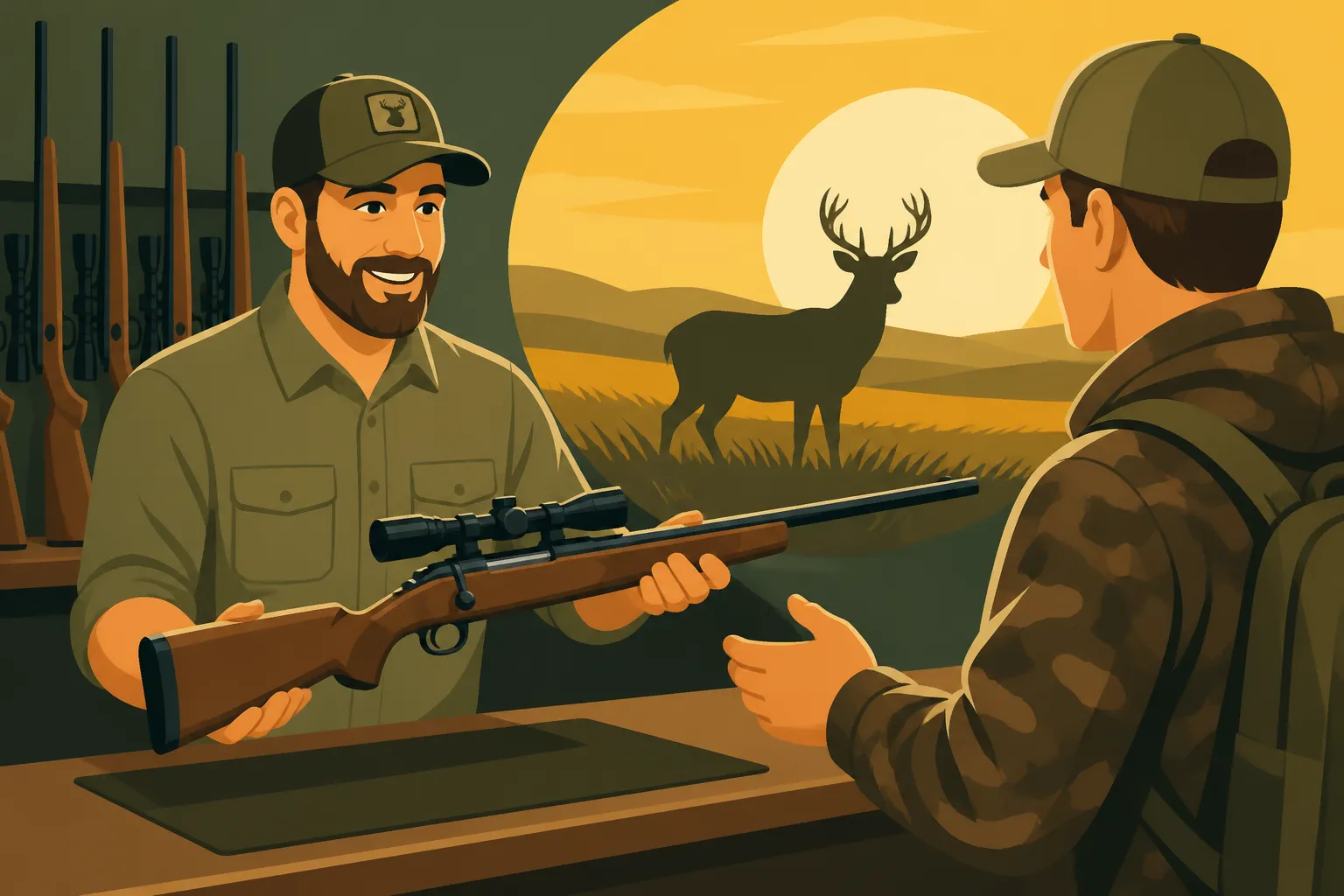
Renting a Rifle From a Saskatchewan Outfitter
One of the biggest headaches for hunters traveling to Saskatchewan, especially from outside Canada, is figuring out the logistics of bringing their own firearms. The paperwork, the regulations, the sheer stress of flying with a valuable rifle – it can be enough to make you question the whole trip. This guide will walk you through the ins and outs of renting a rifle directly from your Saskatchewan outfitter, offering a practical solution that often saves a lot of hassle and lets you focus on the hunt itself.
The Realities of Bringing Your Own Rifle to Saskatchewan
Before we dive into renting, let's just acknowledge the elephant in the room: traveling with a hunting rifle, particularly across an international border, is a multi-step process that can feel incredibly daunting. Many hunters feel a deep connection to their personal firearms, trusting their accuracy and familiarity, but that sentiment often collides with practical travel concerns.
Border Crossing Hurdles and Paperwork Stress
For many, the biggest obstacle is the border. Bringing a non-restricted firearm into Canada requires completing a Non-Resident Firearm Declaration Form (CAFC 909) in triplicate. You declare it to the Canada Border Services Agency (CBSA) officer at your port of entry, pay a fee, and have it confirmed. Sounds simple enough, right? But the anxiety often comes from needing to get it just right. One small error, a forgotten signature, or a misunderstanding of the rules can lead to delays, confiscation, or even being turned away. Imagine flying all the way to Saskatchewan, ready for the hunt of a lifetime, only to hit a snag at the border because of paperwork. It’s a real, valid concern that keeps many hunters up at night before their trip. You’ll want to be intimately familiar with Declaring a Firearm at the Canadian Border before you even consider packing your own.
Beyond the declaration, there are specific rules about how your firearm must be transported: unloaded, in a locked, opaque case, separate from ammunition. Even within Canada, provincial regulations can sometimes add layers of complexity, though Saskatchewan's rules are generally straightforward once you're in. For international travelers, navigating these nuances while also dealing with airline regulations and customs forms can quickly become overwhelming. Many hunters find themselves double-checking every single detail, sometimes multiple times, just to avoid an unwelcome surprise.
Travel Logistics with Firearms
Beyond the border, there's the actual act of traveling with a firearm. Airlines have strict rules on how firearms and ammunition must be packed and declared. This often means sturdy, TSA-approved hard cases that can withstand baggage handling. These cases add weight and bulk, contributing to potential overweight baggage fees. When you're already flying with all your hunting gear, specialized clothing for Saskatchewan's variable weather, and personal items, adding a heavy, oversized rifle case can push you over the limit quickly.
Consider the connections, too. If your journey involves multiple flights, you're checking and re-checking your rifle case, hoping it makes every transfer without issue. Lost luggage is a nightmare for any traveler, but imagine your rifle going missing a day or two before your hunt begins. The stress of that possibility alone is enough to make some hunters explore alternatives. Then there's the ground transportation from the airport to your camp, often in remote areas. While outfitters are usually equipped to handle client luggage, an extra-large, heavy gun case is another item to load and unload from vehicles, potentially taking up valuable space. Even if you're Driving Into Saskatchewan With Firearms, the security considerations for your vehicle remain paramount, especially during overnight stops.
Why Renting from an Outfitter Makes Sense
Given the potential for stress and logistical hurdles, renting a rifle from your outfitter emerges as a remarkably appealing option for many hunters, especially those traveling from afar or those new to international hunting. It simplifies the entire travel experience and allows you to focus on the excitement of the hunt rather than the anxiety of travel.
Convenience and Peace of Mind
This is arguably the biggest benefit. When you rent a rifle from your outfitter, you eliminate almost all the paperwork and transport headaches associated with bringing your own. You don't need to fill out the Canadian Non-Resident Firearm Declaration, you don't worry about airline regulations for firearms, and you don't fret about your rifle getting lost or damaged in transit. This means less stress before you leave home, a smoother experience at the border, and a lighter load when packing.
Imagine arriving at the Saskatoon or Regina airport, grabbing your regular luggage, and seeing your outfitter waiting for you with your rifle already at camp, zeroed and ready to go. That's the kind of convenience that can transform a good trip into a great one. It truly allows you to clear your mind of logistics and start thinking about the deer, moose, or bear you're after. Many outfitters understand this pain point intimately and offer rentals specifically to enhance their clients' experience. When you're researching potential outfitters on platforms like BookYourHunt, you'll often find rifle rental explicitly listed as one of their available services. It's a key offering designed to streamline your hunting adventure.
Access to Calibers Suited for Saskatchewan Game
Sometimes, hunters might own a rifle that's perfectly adequate for their local game but perhaps not ideally suited for the larger-bodied animals in Saskatchewan, like mature whitetails, mule deer, or especially moose and bear. Saskatchewan is known for its impressive game, and having enough bullet energy at longer ranges or for heavy bone is crucial for an ethical, clean kill.
Outfitters typically maintain a fleet of rifles in popular and highly effective calibers for the local species. Think .30-06 Springfield, .300 Winchester Magnum, 7mm Remington Magnum, or even .338 Winchester Magnum for larger game. These are often reliable, well-maintained bolt-action rifles with quality optics already mounted and zeroed. Renting gives you access to a proven setup that an experienced guide trusts to get the job done. If you're on a Moose Hunting Saskatchewan's Farmland and Forest trip, you'll want a rifle with enough knockdown power, and your outfitter will ensure you have one. You might even discover a new favourite caliber!
Pre-Zeroed Rifles and Range Time
One of the most valuable aspects of renting from an outfitter is that the rifle will almost certainly be pre-zeroed. This means less worry for you. Your outfitter or guide will typically have taken the rifle to the range before your arrival to ensure it's shooting accurately at a common hunting distance, like 100 or 200 yards. They might even have a specific load in mind that works best with that particular rifle.
Upon your arrival, most reputable outfitters will still take you to a local range or a safe, designated shooting area for a quick check. This isn't just to verify the zero, but more importantly, to allow you to get comfortable with the rifle. You'll get to feel its balance, understand its trigger pull, and practice your shooting form with the actual rifle you'll be using. This brief session, often called a "confirm zero," is critical. It builds confidence and lets you make any minor scope adjustments for your personal hold, ensuring you're ready when that trophy animal steps out. This pre-hunt range time is non-negotiable for a responsible outfitter and an invaluable part of the rental process. It's a chance to bond with your temporary firearm before Hunting Saskatchewan's Aspen Parkland.
What to Expect When Renting a Rifle
So, you're leaning towards renting – that's great! Now let's talk about the practicalities of what a rifle rental typically entails and what you should expect from your outfitter. It's not just handing over cash; it's a service that comes with specific considerations.
Costs and What's Included
Rifle rental fees vary widely depending on the outfitter, the quality of the rifle and optics, and the duration of your hunt. While I can't give you specific figures, expect it to be an additional line item on your overall hunt package cost. It’s usually a flat fee for the duration of your hunt, not a daily rate. This fee typically covers the use of the rifle, and often, a certain amount of ammunition.
What's typically included:
- The Rifle: A reliable hunting rifle, usually a bolt-action, in a suitable caliber.
- Optics: A quality scope that is properly mounted and zeroed.
- Ammunition: A box or two of suitable hunting ammunition. This is often enough for sighting in and the actual hunt, with a few extra rounds for practice.
- Case: A soft or hard case for transporting the rifle to and from the field.
What might not be included:
- Excessive Ammunition: If you burn through all the provided rounds on target practice, you might need to purchase more from the outfitter or a local retailer (if available and accessible).
- Damage Waiver: Some outfitters might offer or require a damage waiver for the rifle, similar to a rental car.
- Cleaning Supplies: While the outfitter will maintain the rifle, you might want to bring your own small cleaning kit for quick field wipes if you're particular.
Always confirm with your outfitter exactly what their rifle rental fee includes before you book. It's an important detail to nail down when you're discussing What a Saskatchewan Guided Whitetail Hunt Costs or Saskatchewan Black Bear Hunt Prices.
Ammunition Considerations
When you rent a rifle, the outfitter will provide ammunition that they know shoots well in that particular firearm. This is a huge benefit, as finding the right load for a rifle can be a hunt in itself. However, it's also a point of discussion. You might have a personal preference for a certain bullet type, but with a rental, you'll generally be using what the outfitter provides. Trust their experience; they've likely tested various rounds to find what's effective and accurate for the game in their area.
It's always a good idea to confirm the specific caliber and bullet weight they provide. This helps you understand the ballistics and terminal performance you can expect. If you anticipate needing more ammunition than what's supplied (e.g., if you plan extensive practice or anticipate a long-range scenario requiring multiple shots), discuss this beforehand. Most outfitters can arrange for extra ammunition, but it's not always readily available in remote areas, and special orders might incur additional costs. Knowing the Legal Rifle Calibres for Big Game in Saskatchewan can give you a baseline understanding of what to expect.
The Outfitter's Responsibility and Your Own
When you rent a rifle, the outfitter is responsible for providing a safe, functional, and accurately sighted-in firearm. They should ensure it's in good working order, properly cleaned, and ready for the field. They will also provide instruction on its basic operation if you're unfamiliar with that specific model, and guide you through the initial sighting-in process.
Your responsibility, however, is paramount. You are responsible for:
- Safe Handling: Treat the rented rifle with the same respect and adherence to safety rules as you would your own. Always assume it's loaded, keep the muzzle in a safe direction, and keep your finger off the trigger until you're ready to shoot.
- Care and Respect: Use the rifle as intended for hunting. Avoid dropping it, subjecting it to unnecessary rough treatment, or attempting to disassemble it beyond basic field stripping (unless instructed otherwise).
- Reporting Issues: If you notice any malfunction, damage, or concern with the rifle, report it to your guide immediately. Do not attempt to fix it yourself.
- Financial Liability: Understand the outfitter's policy on damage or loss. You might be liable for repair or replacement costs if the rifle is damaged due to negligence or mishandling on your part. Clarify this before you hunt.
A good outfitter will review these points with you before you even touch the rifle. This mutual understanding ensures a safe and successful hunt for everyone.
Deciding If Rental Is Right for Your Hunt
The decision to rent a rifle isn't a one-size-fits-all answer. It depends on your personal comfort level, your budget, and the specifics of your hunting trip. Weighing the pros and cons carefully will help you make the best choice for your Saskatchewan adventure.
Factors to Weigh Before You Book
Several factors should influence your decision:
- Travel Origin: If you're coming from another country, especially the United States, the border crossing paperwork and airline regulations are a significant consideration. The farther you travel, the more appealing renting might become. For someone driving from a neighbouring province, bringing your own might be a simpler choice.
- Familiarity with Firearms: If you're a seasoned hunter with extensive experience handling various rifle platforms and feel confident adapting to a new firearm quickly, renting might be less of a hurdle. If you're a newer hunter, or highly particular about your personal rifle, the comfort of your own gear might outweigh the travel hassle. However, the outfitter's guidance with a rental can also be a learning experience.
- Budget: While renting avoids some travel fees, it adds a direct cost to your hunt package. Compare the combined cost of the rental fee plus potentially extra ammo against the cost of gun cases, potential overweight baggage fees, and the time and stress associated with paperwork.
- Hunt Type: For a dedicated trophy hunt where every ounce of familiarity counts, some hunters might insist on their own rifle. For a general meat hunt or an experience where the overall adventure is the focus, renting could be ideal. On a Whitetail Hunting in Saskatchewan trip, a good .30-06 rental will do the job perfectly.
- Outfitter Offerings: Not all outfitters offer rifle rentals, or they might have a limited selection. Confirm this early in your booking process. Platforms like GoHunt or BookYourHunt often detail outfitter services, including rifle rentals, allowing you to filter or inquire before committing.
Consider these points carefully and be honest with yourself about what will make your trip most enjoyable and stress-free.
Asking the Right Questions to Your Outfitter
Once you've narrowed down your choice of outfitter, it's crucial to have a clear conversation about their rifle rental policies before you finalize your booking. Don't be shy; a good outfitter will appreciate your thoroughness.
Here's a table of essential questions to ask:
| Question | Why It Matters |
|---|---|
| What is the rental fee? | Clarifies the exact cost and helps budget your trip. |
| What calibers are available? | Ensures they have a suitable rifle for the game you're hunting. |
| What specific rifle models/brands are used? | Gives you an idea of the quality and features you can expect. |
| What optics are mounted on the rifles? | Confirms scope quality and magnification range. |
| Is ammunition included, and how much? | Prevents surprises about ammo costs or availability. |
| Will the rifle be pre-zeroed? | Confirms preparedness and reduces your sighting-in time. |
| Will I have time to shoot it before the hunt? | Essential for personal comfort and verifying zero. |
| What is your policy on damage or loss? | Clarifies your financial liability in case of an accident. |
| Can I use my own preferred ammo (if I bring it)? | Most likely no, but worth asking if you have a specific, preferred bullet type. |
| What happens if there's a malfunction? | Understand their backup plan or repair process. |
Asking these questions upfront ensures there are no surprises and that both you and your outfitter are on the same page. It helps build trust and sets the stage for a successful hunt, whether you're chasing White-Tailed Deer, Saskatchewan's Signature Animal or a big black bear.
Disclaimer
This article is for general informational purposes only and does not constitute professional advice. Laws, prices and regulations vary by location and change over time. Consult a qualified professional for guidance on your specific situation.