Finding a Butcher Near Your Camp
You've just wrapped up a successful hunt in Saskatchewan. The thrill of the chase, the perfect shot, and the sheer accomplishment are buzzing through you. But as the adrenaline starts to fade, a new, very practical question often arises: what's the plan for processing all that hard-earned meat? Finding a reliable butcher, especially if you're far from home or just unfamiliar with the local area, can feel like another hunt altogether. This guide is here to help you navigate finding a trusted game butcher near your hunting camp, ensuring your harvest is handled with the care it deserves.
The Urgency of Post-Harvest Meat Care in Saskatchewan
Bringing down an animal is just the first step in putting quality meat on your table. The window between harvest and proper chilling, especially in Saskatchewan's often unpredictable weather, is critically important. Ignoring this can quickly turn a prized animal into a wasted opportunity.
Why a Quick Turnaround Matters
Saskatchewan's hunting seasons span a wide range of temperatures, from warm September days during the archery opener to bitterly cold late November and December. While the cold can be a natural refrigerator, it's not always reliable. In early season hunts, meat can spoil rapidly if not cooled quickly and efficiently. Bacteria begin to multiply almost immediately after an animal expires, and warm temperatures accelerate this process, leading to souring, off-flavors, and ultimately, wasted meat. Even in colder weather, proper ventilation and cooling are crucial to prevent a phenomenon known as "bone sour," where the interior of thick muscle groups doesn't cool fast enough. Ensuring a quick turnaround to a cooler or a butcher is paramount for preserving the quality and safety of your wild game. Understanding Meat Care in Saskatchewan's Cold Snaps can give you an edge in variable conditions.
Field Dressing vs. Full Processing
Before you even think about a butcher, you need to consider what level of processing you're comfortable or capable of doing yourself. Field dressing – essentially removing the internal organs – is always the first, non-negotiable step to begin cooling the carcass and prevent bacterial contamination. Many experienced hunters are also adept at skinning and quartering their animals, especially larger game like moose or elk, which makes transport much easier. You might quarter an animal in the bush just to get it out, then take those quarters to a butcher for finer cuts. If you're hunting smaller game or just want to offload the entire process after field dressing, a full-service butcher will handle everything from skinning and breaking down the animal to custom cuts, grinding, and packaging. Knowing your limits and preferences will help you find the right service. For those who brave the elements, Field Dressing in Saskatchewan's Deep Cold offers valuable insights into managing this crucial task in challenging conditions.
Navigating the Search for a Local Butcher
Once you've field-dressed your animal, the clock is ticking. You need to locate a butcher who can take your harvest. This can be easier said than done, particularly if you're hunting in a remote area or are new to a specific region of Saskatchewan.
Starting Your Search: Asking the Locals and Your Outfitter
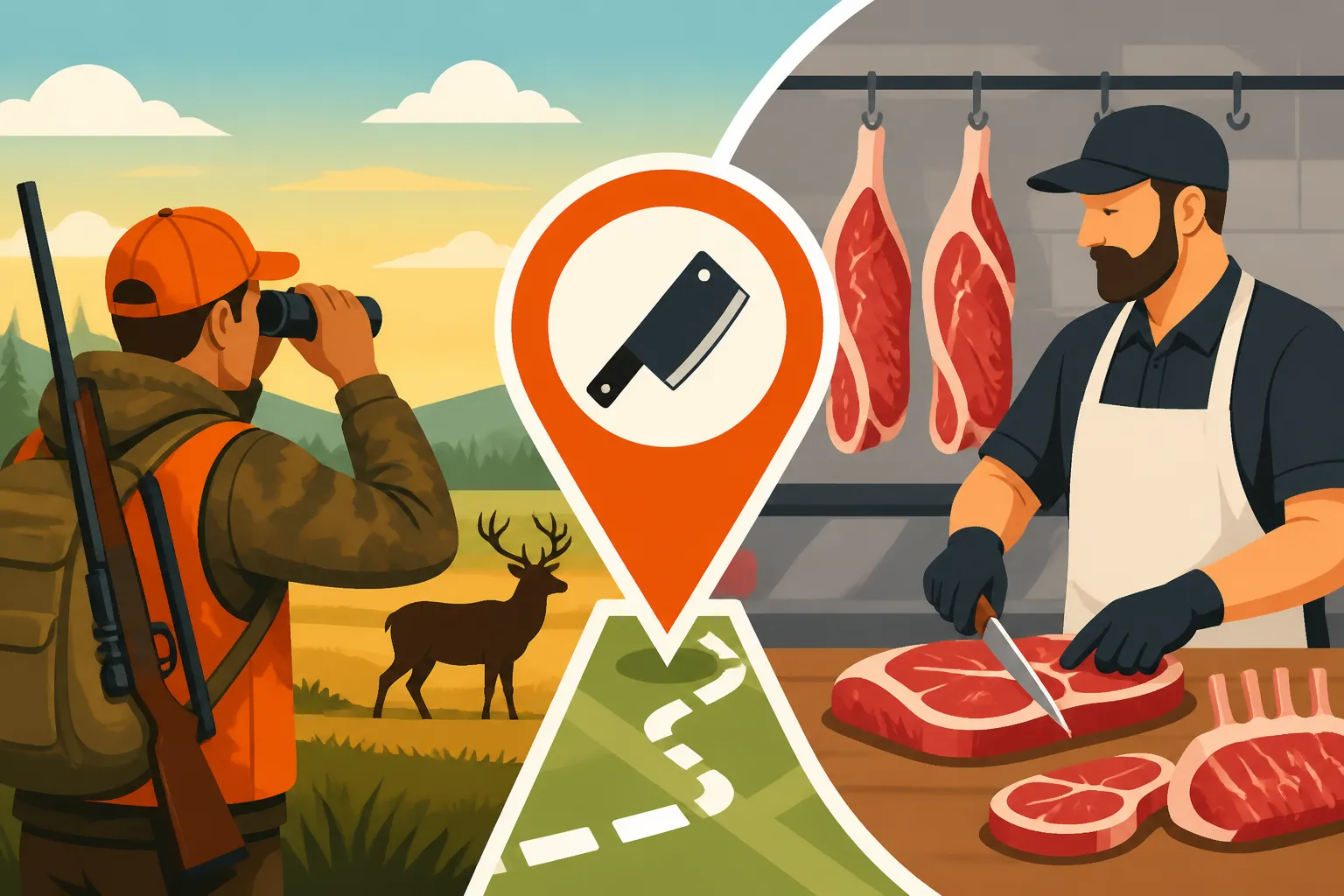
The absolute best resource for finding a reliable game butcher is always word-of-mouth. If you're hunting with an outfitter, they will undoubtedly have preferred processors they work with regularly. These relationships often mean a smoother, faster drop-off and pickup process. Don't hesitate to ask your outfitter or guide; it's part of their job to help ensure your successful hunt culminates in delicious meat. If you're on a self-guided hunt, talk to locals. Head into the nearest small town and ask at the gas station, the local general store, or even a hardware store. Hunters are often very willing to share their trusted contacts. Farmers, ranchers, and even camp hosts often know who does good work and can point you in the right direction. This local intelligence is gold, as many of the best small-town game butchers might not have a huge online presence.
Online Resources and Local Directories
While word-of-mouth is king, online searches can be a starting point, especially if you're planning ahead. A quick Google Maps search for "game butcher near [your hunting area/town]" might yield some results. Look for specialized meat processing plants, abattoirs, or even small-town grocery stores that advertise game processing services. Websites for local Chambers of Commerce or community pages might also list such businesses. However, be aware that not all general butchers handle wild game, and those that do might have specific intake hours or requirements. Don't assume. Always call ahead. Remember, smaller, family-run operations often don't invest heavily in online marketing, so a lack of a flashy website doesn't mean they aren't excellent at what they do.
Key Questions to Ask a Potential Butcher
Once you've identified a few potential butchers, don't just show up with your animal. A few phone calls can save you a lot of hassle and potential heartache. Here's a table of essential questions to ask:
| Question | Why It's Important |
|---|---|
| Do you process wild game? | Not all butchers do, or they might only take certain species or sizes. Confirm their specific services. |
| What is your current capacity/turnaround time? | During peak hunting seasons (especially the rut), butchers get slammed. You need to know if they can take your animal promptly and when you can expect it back. |
| What form do you prefer the animal in? | Some butchers prefer whole carcasses, some want them skinned and quartered. Clarify if you need to do any further breakdown beyond field dressing. |
| What are your processing fees? | Understand the cost structure: is it per pound (hanging weight, finished weight), a flat fee for basic cuts, or are specialty items like sausage extra? |
| What custom cuts and products do you offer? | Beyond standard steaks and roasts, do they make jerky, sausage (different kinds?), hamburger patties, or specialty cuts? Are there minimum quantities for these? |
| What are your packaging methods? | Vacuum-sealed packaging extends freezer life significantly. Ask if this is standard or an extra charge, or if they just wrap in butcher paper. |
| How do you handle CWD testing requirements? | Crucial for compliance. Do they take the head for you? Do you need to drop it off separately? What are the protocols for meat separation in CWD zones? (Refer to Saskatchewan's CWD Testing Rules). |
| What are your hours for drop-off/pickup? | Especially important if you're coming from a distance or have a limited window to get the animal cooled. |
| Do you require the hunting tag? | Yes, they absolutely will. Confirm what information they need from your licence and tag to ensure legal processing. (See Saskatchewan Tag Validation Rules). |
What to Expect from a Saskatchewan Game Butcher
A good game butcher is a vital partner in the hunting process. They take your successful hunt and transform it into delicious, ready-to-cook meals. Knowing what services they typically provide and how they operate can help manage your expectations.
Services Offered: Custom Cuts, Sausage, and Specialty Products
Most reputable game butchers offer a range of services beyond just cutting up your animal. Standard processing usually includes breaking down the carcass into primary cuts, like roasts and steaks, and grinding some portion for hamburger. However, many hunters love the specialty products:
- Sausage: From breakfast links to Italian sausage, often mixed with pork for optimal fat content and flavour. This is a fantastic way to utilize trim meat.
- Jerky: A popular choice for a chewy, protein-packed snack.
- Pepperoni/Smokies: Great for camp meals or quick snacks.
- Patties: Pre-made hamburger patties save you time in the kitchen.
Don't be shy about asking for specific cuts or how much of the animal you want ground versus left as roasts. A good butcher will work with you to maximize your yield and provide the cuts you prefer. For larger animals like a moose, the options for various cuts are extensive, and having a butcher knowledgeable in handling such volumes is invaluable. For those who quarter a large animal in the field, this is where the butcher finishes the job. Quartering a Moose Alone in the Bush is a testament to the effort often made before even reaching the butcher.
Understanding Pricing Structures
Pricing for game processing can vary. Generally, butchers will charge either a flat fee per animal for basic processing, or more commonly, a per-pound rate. This per-pound rate might be based on the "hanging weight" (the weight of the carcass after field dressing and skinning, before it's broken down into cuts) or the "finished weight" (the weight of the packaged meat you take home).
- Basic Processing Fee: This typically covers standard cuts, grinding, and wrapping.
- Add-on Fees: Specialty items like sausage, jerky, or specific patty-making services usually incur additional costs, often calculated per pound of product or as a flat charge for the service. Vacuum sealing, if not standard, might also be an extra charge.
It's always wise to get a clear breakdown of potential costs upfront so there are no surprises when you pick up your meat. While exact prices aren't available here, expect these services to represent good value for the skill and time involved in turning your harvest into freezer-ready meals.
CWD Protocols and Handling
Chronic Wasting Disease (CWD) is a serious concern for deer, elk, and moose populations in Saskatchewan. As a responsible hunter, it's vital to be aware of the rules. Many Saskatchewan zones are designated as mandatory CWD testing zones, especially for deer and sometimes other cervids.
- Butcher's Role: A good butcher in these areas will be well-versed in CWD protocols. They may offer to take the head for you for submission, or at least guide you on where and how to submit it. It's common practice for butchers to request that animals harvested in CWD zones have their heads removed before bringing the carcass in, or they will do it and charge a fee.
- Meat Separation: They should also have procedures in place to minimize cross-contamination between carcasses, especially if CWD results are pending for an animal. Always communicate clearly where your animal was harvested so the butcher can follow the correct CWD testing and handling guidelines. Understanding Mandatory CWD Testing Zones is crucial for ensuring compliance and safety.
Preparing Your Harvest for the Butcher Shop
Getting your animal to the butcher in optimal condition is just as important as the butcher's skill. The care you take in the field directly impacts the final quality of your meat.
Proper Field Dressing and Cooling
The moment your animal is down, proper field dressing begins. This means quickly and thoroughly removing all internal organs to facilitate rapid cooling. Any delay here, especially in warmer temperatures, invites bacterial growth. After field dressing, focus on cooling:
- Air Circulation: Hang the carcass, if possible, allowing air to circulate around it.
- Cleanliness: Keep the body cavity clean. Rinse with water if available and if conditions allow for quick drying, but avoid prolonged soaking.
- Skinning: While some butchers prefer to skin the animal themselves, skinning it in the field can accelerate cooling, particularly for larger animals or in warmer weather. If you do skin it, keep the meat as clean as possible, covering it with clean game bags.
Your immediate post-harvest actions are the first line of defence against spoilage and will greatly determine the quality of the meat you ultimately receive back from the butcher. For insights into hunting a Saskatchewan Winter Weather Safely or handling meat in varying conditions, proper preparation is key.
Transportation Considerations
Transporting your deer, moose, or other game from the field to the butcher requires careful planning to maintain hygiene and temperature.
- Keep it Cool: The most important factor is maintaining a cool temperature. If it's a warm day, consider using coolers packed with ice for smaller cuts or quarters. For larger animals, ensure ample airflow if transporting in the back of a truck, and cover it to protect from dust and sun.
- Cleanliness: Always use clean game bags or tarps to prevent dirt, insects, and other contaminants from reaching the meat. If you've quartered the animal, individual game bags are excellent.
- Legal Requirements: Remember that Transporting Game Meat in Saskatchewan has specific rules, including ensuring evidence of sex remains attached to the carcass or a portion of it, and that your tag is properly validated and attached. Ensure you comply with all regulations to avoid issues. Getting a deer out, especially on a Frozen Trail, can be challenging but crucial for getting it to the butcher promptly.
Communication is Key: What Information Your Butcher Needs
When you drop off your animal, clear communication with the butcher is paramount. They'll need several pieces of information to ensure your meat is processed correctly and legally:
- Your Contact Information: Name, phone number, and sometimes email.
- Species and Date of Harvest: This helps them track and manage their inventory and confirm legal harvest dates with Saskatchewan Big Game Season Dates.
- Your Validated Hunting Tag: This is a non-negotiable legal requirement. The butcher needs to confirm the animal was legally harvested.
- Desired Cuts and Products: Provide a clear list or discuss your preferences for steaks, roasts, ground meat percentage, and any specialty items like sausage or jerky. Don't assume they know what you want; be specific.
- CWD Information: Reiterate where the animal was harvested and if you've already submitted the head for CWD testing, or if you need them to do so.
By providing all this information clearly and concisely, you help the butcher do their best work, ensuring you get back exactly what you envisioned for your hard-earned wild game.
Disclaimer
This article is for general informational purposes only and does not constitute professional advice. Laws, prices and regulations vary by location and change over time. Consult a qualified professional for guidance on your specific situation.