Saskatchewan Outfitters on the Prairie
Finding the right outfitter in Saskatchewan can feel like navigating a vast, open landscape, especially when your heart is set on the unique challenges and rewards of the prairie. Many hunters dream of those expansive, big-sky hunts but worry about finding a reputable guide who truly understands the subtle nuances of this terrain. This guide is here to walk you through everything you need to know about Saskatchewan outfitters operating on the prairie, helping you find that perfect experience.
Understanding Prairie Outfitters in Saskatchewan
When we talk about hunting the Saskatchewan prairie, we're stepping into a world very different from the dense boreal forest or the aspen parkland fringe. This is a land of rolling grasslands, coulees, scattered bluffs, and endless stubble fields, each presenting its own distinct set of challenges and opportunities for both game and hunters. Outfitters here specialize in harnessing these unique characteristics to deliver memorable hunts.
The Unique Landscape of Saskatchewan's Prairie
The prairie isn't just flat ground. It's a mosaic of habitats, from the deep, eroded river valleys like the Qu'Appelle and the South Saskatchewan River, to the subtle undulations of the Missouri Coteau. You'll find isolated treed bluffs, often around old farmsteads or along creek beds, that provide crucial cover. Then there are the vast agricultural fields – wheat, barley, canola, peas, lentils – that draw in deer, moose, and especially enormous flocks of waterfowl. Water sources, whether they're dugouts, potholes, or larger sloughs, become magnets for wildlife in this drier environment.
A good prairie outfitter doesn't just drive you to a field; they understand the nuances of how these features dictate game movement. They know which coulees hold mule deer bucks after a fresh snow, which shelterbelts a whitetail will use to travel between feeding and bedding areas, and which specific stubble fields the geese are hitting hardest that morning. Their knowledge of these hyper-local movements is what makes them invaluable.
The Role of a Prairie Outfitter
A prairie outfitter is more than just a guide; they're your connection to prime hunting ground, often on private lands that would otherwise be inaccessible. They've spent years, sometimes generations, building relationships with local landowners. This permission access is critical on the prairie, where much of the prime habitat is privately owned. Getting Private Land Permission in Saskatchewan is a hurdle many do-it-yourself hunters face, and an outfitter completely streamlines that process.
Beyond access, they provide the crucial expertise. They've scouted thousands of acres, understand seasonal patterns, and know exactly where to set up blinds or plan a stalk based on wind, weather, and game activity. Their equipment, from specialized vehicles for navigating rough terrain to comfortable blinds, is tailored for the prairie environment. They handle the permits, the logistics, and often, even the meat care and trophy preparation, allowing you to focus purely on the hunt. For non-residents, in particular, booking with an outfitter isn't just recommended; it's often a requirement for big game species in Saskatchewan. Rules for Non-Residents Hunting Saskatchewan are quite specific.
What to Expect from a Prairie Outfitter Experience
Hunting the prairie with an outfitter isn't just about bagging an animal; it's about immersing yourself in a unique hunting culture and landscape. The pace, the strategies, and the overall feel of the hunt can be quite distinct.
Typical Hunting Methods on the Prairie
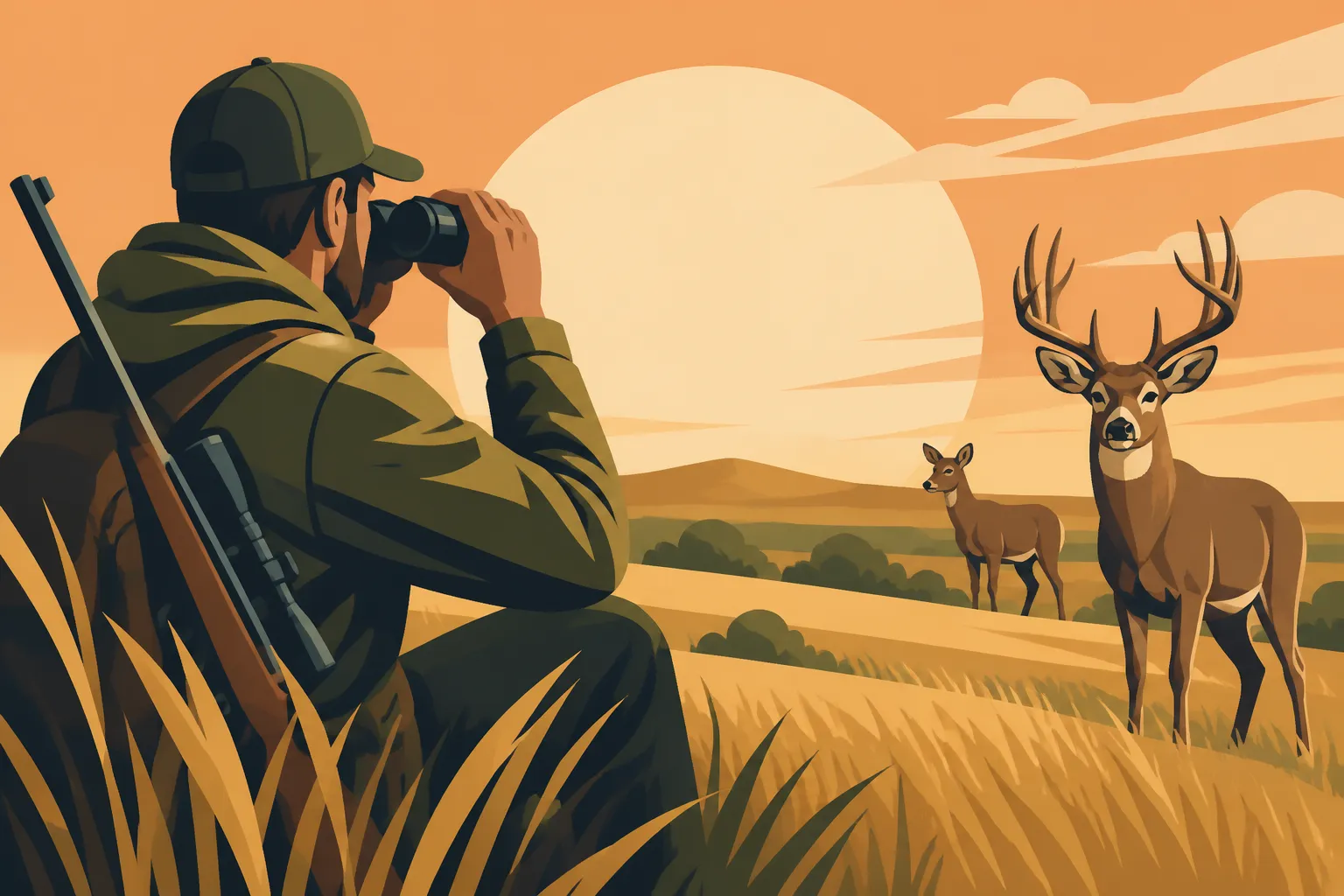
Prairie outfitters employ a variety of methods, carefully chosen to suit the species, terrain, and conditions. For whitetails, stand hunting from heated ground blinds or elevated stands overlooking prime travel corridors, field edges, or creek bottoms is common, especially during the colder rut periods. You might find yourself Hunting a Saskatchewan Slough Edge for Whitetails or Hunting a Shelterbelt Between Two Fields. Spot-and-stalk is a classic prairie technique, particularly effective for mule deer and pronghorn, where vast sightlines allow for distant glassing and careful approaches. Stalking Mule Deer in Open Prairie requires patience and skill, often covering significant ground on foot once a target animal is spotted.
Waterfowl hunting, a massive draw on the Saskatchewan prairie, typically involves large decoy spreads in grain fields or near potholes, often with comfortable pit blinds or layout blinds. This is where you experience the incredible spectacle of thousands of geese or ducks descending. Predator calling, particularly for coyotes, is another popular option on the prairie, often done from concealed positions along field edges or coulees.
Accommodations and Services Provided
Most prairie outfitters offer comfortable lodging, ranging from cozy farmhouses and rustic cabins to modern lodges with all the amenities. Expect hearty, home-cooked meals that keep you fueled for long days in the field. They usually provide transportation to and from hunting areas, and many offer airport pickup services, particularly if you're flying into a major hub like Saskatoon or Regina.
Beyond the hunt itself, outfitters often assist with processing your game. This might include caping for taxidermy, quartering for transport, and ensuring proper cold storage. Many have relationships with local butchers for further processing, and taxidermists for trophy care. They'll guide you through the tag validation process and ensure you understand the rules for transporting your harvest. This comprehensive service means less worry for you and more focus on enjoying your time in Saskatchewan.
Key Game Species Targeted on the Saskatchewan Prairie
The prairie might seem vast and empty to the untrained eye, but it teems with wildlife, offering incredible opportunities for several sought-after species. Outfitters here specialize in putting you on these animals.
Whitetail Deer Hunting
Saskatchewan's prairie regions are renowned for producing exceptionally large white-tailed deer. These bucks thrive on the rich agricultural crops, packing on mass and growing impressive antlers. While the dense bush bucks are famous, the prairie whitetails often have access to abundant, high-energy feed for much of the year. Outfitters focus on prime travel routes between bedding areas in bluffs or coulees and feeding grounds in stubble fields. They know that during the Hunting the Rut in Early to Mid November, these big bucks are on the move and vulnerable.
Hunting whitetails here often involves long hours in heated blinds, patiently waiting for a mature buck to make a mistake. It’s a game of patience and observation, but the reward of a heavy-bodied, wide-racked prairie whitetail is well worth the effort. The prairie environment, with its often cold and windy conditions, necessitates specialized gear and a guide who understands how deer utilize minimal cover to evade detection.
Mule Deer Hunting
The rolling grasslands and coulee systems of Saskatchewan's southwestern prairie are prime habitat for mule deer. These iconic deer, with their large ears and bounding gait, offer a completely different hunting experience than whitetails. Outfitters often focus on spot-and-stalk techniques, using high vantage points to glass vast areas, identifying bucks bedded down in coulee bottoms or feeding on sagebrush flats. Mule Deer Hunting Saskatchewan's Prairie is a physically demanding but incredibly rewarding pursuit.
A good outfitter specializing in mule deer will know the intricate coulee systems like the back of their hand, understanding escape routes and preferred bedding sites. They'll teach you how to read the landscape, use topography to your advantage, and execute precise stalks over open ground. Patience and keen optics are your best friends when pursuing these magnificent prairie giants. You might be interested in Hunting Mule Deer in Prairie Coulees to understand the specific tactics involved.
Waterfowl Hunting
Saskatchewan's prairie is a world-class destination for waterfowl hunters. Every fall, millions of ducks and geese stage here, feeding on abundant grain crops before continuing their migration south. Outfitters offer incredible opportunities for hunting Canada geese, snow geese, specklebellies, and a variety of duck species. Waterfowl Hunting Saskatchewan's Grain Fields is an experience unlike any other, with massive flights filling the sky.
A waterfowl outfitter will handle all the scouting, getting permission on prime fields, and setting up vast decoy spreads – sometimes hundreds or even thousands of decoys. They'll have comfortable blinds, calls, and dogs to retrieve birds, ensuring a seamless and high-volume hunt. It's an action-packed experience, perfect for groups, and a fantastic way to witness the sheer abundance of migratory birds that pass through the province.
Other Prairie Species
While whitetails, mule deer, and waterfowl are the main draws, prairie outfitters may also offer hunts for other species. Pronghorn, often referred to as speed goats, inhabit the open, treeless grasslands of the southwest. Hunting pronghorn is a challenging spot-and-stalk affair, where long shots are common, and concealment is scarce. They're typically a draw-only species, so planning ahead is key.
Coyotes are also abundant across the prairie and can offer an exciting, fast-paced hunting experience, often in conjunction with a big game or bird hunt. Some outfitters may even offer opportunities for Hunting Farmland Moose in Saskatchewan, as these massive animals have expanded their range into agricultural areas in certain regions, often utilizing sloughs and bluffs for cover.
Choosing the Right Prairie Outfitter for Your Hunt
Selecting an outfitter can feel overwhelming with all the options out there. It's a significant investment of time and money, and you want to ensure you're making the right choice for your dream hunt.
Research and Due Diligence
Start your search by thoroughly researching potential outfitters. Websites like BookYourHunt can be a great starting point, allowing you to browse various outfitters, read reviews, and get a feel for their offerings. GoHunt is another excellent resource for planning hunts, often providing insights into regions and outfitters that might align with your goals. Look for outfitters who clearly specialize in prairie hunts and the specific species you're targeting. Check their websites for photo galleries, videos, and detailed descriptions of their operations.
Don't be afraid to reach out to multiple outfitters. Send emails with specific questions and gauge their responsiveness and willingness to provide information. A good outfitter will be transparent and happy to answer all your questions, no matter how detailed.
Asking the Right Questions
Once you've narrowed down your choices, prepare a list of questions for each outfitter. This isn't just about their services; it's about understanding their approach, their values, and what kind of experience they truly offer.
Here’s a table of essential questions to ask:
| Category | Questions to Ask Your Prairie Outfitter | Why It Matters |
|---|---|---|
| Experience | How long have you been operating on the Saskatchewan prairie? | Longevity often indicates stability, experience, and established relationships. |
| Specialization | Which prairie species do you specialize in? | Ensures they have deep expertise in your target animal's behavior and habitat. |
| Access | Do you hunt primarily private land or Crown land? How do you secure access? | Private land access is crucial on the prairie and often means less pressure. |
| Methods | What hunting methods do you primarily use for my chosen species? | Understand if their methods align with your preferred hunting style and physical ability. |
| Success Rates | What have your success rates been for my target species in recent years? | Provides a realistic expectation, but remember success isn't guaranteed. |
| Included/Excluded | What exactly is included in the package price (lodging, meals, guides, processing, etc.)? | Avoids hidden costs and ensures you know what you're paying for. |
| References | Can you provide references from past clients, particularly from last season? | Speaking with previous clients offers invaluable, firsthand insights. |
| Season Dates | What specific dates are available, and how do those align with peak activity for my species? | Timing is everything, especially during the rut or migration peaks. |
| Group Size | What is your typical hunter-to-guide ratio and group size in camp? | Affects the personalized attention you receive and the overall camp atmosphere. |
| Meat/Trophy Care | What services do you provide for field care, processing, and shipping of meat/trophies? | Essential logistics, especially for out-of-province hunters. |
| Safety | What are your safety protocols, especially for remote areas or adverse weather? | Crucial for peace of mind, particularly in unpredictable prairie conditions. |
Checking References and Reviews
This is perhaps the most critical step. Any reputable outfitter will gladly provide you with a list of references, ideally from clients who hunted in the most recent season. When you call these references, ask detailed questions beyond just "Did you have fun?". Inquire about the quality of the guiding, the camp atmosphere, the food, the honesty of the outfitter, and any unexpected issues they encountered.
Also, search for independent reviews online. Be wary of solely positive or overly negative reviews; look for consistent themes, both good and bad, to get a balanced perspective. An outfitter who consistently earns praise for specific aspects of their operation, such as their knowledge of Hunting a Saskatchewan Quarter Section or their dedication to client satisfaction, is a strong contender.
Logistics and Preparation for a Prairie Hunt
Once you've booked your prairie hunt, the real planning begins. Proper preparation is key to ensuring a smooth and successful trip to Saskatchewan's open country.
Licensing and Regulations
Navigating Saskatchewan's hunting regulations can be complex, but your outfitter will be a great resource. They'll advise you on which licences and tags you'll need, and how to acquire them through the Saskatchewan Hunting, Angling and Trapping Licence (HAL) system. You'll likely need a basic hunting licence, a Wildlife Habitat Certificate, and species-specific tags. For many big game species, Saskatchewan's Big Game Draw process is involved, and your outfitter will help you understand if you need to apply for a draw tag well in advance.
Ensure you understand all the legal requirements, including blaze orange rules, legal firearms and bows, and tag validation procedures. Your outfitter will usually cover these specifics, but it's always good practice to familiarize yourself with the official Saskatchewan Hunters' and Trappers' Guide. Remember, compliance with rules like Saskatchewan Tag Validation Rules is your responsibility, even with a guide.
Essential Gear for Prairie Conditions
Saskatchewan prairie weather can be notoriously unpredictable. A warm, sunny morning can quickly turn into a cold, windy, or even snowy afternoon, especially during the fall. Layering is paramount. Think high-quality base layers, insulating mid-layers, and a waterproof, windproof outer shell. Your outfitter might be able to suggest specific brands or types of gear that perform well in their particular area.
Warm, waterproof boots are non-negotiable, particularly for standing or sitting for long periods. Good gloves, a warm hat, and face protection are also critical. Don't forget quality optics – binoculars and a spotting scope are essential for glassing the vast prairie landscapes. A rangefinder is also a must-have tool for accurate shot placement. For waterfowl hunts, a good set of waders might be necessary depending on the setup. Remember to bring a reliable headlamp and extra batteries.
Travel and Transportation
Most hunters flying into Saskatchewan for a prairie hunt will arrive at Saskatoon (YXE) or Regina (YQR) international airports. From there, your outfitter might provide transportation to camp, or you may need to rent a vehicle. If driving your own vehicle, be aware of road conditions, especially if you're venturing off paved highways onto gravel grid roads or even two-track trails.
If you're bringing firearms across the border, be sure to understand all Canadian import regulations well in advance. This typically involves completing a Non-Resident Firearm Declaration Form. Your outfitter can usually offer advice on this process, but it's crucial to handle this correctly yourself to avoid any issues at the border. Always check with the Canadian Border Services Agency for the most current requirements.
Ethical Considerations and Best Practices
A guided hunt is still your hunt, and upholding ethical hunting practices and fostering good relations with locals is always paramount.
Respect for Landowners and Wildlife
Saskatchewan's hunting opportunities on the prairie rely heavily on the goodwill of landowners. Most outfitters have strong relationships with local farmers and ranchers, built on trust and mutual respect. As a hunter, it's vital to extend that same courtesy. Always follow your outfitter's guidance regarding private land, sticking to designated areas, and showing appreciation for the privilege of hunting there.
Respect for the wildlife you pursue is equally important. This means taking ethical shots, making every effort to recover wounded game, and properly caring for your harvest. Responsible hunting ensures the long-term health of game populations and preserves the hunting heritage for future generations. Understanding Meat Care in Saskatchewan's Cold Snaps is an example of responsible hunting practice.
Hunter-Outfitter-Guide Dynamics
Your relationship with your outfitter and guide is a partnership. They are working hard to provide you with the best possible hunting experience, and clear communication is key. Be upfront about your physical capabilities, your expectations, and any concerns you might have. Listen carefully to their advice and instructions; they know the local conditions, game behavior, and safety protocols better than anyone.
Remember that hunting is not a guarantee. While outfitters strive for success, wildlife is wild, and conditions can change. Maintain a positive attitude, enjoy the experience, and appreciate the hard work your guide puts in, regardless of the outcome. A successful hunt is often measured by the quality of the experience, the camaraderie, and the beauty of the landscape, not just by a filled tag. Tipping your guide for their hard work, dedication, and knowledge is a customary practice and a way to show your appreciation. Tipping a Saskatchewan Guide can feel awkward to figure out, but it's an important part of the experience.
Disclaimer
This article is for general informational purposes only and does not constitute professional advice. Laws, prices and regulations vary by location and change over time. Consult a qualified professional for guidance on your specific situation.