Baiting Black Bear in Saskatchewan
Trying to hunt black bears in Saskatchewan's dense boreal forest or even the thick patches of the forest fringe can feel like searching for a ghost. These incredible animals are masters of stealth, moving through cover almost silently, and without a strategic advantage, a clean shot opportunity can be incredibly rare. This guide is all about giving you that edge: we're diving deep into the art and science of baiting black bears, a method that, when done right, significantly increases your chances of a successful and ethical harvest in the vast Saskatchewan wilderness.
The Why and How of Black Bear Baiting in Saskatchewan
Black bear hunting in Saskatchewan offers incredible opportunities, but it's not without its challenges. The vastness of the landscape, coupled with the bears' natural elusiveness, often makes traditional spot-and-stalk or still-hunting incredibly difficult, especially for those pursuing their first bear or aiming for a specific animal. This is where baiting truly shines, transforming a game of chance into a strategic and controlled hunt.
Why Baiting is a Game-Changer for Bear Hunters
Imagine spending days walking dense bush, crashing through alders, and constantly checking wind, only to catch a fleeting glimpse of a bear disappearing into the shadows. It's exhilarating, yes, but often frustratingly unproductive. Baiting provides a centralized location that draws bears out of their natural cover, offering predictable access and invaluable advantages. For starters, it allows you to observe the animal for an extended period. This isn't just about identifying a legal bear; it's about discerning its size, sex, and overall health. You can wait for the perfect broadside shot, ensuring a clean, ethical kill, which is paramount for any responsible hunter. Without the ability to study the bear at length, making these crucial decisions in a split second during a fleeting encounter can be incredibly difficult, leading to less-than-ideal outcomes.
Furthermore, baiting can significantly increase your success rates. Instead of hoping to stumble upon a bear, you're actively creating an attraction that brings them to you. This is especially beneficial for archery hunters, who require much closer distances for an ethical shot. A well-maintained bait site encourages bears to visit regularly, often at predictable times, making your sit more efficient and productive. It also offers a safer hunting scenario, as you are typically elevated in a stand or concealed in a blind, giving you a vantage point and reducing the chance of an unexpected close encounter on the ground. For those keen on understanding the nuances of bear populations, baiting can also offer insights into local bear density and activity patterns, feeding your passion for these majestic animals beyond just the hunt itself. If you're looking to plan your hunt effectively, understanding Black Bears in Saskatchewan's Boreal Forest is a crucial first step.
Legalities and Regulations for Baiting in Saskatchewan
Before you even think about putting out a single pastry, it's absolutely critical to understand Saskatchewan's specific regulations regarding bear baiting. The rules are designed to ensure ethical hunting practices, public safety, and to prevent conflicts with other land users or wildlife. Firstly, you must have a valid black bear licence, and remember that Saskatchewan Bear Season Dates vary by zone and method, so always check the current year's guide. One of the most important aspects is the permissible baiting period. You can typically begin baiting several weeks before the season opens, which is vital for establishing a pattern of visitation. However, all artificial materials from your bait site must be removed within a specific timeframe after the season closes. This isn't just good etiquette; it's a legal requirement to prevent litter and potential issues for other wildlife.
Location restrictions are also a major factor. You can't just set up a bait site anywhere. There are rules about how close a bait can be to a public road, residential areas, or designated provincial parks and wildlife areas. These distances are in place to ensure public safety and minimize human-bear conflicts. Always consult the official Saskatchewan Hunting and Trapping Guide for the most up-to-date and precise measurements, as these can sometimes change. The types of bait allowed are generally broad, encompassing things like sweets, grains, and animal fats. However, it's generally prohibited to use meat from big game animals or anything that could attract non-target species in an unsafe manner, especially for larger predators that might pose a risk to people. Always double-check if there are any specific local restrictions in your Wildlife Management Zone (WMZ). Misinterpreting or ignoring these regulations can lead to hefty fines, confiscation of equipment, and loss of hunting privileges. A great resource for getting started is the guide on Setting a Bear Bait Site in Saskatchewan.
Crafting the Perfect Bear Bait Site
A successful bear baiting operation isn't about simply tossing some old donuts into the bush. It's a strategic process that involves careful scouting, thoughtful construction, and consistent maintenance. Think of it as building a relationship with the local bear population, enticing them to visit your chosen spot regularly. Without the right location and a well-built station, your efforts could be in vain, leaving you with empty barrels and no bear sightings.
Location, Location, Location: Picking Your Spot
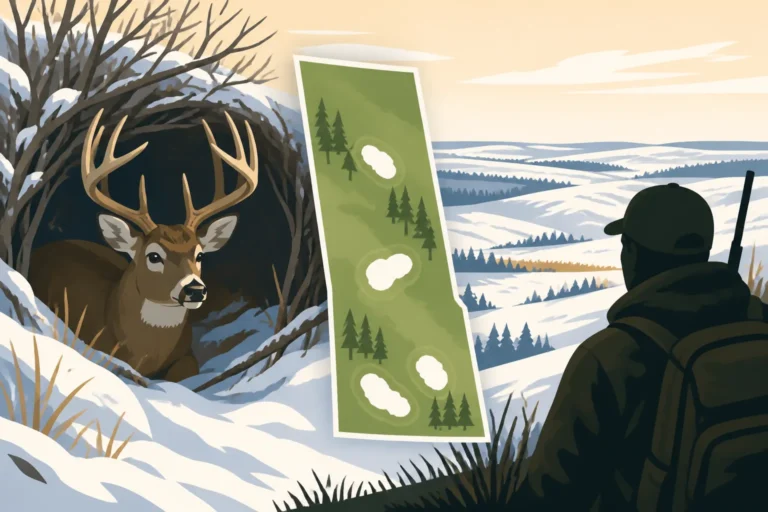
Choosing the right spot for your bear bait is arguably the most critical step. You're looking for an area that bears already frequent or can easily access, but that also provides privacy and safety for your hunting activities. Start by looking for classic bear sign: tracks in muddy areas, scat along old logging roads or trails, claw marks on trees, and flipped-over rocks or logs where they've been foraging for grubs and insects. Areas of thick cover, especially near swamps, dense spruce stands, or large willow thickets, are prime candidates, as bears prefer to travel and bed in security cover. River bottoms and creek drainages also act as natural travel corridors, funnelling bears through certain areas.
When evaluating potential spots, consider the wind. You want a location that allows you to approach, set up your blind or stand, and hunt with a consistent prevailing wind blowing your scent away from the bait site. Nobody wants to blow a hunt because a bear caught human scent. Access is another practical consideration. While remote locations are often best for attracting bears, you need to be able to get in and out relatively easily for bait replenishment, especially during the pre-baiting phase, and for game recovery. Using mapping tools, like those available through services like GoHunt, can be incredibly helpful here. You can identify potential access points, dense cover, water sources, and even historical bear hotspots by analyzing satellite imagery and topographical data. Pay attention to natural pinch points, areas where bears are funnelled into a narrower path, making them more likely to encounter your bait. A little groundwork and observation in advance can save you weeks of fruitless effort. Sometimes, the edge of a clear-cut or a major cutline in the boreal forest can be a prime spot, as covered in Spring Bear Hunting Saskatchewan's Cutlines.
Building Your Bait Station: Structure and Scent
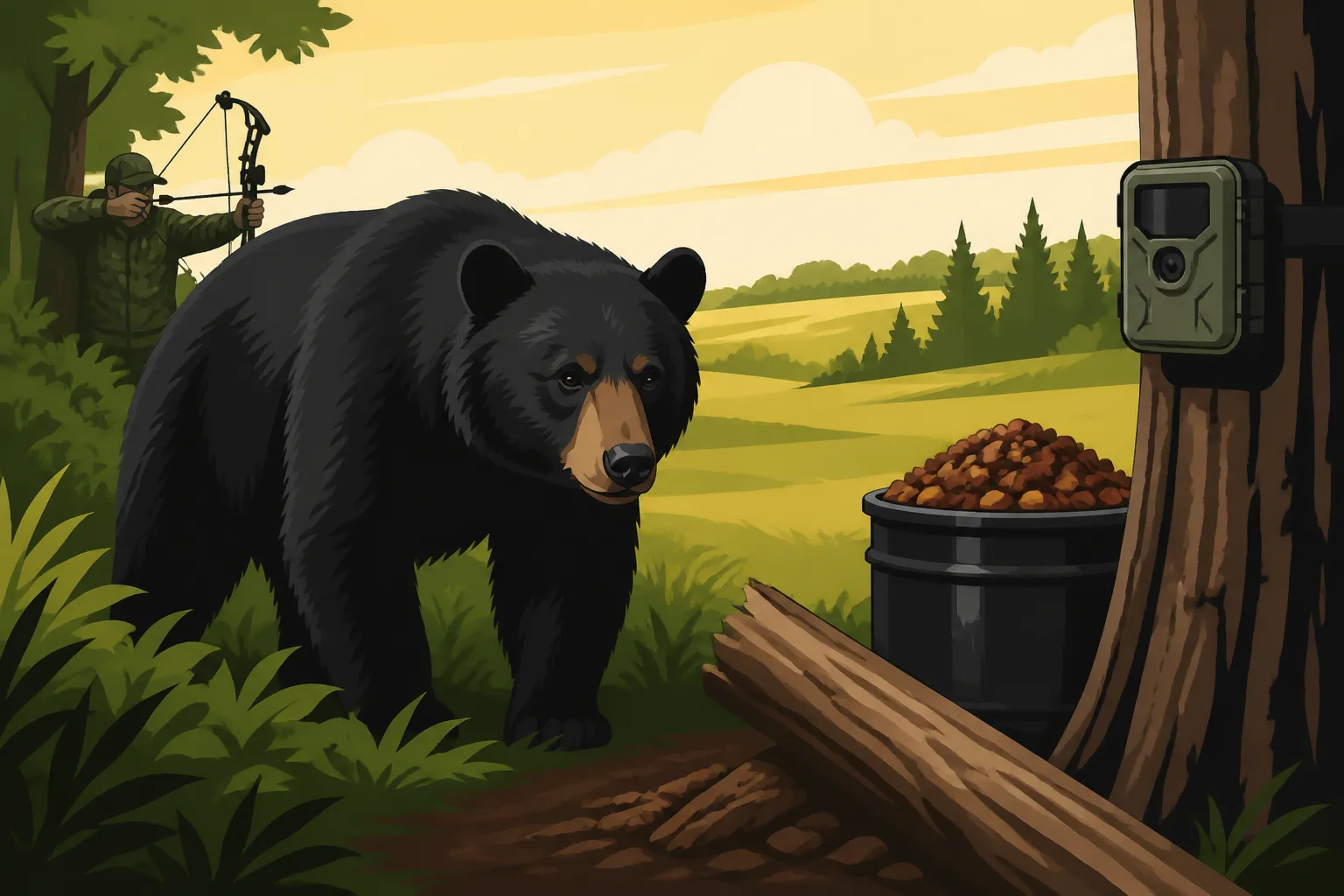
Once you've pinpointed the ideal location, it's time to construct the bait station itself. The goal here is twofold: to contain the bait so it's not immediately hauled off by smaller critters or even the first visiting bear, and to maximize scent dispersal. A common and effective setup involves a sturdy culvert, an old steel barrel, or a log crib secured firmly to a large, immovable tree. This prevents bears from easily dragging the entire feast away into the bush where you can't get a clean shot or even find it. Chaining a barrel to the base of a strong tree with heavy-duty chains and locks is a popular method. You might even consider digging the barrel partially into the ground to add extra stability.
Scent is the primary attractant for bears, whose noses are legendary. You need to create a strong, persistent scent cone that draws them from a distance. Start with a "starter bait" that has a powerful aroma. Sweet, sugary, and greasy items are perfect for this. Expired donuts, pastries, and even rendered animal fat or molasses poured onto a rotten log work wonders. You can also hang scent lures—commercial attractants or even things like old fruit scraps in a mesh bag—high in a tree. The idea is for the aroma to drift through the air, carrying downwind and drawing bears in from afar. The initial scent should be overwhelming to get their attention, then you can rely on the continuous presence of the bait to keep them coming back. Don't underestimate the power of a little bit of old, stinky grease; it really carries on the wind and makes a bear's nose twitch.
What to Feed a Bear: Bait Strategies and Management
The old saying, "you are what you eat," applies to bear baiting too! The quality and consistency of your bait program directly influence how frequently and enthusiastically bears visit your site. It’s a significant commitment of time and resources, but when done correctly, it builds trust with the bears and establishes your bait site as a reliable food source, crucial for successful hunting.
The Best Baits and How to Acquire Them
When it comes to bear bait, think "high calorie, high scent, and readily available." Bears are omnivores with a sweet tooth and a keen sense of smell, so sugary, greasy items are often at the top of the list. Stale donuts, pastries, bread, and candy are classic go-tos because they’re potent in smell and packed with energy. Many local bakeries and grocery stores are happy to offload their expired or unsold goods, often for free or a very small fee. Building relationships with these businesses early in the season can secure a consistent supply. You'd be surprised what a local Tim Hortons or independent bakery might be willing to provide if you explain your purpose.
Another excellent category of bait is rendered animal fat, often called "bear grease," which can be sourced from butcher shops or even some restaurants. It’s a high-energy food that also offers a strong, lingering scent. Dog food or other animal feeds, particularly those with a strong fish or meat scent, can also be effective, though they might be more expensive. Molasses is fantastic, not only for its sweet, sticky appeal but also because its strong scent carries far. Mixing molasses with oats or other grains can create a long-lasting, highly attractive bait. Always ensure your bait is fresh enough not to be spoiled beyond recognition, but don't worry about it being prime dining quality – bears aren't picky! The key is a consistent and appealing scent that says "easy calories" to a hungry bear. This consistent feeding helps encourage big bears, which often correlates with the topic of Why Saskatchewan Bucks Grow So Large and similar principles of consistent nutrition.
Baiting Frequency and Maintaining a Hot Site
Consistency is king when it comes to baiting bears. You can’t just throw out a pile of goodies once and expect bears to magically appear on opening day. Successful baiting requires commitment, especially during the pre-baiting phase. Initially, you’ll want to replenish your bait every day or every other day. This rapid replenishment ensures that when a bear finds your site, there's always something there, reinforcing the idea that it's a reliable food source. The goal is to get multiple bears visiting regularly and to establish a consistent pattern.
How do you know if your site is "hot"? You'll see the signs: the bait is being consumed quickly, the ground around the station is torn up, and you’ll find fresh tracks, scat, and maybe even some rubbed trees. Once bears are consistently hitting the site, you might be able to scale back to replenishing every two to three days, but don't let it go empty. An empty bait site can quickly deter bears, sending them off to find more reliable food sources elsewhere. This is where trail cameras become invaluable, providing real-time data on visitation frequency and timing. They eliminate guesswork and allow you to optimize your baiting schedule. Remember, maintaining a hot site isn't just about quantity; it’s about making sure the site always smells appealing and offers enough calories to keep the bears invested. The effort you put in during this phase will directly correlate to your success when the season opens.
Setting Up for the Shot: Blinds, Stands, and Safety
Once your bait site is established and consistently attracting bears, the next crucial step is setting up your hunting position. This isn't just about comfort; it's about safety, ethical shot placement, and maximizing your chances of success. Bears are incredibly smart and wary, and a poorly positioned blind or stand can quickly compromise your hunt, no matter how good your bait is.
Choosing and Placing Your Blind or Stand
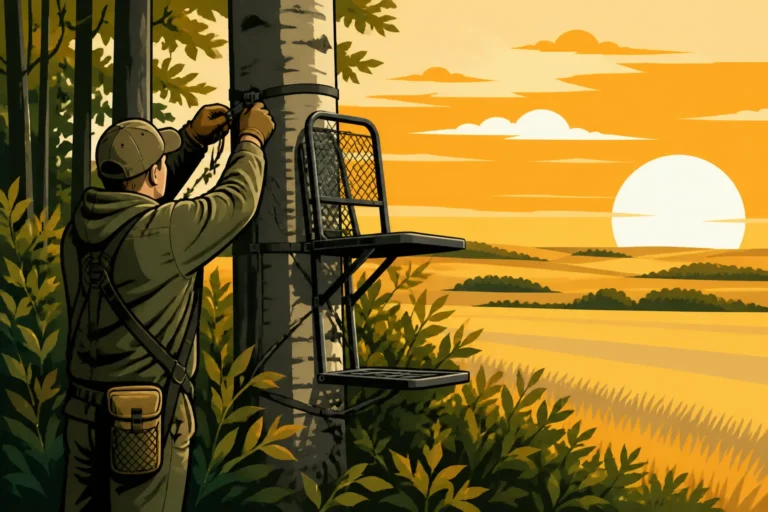
The decision between a ground blind and a tree stand often comes down to personal preference, the terrain, and your hunting method. Tree stands offer a significant advantage by elevating you above the bear's primary line of sight and, more importantly, above its incredible sense of smell. Scent rises, and being 15-20 feet up in a sturdy tree helps keep your scent stream well above a bear's nose. When selecting a tree for a stand, choose one that provides ample cover for concealment, is strong and healthy, and allows for a clear shot lane to the bait. The stand should be positioned 20-30 yards from the bait for archery hunters, allowing for a precise, ethical shot. For rifle hunters, this distance can be extended slightly, but keeping it within 50-75 yards still ensures accuracy and confidence.
Ground blinds, while offering easier access and comfort, require more attention to scent control and concealment. They need to be brushed in meticulously with natural vegetation to break up their outline. The wind direction becomes even more critical with a ground blind, as your scent will travel closer to the ground. A good practice is to set up two or three potential blind locations around the bait, allowing you to choose the one that offers the most favourable wind on any given hunting day. No matter your choice, always clear shooting lanes thoroughly before the season starts. You don't want to be snapping branches or sawing during your hunt. Furthermore, remember that bear country means large, powerful animals. Always use a safety harness when in a tree stand, and ensure your ground blind is secure and provides sufficient concealment. Understanding the specifics of Legal Firearms and Bows for Big Game is vital for preparation.
Trail Cameras and Pre-Hunt Monitoring
Trail cameras are an indispensable tool in modern bear baiting. They are your eyes and ears in the woods when you're not there, providing a wealth of information that dramatically increases your odds of success. Their primary benefit is confirming consistent bear activity, helping you determine the best times to hunt. Are the bears primarily nocturnal? Are they hitting the bait during daylight hours? Are larger, more desirable bears visiting, and if so, when? This data allows you to optimize your hunting schedule, ensuring you're in the blind when the big bears are most active.
Beyond timing, trail cameras help you identify individual bears. You can often distinguish between boars (males) and sows (females), and crucial for ethical hunting, determine if a sow has cubs with her. You certainly don't want to harvest a sow that's nursing young. Monitoring distinct characteristics like unique markings, ear tags, or even the size and shape of their head and body over time can help you confidently identify a specific bear you're targeting. Placing cameras securely, often in bear-proof casings or high up on trees, is important to prevent damage from curious or aggressive bears. Remember to position them at an angle that captures the bait site effectively, without placing them directly in a high-traffic bear pathway where they might be knocked over. Services like GoHunt can help you log your camera data and track animal movements, becoming a crucial part of your pre-hunt strategy and helping with Judging a Boar From a Sow With Cubs.
Ethical Considerations and Responsible Practices
Baiting bears, like any hunting method, carries a significant ethical responsibility. It's not just about getting a bear; it's about how you get it, ensuring a quick, clean kill, respecting the animal, and leaving the land in good condition for future use. Responsible bear baiting reflects positively on the entire hunting community and helps maintain public acceptance of our traditions.
Practicing Ethical Bear Hunting
The cornerstone of ethical hunting is a clean, quick kill. Baiting provides a controlled environment that significantly aids in achieving this, but it still relies on the hunter's skill and discipline. Once a bear presents itself at the bait, take your time. Observe the animal carefully to confirm it's the bear you wish to harvest, and critically, ensure it's not a sow with cubs. While not always easy, look for tell-tale signs: cubs might be trailing behind or waiting nearby, or the sow might display protective behaviours. When you're confident in your target, wait for the ideal shot presentation—typically a broadside or slightly quartering-away shot that targets the heart-lung area. Avoid head-on or extreme quartering shots that can lead to wounding the animal.
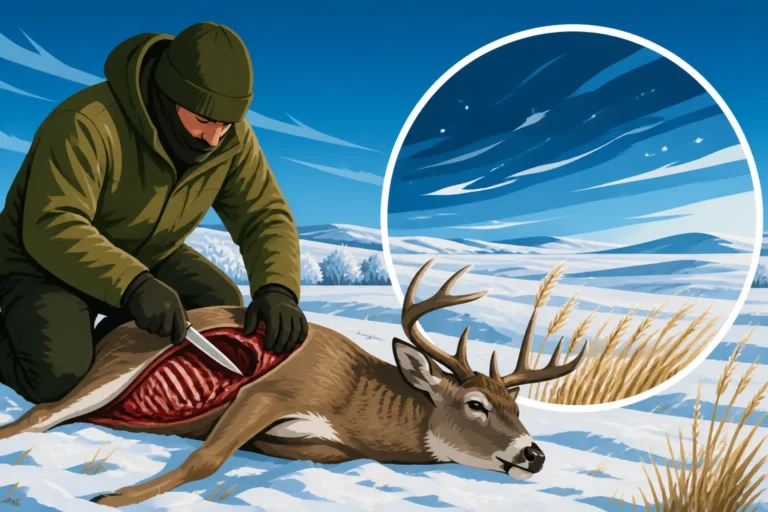
Shot placement is paramount. Even with bears at close range, their anatomy can be deceiving due to their thick fur and layers of fat. Know your firearm or bow's capabilities and practice extensively. Once the shot is taken, give the bear adequate time before beginning a recovery effort. Bears are incredibly tough, and rushing in too quickly can push a wounded animal further into thick cover, making recovery much harder. Depending on the shot, waiting 30 minutes to an hour, or even longer for a marginal hit, is often wise. When tracking, pay meticulous attention to blood trails, broken branches, and tracks. A thorough and persistent recovery effort honours the animal and fulfills your ethical obligation as a hunter. This includes knowing What a Northern Black Bear Weighs and how to effectively track such a large animal.
Post-Hunt Site Management and Respect for the Land
Your responsibility doesn't end when you fill your tag. Responsible post-hunt site management is a critical component of ethical baiting and shows respect for the land, other wildlife, and fellow outdoor enthusiasts. The most important step is to completely remove all artificial baiting materials from your site once the season is over or you've concluded your hunting efforts. This means taking out all barrels, chains, buckets, scent wicks, and any other non-biodegradable items. Leaving plastic pails, metal barrels, or synthetic materials behind is essentially littering and can be harmful to wildlife.
Beyond removing man-made objects, consider the impact of your bait site on the environment. While the bait itself is usually natural and will decompose, excessive amounts of sugary residue or grease can alter soil composition or attract unwanted attention from non-target species long-term. Try to minimize these impacts. If you used a significant amount of grease, consider raking the area or covering it with natural soil and leaves. The goal is to leave the area as close to its natural state as possible, making it seem as if you were never there. This includes removing any flagging tape or markers you used. Adhering to these principles of cleanup and environmental stewardship ensures that baiting remains a respected and sustainable hunting practice in Saskatchewan for generations to come.
Common Bear Bait Types and Their Characteristics
Choosing the right bait can make a huge difference in attracting and holding bears. Here's a look at some popular options, considering their cost, attractiveness, and how long they'll last at a site.
| Bait Type | Cost (Avg.) | Attractiveness | Longevity at Site | Notes |
|---|---|---|---|---|
| Donuts/Pastries | Low (often free) | Very High (sweet, greasy scent carries far) | Low to Medium | Excellent for initial attraction; can spoil quickly in heat. Best sourced from bakeries. |
| Rendered Fat/Grease | Medium | High (strong, lingering scent, high calories) | Medium to High | Fantastic scent carrier. Mix with other baits. Can attract scavengers. |
| Molasses | Low to Medium | High (sweet, sticky, strong aroma) | High | Sticks to everything, creating a lasting scent. Good mixed with grains or poured on logs. |
| Dog/Cat Food | Medium to High | Medium to High (meaty scent, protein) | Medium | Convenient, but can be costly. Choose strong-smelling varieties. Attracts other animals. |
| Grains (Oats, Corn) | Low | Medium (carb-rich, good filler) | High | Best used as a base or mixed with high-scent baits. Not highly attractive on its own. |
| Candy/Jell-O Powder | Medium | High (intense sweetness, strong aroma) | Low to Medium | Good for an initial "pop" of scent. Dissolves quickly in rain. |
| Meat Scraps (Legal) | Low (often free) | High (natural, strong aroma) | Low (can rot quickly) | Check local regs carefully for legality. Can attract other predators or scavengers. Use with caution. |
Remember, a combination of bait types often works best, giving you both initial drawing power and sustained interest. Consistency in replenishment, as discussed in the section on baiting frequency, is more important than any single bait type.
Timing Your Saskatchewan Bear Hunt
Just like with any big game, understanding the seasonal movements and patterns of black bears in Saskatchewan is key to a successful hunt. The timing of your hunt in relation to their natural behaviour, and even the local weather, can significantly impact your experience and success rate.
When Saskatchewan Bears are Most Active at Bait
Saskatchewan's spring bear season typically opens in late April or early May, just as bears are emerging from their dens. This is often an excellent time for baiting. After months of hibernation, bears are incredibly hungry and focused on replenishing their lost body fat. This makes them highly receptive to calorie-rich bait. During this early season, bears are often most active during daylight hours, especially in the mornings and late afternoons, as they adjust to foraging patterns. As the season progresses into late May and June, their activity can become more crepuscular (dawn and dusk) or even nocturnal, particularly if natural food sources become abundant or hunting pressure increases. Hot weather can also push bear activity into cooler evening and nighttime hours.
The fall bear season, usually opening in late August or early September, presents a different set of dynamics. Bears are again in a hyperphagic state, meaning they are intensely focused on eating to build up fat reserves for the upcoming winter hibernation. This can make them very receptive to bait, especially if natural food sources like berries or mast crops are scarce. However, competition from other bears can also be higher in the fall, leading to more aggressive interactions at bait sites. Understanding When Saskatchewan Bears Leave the Den gives you an idea of when to start your baiting program. Consistently checking your trail cameras throughout the season will provide the most accurate, real-time data on bear activity at your specific site, allowing you to time your sits optimally. This is often the most important factor, as local conditions can override general seasonal trends.
Hunting Both Spring and Fall Bear Seasons
Saskatchewan offers both spring and fall black bear hunting opportunities, each with its own unique appeal and challenges. The spring hunt, as mentioned, capitalizes on bears emerging from hibernation, often with a ravenous appetite. It's a popular time to hunt, often combined with fishing trips or other outdoor activities as the province thaws. You might also encounter some of the impressive Colour Phase Black Bears in Saskatchewan during the spring, which adds an exciting element to the hunt.
The fall season, on the other hand, allows hunters to take advantage of bears packing on weight for winter. Bears in the fall can be significantly heavier and often have denser, prime fur coats compared to spring bears, which might show signs of wear from hibernation. Hunting Saskatchewan's Fall Bear Season often coincides with other big game seasons, offering the possibility of a combination hunt, although careful planning is required to manage multiple tags and species. Weather can be a major factor in the fall, with crisp, cool days or sudden cold snaps, so being prepared for varied conditions is essential. Whether you choose spring or fall, or even both, proper planning, adherence to regulations, and ethical practices remain the cornerstones of a successful and rewarding Saskatchewan bear hunt.
Disclaimer
Hunting is an inherently dangerous activity. This guide is for informational purposes only and should not replace proper hunter education, safety courses, or professional guidance. Always consult the current Saskatchewan Hunting and Trapping Guide for all regulations, season dates, and legal requirements. The author and publisher are not responsible for any accidents, injuries, or legal violations incurred during hunting activities. Always prioritize safety, ethics, and respect for wildlife and the environment.