Colour Phase Black Bears in Saskatchewan
For many hunters, the image of a black bear is, well, black. But here in Saskatchewan, the reality on the ground, especially in our beautiful northern forests, is often far more colourful. It can be incredibly frustrating to hear whispers of cinnamon or chocolate bears, only to feel like you're searching for a mythical creature. This guide is here to unravel the mystery of colour phase black bears in Saskatchewan, diving deep into why they’re here, where you might find them, and how you can ethically pursue one of these truly magnificent animals.
Unpacking Colour Phase Bears: What Exactly Are They?
When we talk about "colour phase" black bears, it's easy to assume they're a different species, perhaps a hybrid, or something entirely unique. The truth is, it's much simpler, but no less fascinating. These bears are, genetically speaking, still Ursus americanus – the North American black bear. Their varied coats are purely a result of genetic variations, specifically in the genes that control pigment. Think of it like human hair colour; we're all Homo sapiens, but our hair can range from blonde to black, red to brown, all due to different genetic expressions.
The Genetics Behind the Hues
At the heart of these beautiful colour variations is a specific gene called the Melanocortin 1 Receptor (MC1R) gene. This gene plays a crucial role in determining the type and amount of pigment produced in an animal's hair and skin. For black bears, a common variant of this gene, specifically a recessive allele, is responsible for the brown and reddish colour phases. If a bear inherits two copies of this recessive gene (one from each parent), it will display a non-black coat colour. If it inherits one recessive and one dominant, it might still appear black but carries the gene. If it gets two dominant genes, it's black.
This isn't just random; it’s a deeply embedded part of their genetic makeup in certain populations. There's no magical diet that turns a bear brown, nor is it related to age or sex directly, though older bears might show some fading or sun-bleaching. It's all coded in their DNA from the moment they're conceived. This genetic diversity is a testament to the rich and complex tapestry of wildlife we're privileged to share the land with, and it's a huge part of what makes Saskatchewan's black bear population so special.
Common Colour Phases Gracing Saskatchewan's Landscape
While "black bear" is the umbrella term, our province boasts a remarkable spectrum of coat colours within this single species. When you're out in the field, these are the primary variations you're likely to encounter:
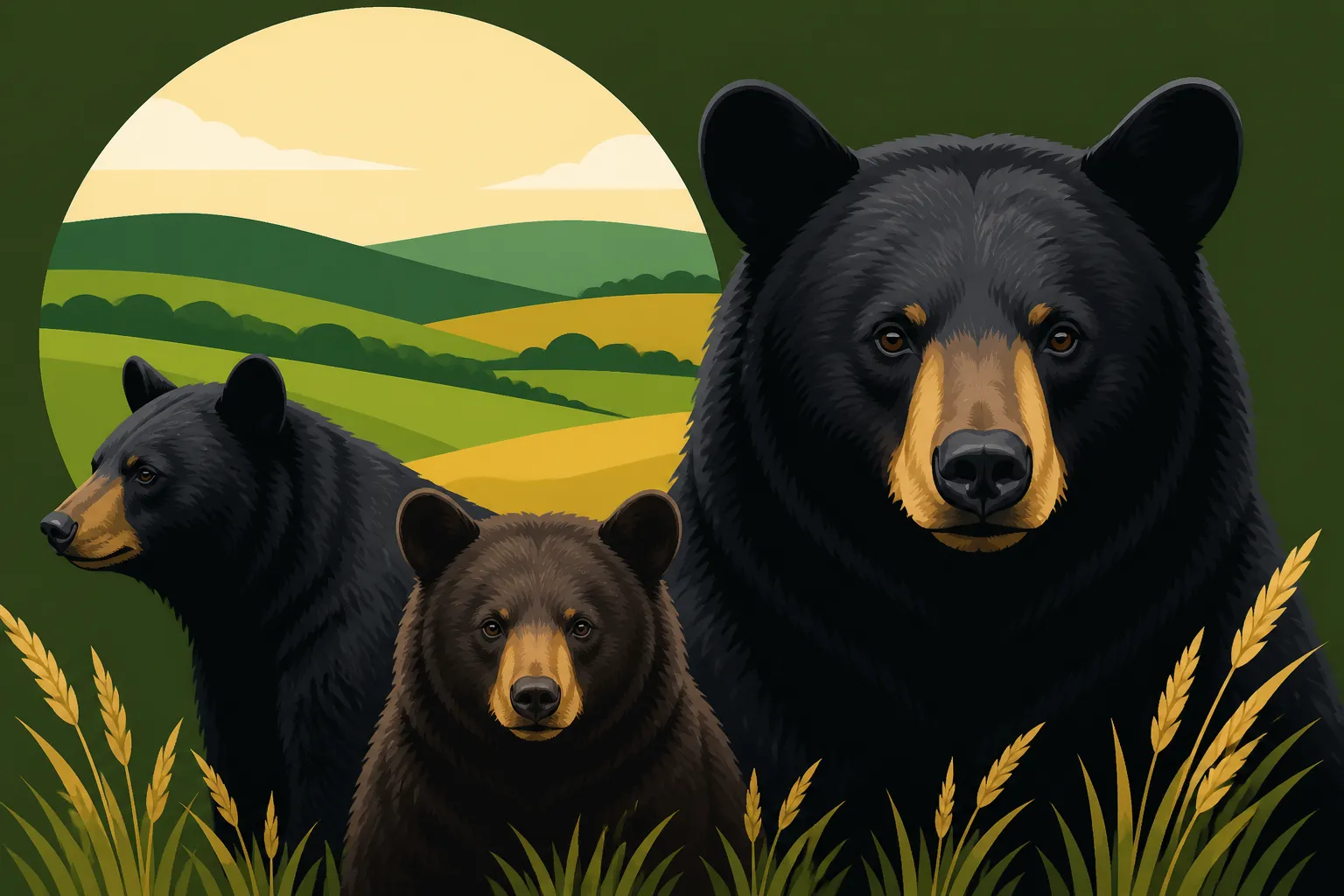
- Chocolate: These bears exhibit a rich, dark brown coat that can sometimes appear almost black in low light, but under the sun, their deep brown hue becomes unmistakable. They're often mistaken for very dark black bears until closer inspection or better lighting reveals their true colour.
- Cinnamon: Perhaps one of the most sought-after colour phases, cinnamon bears have a beautiful reddish-brown coat that genuinely resembles the spice. Their fur can range from a light, almost reddish-blonde to a deeper red, and they often stand out vividly against the green backdrop of the forest.
- Blonde/Light Brown: These bears are on the lighter end of the spectrum, with coats that can range from a very pale, almost straw-like blonde to a soft, sandy brown. They are truly striking and, when seen, make an immediate impression.
While extremely rare, there have even been whispers of "blue" or "glacier" black bears in certain parts of North America, though these are typically found much further west in places like British Columbia and Alaska. For Saskatchewan, your focus will primarily be on the stunning variations of brown, red, and blonde that make our black bear hunting so unique. Each phase is a marvel to behold, adding an extra layer of excitement to any black bear hunt here.
Why Saskatchewan is a Colour Phase Bear Hotbed
It's not by chance that Saskatchewan has a reputation for harbouring a significant number of colour phase black bears. Several factors, deeply rooted in our province's unique geography, habitat, and historical population dynamics, have contributed to this remarkable genetic prevalence.
Habitat, Geography, and Population Isolation
Saskatchewan's vast northern boreal forest and its sprawling forest fringe regions offer an ideal environment for black bears. These areas are characterized by dense stands of spruce and pine, interspersed with aspen bluffs, vast wetlands, and countless lakes and rivers. This diverse habitat provides abundant food sources — berries, nuts, insects, roots, and small mammals — allowing bear populations to thrive.
Crucially, in certain regions of the boreal forest, bear populations can be somewhat isolated. While bears are mobile, natural barriers and the sheer size of the wilderness can lead to localized breeding groups. Over generations, if the recessive gene for non-black coats was present in the founding population or became more prevalent due to specific breeding patterns, it could become more concentrated within these isolated pockets. This phenomenon helps explain why some areas consistently produce more colour phase bears than others. The northern stretches, where human disturbance has historically been less, allowed these genetic traits to persist and propagate more readily.
Historical Factors and Genetic Predisposition
Unlike some areas where hunting pressure might have inadvertently favoured darker bears (perhaps due to better camouflage in certain environments), Saskatchewan's black bear management and hunting practices haven't historically created such selective pressures. This, combined with the natural genetic variations already present in the ancestral bear populations of the region, has allowed the recessive genes responsible for colour phases to maintain a healthy presence.
We often talk about how our landscape contributes to the overall health and size of game animals, and bears are no exception. Areas with rich berry crops and a stable food supply contribute to robust bear populations. When you consider the sheer number of quality bears Saskatchewan produces, it stands to reason that the genetic diversity, including these stunning colour phases, would also be well represented. When you're Hunting Black Bear in Saskatchewan, understanding these dynamics can help you focus your efforts.
Strategies for Hunting Colour Phase Black Bears
The pursuit of a colour phase black bear is a truly special endeavour, adding an extra layer of thrill to an already exciting hunt. While the core strategies for Baiting Black Bear in Saskatchewan or spot-and-stalk remain the same, certain nuances can increase your chances of encountering one of these uniquely coloured animals.
Identifying and Scouting for Colour Phases
The first step in hunting a colour phase bear is being able to recognize one in the field. This might sound obvious, but lighting conditions and distance can play tricks on your eyes. A bear that looks dark chocolate in the shade might reveal cinnamon highlights in direct sunlight. Use good optics and take your time to truly assess the bear's coat colour. Look for tell-tale signs:
- Sunlight: Direct sunlight is your best friend for identifying colours. Observe how the fur reflects light.
- Undercoat: Sometimes the guard hairs are black, but the undercoat or muzzle will show brown or blonde tones.
- Comparison: If you're lucky enough to see two bears together, the contrast will be immediate.
When it comes to scouting, traditional methods are invaluable. Look for fresh tracks, scat, and rub trees. However, modern technology can give you a significant advantage. Tools like GoHunt can be exceptionally useful here. You can use GoHunt's mapping features to identify prime bear habitat, locate potential bait sites away from main roads, and even mark historical sightings of colour phase bears if you have local knowledge or access to past hunt data. Understanding where the highest bear densities are can certainly point you in the right direction, but GoHunt allows you to overlay this with topographical maps to pinpoint secluded pockets that might be genetic strongholds for these unique bears.
Using trail cameras is also crucial. Set them up at bait sites or in areas with heavy bear sign. They provide invaluable intelligence, not just on the size and number of bears, but also on their specific colour phases, giving you a clear picture of what's frequenting your hunting grounds. This pre-season and in-season scouting with tools like GoHunt and trail cameras is paramount for success.
Optimal Hunting Methods and Locations
For many hunters pursuing black bears in Saskatchewan, baiting is the most effective and popular method, especially if you're specifically targeting a colour phase bear.
Baiting:
- Patience is Key: Once you've established an active bait site, be prepared to spend many hours in your blind. Colour phase bears are no more or less cautious than their black counterparts, but patience is always a virtue in bear hunting.
- Visibility: Ensure your bait site offers good visibility and light penetration, helping you accurately assess the bear's colour before making a decision. When Setting a Bear Bait Site in Saskatchewan, consider how sunlight will hit the area throughout the day.
- Multiple Baits: Running multiple bait sites within a good area can increase your odds of encountering a colour phase bear, as it expands your reach.
Spot-and-Stalk:
- While less common for black bears in dense boreal forest, spot-and-stalk can be effective in areas with more open terrain, such as cutlines, pipelines, or along agricultural edges where the forest meets farmland. The spring season, when bears are actively foraging after emerging from hibernation, can be particularly good for this method. Spring Bear Hunting Saskatchewan's Cutlines offers more insight into this approach.
- Areas to focus on:
- Forest Fringe: The transition zones where the boreal forest meets agricultural land are often highly productive, offering both dense cover and abundant food. Hunting the Forest Fringe for Big Bucks provides a glimpse into the richness of these habitats, which bears also frequent.
- Northern Boreal: Deeper in the northern bush, remote areas with less pressure can hold older, larger bears, and potentially a higher concentration of colour phases due to less genetic dilution from other populations. Knowing Where the Highest Bear Densities Are can guide your initial exploration.
- Specific Wildlife Management Zones: While specific zones fluctuate year to year, generally the central and northern WMZs (e.g., 50s, 60s, 70s) are known for their strong bear populations and higher incidence of colour phases. Researching Saskatchewan Black Bear Season Dates for these zones is a must.
Here's a quick overview of expected colour phase distribution in Saskatchewan:
| Colour Phase | Description | General Prevalence (Saskatchewan) | Key Hunting Regions |
|---|---|---|---|
| Black | Classic jet black coat. | Most common (60-70% of population) | Throughout all bear habitats |
| Chocolate | Dark brown, can appear black in poor light. | Moderately common (15-20% of population) | Central and northern forest fringe, boreal forest |
| Cinnamon | Reddish-brown, ranges from light to deep red. | Less common, but significant (5-10% of population) | Northern boreal forest, parts of the forest fringe |
| Blonde/Light Brown | Very pale, straw-like blonde to sandy brown. | Least common of the main phases (1-5% of population) | Primarily in the deeper boreal regions, isolated pockets |
(Note: These percentages are estimates and can vary significantly by specific region and year.)
When considering your hunt, remember that Timing a Saskatchewan Spring Bear Hunt is crucial. Bears are emerging hungry, focusing on new green growth and carrion, making them active. Later in the season, during the fall hunt, they are focused on hyperphagia (intense feeding) before hibernation. Both seasons offer unique opportunities.
Dispelling Myths and Embracing Ethical Hunting
With something as captivating as a colour phase bear, myths and misconceptions often arise. It's important for hunters to rely on facts and maintain the highest ethical standards when pursuing these magnificent animals.
Separating Myth from Reality
One common misconception is that colour phase bears are somehow "rarer" or behave differently than black bears. While aesthetically unique, a chocolate or cinnamon bear is fundamentally a black bear. They follow the same dietary patterns, exhibit the same behaviours, and occupy the same habitats. Their rarity is purely statistical due to the genetics, not because they are elusive or magical in their habits. Hunters often find themselves in awe of their beauty, which might lead to exaggerated tales, but it's important to remember they're just bears with a different coat.
Another myth is that they grow larger or taste different. Again, there's no scientific basis for this. A bear's size is determined by its age, genetics, and food availability, not its coat colour. Similarly, meat quality is influenced by diet and how well the animal is handled after the kill, not its outward appearance. Focusing on the overall health and age of the bear, regardless of colour, is always the best approach. Knowing What Bears Eat in a Boreal Spring can help you understand how diet influences size and fat content.
Respecting the Resource and Ethical Considerations
Hunting any animal comes with a profound responsibility, and colour phase bears are no exception. Proper bear identification is paramount. It’s not just about distinguishing a cinnamon bear from a black bear; it's about distinguishing a mature boar from a sow, especially a sow with cubs. Identifying a bear's sex can be challenging in the field, and takes practice. Pay attention to body shape, head size, ear placement, and behaviour. A sow with cubs will almost always have cubs nearby, even if not immediately visible. Never shoot a bear if you are unsure of its sex or if it might be a sow with cubs. Resources like Judging a Boar From a Sow With Cubs are vital reading before your hunt.
Beyond the shot, ethical hunting extends to quick, clean kills and proper meat care. Saskatchewan's cool temperatures, especially during the fall season, assist in cooling, but swift field dressing and transport to cold storage are critical to preserve the meat.
Finally, always adhere to all provincial hunting regulations, including bag limits and season dates for your specific Wildlife Management Zone. Acquiring the necessary Saskatchewan Hunting Licences and What They Cost is your first and most important step. Our colour phase bears are a treasure, and ensuring their healthy populations for future generations is every hunter's responsibility.
Disclaimer
Please remember that hunting regulations and conditions can change. Always consult the most current Saskatchewan Hunter's and Trapper's Guide and relevant government websites before planning any hunt to ensure you are up-to-date on all rules and requirements. This guide is for informational purposes only and does not replace official regulatory documents.