Hunting Saskatchewan’s Pronghorn Draw
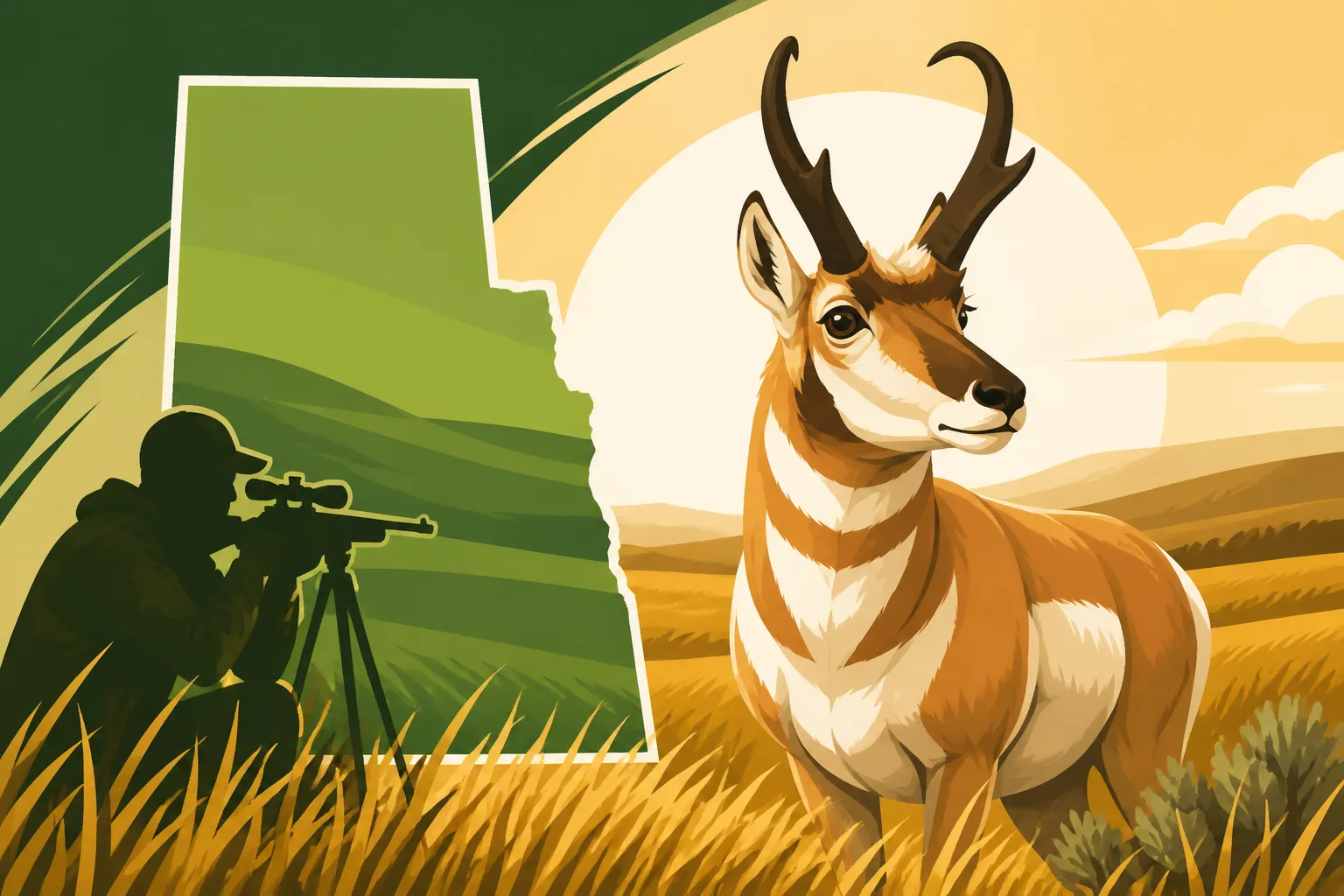
For many Saskatchewan hunters, the dream of chasing a prairie speedster like the pronghorn feels just out of reach, often locked behind the formidable hurdle of the provincial draw system. It's a uniquely frustrating experience, applying year after year, sometimes watching your priority pool grow while the coveted tag remains elusive. This comprehensive guide aims to demystify Saskatchewan's pronghorn draw, equip you with the knowledge to navigate the application process, and prepare you for the exhilarating, fast-paced hunt should your number finally come up.
Understanding Saskatchewan's Pronghorn Draw System
The Saskatchewan Ministry of Environment manages pronghorn hunting through a controlled draw system, largely due to the species' specific habitat requirements, population fluctuations, and the desire to provide sustainable hunting opportunities. Unlike over-the-counter deer tags available to residents, a pronghorn licence is a prized commodity, and securing one requires patience and a good understanding of the draw mechanics.
The Big Game Draw and Priority Pools
Saskatchewan's big game draw is a points-based system designed to give applicants increasing odds over time. Every year you apply for a specific draw and are unsuccessful, you accumulate a priority point for that species. This system aims to prevent a few lucky individuals from drawing year after year while others never get a chance. For pronghorn, this is particularly critical because the number of available tags is often quite limited, making high priority essential in many zones.
When you apply, your current priority pool number is considered. The higher your priority, the better your chance, especially for highly sought-after species like pronghorn. It's a common lament among hunters that it can take many years, sometimes a decade or more, to build enough priority to draw a pronghorn tag in a desirable zone. Don't be discouraged; consistency is key. Understanding How Saskatchewan's Priority Pools Work is crucial for anyone hoping to draw a tag for a limited species.
Application Deadlines and Zone Selection
The application period for Saskatchewan's big game draw typically opens in the spring, usually around May, with a deadline in late May or early June. It's vital to mark these dates on your calendar, as missing the deadline means losing a year of accumulated priority. You'll need an active HAL (Hunter and Angler Licence) account to apply, which is also where you manage your Saskatchewan Resident Licence Options.
When applying for pronghorn, you'll select a specific Wildlife Management Zone (WMZ). Pronghorn are primarily found in the southwestern and south-central regions of Saskatchewan. Researching these zones is paramount. Some zones might have more tags, higher success rates, or simply better habitat for pronghorn. Tools like GoHunt or the provincial WMZ maps can be invaluable resources for scouting and understanding specific zone boundaries and habitat quality. Knowing Which Saskatchewan Zones Draw Fastest for Mule Deer can give you a hint at overall draw pressure in some of these southwestern zones, though pronghorn draw odds are often even tighter.
| Pronghorn Draw Key Information | Details |
|---|---|
| Species | Pronghorn (Antilocapra americana) |
| Licence Type | Controlled Draw Tag (Antlered Pronghorn) |
| Application Period | Typically May 1st to May 25th (check current year's dates on the Ministry of Environment website) |
| Requirements | Active HAL account, valid Wildlife Habitat Certificate. |
| Draw System | Priority Pool system; unsuccessful applicants gain a point for that species in that year. |
| Key Zones | Primarily WMZs in southwestern and south-central Saskatchewan, including areas like the Cypress Hills, Great Sand Hills, and Missouri Coteau. |
| Odds | Highly variable by zone and year; generally low for new applicants, improving significantly with higher priority. Check Saskatchewan Pronghorn Draw Odds for historical data. |
| Season Dates | Generally late September through early October, varying slightly by zone and year. |
The Allure of Saskatchewan Pronghorn
Pronghorn, often mistakenly called antelope, are truly unique North American big game animals. They're built for speed, boasting incredible eyesight and a preference for open, expansive grasslands. Hunting them in Saskatchewan offers a distinct challenge, far removed from the thick bush hunting typically associated with whitetails or moose.
Saskatchewan's Unique Pronghorn Habitat
Saskatchewan's southwestern prairie provides ideal habitat for pronghorn. This region is characterized by vast, unbroken native grasslands, interspersed with agricultural fields, coulees, and the occasional dry creek bed. Areas like the Missouri Coteau and the Great Sand Hills are iconic for their rolling terrain and incredible vistas, where you can literally see for miles. These wide-open spaces are precisely what pronghorn thrive in, allowing them to utilize their exceptional vision and speed to evade predators.
However, this habitat is also changing. Agricultural encroachment, varying moisture levels, and the impacts of severe winters can affect pronghorn populations. Understanding Saskatchewan's Pronghorn Herd and Winter Kill is important for appreciating the challenges these animals face and why tags are limited. The health of the herd directly influences draw allocations year to year.
The Thrill of the Chase in Open Country
Hunting pronghorn is an exercise in patience, long-range glassing, and strategic stalking. There's nothing quite like cresting a slight rise and spotting a herd of pronghorn a mile away, their distinctive white patches flashing in the sun. The challenge then becomes closing that distance in their open world, often under the relentless prairie sun or against a stiff wind. You're not looking for dense cover or trails; you're reading the subtle contours of the land, using every ripple and cut as concealment.
The sheer speed of these animals means that a successful stalk is a testament to skill and careful planning. One wrong move, a flash of movement against the sky, or a misplaced step can send them rocketing across the prairie at speeds up to 90 km/h (55 mph), often disappearing over the horizon in minutes. It's a hunt that demands precision, resilience, and an appreciation for the vastness of the prairie.
Key Strategies for Pronghorn Hunting
Drawing a pronghorn tag is only the first step. The real work begins when you hit the prairie. Success hinges on a combination of effective scouting, masterful glassing techniques, and disciplined stalking.
Scouting and Permission in Pronghorn Country
Given the open nature of pronghorn habitat, pre-season scouting is invaluable. This isn't just about finding animals; it's about understanding the land. Look for natural travel corridors, water sources like dugouts or dams, and areas that provide slight elevation for glassing. Satellite imagery and mapping apps are fantastic tools for identifying terrain features that might offer a stalking advantage or reveal potential bedding areas. GoHunt, for example, often has excellent mapping overlays that can help you decipher the nuances of a WMZ.
Crucially, much of Saskatchewan's prime pronghorn country is private land. Securing permission to hunt before the season opens is not just good etiquette; it's often the difference between a successful hunt and a frustrating one. Farmers and ranchers are often busy during harvest season, so reaching out early, politely, and with respect is vital. Always be prepared to identify yourself and explain your intentions clearly. Remember, Saskatchewan Landowner Permission Law requires you to have permission to hunt on private land, whether posted or not.
Masterful Glassing Techniques
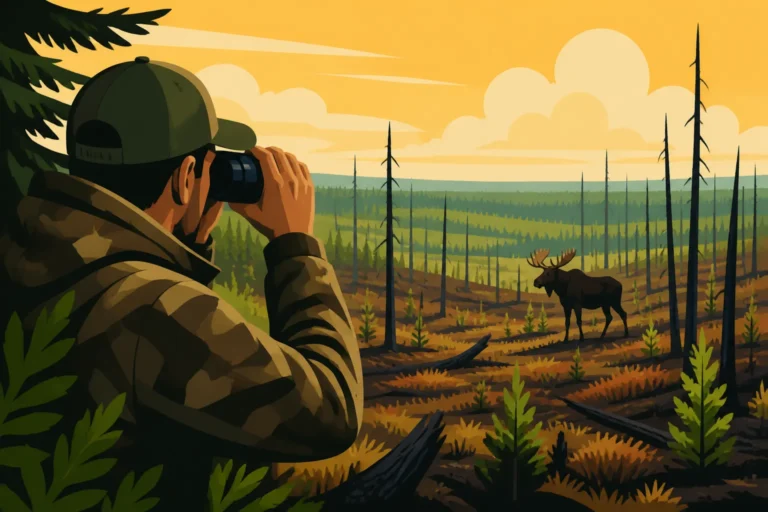
Pronghorn hunting is a glassing game. Forget still-hunting through the bush; here, you'll spend hours behind optics, systematically dissecting the landscape. High-quality binoculars (10×42 or 12×50) and a spotting scope (20-60x or higher) mounted on a sturdy tripod are essential. Don't skimp on glass; it's your primary hunting tool.
Set up on high points that offer expansive views. Take your time, scanning slowly and deliberately. Pronghorn often blend surprisingly well into the prairie backdrop, especially when bedded down. Look for subtle movements, a flash of white, or the distinct shape of their bodies. Learn to differentiate a fence post from a pronghorn at extreme distances. Patience is paramount; a good glasser can locate animals that others drive right past. Once you've spotted a buck, careful evaluation of its size and potential before committing to a stalk is crucial, especially when judging a pronghorn buck at distance.
The Art of the Prairie Stalk
Once a buck is located, the real chess match begins. Pronghorn have incredible eyesight, often equated to an 8x binocular equivalent, and they are incredibly skittish. A successful stalk requires meticulous planning and execution.
- Use the Terrain: Every ditch, coulee, rise, and even a patch of taller grass becomes your friend. Stay low, move slowly, and never silhouette yourself against the sky. Crawling on your belly might be necessary for the last few hundred yards.
- Mind the Wind: Pronghorn have an excellent sense of smell. Always approach from downwind. The prairie wind can be fickle, so constantly monitor it.
- Patience and Persistence: A stalk might take hours, covering significant distance. Be prepared to wait out animals, observing their movements and habits. They might bed down, offering an opportunity to close the distance.
- Shot Placement: Due to the open terrain, shots can often be long. Practice shooting from various positions, including prone, and be confident in your ethical range. A rangefinder is non-negotiable.
Remember, pronghorn are constantly on alert. They will test your resolve and your stalking abilities like few other animals. Hunting them Near a Prairie Water Hole or using a Stalking Pronghorn Across Open Ground strategy can be effective, but always demands extreme stealth.
Gear and Preparation for a Pronghorn Hunt
Successfully hunting pronghorn demands specific gear and a mindset geared for the open, often challenging, prairie environment. Your equipment choices can significantly impact your comfort and success.
Rifles, Optics, and Ammunition
Given the typical long-range shooting scenarios, a flat-shooting rifle chambered in a cartridge known for its accuracy and velocity is ideal. Popular choices include .270 Win, 6.5 Creedmoor, .30-06, .300 Win Mag, or 7mm Rem Mag. Ensure your rifle is zeroed and you're proficient with it out to 300-400 yards, or whatever your personal ethical maximum range is. Practice shooting from a prone position, using bipods or backpacks for support, as this will likely be your primary shooting stance.
As mentioned, high-quality optics are non-negotiable. Invest in excellent binoculars and a spotting scope. A reliable laser rangefinder that can accurately read distances out to 1,000+ yards is also crucial. For ammunition, choose high-quality hunting bullets designed for accuracy and reliable expansion on thin-skinned game. Ballistic calculators can help you understand bullet drop and wind drift at various ranges, which is vital on the prairie.
Essential Clothing and Field Gear
The prairie weather can be notoriously unpredictable. Early fall hunts can feature scorching sun, sudden thunderstorms, or even an early snow. Dress in layers to adapt to changing conditions. Lightweight, breathable, and quick-drying clothing is essential, especially if you'll be doing a lot of walking or crawling. Blaze orange requirements apply during rifle season, so ensure you have enough visible coverage. Saskatchewan Blaze Orange Rules specify minimum amounts for safety.
Beyond clothing, a comfortable, well-fitting backpack is a must for carrying water, snacks, extra layers, and your spotting scope. Don't forget sunscreen, a wide-brimmed hat, sunglasses, and good quality hiking boots that can handle rough terrain. A GPS device or a mapping app on your phone with downloaded maps is critical for navigation, especially when Reading a Saskatchewan WMZ Map Before You Go and to avoid inadvertently trespassing.
Physical Fitness and Mental Toughness
While pronghorn hunting doesn't typically involve scaling mountains, it does demand a good level of physical fitness. You'll likely walk many miles each day, often carrying your gear, and might spend considerable time crawling through stubble fields or rough terrain. Being able to hike comfortably for several hours and hold steady for a long shot after a strenuous stalk can make all the difference.
Mentally, pronghorn hunting requires immense patience and resilience. Stalks will fail. Animals will get spooked. The wind will shift. Temperatures will fluctuate wildly. Staying positive, adapting to conditions, and maintaining focus are crucial. The ability to push through frustration and keep searching for that next opportunity is a hallmark of a successful pronghorn hunter.
Post-Hunt Considerations
Once you've successfully harvested a pronghorn, the work isn't over. Proper care of your animal and adherence to provincial regulations are key.
Field Dressing and Meat Care
Pronghorn meat is lean and delicious, but it can spoil quickly if not handled properly. Due to their thin hide and the often warm early season temperatures, rapid cooling is essential. Field dress your animal immediately, removing all entrails to allow the carcass to cool down as quickly as possible. Skinning the animal in the field can also aid in cooling, especially on warm days.
Once dressed and quartered, get the meat into a cooler with ice as soon as possible. Transporting game meat in Saskatchewan requires adherence to specific rules, particularly regarding evidence of sex requirements and ensuring meat is kept clean. Consult the provincial hunting guide for detailed regulations on Transporting Game Meat in Saskatchewan.
Tagging and Reporting Requirements
After harvesting, you must immediately validate your tag, precisely as instructed on the licence. This typically involves cutting or marking the date and other relevant information. The tag must remain attached to the animal as required during transport.
The Saskatchewan Ministry of Environment also requires hunters to report their harvest. This is usually done through your HAL account online. Reporting your harvest accurately helps the Ministry manage wildlife populations and make informed decisions about future draw allocations. Even if unsuccessful, you may be required to report "no harvest." Always check the current year's hunting guide for specific reporting deadlines and methods.
Disclaimer
Always consult the official Saskatchewan Hunters' and Trappers' Guide for the most current and accurate regulations before planning or undertaking any hunting activity. This guide is for informational purposes only and does not supersede provincial laws or regulations.