Upland Bird Hunting in Saskatchewan
For those of us who feel the magnetic pull of Saskatchewan's diverse landscapes, the thought of upland bird hunting often conjures images of endless fields and thrilling flushes. But let's be honest, figuring out where to start, which birds to target, and how to navigate the specific challenges of each species can feel pretty overwhelming. This comprehensive guide is designed to cut through that confusion, offering practical, on-the-ground advice for chasing sharp-tailed grouse, Hungarian partridge, ruffed grouse, and more across Saskatchewan's incredible uplands.
Understanding Saskatchewan's Upland Birds
Saskatchewan is a true gem for upland bird hunters, offering a fantastic variety of species that thrive in its different ecological zones. From the vast open prairies to the dense boreal forests, each bird presents its own unique challenge and reward. It’s not just about what you’re hunting, but where and how you’re hunting them that makes all the difference.
Sharp-Tailed Grouse: The Prairie Icon
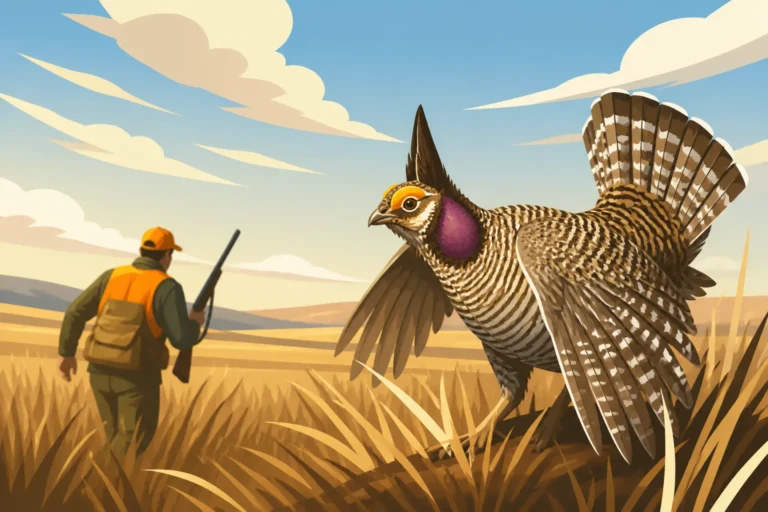
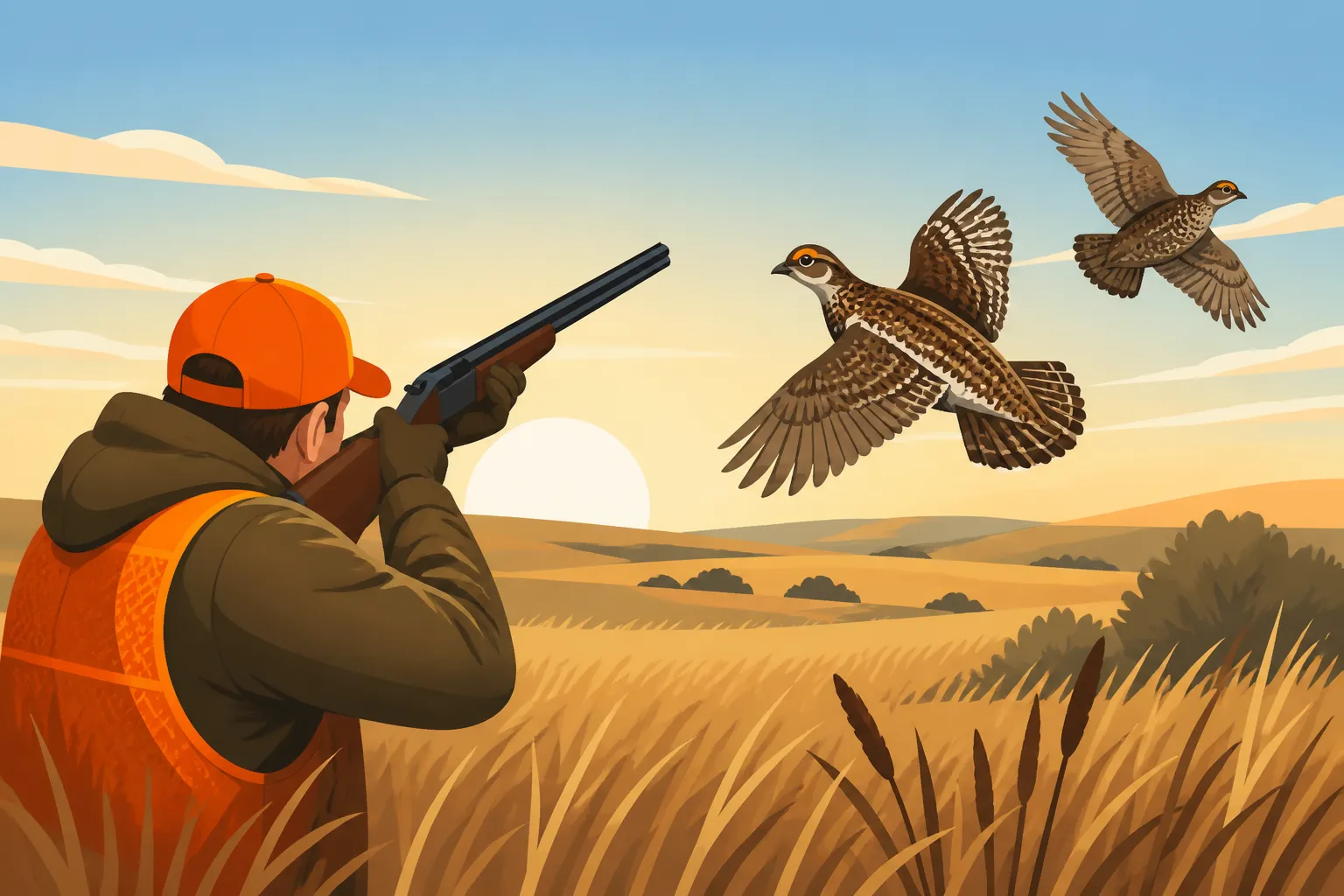
Ah, the sharp-tailed grouse – for many, this is the quintessential prairie bird. These magnificent birds are often found in large coveys, offering fast, exhilarating wing shooting. They prefer open grasslands, especially those with good cover like native prairie, hayfields, and the edges of stubble fields. You’ll frequently find them loafing in heavier cover during the mid-day heat, like a dense patch of buckbrush or a slough edge, moving to feed in grain fields during the morning and evening. The frustration with sharpies often comes from their tendency to hold tight, then explode into the air with startling speed, making for a challenging shot. They can also run surprisingly far ahead of a walking hunter or dog, disappearing into what seems like sparse cover. Their flight is strong and direct, but they often don’t fly far, allowing for multiple flushes from the same covey if you play it smart. Understanding their daily patterns and preferred escape routes is key to success.
Hungarian Partridge: The Wily Coveys
Hungarian partridge, or "Huns" as we affectionately call them, are another incredible target in Saskatchewan. These small, agile birds are typically found in coveys ranging from a handful to twenty or more, often sticking close to agricultural lands. They love field edges, shelterbelts, stubble fields, and areas with mixed grass and brush. The real challenge with Huns is their incredible wariness. They're notorious for flushing well out of range, often with a distinctive cackle that warns all their brethren. You might walk for what feels like miles without seeing a thing, only for an entire covey to erupt from a ditch you just passed. This wariness is why a good dog can be invaluable, helping to pin them down and provide a better shot opportunity. Their flight pattern is a rapid, whirring burst, often low to the ground, before they dip and weave, making for a tough target. When you do connect, the reward is a beautiful bird and delicious table fare. They are masters of using topography to their advantage, often flushing over a rise or into a field of standing crop to gain distance and cover.
Ruffed Grouse: The Forest Drummer
Venturing into the aspen parkland and boreal forest fringe, you’ll encounter the ruffed grouse. These "partridge" (as they are locally known) are a completely different beast from their prairie cousins. They inhabit deciduous and mixed-wood forests, thriving in areas with aspen, willow, and poplar, especially where there's a good understory for cover and food. Hunting ruffed grouse is often a more solitary pursuit, relying on keen observation and an understanding of forest ecology. You'll hear them drumming in the spring, but in the fall, they can be elusive, blending seamlessly into the dappled light of the forest floor. The frustration here comes from their unpredictable flushes – sometimes they hold tight, allowing a close shot, and other times they burst forth like a cannonball, often putting a tree between you and them the moment you raise your gun. Their flight is short and explosive, weaving through the timber. They are often found along old logging roads, hiking trails, or the edges of dense bush. Ruffed Grouse Hunting Saskatchewan's Bush Trails provides some fantastic insights into finding these tricky birds.
Spruce Grouse: The Northern Wanderer
While less commonly targeted than the "big three," the spruce grouse offers a unique northern hunting experience. As their name suggests, these birds are found predominantly in the dense, coniferous forests of Saskatchewan's boreal region, where black spruce and jack pine dominate. Unlike their ruffed cousins, spruce grouse are famously (or infamously) "tame." They often hold incredibly tight, sometimes allowing you to walk right up to them before they decide to flush, if they flush at all. This lack of wariness means they can be easier to bag, but it also makes the hunt a different kind of challenge. You're not so much testing your shooting skill as you are your ability to locate them in their dense habitat. They often prefer to walk or run away rather than fly, making them a "fool hen" to some, but a beautiful and unique bird nonetheless. Their plumage provides excellent camouflage, making them incredibly difficult to spot even when they're right in front of you.
Prime Habitats for Upland Birds in Saskatchewan
Understanding where each species thrives is paramount to a successful upland hunt. Saskatchewan's vastness means distinct ecological zones, and knowing these will save you countless hours of unproductive walking. It’s not just about having a map, it’s about interpreting the landscape for bird sign.
Prairie Grasslands and Farmland Edges
This is the quintessential domain of the sharp-tailed grouse and Hungarian partridge. The southern and central parts of Saskatchewan, characterized by immense agricultural fields interspersed with native grasslands, coulees, and shelterbelts, are prime territory. Sharpies especially love native prairie pastures, hayfields that haven't been cut recently, and the edges where these meet cultivated land. They use the taller grass and brush for cover and nesting, moving into stubble fields of wheat, barley, or lentils to feed. The challenge here is the sheer scale. A good strategy involves targeting areas where different habitat types converge: a grass field meeting a stubble field, a brushy coulee snaking through open land, or a shelterbelt providing refuge from the wind. GoHunt, for example, can be an invaluable tool for identifying these transition zones on public lands or gaining insights into private land features that might hold birds, allowing you to scout effectively. Walking Up Sharp-Tailed Grouse in Saskatchewan Grassland details specific tactics for these areas. Hungarian partridge, on the other hand, are almost exclusively tied to cultivated lands. Look for them along fence lines, road ditches, shelterbelts, and particularly in stubble fields, especially those with a bit of weed growth for added cover. They often use old farmyards and abandoned buildings as roosting spots. The key is to cover ground methodically, often walking parallel to cover lines, as Huns will often run ahead before flushing.
Aspen Parkland and Forest Fringe
Moving north from the open prairies, you enter the aspen parkland and then the forest fringe – a mosaic of trembling aspen bluffs, willow thickets, small lakes, and cultivated fields. This transition zone is perhaps the most diverse for upland birds, offering habitat for sharp-tailed grouse, Hungarian partridge, and ruffed grouse. Sharpies here will utilize the larger grass openings, hayfields, and edges of farm fields, much like on the prairie, but they will also seek refuge in aspen bluffs. Huns will stick to the field edges and shelterbelts. However, this is where the ruffed grouse truly begin to dominate. Look for them within the aspen bluffs, along the edges of willow runs, and particularly on old logging roads, trails, or seismic lines that cut through the bush. The mix of aspen, balsam poplar, and spruce creates ideal cover and food sources. This zone requires a different approach, often involving slower, more deliberate walking, pausing frequently to listen and scan for movement. The "fringe" aspect means birds can be found right on the edge of agricultural fields, making scouting for transition areas even more critical. Hunting the Forest Fringe for Big Bucks provides context for this habitat, though focused on deer, the principles of understanding cover and movement apply equally to birds.
Boreal Forest and Northern Bush
Further north still lies the vast expanse of Saskatchewan's boreal forest. Here, the landscape shifts dramatically to dense stands of black spruce, jack pine, tamarack, and balsam fir, interspersed with bogs, muskeg, and numerous lakes and rivers. This is the primary domain of the ruffed grouse and the spruce grouse, and where you might even encounter ptarmigan in the far north. Hunting here is a truly wild experience, demanding good navigation skills and a willingness to explore. Ruffed grouse will be found in areas with mixed deciduous and coniferous growth, often along creek bottoms, old logging trails, and clearings where new growth provides ample forage. Spruce grouse are more particular, favoring dense, mature spruce and pine stands, often in areas that feel remote and untouched. Hunting the boreal forest often involves covering long distances on foot, sometimes along overgrown trails or cutlines. While the birds might be less wary, finding them can be a significant challenge. Patience and a keen eye for subtle habitat changes are your best allies. For ptarmigan, you're looking at the very northern reaches, above the tree line, which is a niche hunt requiring specialized logistics.
Essential Gear for Upland Bird Hunters
Just like any other outdoor pursuit, having the right gear can make or break your upland bird hunting experience in Saskatchewan. It’s not about having the most expensive stuff, but about having reliable, appropriate equipment that stands up to the demands of the varied terrain and weather.
Shotguns and Ammunition Choices
For upland birds, a lightweight, fast-swinging shotgun is generally preferred. Most hunters opt for a 12-gauge or 20-gauge, with some preferring a 28-gauge for its even lighter weight. The choice often comes down to personal preference and recoil sensitivity. A double-barrel (side-by-side or over-under) allows for quick follow-up shots and different chokes for varying shot distances, but pump-actions and semi-autos are also popular. When selecting a choke, consider where you'll be hunting. In thick bush for ruffed grouse, an Improved Cylinder or even Skeet choke might be ideal for close, fast shots. For sharp-tailed grouse and Huns in more open country, Modified or even Full chokes might be preferred for those longer flushing birds.
Ammunition choice is equally important. Lead shot is still legal for upland birds in Saskatchewan, unlike migratory birds. For sharp-tailed grouse and Hungarian partridge, #6 or #7.5 shot is common, offering a good balance of pattern density and pellet energy for these medium-sized birds. For ruffed and spruce grouse, smaller #7.5 or even #8 shot is often sufficient, as they tend to be closer targets and less robust. Always carry enough shells for your hunt, and consider bringing a mix of shot sizes if you're targeting multiple species in varied terrain. Make sure your shotgun is cleaned and patterned before the season to ensure it's performing optimally. Nothing is more frustrating than a missed bird due to equipment failure or unfamiliarity.
Appropriate Clothing and Footwear
Saskatchewan weather can be notoriously unpredictable, especially during the fall hunting season. Layering is absolutely critical. Start with a moisture-wicking base layer, add insulating layers like fleece or wool, and top it with a durable, briar-resistant outer shell. Blaze orange is mandatory in Saskatchewan for big game hunting, but it's always a smart choice for upland hunting too, even if not strictly required, for safety. A good upland vest or bird strap is invaluable for carrying shells, water, and your birds.
Footwear is arguably the most crucial piece of clothing. You'll be covering a lot of ground, often in uneven terrain, through dew-soaked grass, muddy ditches, or even light snow. Waterproof, comfortable, and supportive boots are a must. Look for boots with good ankle support to prevent twists and turns. Break them in well before the season starts – new boots on a long hunt are a recipe for blisters and misery. Consider gaiters to keep burrs, seeds, and moisture out of your boots, especially when walking through dense grasslands. The right clothing and footwear will ensure you stay comfortable, dry, and focused on the hunt, not on your aching feet or shivering body.
Navigational Tools and Dog Gear
In Saskatchewan's vast landscapes, reliable navigation is non-negotiable. A GPS device or a smartphone app like GoHunt, loaded with satellite imagery and land ownership maps (especially useful for Reading Saskatchewan Crown Land Layers on onX), is essential. These tools help you stay found, track your progress, mark bird flushes, and ensure you're always aware of property boundaries. A compass and paper map are excellent backups. Don't rely solely on technology; batteries die, signals drop.
If you're hunting with a dog, their gear is just as important as your own. A good e-collar for control and safety, a durable vest to protect them from burrs and sharp stubble, and plenty of water for hydration are absolute musts. A dog first-aid kit, including paw balm, bandages, and antiseptic spray, is also highly recommended. Dogs put in incredible effort on an upland hunt, and their well-being directly impacts your success and their safety. Always ensure your dog is conditioned for the hunt and regularly checked for ticks and injuries.
Effective Hunting Techniques for Each Species
Different birds, different terrains, different approaches. Upland bird hunting in Saskatchewan demands adaptability. What works for a covey of Huns in a stubble field won't be as effective for a ruffed grouse in a dense aspen bluff.
Walking Up and Flushing
This is the bread and butter for many sharp-tailed grouse and Hungarian partridge hunters, especially those without dogs. It's a physically demanding but incredibly rewarding method. The key is to walk methodically through prime habitat, covering ground thoroughly and always being ready for a flush. For sharpies, focus on edges where cover meets feed, or along the sides of brushy coulees and creek beds. Walk into the wind when possible, as this helps carry your scent away from the birds and can make them hold tighter. Vary your pace, sometimes stopping for a minute or two; this often unnerves hiding birds and prompts them to flush. When a covey flushes, try to mark where they land. Often, they won't fly too far, especially if they are mature birds, allowing for a second or even third flush. This is where patience and observation pay off.
For Hungarian partridge, focus on the linear cover: fence lines, road ditches, shelterbelts, and field edges. Walk these lines, paying close attention to any undulations or thicker patches of weeds. Huns love to run, so walk at a brisk, steady pace to try and get ahead of them. When they flush, they often do so as a tight covey, offering a challenging but exciting shot opportunity. Don't be discouraged if they flush wild; try to angle your walk to cut off their escape route or push them towards a boundary where they might hold. Hunting Hungarian Partridge on Saskatchewan Farms provides further detail on this specific approach.
Working Dogs and Pointing Breeds
For many, upland hunting simply isn't complete without a good bird dog. Dogs, especially pointing breeds like English Setters, German Shorthaired Pointers, or Brittany Spaniels, can dramatically increase your success rate and enjoyment. A well-trained dog covers far more ground than a human, uses its superior scenting ability to locate birds that would otherwise be missed, and holds them on point, giving the hunter time to get into position for a shot. For sharp-tailed grouse and Huns on the prairie, a wide-ranging dog can cover acres quickly, finding coveys in the vastness. For ruffed grouse in the bush, a closer-working dog that stays within shotgun range is essential, helping to pinpoint birds in thick cover without busting them prematurely.
The partnership with a dog is truly special. The dog works the cover, locks up on point, and the hunter moves in for the flush. After the shot, a good retriever ensures every downed bird is found, preventing lost game. Even flushing dogs like Springer Spaniels or Labrador Retrievers can be highly effective, pushing birds out of thick cover. Remember, training and conditioning your dog are year-round efforts, crucial for both their safety and your success. Ensure your dog is wearing a bell or a GPS collar to help you keep track of them in dense cover or over long distances, which is particularly vital for Using a Pointing Dog on Saskatchewan Prairie or Using a Flushing Dog in Thick Cover.
Bush Busting and Road Hunting
Hunting ruffed grouse in the bush often involves a technique colloquially known as "bush busting." This is a slower, more deliberate method, requiring hunters to work their way through dense undergrowth, focusing on areas like alder thickets, willow bottoms, and edges of conifer stands. The goal is to physically push birds out of their hiding spots. Walk slowly, pause frequently, and listen for the characteristic drumming sound or the rustle of leaves. Ruffed grouse are masters of camouflage, and often won't flush until you're almost on top of them.
Road hunting, or more accurately, hunting along old logging roads, cutlines, and trails, is another popular and effective method for ruffed and spruce grouse in the forest fringe and boreal forest. These linear features provide easier walking and often concentrate birds that feed on berries, buds, and insects found along the edges. Drive slowly, with caution, and be ready to stop and get out of the vehicle quickly if you spot a bird. Never shoot from a vehicle or across a road (check local regulations for specifics). Instead, pull over safely, load your gun, and walk the edges of the road or delve into the bush from the road. This technique is productive, but requires constant vigilance and adherence to safety rules regarding shooting and vehicles.
Navigating Seasons, Limits, and Regulations
Saskatchewan’s hunting regulations can seem like a dense forest in themselves. But understanding the rules is non-negotiable. Proper licensing, adherence to season dates, bag limits, and land access laws are the foundations of ethical and legal hunting.
Key Season Dates and Bag Limits
Upland bird seasons in Saskatchewan typically open in early September and run well into December, offering ample opportunity. However, dates and bag limits vary by species and Wildlife Management Zone (WMZ). For example, sharp-tailed grouse and Hungarian partridge seasons often open around September 1st and run until mid-December, with daily bag limits usually around 6-8 birds and possession limits of 12-16. Ruffed grouse and spruce grouse seasons might open slightly later but extend deeper into December, with similar bag limits. It’s absolutely critical to consult the most current Saskatchewan Hunters' and Trappers' Guide annually. Regulations can change, and ignorance is no excuse. Always double-check the specific WMZ you plan to hunt, as dates and limits can sometimes differ regionally. This information is usually detailed under Saskatchewan Upland Bird Seasons. Being aware of these dates well in advance helps you plan your trips and avoid disappointment.
Licensing and Hunter Education Requirements
Before you even step foot in a field, you need the right paperwork. All hunters in Saskatchewan, residents and non-residents alike, must possess a valid hunting license. For upland birds, this typically involves purchasing a Resident Game Bird Licence (if you're a Saskatchewan resident) or a Non-Resident Game Bird Licence. You'll also need a Wildlife Habitat Certificate. These can be purchased online through the Saskatchewan HAL Account and Licensing system, which is a fairly straightforward process but requires setting up an account if you don't already have one.
Hunter education is another cornerstone. Anyone born on or after January 1, 1971, must successfully complete the Saskatchewan Hunter Education Course (or an equivalent recognized in another jurisdiction) before being eligible to purchase a hunting licence. This ensures all hunters possess a basic understanding of firearm safety, wildlife identification, conservation ethics, and regulations. It’s not just a hoop to jump through; it instills vital knowledge for safe and responsible hunting.
Land Access and Permission
This is often the most frustrating part of hunting in Saskatchewan. A significant portion of the productive upland habitat is on private land. While some Crown land is available, especially in the north and in designated FWDF (Fish and Wildlife Development Fund) lands, much of the prime prairie and parkland for sharpies and Huns is privately owned. You are legally required to obtain permission from the landowner before hunting on private land. This is not a suggestion; it's the law. Saskatchewan Landowner Permission Law makes this very clear.
The best approach is to knock on doors, well in advance of the season if possible. Be polite, respectful, and offer to share your harvest. Have a map ready to show them exactly where you want to hunt. Some landowners are happy to grant access, while others may decline. Always respect their decision. Posted land signs clearly indicate areas where permission is required or hunting is prohibited. Don't assume anything. For Crown land, especially FWDF properties, these are generally open to public hunting, but always confirm regulations for specific parcels, as some might have restrictions. Using mapping applications like GoHunt can help you identify land ownership, which is a crucial first step in seeking permission. Hunting Saskatchewan's Crown Land Access delves deeper into navigating public lands.
Optimizing Your Hunt: Scouting and Strategy
Upland bird hunting isn't just about walking and shooting; it's a chess match against wild birds that are masters of their environment. Smart scouting and a flexible strategy are what turn a hopeful outing into a successful one.
Pre-Season Scouting and Satellite Imagery
The most successful upland hunters start long before opening day. Pre-season scouting is invaluable. This means driving or walking potential areas in late summer, looking for habitat signs, water sources, and actual bird sightings. Where are the birds congregating? What fields are being harvested, creating new feeding opportunities? Which shelterbelts or coulees offer the best cover?
Satellite imagery, available through platforms like GoHunt, is a game-changer for this. From the comfort of your home, you can pore over aerial maps, identifying promising habitat features: dense bluffs, drainage ditches, old farmsteads, areas of mixed grass and stubble, and the crucial transition zones where different habitat types meet. Mark these potential hot spots on your digital map. Look for changes in vegetation, water bodies, and areas that offer both food and cover. This digital scouting can narrow down vast areas into manageable sections to explore on foot. For example, knowing Reading Saskatchewan Crown Land Layers on onX will allow you to pinpoint public access areas that align with your pre-scouted habitat. Pay attention to how the land has been farmed – standing crops versus harvested fields, or pastureland versus tilled ground. These factors dramatically influence bird distribution.
In-Season Adjustments and Reading Sign
No matter how well you scout, conditions on the ground will change. Harvest schedules, weather patterns, and hunting pressure all influence where birds will be. Being able to make in-season adjustments is critical. If your initial spot isn't producing, don't keep pounding a dead area. Look for fresh sign: tracks in the dust, dusting bowls (shallow depressions where birds dust themselves), droppings, and feathers.
Listen intently. The cackle of a flushing Hun or the explosion of a sharpie covey is an unmistakable sound that tells you you're in the right zone. Watch how birds react to pressure. Do they fly far or re-covey quickly? This dictates how you approach a second flush. Are they running ahead of your dog? You might need to adjust your pace or approach angle. Pay attention to weather changes; birds often behave differently on cold, windy days versus warm, calm ones. Be flexible, adapt your tactics, and learn from every encounter, successful or not. Every bird you see, even if you don't get a shot, provides valuable information.
The Importance of Weather and Time of Day
Weather conditions significantly impact upland bird behavior. On warm, calm days, birds might be spread out and feed actively, but they might also seek denser cover during the midday heat. On windy days, birds often hug tight to natural windbreaks like coulees, shelterbelts, or heavy brush, making them harder to find but potentially holding tighter. Cold snaps, especially with fresh snow, can concentrate birds around reliable food sources. Hunting Saskatchewan Winter Weather Safely emphasizes the importance of understanding these conditions, not just for bird behavior but for your own safety.
The time of day is another crucial factor. Upland birds are most active during the first few hours after sunrise and the last few hours before sunset. This is when they move from roosting areas to feeding grounds. Early morning and late afternoon are often the most productive times to hunt. Midday can be slower, but birds might still be found loafing in dense cover, making it a good time to work thick draws or bluffs where they seek refuge. Planning your day to maximize these prime windows can greatly improve your chances.
Bird Handling, Care, and Culinary Delights
The hunt doesn't end when the bird hits the ground. Proper handling and care of your harvest are essential for both hygiene and ensuring delicious table fare. Respecting the animal includes making the most of its meat.
Field Dressing and Storage in the Field
As soon as possible after harvesting an upland bird, it's a good practice to field dress it. This involves removing the entrails to allow the carcass to cool down quickly, which is vital for meat quality, especially on warmer days. Carry a sharp knife and gloves for this purpose. You can either gut them fully or simply remove the crop and intestines. Many hunters prefer to breast out smaller birds like Huns and ruffed grouse, taking only the breast meat, while often plucking and taking the whole bird for larger sharp-tailed grouse.
Once field dressed, get the birds into a game bag or vest that allows for air circulation. Avoid piling them in a plastic bag where heat can build up and spoil the meat. On warm days, even a small cooler with ice packs in the vehicle can be a game changer for transporting your birds from the field back to camp or home. Protecting the meat from dirt, leaves, and direct sunlight is also important. The goal is to cool the meat rapidly and keep it clean.
Processing and Freezing for Later
Once you're back home or at camp, the real processing begins. You have a few options: plucking the entire bird or breasting it out. Plucking provides a whole bird, which can be great for roasting, but it's time-consuming. Breasting out is faster and simpler, yielding boneless breast meat. For birds like sharp-tailed grouse and Huns, which often have a bit more fat, plucking is often preferred for more versatile cooking. For ruffed and spruce grouse, many hunters simply breast them out.
After processing, thoroughly clean the meat under cold water and pat it dry. Then, it's crucial to package it properly for freezing. Vacuum sealers are excellent for this, as they remove air, preventing freezer burn and preserving quality for longer periods. If you don't have a vacuum sealer, wrap the meat tightly in plastic wrap, then butcher paper or freezer bags, expelling as much air as possible. Label packages with the date and contents. Properly frozen upland bird meat can last 6-12 months, ready for delicious meals throughout the year.
Recipes and Enjoying Your Harvest
Now for the best part – enjoying the fruits of your labor! Upland birds are lean, flavorful, and incredibly versatile in the kitchen.
Sharp-tailed grouse meat is often described as dark and rich, similar to wild duck but milder. They are excellent roasted whole, grilled, or pan-fried. A classic preparation involves wrapping the breasts in bacon to add moisture and fat, then pan-searing. They also make fantastic additions to stews or pot pies.
Hungarian partridge are small and delicate, with a milder, lighter flavor. They are superb roasted, pan-seared, or even used in a stir-fry. Because of their size, they cook quickly. Many people enjoy Huns split open and grilled briefly, or simply pan-fried with herbs and butter.
Ruffed grouse offer tender, white meat with a mild, slightly woodsy flavor. They are often compared to chicken or pheasant. They excel in any recipe where you'd use chicken – pan-fried, roasted, or even deep-fried. The legs and thighs, though smaller, are also delicious, especially if slow-cooked or braised to tenderize.
Spruce grouse also have white, mild meat, though some describe it as having a slight piney flavor, especially if they've been feeding heavily on spruce buds. This flavor is usually not overpowering and they are excellent roasted or pan-fried.
Don't be afraid to experiment! Whether it's a simple pan-fry with salt and pepper, or a more elaborate recipe featuring wild mushrooms and cream, the effort you put into hunting these birds is always rewarded with a fantastic meal. Sharing your harvest with friends and family is an integral part of the hunting experience and a wonderful way to honor the animal.
Disclaimer
Hunting is an activity with inherent risks. This guide provides general information for upland bird hunting in Saskatchewan. Regulations, safety procedures, and best practices can change. Always consult the official Saskatchewan Hunters' and Trappers' Guide, provincial wildlife authorities, and local land managers for the most current and accurate information before planning or engaging in any hunting activity. Ensure you have the proper licenses, education, and landowner permissions. Prioritize safety, ethical conduct, and respect for wildlife and the environment at all times.