What a Guide Does When Someone Gets Hurt
When you're out in the vast and beautiful Saskatchewan wilderness, chasing whitetails or calling moose, the last thing anyone wants to think about is an accident. But the reality is, mishaps can happen, whether it's a sprained ankle miles from the truck, a sudden medical emergency, or something more serious. That's precisely why having a competent, prepared guide is so incredibly important. This guide will walk you through exactly what a hunting guide in Saskatchewan is expected to do when a hunter or member of the party gets hurt, providing peace of mind and clarity on their critical responsibilities.
The Guide's Immediate Response: Assessing and Stabilizing
When an injury occurs in the field, a guide's first moments are the most crucial. It's a high-stress situation, and their ability to remain calm and act decisively can make all the difference. This isn't just about knowing basic first aid; it's about having the presence of mind to manage the scene, ensure no further harm, and begin the process of getting help.
Scene Assessment and Safety First
Before even approaching the injured person, a good guide will quickly assess the immediate surroundings to ensure no further danger. Did the injury happen because of a falling tree, an unstable bank, or a wildlife encounter? Are there any immediate threats like an agitated animal, dangerous terrain, or an unsafe firearm? Their priority is to secure the area, making sure the situation doesn't worsen for the injured person, themselves, or anyone else in the hunting party. This might mean making a firearm safe, moving away from a precarious edge, or even just calling out to the injured individual from a safe distance before closing in.
Once the scene is deemed safe, the guide will then focus on the injured individual. They'll quickly gauge the severity of the injury, looking for obvious signs of bleeding, broken bones, or altered consciousness. This initial assessment helps them prioritize their actions. Is it a minor cut, a severe laceration, or something that could be life-threatening like a head injury or severe allergic reaction? Understanding the situation is the first step towards an effective response, whether you're deep in the Hunting Saskatchewan's Boreal North or stalking across Hunting Saskatchewan's Southern Prairie.
Providing Emergency First Aid
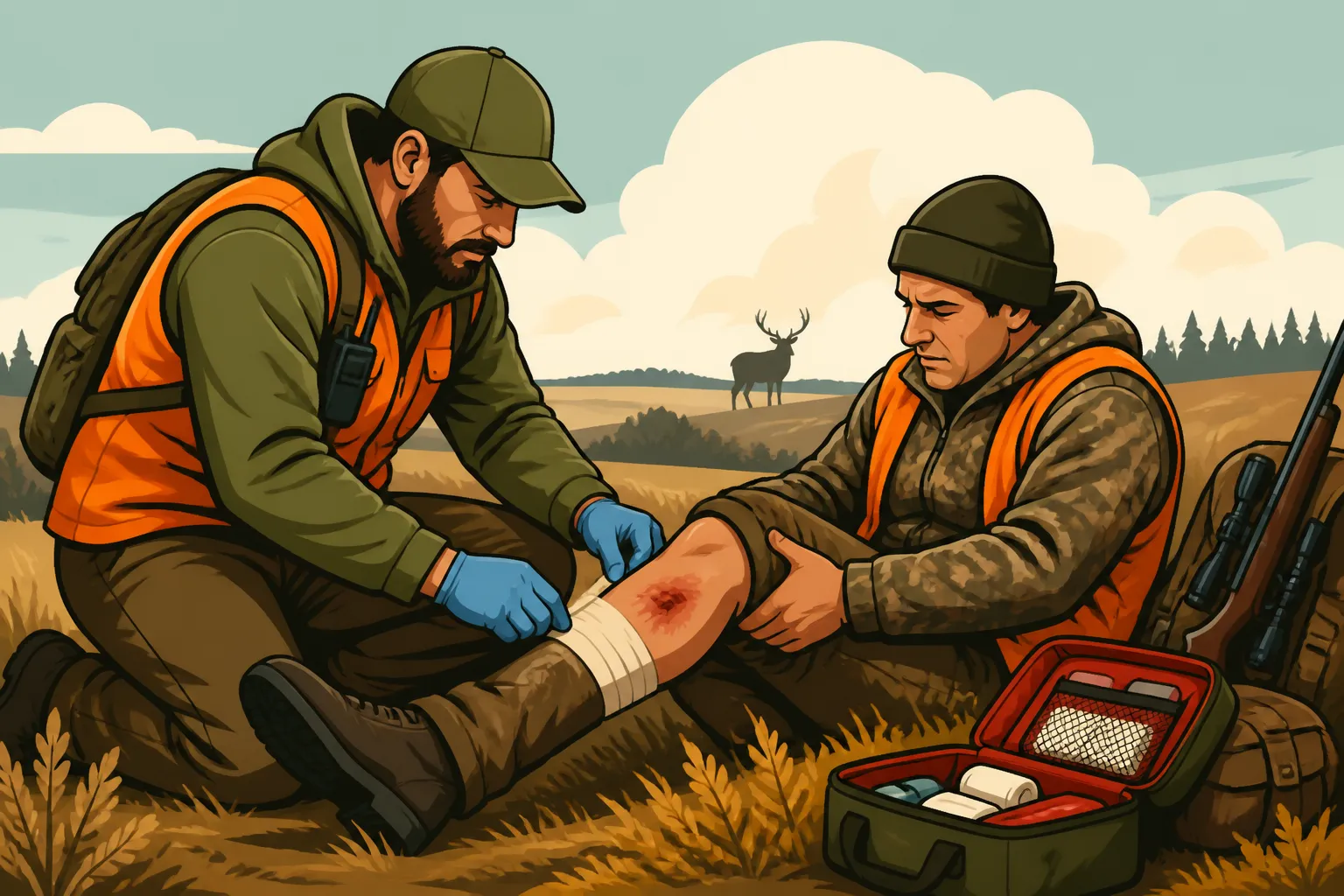
A professional Saskatchewan hunting guide will always carry a well-stocked first-aid kit and, critically, possess up-to-date wilderness first-aid training. This isn't just a suggestion; it's a fundamental expectation for anyone leading clients into remote areas. Their training enables them to apply pressure to wounds, splint fractures, manage shock, and administer basic medications if appropriate and within their scope of practice. They are not doctors, but they are trained to stabilize the situation until professional medical help arrives.
Imagine you're deep in the bush on a Moose Hunting Saskatchewan's Farmland and Forest trip, and someone takes a nasty fall, suspecting a broken leg. The guide would immediately control the scene, talk to the injured person, and then methodically apply what they know. They would assess the leg, immobilize it as best they can with materials at hand (perhaps a sturdy branch and some tape from their kit), and make the injured person as comfortable as possible. This initial care helps prevent the injury from getting worse and often reduces pain, making the wait for further assistance more tolerable. The quality of this immediate first aid can significantly impact recovery and outcome.
Activating the Emergency Plan: Communication and Evacuation
Once immediate first aid is rendered, the guide's next critical step is to activate their emergency plan. This involves communicating the situation to the outside world and coordinating the appropriate response, which can range from a simple pick-up to a full-blown search and rescue operation.
Establishing Communication and Location
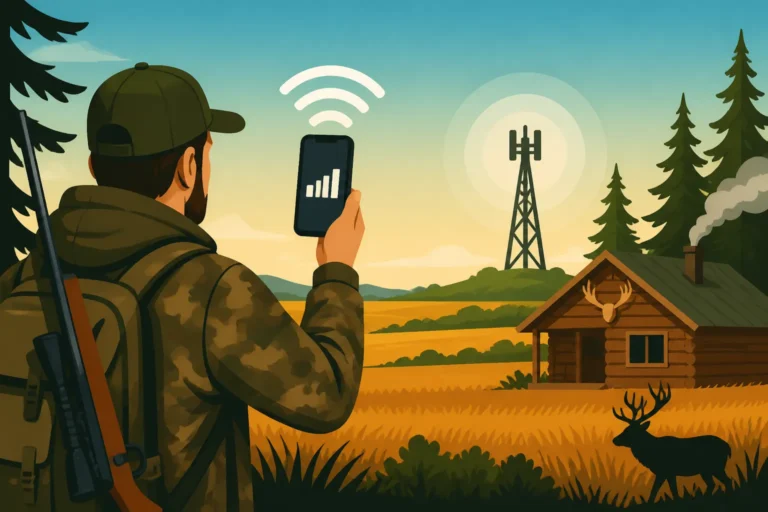
In remote Saskatchewan, reliable communication can be a huge challenge. A prepared guide will have multiple means of communication at their disposal. This often includes a satellite phone or a satellite messenger device (like an inReach or Spot device) that can send SOS signals and messages even when cell service is non-existent. Before the hunt even begins, a good outfitter will have discussed their Emergency Plans in Saskatchewan's Bush with you.
The guide's ability to accurately relay their location is paramount. GPS coordinates, descriptions of landmarks, and even map references are vital. They'll contact their designated emergency contact – often the outfitter's base camp, a family member, or a dedicated emergency service – and clearly describe:
- Who is injured (name, age, known medical conditions).
- What happened (nature of the injury, mechanism, severity).
- Where they are (precise GPS coordinates, nearest road access, landmarks).
- When the incident occurred.
- What immediate actions have been taken.
- What resources are needed (e.g., ambulance, air evacuation, additional first aid supplies).
This clear, concise communication, even under duress, ensures that the right resources are dispatched to the right place as quickly as possible. Many outfitters, particularly those found through platforms like BookYourHunt, will emphasize their safety protocols and communication capabilities as a selling point, and it's something you should always ask about.
Coordinating Search and Rescue (SAR) or Medical Evacuation
Depending on the severity of the injury and the remoteness of the location, the guide will coordinate with emergency services for either a ground-based search and rescue team or a medical evacuation (medevac) by helicopter. In some cases, a local vehicle, like a quad or a snowmobile, might be able to reach the location, but for serious injuries in difficult terrain, professional SAR or air ambulance services are often necessary.
The guide becomes the primary point of contact for these services on the ground. They'll follow instructions, prepare the injured person for transport, and clear any necessary landing zones if a helicopter is involved. This involves knowing how to mark a safe landing zone, understanding helicopter approach and departure procedures, and generally ensuring the safety of the rescue personnel. It’s a complex logistical challenge that competent guides are trained to handle. You want a guide who has thought through how to extract someone from Hunting a Boreal Muskeg Edge or a frozen lake.
| Action | Immediate Steps | Communication Steps | Evacuation Considerations |
|---|---|---|---|
| Assess & Secure | Ensure scene safety, prevent further injury. | Quick evaluation of injury severity. | Keep injured person still and comfortable. |
| First Aid | Apply pressure, splint, manage shock, stabilize. | Gather personal info (meds, allergies). | Prepare injured for potential movement if necessary. |
| Communicate | Use satellite device/cell, contact emergency person. | Relay precise location, injury details, needs. | Confirm resources dispatched, estimated arrival time. |
| Coordinate SAR/Medevac | Follow instructions from emergency services. | Maintain open communication line. | Prepare extraction point (e.g., clear helicopter landing zone). |
| Support & Monitor | Reassure injured, monitor vital signs. | Update emergency contacts regularly. | Assist rescue team with transfer. |
Legal and Ethical Obligations: Duty of Care and Reporting
A guide's role extends beyond practical first aid and logistics; they also have significant legal and ethical responsibilities towards their clients. This "duty of care" is a cornerstone of professional guiding, ensuring that client safety is always prioritized.
Duty of Care and Professional Standards
In Saskatchewan, a licensed guide or outfitter has a legal and ethical duty to take reasonable steps to ensure the safety and well-being of their clients. This means they are expected to:
- Be prepared: Carry appropriate safety gear, first-aid kits, and communication devices.
- Be trained: Possess up-to-date wilderness first aid and safety certifications.
- Exercise good judgment: Make informed decisions about weather, terrain, and activity levels to minimize risk.
- Act responsibly: Respond competently and diligently in an emergency.
This duty of care is why it's so important for clients to do their homework when choosing an outfitter. Reputable outfitters and guides, often found through services like BookYourHunt or GoHunt, will proudly display their certifications and demonstrate their commitment to safety. You should always ask about their safety protocols, emergency plans, and what kind of training their guides have. Don't be shy about asking questions like "What an Outfitter Needs From You Beforehand" or about their Saskatchewan Guide Insurance and Liability coverage. A professional guide will welcome these questions, as it shows you're a responsible hunter too.
If a guide fails to uphold this duty, and that negligence leads to an injury, they could face legal repercussions. This doesn't mean guides are expected to prevent all accidents, but they are expected to act with reasonable care and competence. For example, if a guide knowingly leads a hunter into extremely dangerous terrain without proper equipment or warning, and an injury results, their duty of care may have been breached. Conversely, if a hunter disregards a guide's safety instructions and gets hurt, the guide's liability may be reduced.
Reporting Incidents and Follow-Up
After an incident, especially one involving a serious injury or a call to emergency services, the guide and outfitter have a responsibility to report the event to the relevant authorities. This might include provincial wildlife officials, their licensing body, or law enforcement, depending on the nature and severity of the incident. This reporting is essential for maintaining accountability, reviewing safety protocols, and ensuring compliance with regulations.
Beyond official reports, a good guide will also conduct an internal debriefing with their team and the hunting party (once appropriate) to understand what happened, what went well, and what could be improved. This reflective practice is crucial for continuous improvement in safety and service. They'll want to ensure that if an incident occurs, the lessons learned are applied to future hunts to prevent similar occurrences. This level of professionalism is what distinguishes top-tier outfitters from the rest, giving you confidence when planning your Saskatchewan Hunting Licences and What They Cost and preparing for your trip.
After the Incident: Support and Review
Once the immediate crisis has passed and the injured party is safely in professional medical care, the guide and outfitter’s responsibilities don't necessarily end there. There's an ongoing need for support and a thorough review process to ensure lessons are learned and procedures are refined.
Supporting the Client and Their Family
A compassionate guide and outfitter will continue to offer support to the injured client and their family, as appropriate. This might involve helping with logistics like transportation from the hospital, retrieving personal belongings from the hunt camp, or assisting with communication to family members back home. While not a legal obligation, this level of care demonstrates true professionalism and genuine concern.
For example, if a hunter from out of province is injured on a Whitetail Hunting in Saskatchewan trip and needs extended medical care, the outfitter might assist their family in finding local accommodation or coordinating travel arrangements. They understand that a hunting trip is often a significant investment, both financially and emotionally, and a serious injury can be devastating. This kind of follow-up can make a huge difference in the overall experience and perception of the outfitter, even under difficult circumstances. You can learn a lot about an outfitter by reading reviews on sites like BookYourHunt, especially if they touch upon how incidents were handled, and consider asking Questions to Ask Before Booking that address these scenarios.
Post-Incident Review and Prevention
Every incident, no matter how minor, presents an opportunity for learning. A professional outfitter will conduct a detailed post-incident review. This review typically involves:
- Analyzing the circumstances: What led to the injury? Was it preventable?
- Evaluating the response: How effective was the guide's immediate first aid and emergency communication?
- Identifying systemic issues: Were there any equipment failures, training gaps, or procedural shortcomings?
- Implementing changes: What specific actions can be taken to prevent similar incidents in the future? This might involve updating safety briefings, upgrading first-aid kits, or providing additional training to guides on topics like Wildlife Safety in Saskatchewan Bear Country or how to manage challenging terrain.
This commitment to continuous improvement is a hallmark of a responsible hunting operation. It shows that they prioritize client safety not just in theory, but through ongoing practical application and adaptation. When you're looking to How to Vet a Saskatchewan Outfitter, ask them about their safety record and their post-incident protocols. While no one wants to dwell on the negative, a candid and transparent discussion about safety shows a deep commitment to their clients' well-being. This proactive approach helps protect future hunters and upholds the reputation of responsible hunting in Saskatchewan.
Disclaimer
This article is for general informational purposes only and does not constitute professional advice. Laws, prices and regulations vary by location and change over time. Consult a qualified professional for guidance on your specific situation.