Hunting a Boreal Muskeg Edge
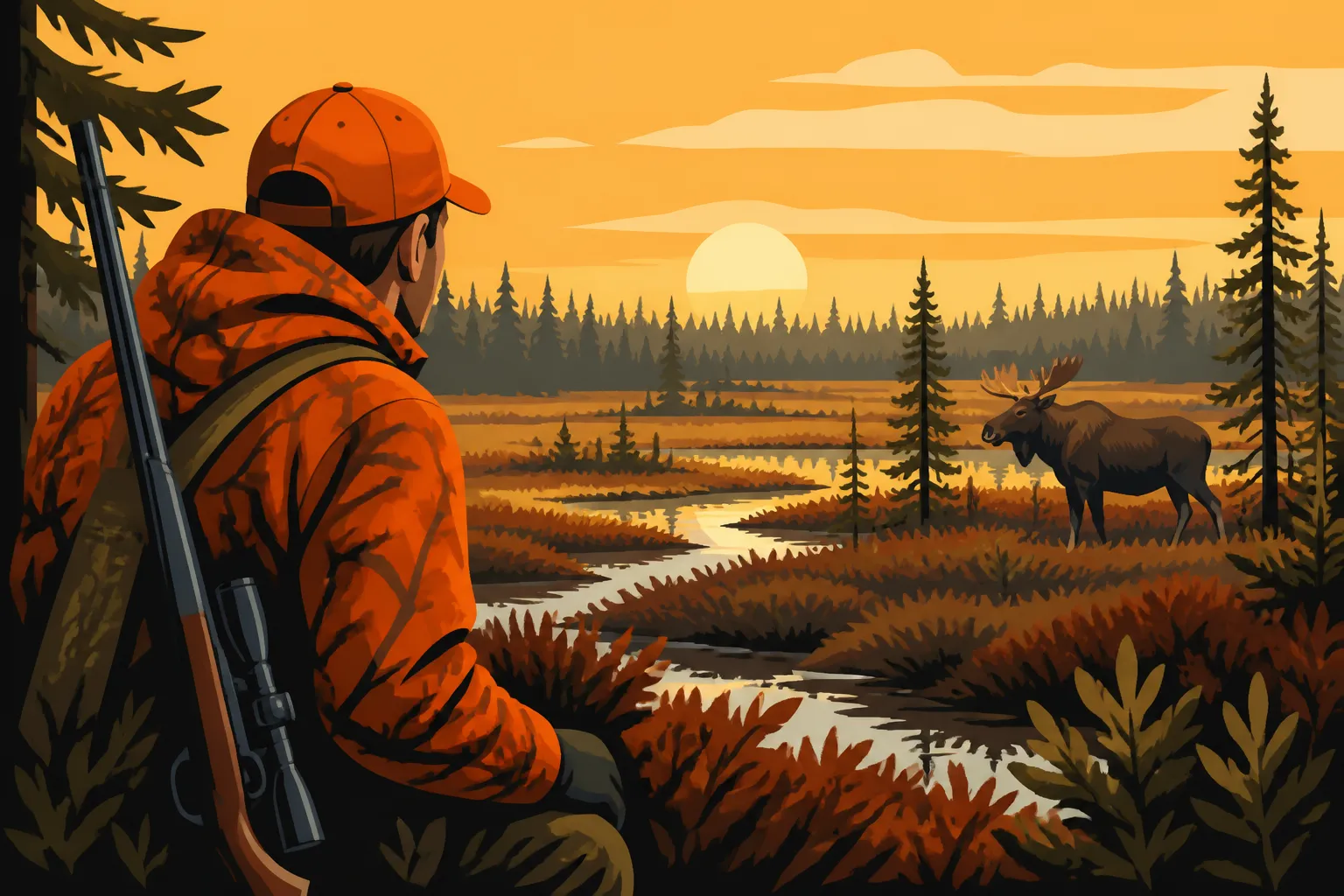
Hunting a boreal muskeg edge in Saskatchewan can feel like stepping into another world – a world often overlooked by hunters, yet teeming with potential. It's easy to dismiss these wet, spongy expanses as impenetrable, frustrating terrain, but if you understand their unique appeal to big game, they can become some of the most productive hunting grounds you'll ever encounter. This guide will walk you through exactly why these challenging edges are worth your effort, what to look for, and how to successfully navigate and hunt them for a truly rewarding experience.
Understanding the Boreal Muskeg Edge Environment
Saskatchewan's boreal forest is a vast, wild place, and within it lies the often-misunderstood muskeg. Many hunters see it as a boggy, mosquito-infested obstacle rather than a prime habitat, and that's completely fair. It is tough to traverse. But the key isn't to hunt in the heart of the muskeg, but rather its edge. This transition zone is where the magic happens for game animals.
A muskeg is essentially a type of peatland, characterized by acidic soil, stunted trees like black spruce and tamarack, and a thick, spongy carpet of sphagnum moss. It holds a tremendous amount of water, making it extremely difficult, if not impossible, to walk through without sinking. Think of it as nature's giant, soggy sponge. The "edge" then, is where this wet, low-lying environment meets higher, drier ground – usually a poplar or spruce ridge, an old cutline, or even agricultural land transitioning into the forest. These edges aren't always sharp lines; they can be gradual, featuring fingers of dry ground extending into the wet, or small, higher "islands" of trees within the muskeg itself. These subtle shifts in elevation and moisture are critical for wildlife movement and feeding. The boreal forest fringe, where many of these muskegs are found, provides an incredible diversity of habitat.
Why Muskeg Edges Attract Game Animals
Despite their challenging nature, muskeg edges are natural magnets for a variety of game species, offering a unique combination of security, food, and cover that's hard to find elsewhere. Animals are smart; they use these tough spots to their advantage.
First and foremost, the dense, often impenetrable cover of a muskeg provides incredible security. For animals like whitetail deer, especially older bucks, it’s a sanctuary where they can bed down and feel safe from human intrusion. Hunters rarely venture deep into these areas, so the deer know they can often escape pressure by simply slipping into the quagmire. The edge then becomes their primary access point, a place they’ll enter and exit, particularly during low-light hours. You’ll find them using the firmest ground possible along these transitions, often creating distinct trails.
Beyond security, muskeg edges offer a surprisingly rich larder. While the heart of a muskeg might seem barren, its margins and the slight elevation changes often support specific browse. Willows, alders, and various sedges thrive in these damp conditions, providing vital food sources for moose. Cranberries and other low-lying berry bushes can also be prolific, attracting black bears in the late summer and fall. These edges also provide consistent access to water, and the varied plant life supports a rich insect population, which in turn feeds grouse and other birds. You might even find Ruffed Grouse Hunting Saskatchewan's Bush Trails leading right up to these edges.
Finally, thermal cover is a huge draw, especially when Hunting Saskatchewan Winter Weather Safely. The thick growth along the muskeg edge, even if it's stunted spruce, helps break the wind and can hold snow differently than open forest. This microclimate offers a more comfortable bedding area during harsh Saskatchewan winters. Moose in particular are masters of using these areas, as their long legs allow them to navigate the softer ground with relative ease, giving them an advantage over predators – and most hunters. If you're considering Moose Hunting Saskatchewan's Farmland and Forest, understanding these habitats is crucial.
Strategies for Hunting a Muskeg Edge Effectively
Successfully hunting a boreal muskeg edge requires a blend of meticulous scouting, careful planning, and a good dose of patience. It's not a place for a hurried hunt; you need to embrace the slow pace this environment demands.
Your scouting phase should begin long before you set foot in the bush. High-quality satellite imagery is your best friend here. Services like GoHunt are invaluable for identifying muskegs and, more importantly, finding their edges, fingers of dry land, and isolated islands of timber within them. Look for distinct changes in vegetation patterns – where the darker green of dense spruce or poplar meets the lighter, often yellowish-green or reddish-brown of muskeg. Pay close attention to subtle elevation changes that suggest firmer ground. Look for old seismic lines, cutlines, or logging roads that skirt or pass through these areas; these often act as travel corridors or access points. A good digital mapping application, such as the GoHunt app, will allow you to mark potential travel routes and stand locations. Learning Scouting With Satellite Imagery in Saskatchewan can make all the difference.
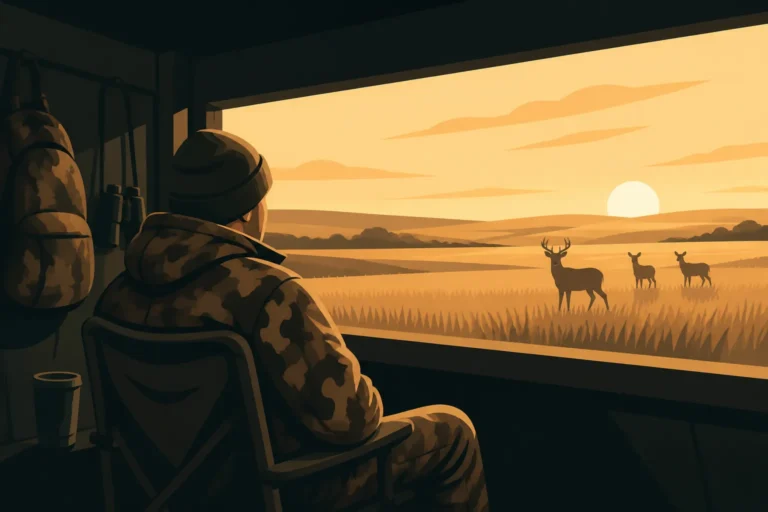
When you're boots-on-the-ground, your approach needs to be slow and deliberate. Still-hunting along the drier side of the muskeg edge is often the most effective tactic. The wet, spongy ground of the muskeg itself can help mask your footsteps, creating a natural sound buffer, but you must be acutely aware of the wind. A swirling wind near these topographical features can quickly give you away. Always play the wind, circling to approach from downwind, even if it means taking a much longer route. Look for distinct game trails where animals are entering or exiting the deeper cover. These will often be well-worn paths leading from a bedding area in the muskeg to a feeding area on higher ground, or vice-versa. Setting a treestand or ground blind overlooking one of these pinch points, where a dry finger of land extends into the muskeg, or where the edge narrows, can be highly effective.
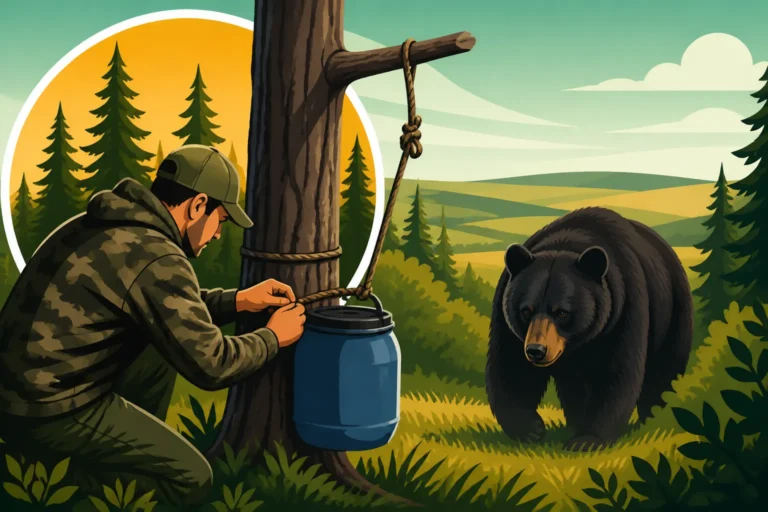
Calling can also be incredibly potent, especially for moose. The dense cover and sound-dampening qualities of the muskeg mean that calls don't travel as far, but they can be incredibly enticing to an animal looking for company within its secure habitat. For moose, cow calls and grunts can bring a bull out of the thick cover along the edge. Consider rattling for deer in these dense areas as well; the sound can carry just enough to pique a buck's curiosity if he's bedded nearby. If you are comfortable Calling a Bull Moose in the Rut, these edges provide excellent ambush points. For black bears, baiting can be effective along these edges during spring and fall seasons, as bears often use the secure cover for travel to and from bait sites.
Here's a quick reference for species and their muskeg edge preferences:
| Species | Primary Use of Muskeg Edge | Key Behaviors to Look For | Best Hunting Tactics |
|---|---|---|---|
| Moose | Browse, Travel, Security | Well-worn trails, chewed willows/alders, large tracks | Still-hunting, calling, stand hunting |
| Whitetail Deer | Bedding, Escape Cover, Travel Corridors | Rubs, scrapes, fresh tracks, distinct entry/exit trails | Stand hunting, still-hunting, rattling/grunting |
| Black Bear | Foraging (berries), Denning, Travel | Scat, claw marks on trees, overturned rocks, fresh tracks | Still-hunting, spot-and-stalk, baiting |
| Ruffed Grouse | Foraging, Roosting | Droppings, dusting areas, drumming logs near edge, fresh tracks | Still-hunting, walking edges with a dog |
Essential Gear and Safety for Muskeg Edge Hunting
Venturing into muskeg country demands specific gear and an unwavering commitment to safety. The terrain is unforgiving, and conditions can change rapidly. Don't underestimate the challenges; preparation is key to a successful and safe hunt.
First, your footwear is paramount. Forget your everyday hiking boots. You'll need sturdy, knee-high rubber boots, or even chest waders if you plan on pushing into particularly wet areas. Brands like Muck Boots or Lacrosse Alpha Burly Pro are popular for a reason – they offer the waterproof protection and traction needed to navigate the slippery, uneven terrain. Beneath those boots, good wool socks are essential, even if they get damp, to help prevent blisters and maintain warmth.
Clothing should be layered, quiet, and capable of shedding moisture. Synthetic materials or wool are superior to cotton, which absorbs moisture and loses its insulating properties when wet. Blaze orange is a non-negotiable safety item, particularly during rifle seasons. Be prepared for insects, especially mosquitoes and black flies, which can be relentless in muskeg environments from spring through fall. A good head net and plenty of insect repellent are necessities.
Navigation is another critical component. Getting disoriented in dense boreal forest, especially near featureless muskegs, is surprisingly easy. While a traditional compass and map are vital backups, a reliable GPS unit or a smartphone with a robust hunting app like GoHunt, pre-loaded with satellite imagery and your intended route, is invaluable. Make sure your devices are fully charged and consider carrying a portable power bank. Always tell someone your hunting plan, including your intended area and return time. Reviewing Reading a Saskatchewan WMZ Map Before You Go can save you a lot of grief.
For safety, a comprehensive survival kit is non-negotiable. This should include a first-aid kit, fire-starting materials (waterproof matches, lighter, fire starter), a whistle, emergency shelter (tarp or space blanket), a headlamp with extra batteries, and enough food and water for at least 24 hours more than you plan to be out. Carrying a satellite communication device, such as a Garmin inReach or Zoleo, is highly recommended for remote areas where cell service is non-existent.
Lastly, consider the recovery of your game. If you're successful near a muskeg, getting an animal out can be a monumental task. A game cart might be useless, and even a quad could get stuck if you try to push too far into the soft ground. Plan your extraction route carefully beforehand. Sometimes, quartering an animal on site and packing it out by hand is the only viable option. Knowing how to quickly field dress and bone out an animal is a valuable skill in these situations. If you're targeting moose, consider reading up on Getting a Moose Out With a Quad to understand the limits and possibilities. The challenges of a muskeg edge hunt can be immense, but the rewards of a successful harvest from such wild country are truly profound.
Disclaimer
Hunting is an inherently risky activity. Always prioritize safety, adhere to all Saskatchewan hunting regulations, and obtain proper licenses and landowner permissions. Be prepared for variable weather conditions and remote environments. The information provided here is for educational purposes and should not replace professional guidance or personal judgment.