Which Species Non-Residents Can Hunt
As a non-resident hunter, trying to navigate the waters of Saskatchewan's hunting regulations can feel like trying to track a ghost buck through a blizzard – confusing, frustrating, and often leaving you feeling like you've missed something crucial. It’s a common pitfall, and many hopeful hunters get bogged down in the specifics of what they can and can’t pursue here. This comprehensive guide is here to cut through that fog, laying out exactly which game species are available to non-resident hunters in Saskatchewan, along with the critical regulations and requirements you'll need to understand to plan a successful trip.
Understanding Non-Resident Hunting Regulations in Saskatchewan
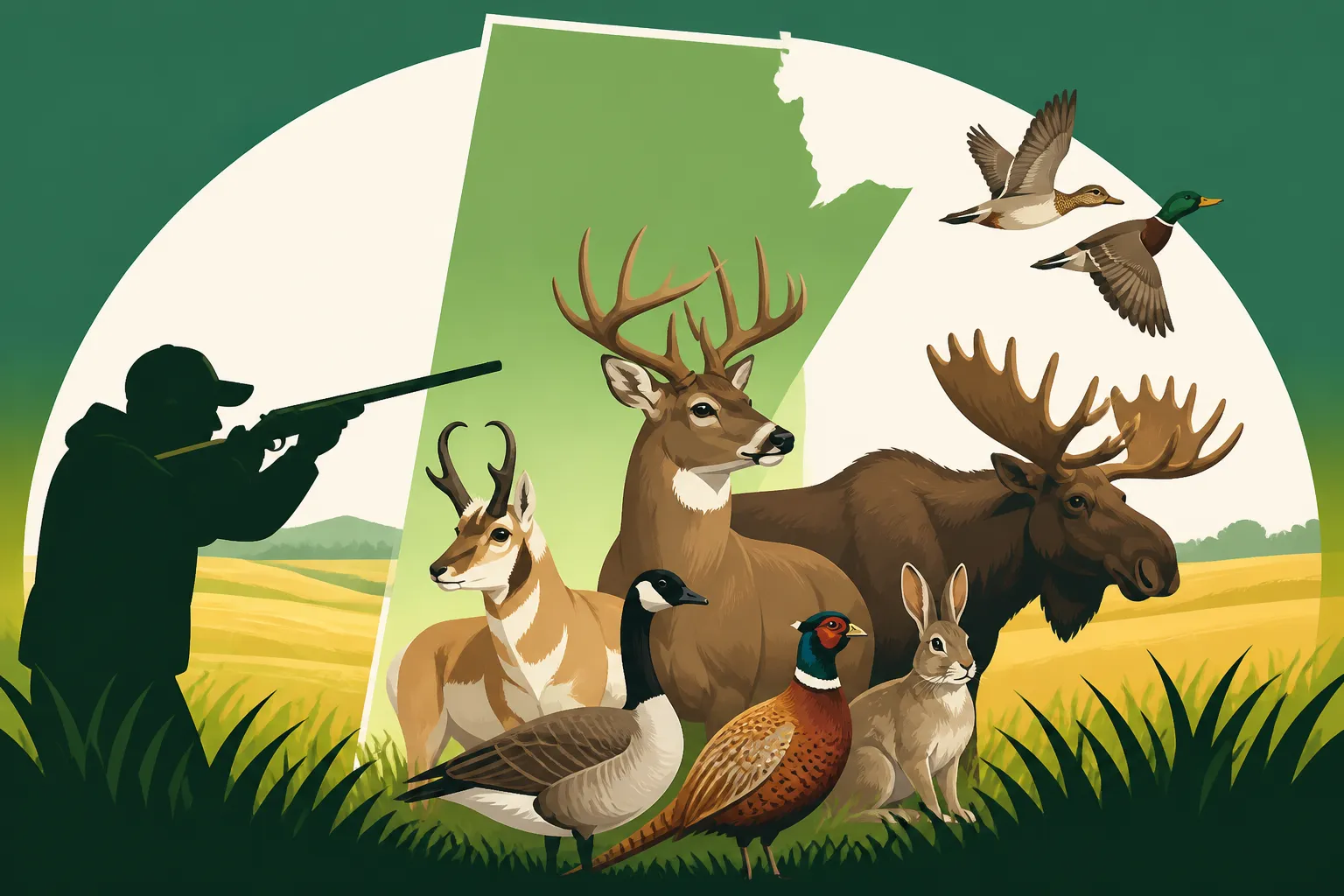
Saskatchewan is renowned globally for its incredible hunting opportunities, especially for big whitetail deer and abundant waterfowl. However, accessing these opportunities as a non-resident isn't quite as straightforward as showing up with your rifle and a dream. There are specific rules designed to manage game populations and ensure fair chase, and understanding them is the first step to a successful hunt.
The Outfitter Requirement: Why Non-Residents Must Use an Outfitter
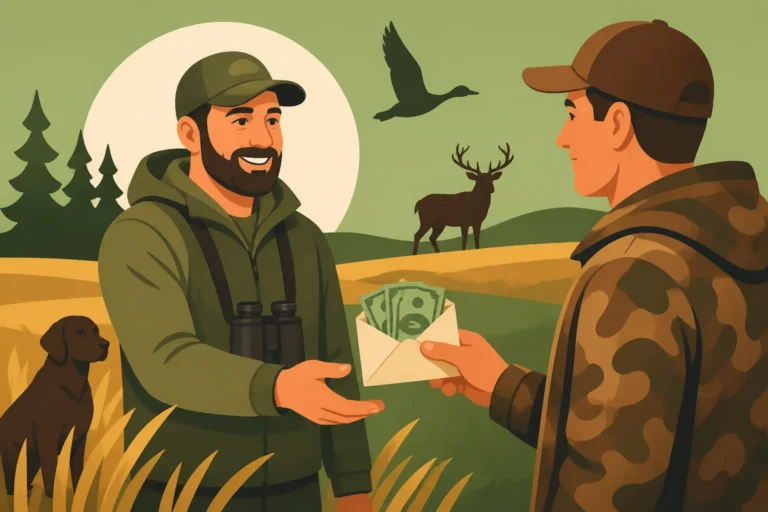
This is perhaps the most fundamental rule for non-resident big game hunters in Saskatchewan, and it's where many misunderstandings arise. Simply put, if you're coming from outside the province and want to hunt big game – that includes species like deer, moose, elk, and bear – you are legally required to book your hunt through a licensed Saskatchewan outfitter. There are no exceptions to this rule for big game. You cannot simply drive up, obtain a license, and head out on your own. This system is in place for several reasons: it supports local businesses, helps manage harvest quotas, and ensures hunters have a guide who understands the local landscape and regulations.
This means your hunting experience will be fully guided, from camp accommodations to field transportation and assistance with game recovery. For many non-residents, this is actually a huge benefit, offering a structured, professional, and often more successful hunt than they might achieve attempting it alone in unfamiliar territory. It's important to differentiate this from some other jurisdictions where non-residents might be able to hunt specific species on their own or with a resident sponsor. In Saskatchewan, for big game, an outfitter is mandatory. You can learn more about this by reading Why Non-Residents Must Book an Outfitter.
Licensing and the HAL Account for Non-Residents
Even with an outfitter, you'll still need to secure your own hunting license and applicable permits. Saskatchewan utilizes the Hunting, Angling and Trapping Licence (HAL) system, an online platform where all licenses are managed. As a non-resident, your outfitter will typically guide you through this process, but it's ultimately your responsibility to ensure you have the correct documentation.
Before your hunt, you'll need to set up a personal HAL account if you don't already have one. This account will house your hunter education certification (which may need to be recognized by Saskatchewan, often an equivalency from your home state or province), and it's where your licenses will be issued. Your outfitter will usually provide you with a unique allocation number that links your license application to their specific quota for the species you're hunting. This system ensures that the outfitter's allocated tags are correctly distributed to their clients. It's crucial to complete this well in advance of your hunt, as last-minute issues can cause significant delays. For details on the costs, check out Saskatchewan Hunting Licences and What They Cost.
Restrictions on Un-Guided Hunting
While the outfitter requirement for big game is clear, it’s worth noting that non-residents can hunt some species without an outfitter, but these are generally limited to small game and specific migratory bird terms. We'll dive into those details shortly. For big game, hunting on your own, even with landowner permission on private land, is simply not permitted for non-residents.
Furthermore, there are strict rules about possession of firearms and ammunition when crossing the international border into Canada, which your outfitter should also help you understand. Ignorance of the law is not an excuse, and penalties for violations can be severe, including confiscation of firearms and significant fines. Always ensure your firearm declaration is properly filled out and presented to border officials. The best approach is always to communicate openly with your chosen outfitter, as they are experts in navigating these regulations for their clients.
Big Game Opportunities for Non-Residents
Saskatchewan's big game hunting is what truly puts it on the map for many international hunters. While certain species are more accessible than others, the potential for a trophy animal is high across the board.
Whitetail Deer: Saskatchewan's Signature Hunt
When most non-resident hunters dream of Saskatchewan, they're picturing a massive whitetail buck. And for good reason! The province consistently produces world-class typical and non-typical whitetails, especially from the productive forest fringe and parkland regions. Whitetail deer hunts are the most popular offering from Saskatchewan outfitters. Outfitters receive specific allocations of whitetail tags, allowing them to book hunters for various seasons, including archery and rifle.
The majority of these hunts take place during the rut, usually in early to mid-November, when bucks are most active and susceptible to calling and rattling. Non-residents will typically hunt from stands, ground blinds, or heated box blinds, often overlooking bait sites (where legal) or natural travel corridors. The success rates on guided whitetail hunts can be very high, reflecting the abundant deer population and the expertise of the outfitters. These hunts are generally booked far in advance, sometimes a year or two out, so planning is essential. If you're looking for that dream whitetail, this is your best bet as a non-resident. You can find out more about the prime time to hunt by exploring Hunting the Rut in Early to Mid November.
Black Bear: Spring and Fall Seasons
Black bear hunting is another excellent option for non-residents in Saskatchewan, offering both spring and fall seasons. The vast boreal forest of Saskatchewan is home to a healthy population of black bears, including a significant percentage of colour-phase bears (cinnamon, chocolate, blonde). Most guided bear hunts involve hunting over bait, a highly effective method that allows hunters to observe bears and make ethical shot selections.
Spring bear hunts, typically running from May to June, are extremely popular. Bears are emerging from hibernation, often hungry, and their coats are in prime condition. Fall hunts, while less common for non-residents, can also be productive, particularly later in the season when bears are gorging on berries and other mast crops to put on weight for winter. Outfitters often have multiple bait sites spread across their allocated territories, increasing the chances of encountering a large boar. Like whitetail hunts, these are exclusively guided experiences for non-residents. Looking to book? Consider checking out options on BookYourHunt to compare outfitters offering these types of trips.
Moose and Elk: Draw Only Opportunities
This is where it gets a bit more challenging for non-residents. Unlike whitetail and black bear tags, which outfitters generally receive as direct allocations, non-resident moose and elk tags in Saskatchewan are extremely limited and typically tied into a draw system. This means that even with an outfitter, acquiring a moose or elk tag as a non-resident is very difficult and requires significant luck in the provincial draw.
Outfitters who offer moose and elk hunts usually have a limited number of "draw success" type packages. This means you apply through the provincial draw with their assistance, and if successful, you then pay for the guided hunt. The odds of drawing a moose or elk tag as a non-resident are very low, often requiring many years of application to build up sufficient priority (if applicable to non-residents in specific scenarios, which often isn't the case for these highly sought-after species). Therefore, while possible, non-residents should consider these species to be much less accessible than whitetail or bear. You can dive deeper into the process by reading about Saskatchewan's Big Game Draw.
Mule Deer and Pronghorn: Specific Outfitter Allocations
Mule deer and pronghorn are magnificent animals, primarily found in Saskatchewan's southern prairie regions. For non-residents, hunting these species also requires booking through a licensed outfitter. Similar to whitetails and bears, outfitters receive specific allocations for mule deer and pronghorn, though these tags are often fewer in number and concentrated in particular zones.
Mule deer hunts are typically spot-and-stalk affairs in the coulees and badlands, requiring good optics and physical fitness. Pronghorn hunting is an exciting prairie chase, often involving strategic stalks to get within range of these incredibly sharp-sighted animals. While these hunts are available to non-residents through outfitters, they are often less advertised than whitetail or bear hunts due to the more limited tag availability and specific regional nature. If you're interested in pursuing these prairie giants, it's best to specifically inquire with outfitters who specialize in southern Saskatchewan hunting. For mule deer, knowing the zones is key, which you might research on platforms like GoHunt before contacting outfitters.
Here's a quick summary table of non-resident big game availability:
| Species | Non-Resident Access | Typical Method | Season | Notes |
|---|---|---|---|---|
| Whitetail Deer | Excellent (Outfitter) | Stand/Blind, Baiting | Archery, Rifle | Most popular, high success, book early. |
| Black Bear | Good (Outfitter) | Baiting | Spring, Fall | Colour phases common, good numbers. |
| Moose | Very Limited (Draw) | Spot & Stalk, Calling | Fall | Extremely tough draw for non-residents, often combined with success fees. |
| Elk | Very Limited (Draw) | Spot & Stalk, Calling | Fall | Similar to moose, highly coveted, difficult draw. |
| Mule Deer | Moderate (Outfitter) | Spot & Stalk | Rifle | Regional, specific outfitter allocations. |
| Pronghorn | Moderate (Outfitter) | Spot & Stalk | Rifle | Southern prairie only, limited allocations. |
Waterfowl and Upland Bird Hunting for Non-Residents
While big game hunts are strictly guided for non-residents, Saskatchewan also offers some of the best bird hunting in North America, and there are different rules here regarding outfitters.
Migratory Birds: Geese, Ducks, and Cranes
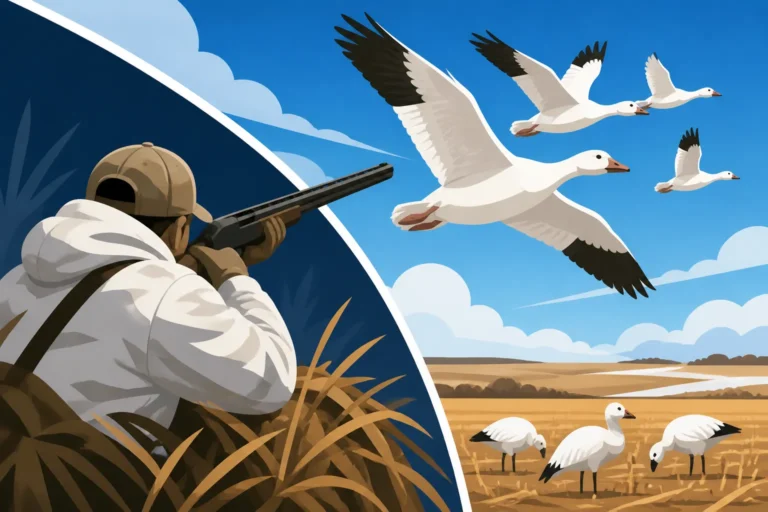
Saskatchewan is a true "duck factory" and a major staging ground for millions of migratory birds each fall. For non-residents, waterfowl hunting is incredibly popular and, crucially, can be done with or without an outfitter, subject to specific licensing and duration terms. Non-residents can purchase a five-day migratory bird licence, allowing them to hunt ducks, geese, and sandhill cranes. This is a critical difference from big game hunting.
Many non-residents still choose to book with a waterfowl outfitter for the sheer convenience and expertise. Outfitters scout fields daily, set up massive decoy spreads, and provide blinds, making for a much more comfortable and often successful hunt, especially for specific species like snow geese or specklebellies. However, if you have a group, are prepared to do your own scouting, get permission from landowners, and bring your own gear, you can come to Saskatchewan and hunt migratory birds independently. Just remember that daily limits and shooting hours are strictly enforced. You'll need to purchase a federal migratory game bird permit in addition to your provincial licence. Saskatchewan Game Bird Seasons and Limits provides more details on dates and bag limits.
Upland Game Birds: Sharptails, Huns, and Ruffed Grouse
Beyond the incredible waterfowl, Saskatchewan also offers excellent upland bird hunting. Species like sharp-tailed grouse, Hungarian partridge (Huns), and ruffed grouse provide fast-paced action. Sharp-tailed grouse are found on the prairie grasslands, Huns typically hold along shelterbelts and field edges, and ruffed grouse prefer the bush trails of the forest fringe.
For non-residents, hunting upland birds also falls under the general game bird licence, which can be acquired without an outfitter for specific terms. Similar to migratory birds, many non-residents opt for a guided experience, especially if they are bringing pointing dogs or want to maximize their time in productive areas without the hassle of extensive scouting and landowner relations. However, hunting upland birds on your own, provided you have all the correct licenses and permissions (where applicable on private land), is absolutely an option for non-residents. This makes Saskatchewan a fantastic destination for those who enjoy a mixed bag hunt or prefer to chase birds without the full commitment of a big game outfitter.
Non-Resident Bird Licence Terms
It's important to understand the specific terms for non-resident bird licenses. Unlike resident bird licenses which are valid for the entire season, non-resident licenses are generally issued in "five-day" terms. This means when you purchase your license, you'll declare a specific five-day period during which you intend to hunt migratory or upland birds. If you wish to hunt for longer, you would need to purchase additional five-day terms.
This structure is designed to manage hunter pressure and ensures non-residents are either committing to shorter, focused trips or engaging with the licensing system multiple times for extended stays. Always plan your trip dates carefully to align with your chosen five-day license term(s). This is another area where outfitters can simplify the process, as they typically manage the licensing for their clients within the parameters of the booked trip.
Predator and Furbearer Hunting for Non-Residents
While often not the primary target, predator and furbearer hunting can provide additional opportunities for non-residents, either as a standalone trip or as an add-on to a big game or bird hunt.
Coyote and Wolf Hunting
Coyotes are abundant across Saskatchewan's agricultural lands, offering exciting hunting challenges. Non-residents can hunt coyotes without an outfitter, provided they have a valid hunting licence for the species and adhere to all provincial regulations, including rules around calling, shooting from vehicles, and proper disposal of carcasses. Many non-residents will combine a coyote hunt with a bird hunting trip or undertake a dedicated predator hunt during the winter months when coyotes are more visible against the snow. Calling coyotes can be a thrilling experience, especially in the vast open spaces of the prairie.
Wolf hunting is a different story. Wolves primarily inhabit Saskatchewan's northern boreal forest regions. For non-residents, wolf hunting is typically only available as part of a guided big game hunt (like a moose or bear hunt) or through a specialized predator outfitter who has specific allocations. It's not a species that non-residents can generally pursue independently. The regulations for wolf hunting are more restrictive, and tags are usually managed closely. If you're hoping to add a wolf to your trophy list, inquiring with a northern Saskatchewan outfitter is your best bet.
Furbearer Trapping and Hunting
While some furbearer species like fox or badger might be hunted incidentally by non-residents pursuing coyotes (where legal and licenced), dedicated furbearer trapping or hunting for species like beaver, lynx, or marten is generally not an option for non-residents. Trapping licenses are highly restricted, often requiring a trapper's license and specific registered trap lines that are almost exclusively held by residents.
Hunting furbearers for pelts also falls under a distinct set of regulations and often requires specialized knowledge and equipment. Therefore, for most non-resident hunters, pursuing furbearers beyond coyotes will likely not be a viable option.
Navigating the Booking Process and Outfitter Selection
For non-residents, especially those interested in big game, the outfitter selection and booking process is paramount. It determines not only your access to the hunt but also the quality and experience of your entire trip.
Finding Reputable Outfitters
With the mandatory outfitter requirement for big game, choosing the right professional is critical. There are numerous licensed outfitters across Saskatchewan, each specializing in different species, regions, and types of hunts. You'll want to start by researching outfitters who offer the species you're most interested in, in the areas known for those animals. Platforms like BookYourHunt can be a great starting point for finding and comparing different Saskatchewan outfitters, allowing you to filter by species, dates, and read reviews from other hunters.
When you've narrowed down a few options, don't hesitate to reach out to them directly. Ask plenty of questions about their specific allocations, success rates, camp amenities, and what's included (and not included) in their packages. Request references from past clients and, if possible, speak with them. A good outfitter will be transparent and eager to answer all your queries. You want to feel confident that you're choosing someone reliable and ethical.
Package Inclusions and Exclusions
Understanding what your guided hunt package includes is vital to avoid unexpected costs. Most all-inclusive big game packages for non-residents will cover:
- Guiding services: Professional guides who know the area.
- Accommodations: Lodging, which can range from rustic cabins to comfortable lodges.
- Meals: Usually three hearty meals a day, plus snacks.
- Field transportation: Getting to and from hunting areas (trucks, ATVs, etc.).
- Initial game care: Field dressing and transportation of your animal to a local processor.
- Licence assistance: Help with obtaining your Saskatchewan hunting license.
What's typically not included, and where extra costs can quickly add up, are things like:
- Travel to Saskatchewan: Flights or fuel to get to the outfitter's meeting point.
- Hunting licenses and permits: You pay for these separately, even if the outfitter helps process them.
- Firearm declaration fees: Required at the border for your rifle.
- Meat processing and taxidermy: While field dressing is included, actual butchering and shipping of meat/trophies is usually extra.
- Gratuities for guides and camp staff: Tipping is customary and expected.
- Alcoholic beverages: Bring your own or purchase locally.
- Personal gear: All your clothing, boots, optics, and rifle.
Always get a detailed list of inclusions and exclusions in writing before you commit to a booking. This is where platforms like GoHunt can also be useful for researching gear lists and typical outfitting expenses.
Planning Your Saskatchewan Hunt
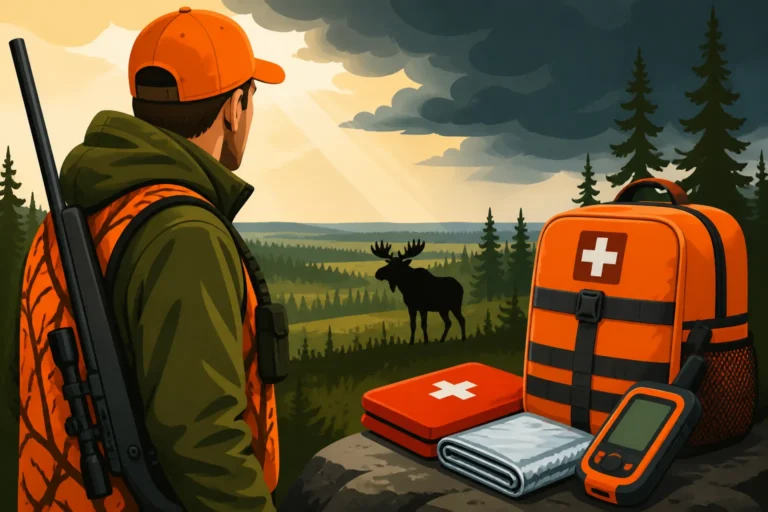
Once you've chosen your outfitter and booked your hunt, the real planning begins. This involves ensuring your firearm is travel-ready, understanding border crossing procedures, and gathering all the necessary personal gear for potentially challenging Saskatchewan weather. For a typical November whitetail hunt, for example, you'll need serious cold-weather gear.
Make sure you understand your outfitter's communication plan for emergencies, camp rules, and what to do if you harvest an animal. Plan for logistics like flying into Saskatoon or Regina, or driving directly to the camp. Consider travel insurance, especially for high-cost hunts, as cancellations can happen due to unforeseen circumstances. Your outfitter will be your primary resource for pre-hunt information, but being proactive in your own preparations will make for a smoother and more enjoyable experience. Don't forget to review Saskatchewan Big Game Season Dates to double-check your timing.
Disclaimer
This article is for general informational purposes only and does not constitute professional advice. Laws, prices and regulations vary by location and change over time. Consult a qualified professional for guidance on your specific situation.