Saskatchewan Guide Insurance and Liability
Heading out into the Saskatchewan bush or across its vast prairies for a hunting trip is an incredible adventure, but it's also an activity that carries inherent risks. When you’re relying on a hunting guide or outfitter, it’s only natural to wonder about their responsibility if something goes wrong. Understanding what kind of insurance and liability coverage a Saskatchewan guide or outfitter should carry, and what that means for you as a client, is absolutely crucial for your peace of mind and safety. This guide will walk you through the essential aspects of outfitter insurance and client liability in the Saskatchewan hunting world.
The Inherent Risks of Hunting in Saskatchewan
Let’s be real for a moment. Hunting, by its very nature, isn't a walk in the park. Especially here in Saskatchewan, where the terrain can be rugged, the weather unpredictable, and the wildlife, well, wild! Every seasoned hunter knows this, but when you're paying for a guided trip, there’s an expectation of a certain level of safety and professionalism. However, accidents can and do happen, and it's important to understand the landscape of risk you're entering.
Navigating Natural Hazards and Environmental Factors
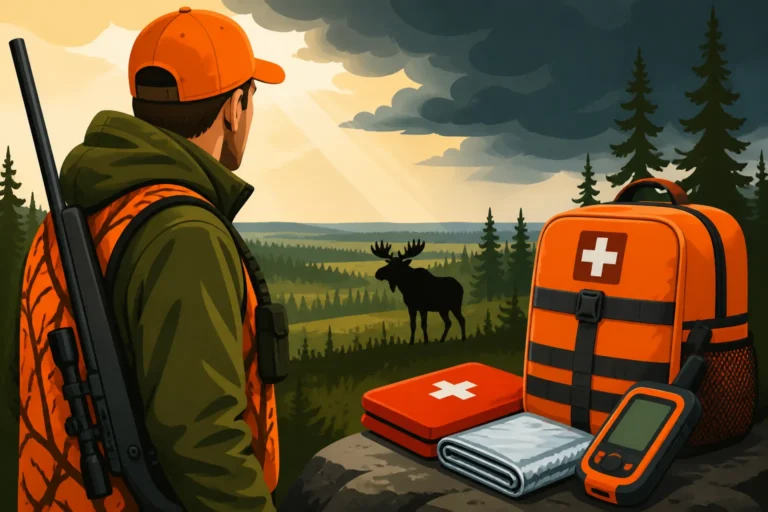
Saskatchewan offers diverse hunting environments, from dense boreal forests up north to expansive prairie coulees in the south, and each comes with its own set of natural challenges. Imagine tracking a whitetail in a remote forested area; a sudden autumn storm could sweep in, bringing heavy snow and plummeting temperatures, leading to potential frostbite or hypothermia if you’re not prepared. Or consider a spot-and-stalk mule deer hunt in the sun-baked badlands, where treacherous footing on loose shale can lead to falls and serious injuries. These aren't just minor inconveniences; they're genuine hazards that even the most experienced guides and hunters can face. Saskatchewan Hunting Winter Weather Safely offers further insights into staying safe in harsh conditions.
Beyond the weather and terrain, we're sharing the landscape with powerful wild animals. While rare, encounters with moose, elk, or even black bears can be unpredictable. A guide does their best to avoid dangerous situations, but the wilderness doesn't always cooperate. A sudden charge from a defensive sow bear with cubs, for instance, is a risk that hunters assume when entering bear country, regardless of how careful the guide is. This isn't meant to scare anyone, but rather to highlight that the wild side of Saskatchewan is exactly that—wild—and inherent risks cannot be entirely eliminated.
Equipment-Related Risks on a Guided Hunt
Hunting often involves specialized equipment, and while guides are expected to maintain their gear, equipment failures or misuse can still pose significant risks. Think about ATVs or side-by-sides, which are often used to access remote hunting areas. A breakdown in rough terrain far from camp could leave you stranded, or worse, an accident could lead to severe injury. Even something as seemingly simple as a treestand setup, if not properly maintained or installed, could fail and cause a serious fall.
Then there’s the obvious: firearms. While every hunter is responsible for their own safe firearm handling, a guide is responsible for ensuring a safe hunting environment, especially when multiple hunters are in the field. An accidental discharge, though hopefully rare, could have catastrophic consequences. From mechanical failures in a rifle to an improperly strung bow, there's always a chance something could go wrong, even with diligent checks. Understanding that these risks are part of the activity helps you appreciate why outfitter insurance and liability considerations are so important.
The Element of Human Error and Unforeseen Accidents
No one is perfect, and even the most experienced guides can make mistakes, just as hunters can. Human error is an unavoidable factor in any activity, and in hunting, the consequences can be serious. A guide might misjudge a trail, leading to a vehicle getting stuck, or misinterpret a weather forecast, resulting in hunters being caught unprepared. A moment of inattention, a slip on icy ground, or a misstep during a river crossing can lead to an injury that wasn't anyone's "fault" in a negligent sense, but simply an unfortunate accident.
For example, imagine you're walking back to camp in the dark, and you trip over an unseen log, twisting your ankle. Was it the guide's fault for not lighting the trail? Or was it an inherent risk of walking in the woods at night? These are the kinds of scenarios where liability can become complex. While guides strive to provide a safe experience, they cannot guarantee zero incidents, nor can they be held responsible for every single slip, trip, or fall that occurs when you're engaging in a physically demanding outdoor activity.
Understanding Outfitter Insurance: Protecting All Parties
When you book a guided hunt in Saskatchewan, you're essentially entering into a business agreement. Just like any other business that operates with inherent risks, hunting outfitters and guides are expected to carry certain types of insurance to protect themselves, their clients, and their assets. This isn't just good business practice; it's often a legal requirement for them to operate. Knowing what kinds of policies are typically in play can give you a clearer picture of what's covered.
Commercial General Liability CGL
Commercial General Liability (CGL) insurance is the cornerstone of most outfitter policies. Think of it as a broad safety net designed to cover the most common types of accidents that can occur during their operation. This policy is primarily focused on third-party claims, meaning if a client (you!) suffers bodily injury or if their property is damaged due to the outfitter's negligence or an accident on their premises or during their activities. For instance, if you slip on a poorly maintained walkway at the hunting lodge and break your arm, the CGL policy would typically cover your medical expenses and potentially other damages.
It also covers property damage. Let’s say a guide is helping you load your gear into their truck and accidentally drops your expensive rifle, damaging the scope. A robust CGL policy should step in to cover the repair or replacement of that item. However, it’s important to understand the limits and exclusions of such policies. They usually don't cover things like contractual disputes, intentional harm, or acts of God. When you're vetting an outfitter, it's always wise to ask about their CGL coverage and its limits to ensure it's adequate for the type of hunting you'll be doing. Filing a Complaint About a Saskatchewan Guide might become relevant if an outfitter is found to be negligent and unwilling to cooperate.
Professional Liability (Errors & Omissions)
While CGL covers physical harm or property damage, professional liability insurance, often called Errors & Omissions (E&O), steps in to cover claims arising from professional advice or services. For a hunting guide, this could mean claims related to their expertise or their actions as a professional. For example, if a guide gives you incorrect advice about a specific hunting regulation that leads to a fine, or if their instruction during a stalk somehow leads to an injury that wouldn't have otherwise occurred, an E&O policy might offer protection.
This type of insurance is particularly important in fields where advice and service are key. In the context of a hunting guide, it acknowledges that while they are experts, they are still human and can make professional errors. It’s a layer of protection that goes beyond the purely accidental physical injury and addresses claims related to the professional performance of their guiding duties. Hunters might not often think to ask about this specific type of coverage, but it can be a significant part of a comprehensive insurance package for a reputable outfitter.
Equipment and Property Insurance
Beyond the big liability policies, outfitters also need to protect their own assets. This is where equipment and property insurance come into play. A Saskatchewan outfitter invests heavily in their business: hunting lodges, vehicles (trucks, ATVs, snowmobiles), hunting blinds, boats, and all the gear needed to run a successful operation. If a lodge burns down, or an ATV is stolen from camp, this type of insurance covers the replacement or repair of those critical assets.
For hunters, while this doesn't directly cover your personal gear, it's an indicator of a well-run and financially stable operation. An outfitter who can quickly replace essential equipment after an incident is more likely to continue operating smoothly, ensuring your trip isn't jeopardized by a major loss on their end. It also shows a commitment to their business and clients, as they’ve taken steps to mitigate operational risks that could impact the quality or continuation of services offered.
Worker's Compensation for Guides and Staff
Many outfitters don't operate alone; they employ a team of guides, cooks, and camp staff. In Saskatchewan, like most jurisdictions, employers are required to carry Worker's Compensation insurance (or similar coverage) to protect their employees in case of workplace injury or illness. If a guide working for an outfitter gets injured in the field—say, twisting an ankle while packing out an animal—this insurance would cover their medical expenses and lost wages.
While this doesn't directly cover the client, it's another sign of a professionally run outfitter. It ensures that the outfitter is responsible and provides a safety net for their team, preventing potential financial hardship for their staff. This, in turn, contributes to a more stable and reliable operation, as guides feel protected and are less likely to experience severe financial stress if an injury occurs during their duties. Saskatchewan Outfitter Licensing and Allocations would typically require compliance with such employment laws.
The Role of Liability Waivers and Personal Responsibility
You’ve likely signed one before if you’ve been on any adventurous trip: the liability waiver. These documents are a standard part of engaging in activities with inherent risks, and guided hunting in Saskatchewan is no exception. It’s crucial not to just sign these blindly but to understand what you’re agreeing to, as they lay out the boundaries of responsibility between you and the outfitter.
The Purpose and Scope of a Liability Waiver
A liability waiver is a legal document where you, the client, acknowledge and accept the inherent risks associated with the hunting activity and agree not to hold the outfitter responsible for injuries or damages that might occur as a result of those inherent risks. It’s not meant to absolve the outfitter of all responsibility, but rather to clarify that certain dangers are simply part of the outdoor experience. For example, if you're on a Black Bear Hunting in Saskatchewan trip, the waiver will explicitly state that there's a risk of encountering dangerous wildlife.
These waivers serve several important purposes for outfitters. First, they educate clients about potential dangers, ensuring you're aware of what you're getting into. Second, they act as a contractual agreement that limits the outfitter's legal exposure for unavoidable accidents. However, it's crucial to understand that a waiver typically does not protect an outfitter from claims of gross negligence, reckless conduct, or intentional harm. If an outfitter acts with extreme carelessness that directly causes you harm, a waiver might not entirely shield them. Signing an Outfitter Liability Waiver delves deeper into this topic.
What to Scrutinize in a Waiver Agreement
When presented with a liability waiver, take your time and read it carefully. Don't rush, even if you're excited to get out into the field. Look for clear language that specifies the activities you'll be undertaking, the risks involved, and the extent to which you are releasing the outfitter from liability. A well-drafted waiver will be explicit about things like risks of falls, equipment malfunction, wildlife encounters, and weather hazards. If anything seems vague, overly broad, or you feel pressured, it's perfectly acceptable to ask questions.
Pay particular attention to clauses that might seem to waive all responsibility, even for gross negligence. While some language might be strong, a legitimate waiver generally aims to cover inherent risks, not to shield an outfitter from truly irresponsible or unlawful actions. If you have significant concerns, consulting with a legal professional before signing is always an option, though it might not be practical for every hunter. The key is informed consent: you should understand what you’re signing and what rights you might be waiving.
Personal Responsibility Versus Outfitter Negligence
This is often the trickiest part of liability discussions. As a hunter, you have a fundamental responsibility for your own safety. This includes following instructions from your guide, being honest about your physical capabilities, wearing appropriate gear, and handling your firearms safely. If you disregard a guide's warning about thin ice on a frozen slough and fall through, that would likely be considered a matter of personal responsibility, not outfitter negligence.
However, the line is crossed when the outfitter or their staff’s actions, or lack thereof, demonstrate a clear disregard for your safety that goes beyond reasonable expectations. For example, if a guide knowingly puts clients in a severely unsafe situation without warning, uses dangerously faulty equipment without repair, or operates under the influence, these actions could be considered negligence. The challenge, of course, is proving negligence, which often requires specific evidence and legal processes. Most reputable outfitters work hard to ensure a safe environment precisely to avoid such situations and maintain their professional reputation.
Choosing a Reputable Outfitter: The Insurance Factor
For many hunters, especially non-residents who often must book with an outfitter, choosing the right operation is paramount. The topic of insurance and liability isn't something to shy away from when making your decision. It's a critical component of assessing an outfitter's professionalism and their commitment to client safety.
Asking the Right Questions About Coverage
When you're doing your due diligence before booking a hunt, don’t hesitate to ask outfitters direct questions about their insurance coverage. You’re not being overly cautious; you're being responsible. Inquire about the types of insurance they carry (CGL being the most important for client liability), the limits of their policies, and whether their coverage extends to all activities included in your hunt package. A professional outfitter should be transparent and willing to provide this information, even if they can't hand over their entire policy document.
You might ask, "Can you confirm you carry commercial general liability insurance, and what are the general coverage limits?" Or, "Does your policy cover all activities, including ATV use, as part of the guided hunt?" This shows you’re a serious client who values safety and proper business practices. An outfitter who is evasive or dismissive of these questions might be a red flag. Reputable operators understand the importance of this, especially when catering to non-residents who have specific regulations to adhere to. Rules for Non-Residents Hunting Saskatchewan means they are already used to dealing with detailed inquiries.
Recognizing Red Flags and Reputable Operations
How an outfitter responds to your questions about insurance and liability can tell you a lot. A major red flag would be an outfitter who claims they don't carry insurance, or who is unable to provide any credible information about it. This is a significant risk, as any incident could leave you with no recourse. Another warning sign could be an outfitter who seems to cut corners on safety, uses visibly old or poorly maintained equipment, or has a reputation for reckless behavior.
On the flip side, reputable operations often highlight their commitment to safety and professional conduct. They'll readily discuss their licensing, experience, and safety protocols. They understand that a safe experience is a successful one, and that proper insurance is a cornerstone of that commitment. Websites and booking platforms like BookYourHunt often feature verified outfitters, and looking through reviews on platforms like GoHunt can provide insights into other hunters' experiences regarding safety and professionalism. Always remember, a cheap hunt is rarely worth compromising on safety and peace of mind. Choosing the Right Saskatchewan Outfitter details more on what to look for.
Vetting Outfitters: Leveraging Resources
In today's interconnected world, you have more resources than ever to vet potential outfitters. Start by checking if the outfitter is properly licensed by the province of Saskatchewan. This is a fundamental requirement and often implies a baseline level of compliance with regulations, which can include insurance mandates. The Saskatchewan environment ministry or relevant hunting associations might have publicly accessible lists of licensed operators.
Beyond licensing, online platforms play a huge role. Websites like BookYourHunt specifically list guided hunting trips and often include details about outfitters' credentials, reviews from past clients, and sometimes even their safety policies. Similarly, forums and community-driven sites like GoHunt can offer invaluable peer reviews and discussions about outfitter conduct and safety records. Don't underestimate the power of word-of-mouth; speaking to hunters who have used a particular outfitter can give you honest insights. Combine these resources to build a comprehensive picture before you commit.
Hunter's Own Insurance: Layering Your Protection
While outfitter insurance protects them, it's equally important for you as the hunter to consider your own personal insurance coverage. A guided trip, especially if it involves travel, can expose you to costs that the outfitter's policy won't cover. Thinking proactively about your own safety net can prevent significant financial headaches if an unforeseen event occurs.
Personal Accident and Medical Coverage
Your primary concern should always be your health and safety. Before embarking on any guided hunt, especially if you're traveling from out of province or country, thoroughly review your personal health insurance policy. Understand what it covers when you’re away from home. Does it cover emergency medical evacuation? What are the deductibles and co-pays for out-of-network care? Will it cover costs incurred in a remote area of Saskatchewan if you need air ambulance transport? In many cases, standard health insurance might not fully cover the extensive costs associated with an unexpected medical emergency in a remote location.
This is where supplemental travel insurance or dedicated adventure sports medical insurance becomes invaluable. These policies are designed to fill the gaps, offering coverage for emergency medical treatments, hospital stays, and crucially, emergency medical evacuation. Imagine you're deep in the boreal forest on a Moose Hunting Saskatchewan's Farmland and Forest trip and suffer a severe injury; an air ambulance could cost tens of thousands of dollars, a bill you don't want to face without proper coverage. Always check policy details regarding "adventure activities" or "hunting" to ensure your chosen plan covers these specific pursuits.
Trip Interruption and Cancellation Insurance
Even the best-laid hunting plans can go awry. Trip interruption and cancellation insurance can be a lifesaver when unforeseen circumstances derail your adventure. What happens if you get sick just before your hunt and can’t travel? Or if a family emergency calls you home early? What if extreme weather, like an early blizzard, makes travel impossible or causes the outfitter to cancel the hunt? These policies are designed to cover non-refundable deposits and other pre-paid expenses if your trip is canceled or cut short for covered reasons. What Happens If Weather Ruins the Hunt explores some of these scenarios.
Consider the investment you make in a guided Saskatchewan hunt—it’s not insignificant. Losing a substantial deposit or the entire cost of the trip due to something beyond your control can be a major financial hit. While outfitters often have their own cancellation policies, which you should always review, trip insurance provides an additional layer of financial protection for your personal investment. This is especially relevant for non-residents who might have complex travel plans and higher overall trip costs. Understanding Saskatchewan Licence Refund Rules is also a good idea, as provincial licenses typically have their own refund conditions separate from outfitter policies.
Travel Document and Gear Protection
Beyond medical and trip cancellations, some travel insurance policies offer coverage for lost luggage, stolen gear, or even delays in travel that cause you to miss part of your hunt. While your home insurance policy might offer some coverage for your personal items, it often has limits, especially when traveling internationally or with high-value items like firearms and optics. Losing a rifle case, or having a crucial piece of gear stolen, could jeopardize your entire hunt.
A comprehensive travel insurance plan can provide reimbursement for these losses, allowing you to replace essential items or mitigate financial impact. It’s a small extra cost that can provide immense peace of mind, knowing that if your airline misplaces your luggage with your hunting clothes, or your camera equipment goes missing, you have a path to recovery. Before you head out on your adventure, especially if you’re traveling a long distance to hunt in Saskatchewan, ensure all your bases are covered.
Outfitter Due Diligence Checklist
To help you navigate the complexities of outfitter insurance and liability, here’s a simple checklist to guide your conversations and research:
| Aspect | Hunter's Action | Why It Matters |
|---|---|---|
| Outfitter Licensing | Verify the outfitter is licensed by the Province of Saskatchewan. | Ensures basic regulatory compliance; indicates professionalism. |
| Commercial General Liability (CGL) | Ask directly about their CGL insurance, coverage limits, and if it covers all hunt activities. | Protects you from third-party bodily injury/property damage due to outfitter's negligence. |
| Professional Liability (E&O) | Inquire if they carry professional liability insurance. | Covers claims arising from professional advice or guide actions. |
| Equipment Maintenance | Ask about their equipment maintenance schedules and safety protocols for vehicles, stands, etc. | Reduces risks of equipment failure causing injury. |
| Client Safety Protocols | Ask about emergency plans, first aid capabilities, and guide certifications. | Critical for immediate response in case of injury or emergency. Emergency Plans in Saskatchewan's Bush are vital. |
| Liability Waiver Review | Read the waiver thoroughly before signing. Ask questions about anything unclear. | Understand what risks you are accepting and what liability you are releasing. |
| Hunter's Own Insurance | Confirm your personal health insurance covers out-of-province/country medical emergencies. Consider supplemental travel/medical insurance. | Protects your finances for medical emergencies, evacuation, or trip cancellations. |
| References/Reviews | Check client references and online reviews (e.g., BookYourHunt, GoHunt) for safety mentions. | Provides insights into an outfitter's track record and client satisfaction. |
| Contractual Terms | Understand cancellation policies, payment schedules, and what exactly is included in the hunt package. | Avoids disputes and ensures clarity on services provided. What a Saskatchewan Guided Hunt Includes is a good read here. |
Conclusion: Hunt Smart, Hunt Safe
Hunting in Saskatchewan offers incredible opportunities and lifelong memories, but it's a serious endeavor that requires respect for the wilderness and careful planning. Understanding the nuances of guide insurance and liability isn't about being pessimistic; it's about being prepared and making informed decisions. By doing your due diligence—asking the right questions, reading waivers carefully, and ensuring you have your own personal insurance in place—you can significantly enhance your safety and peace of mind. A reputable outfitter will welcome your questions and demonstrate a clear commitment to your well-being. So, go ahead and book that dream hunt, but do it smart, do it safe, and enjoy everything Saskatchewan has to offer.
Disclaimer
This article is for general informational purposes only and does not constitute professional advice. Laws, prices and regulations vary by location and change over time. Consult a qualified professional for guidance on your specific situation.