Hunting the Rut in Early to Mid November
The early to mid-November period in Saskatchewan can be both the most thrilling and the most frustrating time to be in the deer woods. You know the big bucks are moving, but pinning down their exact location and predicting their unpredictable rut-driven behavior can feel like chasing ghosts. This guide is designed to cut through that frustration, offering proven strategies and insights to help you capitalize on the peak of the whitetail rut in Saskatchewan, turning those fleeting glimpses into real opportunities.
Decoding the Saskatchewan Rut in Early to Mid-November
This is the sweet spot, the time when all those hours of scouting and all those pre-season dreams converge. Understanding what's truly happening during this crucial window is paramount to your success. It’s not just about bucks chasing does; it’s a nuanced dance influenced by hormones, competition, and the evolving landscape.
The Peak Window: Why This Time Matters
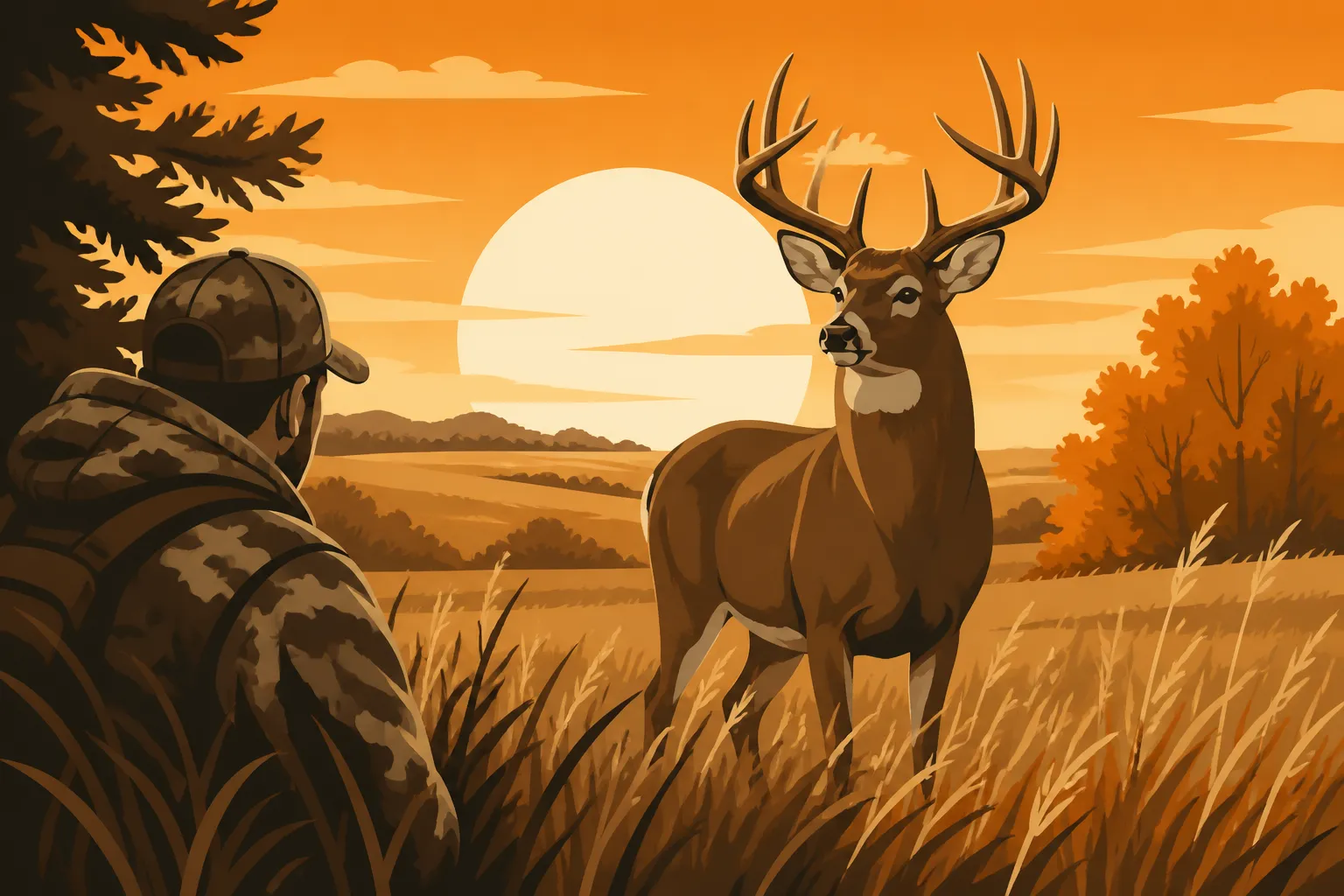
When we talk about early to mid-November in Saskatchewan, we're talking about the absolute prime of the whitetail rut. This isn't just pre-rut seeking activity, nor is it the tail end when bucks are exhausted. This is often when the majority of does come into estrus, triggering intense competition among bucks. The days are getting shorter, the temperatures are dropping, and the need to breed is at its biological peak. This precise timing means bucks are actively cruising, scent-checking, and engaging in aggressive interactions. For hunters, this translates into increased daylight movement and a higher chance of encountering a mature buck.
What makes Saskatchewan particularly special during this window is the genetic potential and sheer numbers of deer. The food sources throughout the spring and summer contribute to incredible antler growth, and during this November peak, those impressive racks are on full display. Bucks are covering significant ground, often abandoning their typical nocturnal patterns and core areas in pursuit of receptive does. They’re less wary, more focused on breeding, which makes them vulnerable to various hunting tactics. Understanding When the Whitetail Rut Peaks Here is crucial for planning your hunting efforts and maximizing your time in the field.
Understanding Buck Behavior Shifts
During this early to mid-November period, buck behavior shifts dramatically from the cautious, pattern-driven movements of early fall. You'll observe intense cruising behavior, where bucks travel extensive routes, checking doe bedding and feeding areas, and sniffing out hot scent trails. They’re not necessarily locked down with one doe yet, but rather on a constant patrol. This is why covering ground, whether by still-hunting or carefully choosing stand locations that intercept these travel corridors, becomes so effective.
Aggression levels also escalate significantly. You'll see more fresh rubs and scrapes appearing daily, and bucks will be much more responsive to calling. They are actively seeking out other bucks to challenge and intimidate, as well as searching for does. This heightened state means they are more easily drawn in by realistic rattling sequences or a well-placed grunt call. They're driven by an instinct that overrides their usual caution, making them susceptible to tactics that might fail at other times of the year. This shift in behavior is why a different set of strategies is needed compared to hunting prior to the rut.
Essential Scouting and Locating Strategies
Even in the thick of the rut, scouting remains critical, though the focus shifts. You’re no longer looking for predictable feeding patterns, but rather for signs of intense buck activity directly related to breeding. This period demands a more dynamic approach to how you interpret the landscape and leverage modern tools.
Interpreting Fresh Sign: Scrapes, Rubs, and Tracks
During early to mid-November, the freshness of rubs and scrapes tells a vital story. A "hot" scrape, one that has been pawed out and urinated in very recently, often with a fresh overhanging licking branch, indicates a buck is actively using that area as a communication hub. These are prime locations for a stand, especially if situated along a known travel corridor or near doe bedding areas. Look for larger rubs, indicating a mature buck has recently passed through and exerted his dominance. The bigger the rub, the more likely a dominant buck is in the vicinity.
Heavy, fresh deer tracks, particularly large ones, intersecting travel routes or leading into thick cover, are another excellent indicator of recent buck movement. Pay attention to the direction of travel; are they moving from bedding to feeding, or are they simply cruising? During the rut, many tracks will simply crisscross in search of does. Snow cover, if present, can be an incredible asset for reading these movements, showing you exactly where the deer are traveling and concentrating their efforts. Don't forget that Reading Whitetail Sign in Saskatchewan Bluffs can be especially informative during this time.
Utilizing Technology for Rut Success
Modern hunting tools like the GoHunt app can be absolutely invaluable during the early to mid-November rut. While you might not be building complex predictive models, the app's mapping features allow you to identify key terrain features that channel deer movement. Think about pinch points created by thick cover, natural funnels formed by sloughs, creek bottoms, or shelterbelts, and edges where agricultural fields meet denser woods. These are all prime locations where cruising bucks are likely to pass, and GoHunt can help you visualize and pinpoint them on detailed aerial imagery, even when you're back home planning your hunt.
The ability to mark observations directly on the map, such as fresh scrapes, rubs, or even sightings, helps build a real-time picture of buck activity. For instance, if you're scouting new ground or just trying to understand patterns in a familiar zone, marking every significant rub or scrape with GoHunt can quickly reveal high-traffic areas. This detailed mapping allows you to strategically place stands, identify ambush points, and understand how deer are using the landscape during this intense period, especially in the diverse Hunting Saskatchewan's Aspen Parkland.
High-Impact Hunting Techniques for Prime Rut
Hunting the rut is about being proactive and aggressive, but also patient and strategic. The unique behaviors of bucks during this period open up opportunities for tactics that might not work at other times of the year.
Stand Placement and All-Day Sits
During the peak rut, bucks are moving at all hours, not just dawn and dusk. This means an all-day sit can be incredibly productive. The key is strategic stand placement. Forget the typical food plot or field edge setup you might use in early season. Instead, focus on transition areas, natural funnels, and points where dominant bucks might intercept does. Consider setting up between known doe bedding areas and potential feeding zones, or along major travel corridors that bucks use to scent-check for receptive does. A stand overlooking a willow run or a bush bluff that connects larger timber blocks can be particularly effective. For tips on where to set up, explore ideas like Hanging a Stand on a Saskatchewan Bush Edge.
When committing to an all-day sit, comfort and concealment are paramount. A well-constructed ground blind or a strategically placed tree stand that allows you to move slightly without being detected will greatly increase your odds. Remember, the goal is to intercept a cruising buck. Bucks in the rut are often so focused on finding does that they might be less vigilant than usual, making them more susceptible to an encounter if you can stay put and remain undetected for extended periods. It's tough, especially with the cold Saskatchewan November weather, but the rewards can be immense.
Aggressive Calling and Decoying Tactics
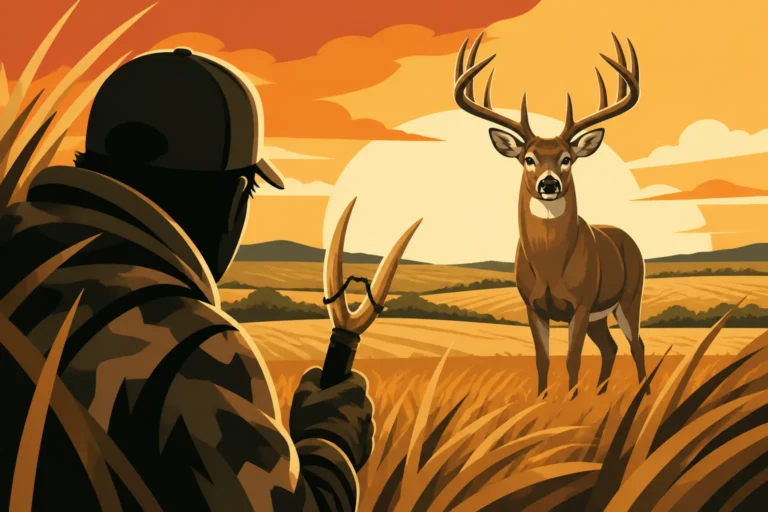
This is the time to get aggressive with your calling. Bucks are looking for fights and seeking out does, making them highly responsive to rattling, grunting, and even snort-wheezes. Start with a softer grunt to pique curiosity, then escalate to more aggressive rattling sequences mimicking two bucks fighting. A GoHunt user might even mark areas on their map where they had success with certain calls, helping refine future tactics. Follow up rattling with a few soft grunts, as if a buck has just won a fight and is now looking for a doe.
Decoys can also be incredibly effective. A buck decoy strategically placed facing your stand, especially a dominant buck decoy, can draw in a real buck looking to challenge. Combine it with an estrus doe decoy to suggest a breeding opportunity. Ensure your decoy is visible from a distance but placed where a buck will commit to approaching it, ideally giving you a clear shot. Remember that Rattling and Calling Farmland Whitetails is a nuanced art that takes practice, but the rewards are often worth the effort during the rut. Don't be afraid to try some Grunt Calls Late in Saskatchewan's Rut, as they can still pull in a curious buck even if he’s already been with a doe.
Still-Hunting and Drives in Key Cover
While sitting still is often the mantra for rut hunting, sometimes getting up and moving can be the best strategy, especially if you haven't seen much activity from a static stand. Still-hunting involves moving very slowly and deliberately through known deer habitat, taking a few steps, then pausing for several minutes to scan and listen. Focus on areas of thick cover, willow bottoms, creek beds, or dense bluffs where deer might be bedding or cruising slowly. This method allows you to cover more ground and potentially stumble upon a buck locked down with a doe, or a buck actively seeking one.
Small, organized drives can also be incredibly effective, especially in dense bush or river breaks where visibility is limited. A small group of hunters can work together, with one or two acting as drivers pushing deer towards standers positioned at escape routes or natural funnels. This tactic requires careful planning and communication to ensure safety, but it can dislodge otherwise unfindable bucks. Remember, during the rut, bucks are more prone to move, even if slightly pressured, making drives a viable option. For specific areas, consider Hunting a Saskatchewan Bush Bluff or a Hunting a Willow Run for Whitetails.
Dealing with Early Winter Conditions
Saskatchewan's November weather can be notoriously unpredictable, swinging from mild to bone-chilling cold in a matter of hours. Adapting your strategy and gear to these early winter conditions is not just about comfort, but about success and safety.
Adapting to Cold Weather and Snow
When the cold snaps hit in early to mid-November, deer behavior can shift. They'll often seek thermal cover—dense evergreens, south-facing slopes, or deep river valleys—to escape the wind and cold. This means focusing your hunting efforts on these areas. However, the rut's intensity often overrides some of these cold-weather instincts, so bucks might still be cruising outside of traditional thermal cover if they believe a receptive doe is nearby. Layering your clothing is non-negotiable. Quality base layers, insulating mid-layers, and a waterproof, windproof outer shell are essential for Sitting All Day in a Saskatchewan Blind. Hand and foot warmers can make a world of difference for those long, cold hours on stand.
Snowfall, if it arrives, can be a hunter's best friend. Fresh snow reveals every track, scrape, and rub with stark clarity, providing a perfect roadmap of recent deer activity. It makes still-hunting much more effective, allowing you to follow fresh tracks to their source. However, deep snow can also make travel difficult for both deer and hunters. Bucks may stick to established trails or areas with less snow accumulation. Always prioritize safety in these conditions, ensuring you're prepared for rapidly changing weather and potential vehicle issues. Hunting in late season can mean Hunting Whitetails at Thirty Below, so be prepared.
Post-Harvest Field Hunting and Food Sources
By early to mid-November, many of Saskatchewan's agricultural fields have been harvested, but that doesn't mean they're devoid of deer activity. Remaining grain, leftover peas, or swathed canola can still be huge draws for deer, especially does. Bucks will cruise the edges of these fields, scent-checking for does moving in and out to feed. This makes Hunting a Standing Canola Field Edge or a stubble field edge a high-percentage tactic, particularly during low-light hours or on colder days when deer need to replenish energy.
Consider the role of unharvested fields, too, if they exist in your area. Standing corn or other crops offer incredible cover and food sources, essentially becoming de-facto bedding areas. Bucks will often stage in these fields, waiting for dark before moving out, or even actively breeding within them. Using tools like GoHunt to identify these unharvested pockets can help you plan where to set up or where to conduct a careful still-hunt along their borders. The combination of rut-driven movement and available food sources can make these field edges explosive hunting grounds.
November Rut Tactics at a Glance
| Factor | Buck Behavior | Recommended Tactics | Key Considerations |
|---|---|---|---|
| Early November | Intense cruising, seeking, fresh scrapes/rubs | Aggressive calling (rattling, grunts), strategic stand placement in funnels, still-hunting. | Bucks are still actively looking, may be alone. Be patient and persistent. |
| Mid-November (Peak) | Chasing, locked down with does, highly aggressive | All-day sits, decoys, challenging calls (snort-wheeze), focus on doe bedding areas. | Bucks are less wary, focused on breeding. Be ready for close encounters. |
| Cold Weather | Seeking thermal cover, movement may concentrate | Focus on south-facing slopes, dense evergreens, food sources. Layer clothing. | Deer may move less in extreme cold, but rut drives movement. |
| Snow Cover | Tracks provide clear movement patterns, may seek shelter | Still-hunting, tracking, identifying new travel routes. | Visibility can be reduced. Use snow to your advantage for tracking. |
Conclusion
Hunting the whitetail rut in early to mid-November in Saskatchewan is a truly special experience, fraught with both challenges and incredible opportunities. By understanding the dynamic behavior of bucks during this peak breeding period, leveraging smart scouting, employing aggressive yet patient hunting techniques, and adapting to the always-present early winter conditions, you can significantly increase your odds of success. Remember to be prepared for the elements, stay focused, and enjoy every moment of this exciting time in the field. After all, it's the thrill of the chase, the strategic planning, and the sheer unpredictability that keeps us coming back year after year. And when you’re successful, understanding proper Field Dressing in Saskatchewan's Deep Cold is your next crucial step.
Disclaimer
Hunting is a regulated activity. Always consult the official Saskatchewan hunting regulations guide for the most up-to-date information on seasons, licensing, bag limits, and legal requirements. This guide is for informational purposes only and does not supersede provincial regulations. Safety should always be your top priority.