Glassing a Burn for Northern Moose
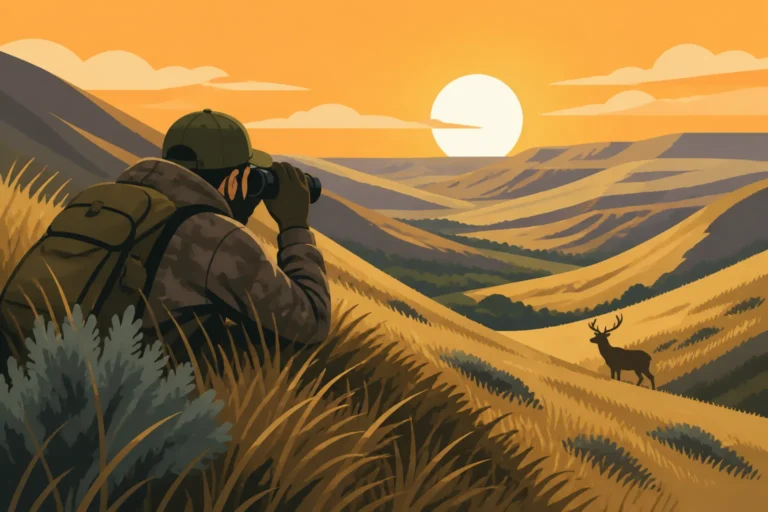
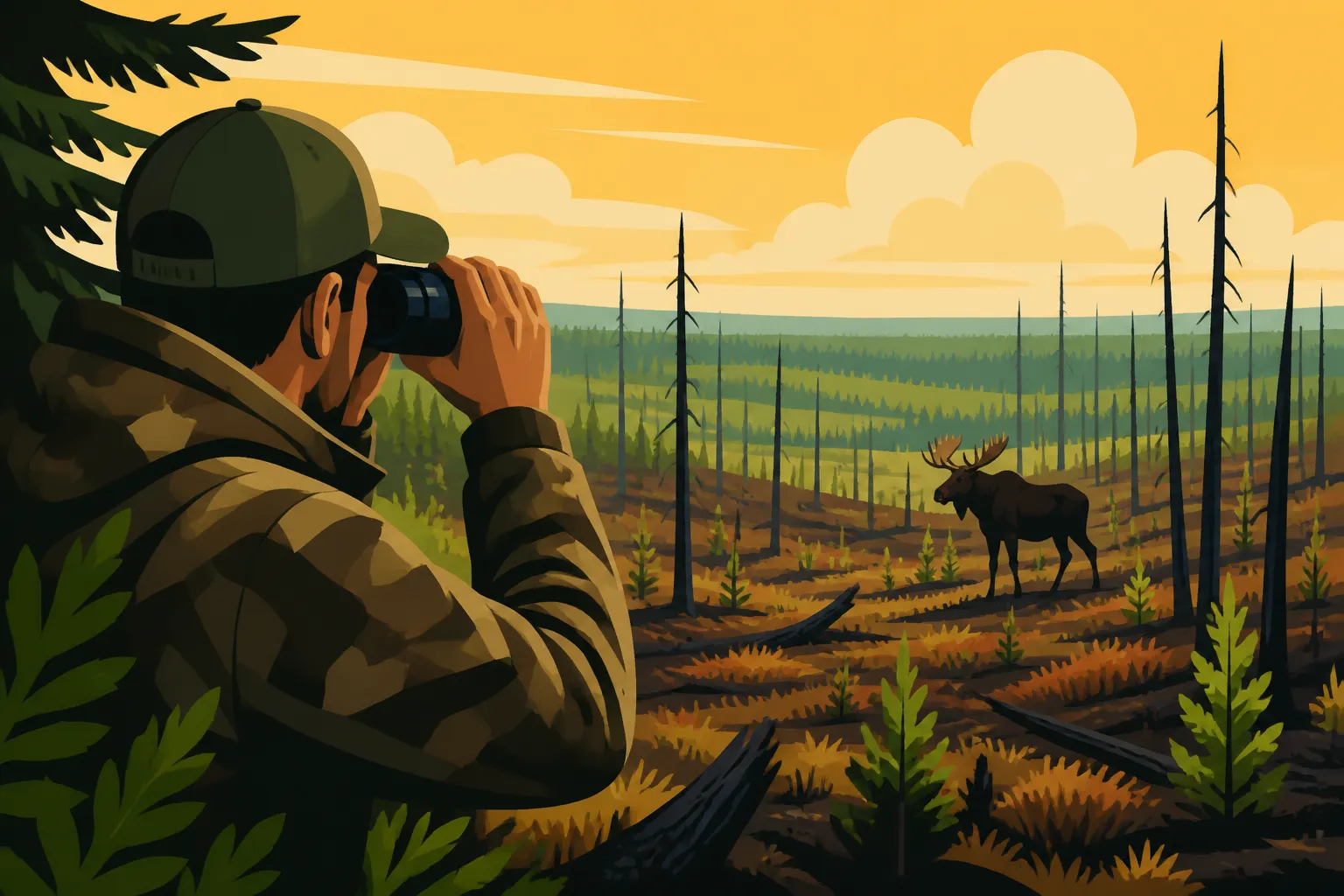
Navigating the vast, often impenetrable expanses of northern Saskatchewan's boreal forest in search of moose can feel like looking for a needle in a haystack, especially when these majestic animals seem to vanish into the dense undergrowth. Many hunters spend countless hours crashing through thick timber, only to wonder if they're even in the right country. This guide aims to demystify one of the most effective strategies for finding northern moose: meticulously glassing burned-over areas, where the landscape has been transformed into a temporary haven for these forest giants.
Why Burns are Moose Magnets in Northern Saskatchewan
Forest fires, while devastating in the moment, are a natural and essential part of the boreal ecosystem, acting as a reset button that kickstarts a cycle of renewal. For a moose hunter, these burned areas, especially those 1-5 years post-fire, are not desolate wastelands but rather dynamic, nutrient-rich landscapes that become prime moose habitat, drawing them in like a magnet.
Rapid Regeneration and Preferred Browse
After a wildfire sweeps through, the forest floor is cleared of old, decaying vegetation, and the intense heat returns nutrients to the soil. This creates a perfect seedbed for a flush of new growth. What quickly emerges are the very plants moose thrive on. We’re talking about a smorgasbord of delicious and highly nutritious browse like young willow, aspen sprouts, birch saplings, and fireweed. These plants are incredibly palatable and easy for moose to access, unlike the mature, woody browse found in an unburned, dense forest. Think of it from a moose's perspective: why fight through old, less nutritious growth when there's a buffet of fresh, tender shoots readily available? These areas often become critical feeding grounds, especially during the fall when moose are putting on weight for winter. The sheer volume and quality of browse in a regenerating burn simply can't be matched by old-growth forest.
Improved Visibility and Accessibility
One of the most immediate and significant benefits of a burn for a hunter is the drastically improved visibility. Where once stood an impenetrable wall of spruce and pine, now there are often charred snags and an open understory. This transformation is a game-changer for glassing. Instead of glimpsing a flash of hide through a tiny window in the trees, you can often observe large sections of the landscape. This open nature also translates to better accessibility for moose. They can move through these areas with less effort, navigating around fallen timber rather than pushing through dense stands. For a hunter, this means fewer obstacles to spotting, and often, easier approaches if a stalk becomes necessary. It also means that a moose, while still having ample cover, won't be as hidden as it would be in an unburned, thick bush.
Mineral Content and Soil Enrichment
The ash left behind by a forest fire acts as a natural fertilizer, enriching the soil with minerals that were locked up in the consumed vegetation. As rain washes these minerals into the ground, the new growth that sprouts up is often more nutrient-dense than plants in unburned areas. This enhanced nutritional profile is another powerful draw for moose, contributing to their overall health and antler development. While perhaps not as immediately obvious as abundant browse, this underlying ecological benefit reinforces why burns are such productive feeding and growing grounds for Saskatchewan's moose populations. The combination of easy food access and nutrient-rich forage makes these areas highly attractive for a significant period after a fire.
Essential Gear for Glassing Saskatchewan Burn Areas
Effective glassing in a burn is less about luck and more about preparation and having the right tools. The stark, often desolate appearance of a burn can hide moose surprisingly well, and the right gear will give you a distinct advantage.
High-Quality Optics
This is absolutely paramount when glassing burns. You'll be covering vast distances with your eyes, searching for that tell-tale dark shape, an ear flick, or the distinctive paddles of a bull.
A good pair of 10x binoculars is your primary tool. Look for clarity, light gathering capabilities, and a comfortable ergonomic design. Brands like Swarovski, Zeiss, or Vortex are popular among serious hunters for their optical quality and durability. Don't skimp here; the ability to resolve detail at long ranges, especially in low light, is critical.
For really dissecting distant areas or confirming what might be a moose at extreme range, a spotting scope (20-60x or 15-45x) mounted on a sturdy tripod is indispensable. This allows you to scrutinize every detail without fatigue, distinguishing between a charred stump and a sleeping bull. When using a spotting scope, especially in the open expanses of a burn, a lightweight, stable tripod is a must. You'll thank yourself when your arms aren't shaking after 20 minutes of intense glassing.
Consider using a mapping application like GoHunt on your phone or GPS device. While not optics themselves, they help you mark points of interest, potential moose sightings, and plan your glassing positions.
Navigational Tools and Mapping
Even though burns can offer improved visibility, they can also be disorienting. Everything looks the same – a landscape of blackened trees and regenerating brush.
A reliable GPS unit or a smartphone with robust offline mapping capabilities (like GoHunt) is essential. Pre-load satellite imagery of the burn areas you intend to hunt. This allows you to identify access points, locate advantageous glassing knobs, and most importantly, orient yourself in a landscape that might look alien on the ground. You can often see the distinct patterns of the burn perimeter, pockets of unburned timber, and water sources.
Always carry a physical map and compass as a backup. Electronics can fail, batteries die, and cell service in the far north is often non-existent. Knowing how to read a topographic map and use a compass is a fundamental skill for any hunter heading into remote country. For detailed scouting, check out our guide on Scouting With Satellite Imagery in Saskatchewan.
Appropriate Clothing and Footwear
The terrain in a burn can be treacherous and unforgiving. Charred logs can be surprisingly slick, and the ground can be uneven, with hidden holes or soft ash layers.
Durable, waterproof boots with excellent ankle support are non-negotiable. Look for boots designed for rugged, off-trail use. You'll be doing a lot of walking, climbing over deadfall, and potentially wading through wet areas or crossing small creeks.
Layered clothing is always wise when Hunting Saskatchewan Winter Weather Safely, but even in milder fall conditions, the open nature of burns means you'll be exposed to wind and sun. Choose synthetic or merino wool base layers, an insulating mid-layer, and a quiet, waterproof/windproof outer shell. Blaze orange, as required by Saskatchewan regulations, is crucial for safety, especially in open country where other hunters might also be glassing. A good pair of gloves and a warm hat are also often overlooked essentials, as your extremities can get cold even on mild days when you're sitting still for long periods glassing.
Strategies for Effectively Glassing a Northern Moose Burn
Simply showing up at a burn with good optics isn't enough. You need a systematic approach and an understanding of moose behavior to maximize your chances of success.
Scouting and Identifying Prime Burn Locations
The first step is often done from home, long before you even set foot in the field. Utilize online mapping tools and satellite imagery, like GoHunt's detailed maps, to pinpoint recent burns in your target Saskatchewan Wildlife Management Zones. Look for burns that are 1-5 years old, as these usually offer the best balance of new growth and improved visibility without becoming too thick again. Older burns might have grown too dense, and very recent ones might not have enough regrowth to attract moose consistently.
Once you've identified potential areas, study the topography. Look for high points or ridges that offer expansive views into the burn. Identify pockets of unburned timber within or adjacent to the burn – these are often key bedding areas where moose will retreat during the day or when feeling pressured. Locate water sources, such as sloughs, creeks, or small lakes, as moose will frequent these areas. Pay attention to how moose might move between these key features. Don't be afraid to take a few exploratory drives or hikes to get a feel for the terrain before the season opens.
Systematic Glassing Techniques
Patience is a virtue, and nowhere is that truer than when glassing a burn. Don't just scan haphazardly. Set up your spotting scope or binoculars on a stable tripod from a high vantage point that gives you a commanding view.
Divide the burn into manageable sections, almost like a grid. Start at one end and slowly, meticulously scan across, then drop down slightly and scan back the other way. Look for anything out of place: a horizontal line in a vertical landscape of trees, a patch of dark hide contrasting with the lighter brush, or the glint of an antler. Often, you'll only see a small part of the animal – an ear, a rump, or a leg. Don't just look for a whole moose; look for parts of a moose.
Pause frequently. Your eyes need time to adjust and your brain needs time to process what it's seeing. After a few minutes, re-scan areas you've already covered; a moose might have moved, stood up, or simply become visible as the light changes. Pay extra attention to the edges of unburned timber pockets, drainage bottoms, and any areas with particularly lush new growth.
Timing Your Glassing Efforts
Moose, like most big game, are most active during the low-light hours of dawn and dusk. This means your prime glassing times will be early morning, starting well before first light, and late afternoon until legal shooting hours end. During these times, moose are more likely to be out feeding in the open parts of the burn.
Mid-day can still be productive, especially if the weather is cool or overcast, as moose might continue to browse or bed down in visible spots within the burn. However, on warm, sunny days, they are more likely to seek dense cover within unburned islands or shaded pockets. Plan your day around these activity patterns. Early season, when temperatures can still be mild, moose might be more active later into the morning. As the season progresses into colder weather, like during Hunting the Rut in Early to Mid November, they might remain active for longer periods.
Reading the Landscape and Moose Sign in a Burn
Beyond just looking for the animal itself, understanding how moose utilize a burned landscape and recognizing their signs can significantly increase your success.
Recognizing Moose Movement Patterns
Even within a burn, moose will have preferred travel routes and areas they favor. They often follow the contours of the land, using old game trails, dry creek beds, or the edges of unburned timber patches as travel corridors. Look for natural funnels or pinch points where moose might be concentrated.
They might also use higher ground to survey their surroundings or move into denser regrowth within the burn for bedding. Observe how the regenerating cover offers pockets of security. These are often excellent places to focus your glassing efforts, as a moose might be bedded just inside a thicket, only its back or antlers visible. If you consistently find fresh sign in a particular area, it indicates a regular travel route or feeding spot.
Interpreting Tracks, Rubs, and Beds
Walking through a burn, keep your eyes peeled for fresh moose sign. The soft, often ash-covered ground is excellent for revealing tracks. Look for large, cloven prints, indicative of a moose. Note their direction and how fresh they appear. A string of fresh tracks leading into a particularly thick section of new growth might indicate a bedding area.
During the rut, keep an eye out for rubs – saplings that have been scraped and thrashed by a bull's antlers. These are clear indicators of a bull's presence and activity. Also, look for fresh droppings, which can tell you how recently moose have been in the area. Finding a well-used bed, a flattened area in the brush, especially in a sheltered spot with good visibility, is a strong sign that moose are using the burn to rest. Reading these signs is crucial, as often a moose will move through an area before you ever see it. Learning Reading Sign After Fresh Saskatchewan Snow can be particularly effective in burns as tracks stand out.
The Role of Wind and Thermals
Wind is always a critical factor in hunting, and burns are no exception. The open nature of a burn often means the wind can swirl unpredictably, but understanding general wind patterns and thermals is still vital. Moose have an incredible sense of smell, and a shifting wind can quickly give away your position.
Always try to approach a glassing position with the wind in your favor. In the mornings, thermals generally fall, meaning scent will drift downhill. In the afternoons, as the sun warms the earth, thermals rise, carrying scent uphill. Use this knowledge to plan your approach and glassing locations. A moose bedded on a hillside will often position itself to catch an updraft, giving it a scent advantage. Consider this when choosing where to set up for your long-range observation. For more general information on moose, see What a Bull Moose Weighs in the North.
Common Challenges and Solutions When Hunting Burns
While burns offer incredible opportunities, they also present unique challenges that can frustrate even seasoned hunters. Anticipating these and having a plan can make all the difference.
Navigating Difficult Terrain
A recently burned area is not a pristine forest floor. It's often a chaotic landscape of fallen timber, sharp broken branches, and potentially deep ash pockets that can hide obstacles. Walking through a burn is almost always slow going and physically demanding. You'll be climbing over, under, and around countless obstacles, all while trying to move quietly.
Solution: Invest in excellent, high-cut, sturdy boots with good traction and ankle support. Take your time, focus on each step, and use trekking poles for stability, especially when carrying heavy gear or after a successful hunt. Plot your routes carefully on your map or GoHunt app, looking for paths of least resistance or old logging trails that might have been less affected by the fire. When you eventually get your moose down, consider how you’ll approach Quartering a Moose Alone in the Bush and Getting a Moose Out With a Quad in such terrain.
Dealing with Mosquitoes and Black Flies
Depending on the time of year, especially during early fall hunts or in wet areas within a burn, mosquitoes and black flies can be absolutely relentless. Their constant buzzing and biting can break your concentration, make glassing miserable, and even drive you out of the woods.
Solution: Be prepared! Carry a head net, plenty of effective insect repellent (with high DEET concentration), and wear light-colored clothing to make it easier to spot them. Consider permethrin-treated clothing for an extra layer of protection. Staying vigilant about insect control allows you to remain focused on the hunt rather than constantly swatting.
Contingency Planning for Success
Spotting a moose in a burn is a huge first step, but it's only part of the equation. What happens next? The open nature that allows for glassing also means getting close enough for a shot can be incredibly challenging without being spotted.
Solution: Always have a plan for your approach before you start moving. Identify available cover, consider the wind direction, and plot out a route that minimizes exposure. Be prepared for a long stalk, often involving crawling or moving at a snail's pace. If the moose moves out of sight, quickly get to the last place you saw it, and continue glassing the area it was heading towards. Sometimes, the best strategy is to be patient and wait for the moose to move into a more favorable position, or even to try Calling a Bull Moose in the Rut if conditions are right. Remember to always know your legal Saskatchewan Moose Season Dates and ensure you have the correct Legal Firearms and Bows for Big Game.
Optics Comparison for Burn Glassing
Here's a quick comparison of common optics used for glassing large, open areas like moose burns:
| Optic Type | Magnification | Best Use in Burn | Pros | Cons |
|---|---|---|---|---|
| Binoculars | 8x-12x | General scanning, quick target acquisition, identifying large shapes | Wide field of view, good light gathering, portable | Limited detail at long ranges, hand fatigue for prolonged use |
| Spotting Scope | 15x-60x | Detailed inspection of distant objects, trophy assessment, confirming targets | High magnification, excellent detail resolution | Heavy, requires tripod, narrow field of view, less portable |
| Rangefinding Binos | 8x-10x | Combining glassing with distance measurement | Two-in-one convenience, speeds up shot preparation | Heavier/bulkier than standard binos, can be costly |
Disclaimer
Please ensure you always consult the official Saskatchewan Hunters' and Trappers' Guide for the most current regulations, season dates, and licensing requirements before undertaking any hunting activity. Safety should always be your top priority.