Saskatchewan Wolf and Coyote Rules
It can feel like navigating a maze trying to figure out the specific rules for hunting wolves and coyotes in Saskatchewan. Unlike big game, which often has clear draws, zones, and tag limits, the regulations for these cunning predators can seem a bit more fluid and, frankly, confusing for many hunters. This guide is here to untangle that web, breaking down everything you need to know about hunting wolves and coyotes, from licensing and seasons to legal methods and important considerations, so you can head out prepared and confident.
Understanding the Status of Wolves and Coyotes in Saskatchewan
Before you even think about loading up your gear, it's crucial to understand how Saskatchewan views its wolf and coyote populations. These aren't just any animals; they're classified as furbearers and sometimes as problem wildlife, which means their management approach is a little different than, say, a whitetail deer. This status dictates much of the "how, when, and where" of hunting them.
General Classification and Population Context
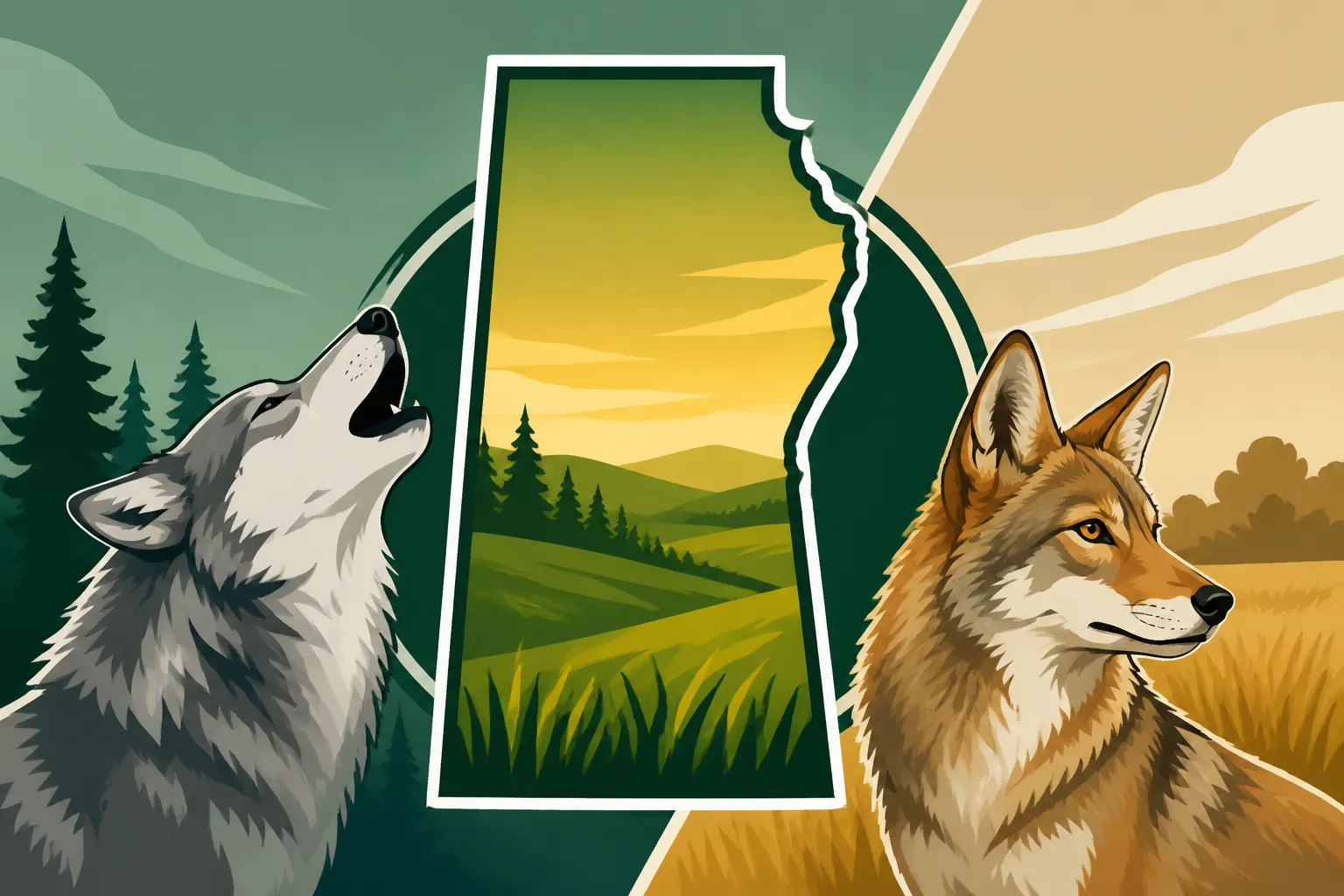
In Saskatchewan, both wolves and coyotes are generally classified as furbearers, meaning they can be hunted and trapped. However, their specific management strategies reflect their ecological roles and population dynamics. Coyotes, for instance, are incredibly adaptable and numerous across much of the province's agricultural land and parkland regions. They are often seen as a significant predator of livestock and other game, leading to very liberal hunting seasons designed to manage their numbers. You'll find them almost everywhere, from the deep coulees of the prairie to the edges of urban centres, and their populations tend to remain robust, even thriving, despite hunting pressure.
Wolves, on the other hand, are primarily found in the northern forest fringe and boreal forest regions of Saskatchewan. While their numbers are stable, they are not as widespread as coyotes. They are often seen as apex predators, impacting moose, elk, and deer populations, particularly in the northern areas. The rules for hunting them, while still quite open, reflect a more specific geographical focus on where their populations are most prevalent and where they might interact with other valued game species. Understanding these differences helps explain why some regulations might vary slightly between the two.
Impact on Other Game and Livestock
For many landowners and hunters, coyotes and wolves aren't just a pursuit; they're a management necessity. Coyotes are notorious for preying on deer fawns, game birds, and small livestock like sheep and calves. Farmers in the grain belt especially feel the pressure from coyotes, often reporting significant losses. This is one of the primary reasons the province maintains a very open season for coyotes, allowing hunters to contribute to population control. In fact, you'll often find landowners more than willing to grant access to hunters looking to thin out coyote numbers on their property.
Wolves, particularly in the northern areas, exert pressure on larger game such as deer, moose, and elk. While they play a vital role in maintaining healthy ecosystems by culling the weak, their presence can sometimes make hunting other species more challenging in certain zones. Their impact can also be felt by northern cattle producers, although less frequently than coyotes in the south. The province’s approach to wolf management balances this ecological role with the needs of other wildlife populations and local communities, allowing for hunting as a tool to maintain balance. This understanding of their impact underscores why their hunting regulations are structured to encourage their pursuit.
Licensing and Season Dates for Predators
One of the biggest hurdles for new predator hunters is figuring out what licenses you need and when you can actually hunt. The good news is that for residents, it's fairly straightforward, but non-residents have some specific requirements to keep in mind.
Resident vs. Non-Resident Requirements
For Saskatchewan residents, hunting coyotes and wolves is often tied into a general hunting license. Generally, if you possess a valid Saskatchewan resident big game license (like a deer or moose tag), you can also hunt coyotes during the open season. Some hunters even head out specifically for predators, in which case a general game bird license might suffice, or in some cases, a furbearer license is required depending on the specific hunting method or species. Always double-check the current Saskatchewan Hunters' and Trappers' Guide, as rules can have subtle changes year to year. You'll typically obtain your licenses through the online HAL (Hunter and Angler Licensing) system, which makes the process pretty streamlined. Make sure your Saskatchewan's HAL Account and Licensing is all set up and current before the season.
Non-residents, however, face stricter regulations. Non-residents of Saskatchewan, including those from other Canadian provinces or international hunters, generally cannot hunt wolves or coyotes as a standalone activity or without the services of a licensed outfitter. This is a critical distinction. For most non-residents, predator hunting would need to be part of an outfitted big game hunt, where the outfitter specifically includes it in their package, or you might be able to add it on if you're already booked for, say, Whitetail Hunting in Saskatchewan. It's essential for non-residents to contact licensed outfitters well in advance to confirm what opportunities are available, as rules regarding non-resident predator hunting can be very particular.
General Season Dates and Open Seasons
The beauty of coyote hunting in Saskatchewan is that the season is incredibly generous. For residents, coyotes are typically open year-round throughout much of the province. This continuous open season is a direct reflection of their robust populations and the ongoing need for population management, especially in agricultural areas. It means you can often combine a coyote hunt with other pursuits, whether you're out Upland Bird Hunting in Saskatchewan in the fall or scouting for deer in the winter.
Wolf seasons, while also quite liberal, tend to be more defined and are generally restricted to the northern portions of the province where wolves are prevalent. For residents, wolf seasons can extend through most of the fall and winter, often aligning with big game seasons. For exact dates and specific Wildlife Management Zones (WMZs), always consult the official Saskatchewan Hunters' and Trappers' Guide for the current year. This guide is your ultimate source for ensuring you're hunting within the legal window and in the correct zones. Platforms like GoHunt can also be invaluable for cross-referencing zone boundaries and season dates, providing up-to-date mapping and regulatory information right at your fingertips.
Legal Methods and Equipment for Hunting Wolves and Coyotes
Once you've got your licensing sorted, the next step is understanding the legal ways you can pursue these animals. Saskatchewan offers various methods, but there are important distinctions, especially when it comes to baiting and nighttime hunting.
Approved Firearms, Archery, and Crossbows
When it comes to equipment, hunters have a wide range of options for wolves and coyotes. For firearms, most common hunting calibers are suitable. For coyotes, popular choices include .22-250, .204 Ruger, .223 Remington, and .243 Winchester, known for their flat trajectories and minimal pelt damage. For wolves, which are larger and tougher animals, many hunters opt for calibers in the .270, .308, or .30-06 range, similar to what you might use for deer or smaller moose. Shotguns are also legal, typically used with buckshot or slugs, particularly in denser cover or for close-range opportunities.
Archery equipment is also legal, provided it meets the minimum draw weight and arrow requirements for big game, which are often applied to furbearers of this size. Compound bows, recurves, and longbows are all permissible. Crossbows are also legal, often subject to similar draw weight and bolt specifications as traditional archery gear. No matter your weapon of choice, the key is proficiency and ensuring your equipment is in good working order. Ethical hunting demands a clean, humane kill, so practice regularly, especially at varying distances you might encounter in the field.
Calling, Baiting, and Vehicle Use
Calling is perhaps the most popular and effective method for hunting both coyotes and wolves. Electronic calls mimicking distressed prey (rabbit, fawn, bird) or coyote/wolf howls are incredibly effective. Many hunters also use mouth calls, which offer versatility and a more intimate connection to the hunt. When you're out Calling Coyotes in Saskatchewan Stubble, it's a thrilling experience to see them come running to the call, often out of seemingly nowhere. Positioning yourself to have good visibility downwind is crucial, as these predators have an incredible sense of smell.
Baiting rules are where things get a bit more nuanced. While baiting is generally prohibited for big game animals in Saskatchewan (with exceptions for black bears), it is permitted for wolves and coyotes in most areas. Hunters often set up a bait pile, usually consisting of meat scraps or roadkill, and then hunt from a blind or stand nearby. This can be a very effective strategy, especially in winter when natural food sources are scarcer. However, specific regulations regarding baiting locations (e.g., distance from roads or residences) might apply, so always consult the latest guide. It's also vital to be aware of Rules on Baiting Big Game to ensure you're not inadvertently attracting deer or elk if big game hunting is not your intent or allowed by your license at that specific location and time.
Regarding vehicle use, the general rule in Saskatchewan is that you cannot hunt from or directly use a vehicle to pursue game. This means you can't shoot from a truck, ATV, or snowmobile. However, you can use vehicles to access hunting areas. Once you're there, you must dismount and be a certain distance from the vehicle (typically 25 yards/metres, but confirm current regulations) before shooting. This rule applies to both wolves and coyotes. It's critical to respect these rules to maintain a fair chase ethic and ensure safety.
Night Hunting and Trapping Regulations
Night hunting for big game in Saskatchewan is generally prohibited, but there are specific exceptions for predators. For coyotes, night hunting is often permitted for residents, usually with certain restrictions like needing a light source attached to your firearm. This is a specialized type of hunting that requires extreme caution and adherence to safety protocols. Not all areas or landowners will allow night hunting, so always seek explicit permission.
For wolves, night hunting is typically more restricted and usually requires a specific permit or is tied to agricultural depredation circumstances. Again, the yearly Hunters' and Trappers' Guide will have the most current and precise details. Trapping, as an alternative method for both species, requires a separate furbearer trapping license and involves different regulations regarding trap types, set locations, and checking periods. Trapping is a highly regulated activity, and specific training and licensing are required.
Important Considerations and Regulations
Beyond the basics of licenses and methods, there are several crucial aspects of hunting wolves and coyotes in Saskatchewan that demand your attention. These cover everything from respecting land access to ethical considerations and safety.
Land Access and Permission
Saskatchewan is predominantly private land, especially in the prime coyote country of the south and central regions. This means getting permission from landowners is not just good etiquette; it's the law. Always Knocking on Doors in Saskatchewan Farm Country and asking permission before entering private property. Many farmers welcome responsible predator hunters, seeing them as allies in managing livestock and crop damage. When asking, be clear about what you intend to hunt and for how long. Being respectful, offering to share your success, and leaving gates as you found them goes a long way in securing future access.
For wolves, which often inhabit the forest fringe and boreal zones, you might find more access to Crown land. However, even on Crown land, always be aware of any posted signs or restrictions. Utilizing tools like GoHunt or other land mapping apps with Crown land overlays can be incredibly helpful for identifying public access areas and avoiding trespass. Always know where you are hunting, and if in doubt, get explicit permission. Understanding Saskatchewan Landowner Permission Law is fundamental to ethical hunting here.
Carcass Disposal and CWD Implications
Once you've successfully harvested a wolf or coyote, ethical carcass disposal is important. Never just leave an animal near a public road, farmyard, or water source. If you're on private land, discuss disposal with the landowner. Often, burying the carcass or taking it to an approved landfill is the best option. In remote Crown land areas, moving it well off trails and roads to allow scavengers to naturally process it is acceptable.
Regarding Chronic Wasting Disease (CWD), while primarily affecting cervids (deer, elk, moose), there's ongoing research into whether CWD can be transmitted to or harboured by scavengers and predators that consume infected carcasses. While there aren't specific mandatory CWD testing requirements for wolves and coyotes in Saskatchewan at this time, hunters should be aware of the general CWD presence in certain zones. If you harvest an animal that appears sick or emaciated, it’s always best to contact the Ministry of Environment. The general rule of thumb for moving carcasses, especially from CWD-positive zones, is to limit the spread by only transporting the cleaned skull, hide, and deboned meat. This applies to all game, and being mindful of Moving a Carcass Between Zones helps protect Saskatchewan's wildlife.
Ethical Hunting and Safety Practices
Hunting predators, while often necessary for management, still requires the highest ethical standards. This means ensuring quick, clean kills, respecting the animals, and only taking shots within your effective range. Avoid "sky-busting" or taking shots that have a low probability of a humane kill. Knowing your firearm and its limitations is paramount. Additionally, always prioritize safety. This includes wearing blaze orange during general big game seasons when other hunters might be in the area, even if you're targeting coyotes. Understanding Saskatchewan Blaze Orange Rules is non-negotiable.
When hunting with calls, always be aware of your surroundings and identify your target positively before shooting. Coyotes can be quick, and sometimes other animals (or even dogs) can respond to calls. If you're hunting at night, the need for positive identification and a clear backdrop for your shot is even more critical. Carry a reliable GPS or use a mapping app like GoHunt on your phone to know your location, especially if you're venturing into unfamiliar territory. Being prepared for varying weather conditions, particularly when Hunting Saskatchewan Winter Weather Safely, is also essential. A true veteran hunter respects the land, the animals, and the safety of everyone in the field.
| Species | Resident Licence | Non-Resident Rules | Typical Season | Common Hunting Methods |
|---|---|---|---|---|
| Coyote | General Game Bird/Big Game License or specific furbearer license | Must hunt with a licensed outfitter (usually as part of a big game hunt) | Year-round (generally) | Calling (electronic/mouth), Baiting, Spot-and-stalk |
| Wolf | General Big Game License or specific furbearer license | Must hunt with a licensed outfitter (usually as part of a big game hunt) | Fall/Winter (specific zones) | Calling (electronic/mouth), Baiting, Spot-and-stalk, Tracking |
Disclaimer
Please remember that hunting regulations can change. While I strive to provide accurate and up-to-date information, it is always your responsibility as a hunter to consult the most current Saskatchewan Hunters' and Trappers' Guide published by the Ministry of Environment before heading into the field. This guide is for informational purposes only and does not supersede official provincial regulations.