When a Crossbow Is Legal to Use
Navigating the ever-evolving world of hunting regulations can sometimes feel like trying to hit a moving target, especially when it comes to specific weapon types. Many hunters find themselves scratching their heads, wondering if their trusty crossbow is even allowed in Saskatchewan, let alone when it's legal to take it into the field. This guide aims to clear up all that confusion, giving you a crystal-clear picture of when and how you can legally use a crossbow for hunting here in our beautiful province.
Understanding Saskatchewan's Crossbow Regulations for Hunters
It's a common misconception that crossbows are treated exactly like traditional bows or rifles. In Saskatchewan, while they certainly bridge the gap in many ways, they have their own distinct set of rules. This often stems from their unique characteristics – they offer more rifle-like accuracy and holding capabilities than a compound or recurve bow, but still propel an arrow, not a bullet. The province has specific guidelines to ensure fair chase, safety, and responsible hunting practices, and understanding these is paramount before you even think about heading out.
Who Can Use a Crossbow for Hunting in Saskatchewan?
Generally speaking, Saskatchewan's hunting regulations classify crossbows under specific conditions, primarily aligning them with the archery season for many species. However, there's a significant nuance: for able-bodied hunters without a medical permit, the use of a crossbow during regular big game archery seasons (like for white-tailed deer or moose) is typically permitted. This means if you're eligible to hunt with a regular bow, you're usually good to go with a crossbow during those designated archery periods.
The regulations are a bit stricter when it comes to who can use a crossbow outside of these conventional archery seasons, especially if you're looking for an extended season or specific advantages. This is where medical permits come into play, offering a pathway for hunters who, due to a permanent physical disability, are unable to draw or hold a conventional bow. It's not a free pass for everyone; it's a specific provision designed to keep hunting accessible. The provincial government ensures that anyone seeking this accommodation goes through a proper application and verification process, confirming the genuine need.
Crossbow Requirements and Specifications
Just like with any hunting weapon, there are minimum standards that your crossbow must meet to be considered legal for big game hunting in Saskatchewan. These aren't arbitrary rules; they're in place to ensure a humane and ethical harvest, providing enough kinetic energy to swiftly take down an animal.
First off, when we talk about draw weight, the regulations specify a minimum of 150 pounds. This isn't just a number on paper; it's about making sure your bolt has the power to penetrate through hide, muscle, and bone to reach vital organs. A crossbow with less than 150 lbs of draw weight simply isn't considered powerful enough for big game, and using one would be unethical and illegal.
Next, let's talk about bolts. The minimum length for an arrow or bolt used with a crossbow for big game in Saskatchewan is 22 inches. This ensures proper flight stability and adequate weight for kinetic energy transfer upon impact. You can't just slap any old arrow into your crossbow and expect it to be legal or effective.
Finally, the broadhead you choose is equally critical. Only broadheads with a minimum cutting diameter of 7/8 inch are permitted. These must be sharpened metal broadheads with at least two fixed cutting edges. Expandable or mechanical broadheads are allowed, provided they meet the 7/8 inch minimum cutting diameter in the open position. Again, this specification is all about ensuring maximum damage to vital areas for a quick, clean kill. Forget those target points or small game blunts – they have no place in big game hunting. Many hunters rely on trusted brands like Rage or NAP for mechanical broadheads that consistently meet these standards.
Special Considerations for Crossbow Use in Saskatchewan
The rules surrounding crossbows aren't always straightforward, and there are situations where they deviate from the typical archery regulations. It’s crucial to understand these nuances, particularly if you have a physical limitation or if you’re looking to hunt specific species during various seasons.
Disability and Medical Exemptions for Crossbows
This is perhaps one of the most important aspects of crossbow legality in Saskatchewan, as it provides an opportunity for many individuals to continue their passion for hunting. If you have a permanent physical disability that prevents you from drawing and holding a conventional bow, you may be eligible for a special permit to use a crossbow outside of standard archery rules.
The process for obtaining such a permit is quite rigorous. You'll need to submit a formal application to the Ministry of Environment, accompanied by detailed medical documentation from a licensed physician. This documentation must clearly outline the nature of your permanent disability and explain why it prevents you from using a traditional bow. It's not enough to simply say you prefer a crossbow; there must be a genuine, medically-verified inability to operate a conventional archery setup.
Once submitted, your application and medical records will be reviewed by the Ministry. If approved, you’ll receive a special endorsement that allows you to use a crossbow during specific seasons where it wouldn't normally be permitted for able-bodied hunters. This might include certain early seasons, or even in some rifle seasons, depending on the specific terms of your permit. It’s a thoughtful provision that ensures hunting remains accessible, reflecting a commitment to inclusivity in the hunting community. For those who once felt their hunting days were over due to injury or age, this exemption can be a true game-changer, allowing them back into the woods to pursue White-Tailed Deer, Saskatchewan's Signature Animal or other big game.
Crossbow Season Dates and Species
Understanding when you can actually hunt with a crossbow is just as vital as knowing the equipment requirements. For the most part, crossbow use for able-bodied hunters aligns with the general archery season dates for various big game species. For example, if the archery season for white-tailed deer opens in September, you can typically use your crossbow during that same period. These seasons are usually earlier than rifle seasons, offering hunters a unique opportunity to be in the woods before the general firearm rush.
However, if you have a medical permit, your season dates might differ. Your permit will specify the exact dates and conditions under which you can hunt with a crossbow, potentially extending into dates that overlap with rifle seasons or offering additional opportunities. It's essential to consult your specific permit and the current Saskatchewan Hunters' and Trappers' Guide annually, as regulations can change.
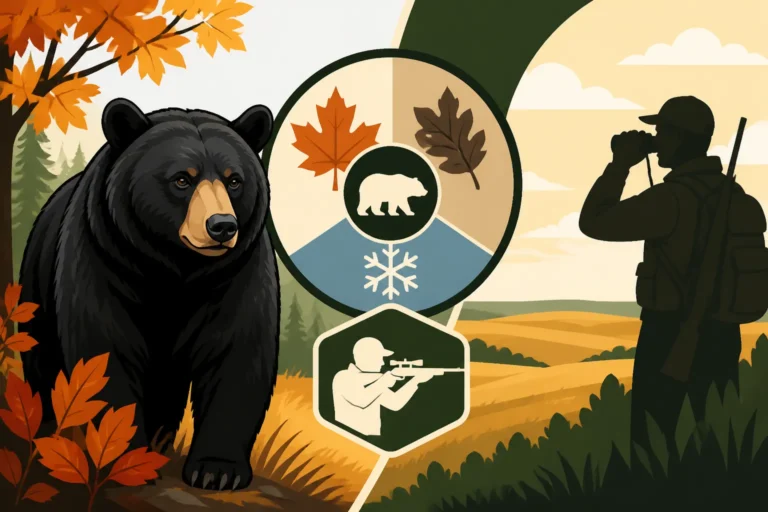
When it comes to species, crossbows are generally legal for all big game species that have an archery season, including white-tailed deer, mule deer, moose, elk, and Black Bear Hunting in Saskatchewan. Small game and upland birds typically have different regulations, often allowing air rifles or shotguns but not necessarily crossbows, so always double-check the guide for specific species and locations within a particular Wildlife Management Zone. For example, during certain parts of the season, you might be able to pursue bear with a crossbow, while other periods might be exclusive to firearms.
Practical Advice for Crossbow Hunters in Saskatchewan
Once you’ve got your head wrapped around the legalities, the next step is ensuring you’re truly ready for the hunt. A crossbow is a powerful tool, but like any weapon, it requires respect, practice, and a keen understanding of its capabilities and limitations.
Getting Your Crossbow Ready for the Field
Just buying a crossbow and legal broadheads isn't enough; you need to prepare properly. Sighting in your crossbow is paramount. Unlike a rifle, where you might only need to zero at one or two distances, crossbows have a much more pronounced trajectory arc. Many modern crossbow scopes come with multiple reticles or aiming points for different ranges (e.g., 20, 30, 40, 50 yards). You need to practice with your specific setup at these various distances until you can consistently place your shots within a tight group. Don't assume the factory settings are perfect; every crossbow, arrow, and broadhead combination will be slightly different. Consider using a rangefinder to precisely judge distances in the field, as misjudging by even a few yards can result in a missed shot or, worse, a wounded animal.
Maintenance is also crucial. Crossbows have many moving parts, including strings, cables, cams, and triggers. Regularly inspect your string and cables for fraying, serving separation, or wear. A damaged string can lead to decreased accuracy, or even catastrophic failure. Keep your rail lubricated as recommended by the manufacturer, and check all bolts and screws to ensure they are tight. A good habit is to perform a thorough inspection before and after each hunting trip.
Choosing the right bolts and broadheads, as discussed, is part of the legal requirements, but it's also about effectiveness. Match your broadheads to your bolt weight and crossbow speed for optimal flight and kinetic energy. Experiment with different brands if necessary to find what flies best out of your setup. A fixed-blade broadhead, known for its robust construction, might be a good choice if you're concerned about potential deployment issues with mechanical broadheads in extreme cold or dense cover.
Ethical Considerations and Best Practices
Even with a powerful crossbow, ethical hunting practices remain the cornerstone of our sport. Always strive for the cleanest, most humane kill possible. This means understanding your effective range. While some crossbows can shoot accurately at 80 or even 100 yards, most hunters find their ethical maximum range to be closer to 40-50 yards on game. Factors like wind, animal movement, and your own nerves significantly reduce accuracy at longer distances. Practice shooting from various positions – sitting, kneeling, standing – to simulate real hunting scenarios.
Shot placement is another critical factor. Aim for the vital organs (heart/lungs) just behind the shoulder. Avoid risky shots at moving animals or quartering-to shots that present too small a target or risk superficial wounds. Wait for the animal to offer a broadside or slightly quartering-away shot, where the arrow can penetrate both lungs.
After the shot, patience is a virtue. Unlike a bullet, a crossbow bolt doesn't always drop an animal on the spot, even with a perfect hit. Give the animal time to expire and for blood to start pooling before you begin tracking. For big game, especially if you suspect a liver or gut shot, waiting 4-6 hours, or even longer in some cases, is advisable. For a solid lung hit, 30-60 minutes might be sufficient. This patience increases your chances of recovering the animal and prevents pushing a wounded animal further into difficult terrain. Remember, hunting isn't just about the shot; it's about the responsible recovery of game. Using a good set of binoculars or a spotting scope, especially in open areas, can help you observe the animal's reaction and decide when to begin your recovery.
Navigating the Licensing and Permitting Process
Hunting in Saskatchewan, regardless of your weapon choice, always starts with proper licensing and permits. This is where the rubber meets the road, and getting it right ensures your hunt is legal and worry-free.
The HAL Account and Crossbow Permits
The Saskatchewan Hunting, Angling and Trapping Licence (HAL) system is your one-stop shop for all things licensing. If you don’t already have one, setting up a Saskatchewan's HAL Account and Licensing is the first step. It’s an online portal where you can purchase your Wildlife Habitat Certificate, resident big game draw applications, game bird licenses, and, crucially, apply for any special permits or endorsements you might need for crossbow use.
When applying for a crossbow permit based on a disability, you won't typically find a direct "crossbow permit" option. Instead, it falls under a broader category of special accommodations or permits for persons with disabilities. You’ll usually need to initiate contact with the Ministry of Environment's client service office, who will guide you through the specific application forms and documentation required. This might involve submitting a medical certificate filled out by your doctor, confirming your permanent physical disability. Ensure all sections are thoroughly completed and accurately describe your condition, as incomplete applications can lead to delays.
It's vital to apply well in advance of the hunting season. The review process for medical exemptions can take time, so don't wait until the last minute. The Ministry often has application deadlines, and missing these could mean you miss out on hunting for the season. Keep copies of all documentation you submit, and any correspondence you receive. Your HAL account is where your licenses and permits will be stored digitally, so ensure your contact information is always up-to-date.
Key Regulations to Remember for Crossbow Hunters
While we've covered the specifics, it's always good to have a quick reference for the core rules. Here’s a summary of the critical regulations for crossbow use in Saskatchewan, but remember, this isn't exhaustive, and the official Hunters' and Trappers' Guide is your ultimate authority.
| Regulation Category | Requirement |
|---|---|
| Minimum Draw Weight | 150 lbs |
| Minimum Bolt Length | 22 inches |
| Broadhead Type | Sharpened metal, minimum 7/8 inch cutting diameter (fixed or mechanical in open position) |
| General Season Access | Permitted during general archery seasons for specific species |
| Medical Permit Access | Required for use outside general archery seasons for persons with permanent disabilities |
| Blaze Orange Rule | Still applies during applicable seasons (e.g., outside archery-only periods) |
| Shooting Hours | 1/2 hour before sunrise to 1/2 hour after sunset (general rule, check specific zones) |
| Tagging Requirements | Must tag game immediately upon kill, as per all big game regulations |
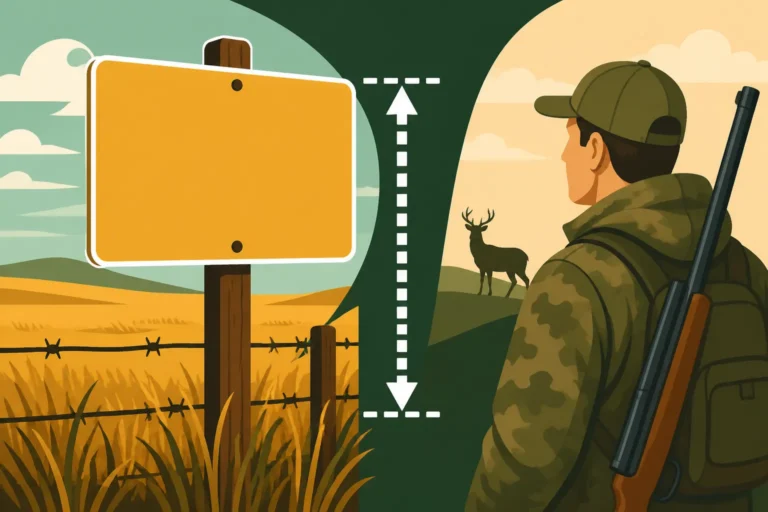
It’s important to remember that all other general hunting regulations still apply to crossbow hunters. This includes things like having your Saskatchewan Hunter Education Requirements completed, respecting posted land signs, obtaining permission for private land, and adhering to specific Saskatchewan Archery Season Dates or other species-specific rules. Don't forget that if you're hunting during a time when firearms are permitted, you still need to wear appropriate Saskatchewan Blaze Orange Rules to ensure your visibility and safety.
Tools like GoHunt can be invaluable resources for mapping out hunting zones, cross-referencing season dates, and even identifying public land opportunities. While it doesn't replace the official guide, it can certainly help you organize your hunt and stay informed about specific regulations in the areas you plan to explore. Always cross-reference any information from third-party apps with the official provincial regulations to ensure accuracy and compliance.
Disclaimer
The information provided in this article is for general guidance only and is not a substitute for the official Saskatchewan Hunters' and Trappers' Guide and provincial regulations. Hunting laws and regulations can change annually. It is the responsibility of every hunter to consult the most current official guide and relevant legislation published by the Government of Saskatchewan before participating in any hunting activity. Failure to do so may result in fines or penalties.