Minimum Age to Hunt in Saskatchewan
It’s a truly special moment when a young person expresses an interest in hunting, isn't it? As parents, grandparents, or mentors, we often get caught up in the excitement, but then the practical questions start to surface: "How old do they need to be?" and "What are the first steps?" Navigating the rules and regulations around minimum age requirements for hunting in Saskatchewan can feel a bit like trying to read a map in the dark, but it’s crucial to get it right. This guide will walk you through everything you need to know about bringing the next generation into the field safely and legally.
Understanding Saskatchewan's Youth Hunter Regulations
Saskatchewan, like all jurisdictions, has specific guidelines designed to ensure that new hunters are well-prepared and responsible, especially when they’re still in their formative years. It’s not just about pulling a trigger; it’s about understanding wildlife, ethics, and safety. These regulations are in place to foster a strong foundation for future generations of conservationists.
Age Requirements for Hunter Education
The first, and arguably most important, step for any aspiring hunter in Saskatchewan is completing the provincial hunter education course, often called Hunter Safety. This course covers everything from firearm safety and wildlife identification to ethical hunting practices and game care. It’s an essential foundation, irrespective of age. Generally speaking, a young person must be at least 10 years old to enroll in and complete the Saskatchewan hunter education course. This age allows them to absorb the material, participate in practical exercises, and grasp the serious responsibility that comes with handling firearms and hunting.
While they can take the course at 10, completing it doesn't immediately grant them a hunting license for big game. It’s a prerequisite that sets them on the right path. This phased approach ensures that foundational knowledge is acquired before they ever step foot in the field with a loaded firearm. Think of it as earning your learner's permit before you can even think about driving solo.
The Mentored Youth Hunter Program
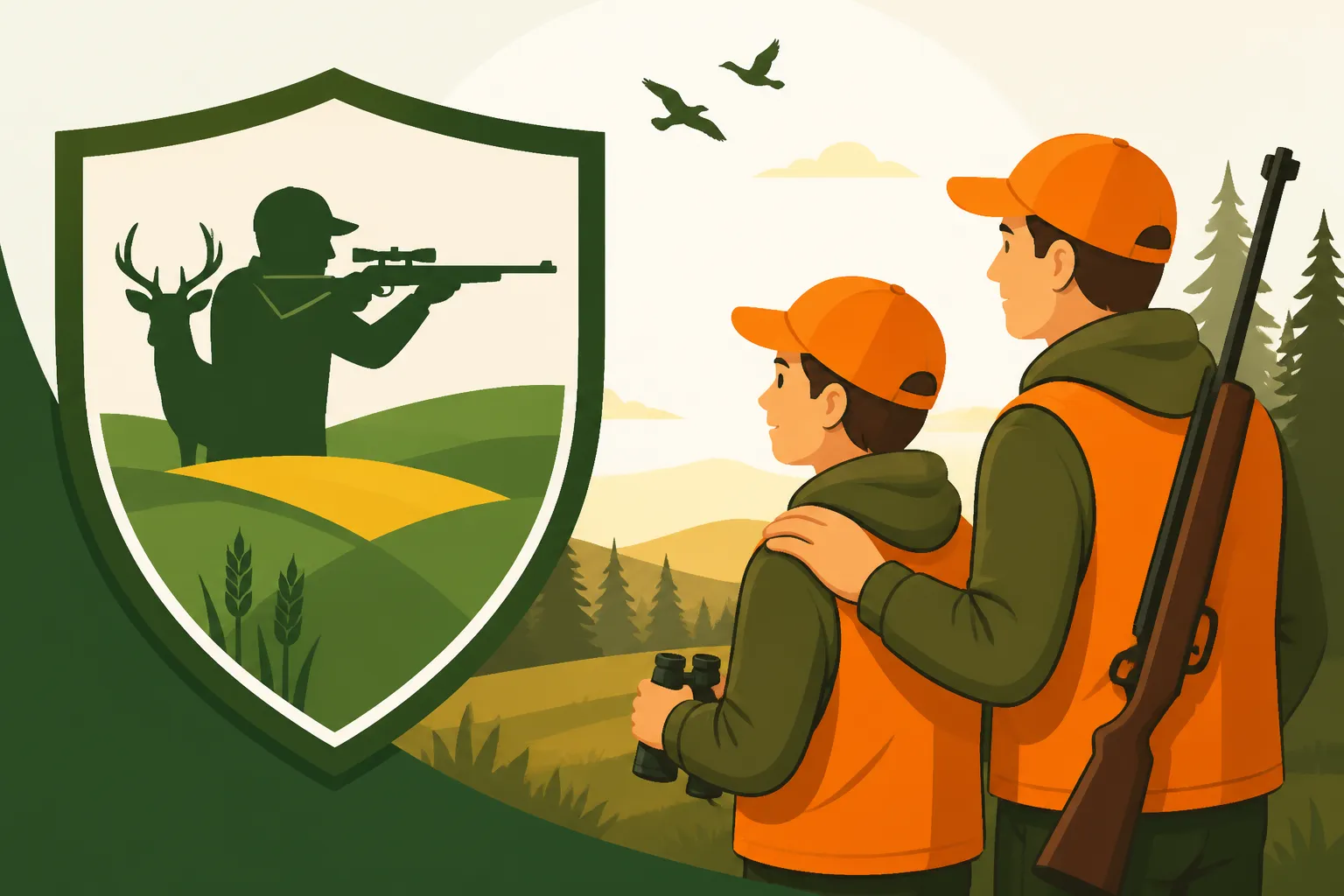
For those eager youngsters who might be a little too young to purchase their own big game license, or those who simply benefit from direct, hands-on guidance, Saskatchewan offers an incredible initiative: the Mentored Youth Hunter Program. This program allows youth between the ages of 12 and 15 years old to hunt specific big game animals and waterfowl while under the direct supervision of an adult mentor. The mentor must be at least 18 years old, possess a valid Saskatchewan hunting license, and have completed their own hunter education. This isn't just a casual supervision; the mentor must be close enough to take immediate control of the hunting device.
The beauty of this program is that it provides a controlled, educational environment for youth to gain practical experience before they’re fully independent. It’s a chance to learn by doing, with an experienced hand guiding them every step of the way. Imagine the thrill of seeing their first whitetail through binoculars, or calling in geese, all while learning directly from someone they trust. It's an invaluable experience that simply can't be replicated in a classroom. For more details, you can explore the specifics of the Saskatchewan Youth and Mentored Hunting program.
Obtaining Your First Hunter Number and Licences
Once a young person has successfully completed their hunter education course, they’re ready for the next big step: getting their own Saskatchewan Hunter Number and eventually, their first hunting license. The Hunter Number is a unique identifier, similar to a social insurance number for hunters, that tracks their education and licensing history. Most youth who have completed the hunter education course can apply for their Hunter Number and purchase certain licenses starting at 12 years of age.
At 12, after completing hunter education, they can generally acquire game bird licenses (with a valid federal migratory game bird permit) and even certain big game licenses, often for antlerless deer or specific youth draws, provided they meet all other criteria. This is where the rubber meets the road, so to speak. This transition from 'student' to 'licensed hunter' is a significant milestone, marking their readiness to responsibly participate in Saskatchewan's rich hunting tradition. For comprehensive information on how to acquire these, check out Saskatchewan Hunting Licences and What They Cost.
Navigating the Licensing System for Young Hunters
The world of hunting licenses can seem a bit convoluted even for seasoned hunters, let alone newcomers. For young hunters, understanding what they're eligible for and when is key to avoiding frustration and ensuring a smooth entry into the sport.
Specific Age Brackets and Licence Eligibility
Saskatchewan’s licensing system is designed with progressive eligibility, meaning certain licenses become available as a young hunter gains age and experience.
- Under 10 years old: Cannot take the hunter education course or apply for a Hunter Number. Participation is limited to observational roles or specific youth events that do not involve handling firearms.
- 10-11 years old: Can take and complete the Saskatchewan Hunter Education course. This is a foundational step. While they can pass the course, they typically cannot purchase big game licenses on their own yet.
- 12-15 years old: This is a critical age bracket. After completing hunter education, they can participate in the Mentored Youth Hunter Program for big game. They can also purchase general game bird licenses (with the Federal Migratory Game Bird Permit) and may be eligible for specific antlerless deer licenses or special youth draw opportunities.
- 16 years and older: Upon turning 16, a hunter is generally considered an adult for licensing purposes and can apply for the full range of resident licenses, provided they have completed their hunter education. This means they can apply for the same big game draws and purchase the same over-the-counter tags as any other adult resident hunter in Saskatchewan. This is a big step towards full hunting independence.
It's important to remember that all hunters, regardless of age, must adhere to the rules regarding legal firearms and bows. For instance, understanding Legal Firearms and Bows for Big Game is crucial as they grow into larger caliber firearms.
Costs and Required Certificates
While the experience of hunting is priceless, there are indeed costs associated with getting started. For young hunters, Saskatchewan aims to make entry as accessible as possible, often offering reduced fees for youth licenses.
Firstly, every hunter in Saskatchewan, young or old, must possess a Wildlife Habitat Certificate (WHC). This certificate contributes directly to wildlife habitat conservation and is a mandatory purchase before any hunting license can be acquired. For youth, the cost of this certificate is typically reduced.
When it comes to the licenses themselves, game bird licenses for youth are usually quite affordable. Big game licenses, even for eligible youth, will have a higher cost but are still often at a discounted rate compared to adult resident licenses. It’s always best to check the current year’s Saskatchewan Hunting Guide or the Saskatchewan Ministry of Environment website directly for the most up-to-date pricing. This ensures you’re not caught off guard by any changes. Think of these as investments in the future of hunting and conservation in the province.
Special Opportunities for Youth Hunters
Saskatchewan recognizes the importance of nurturing its young hunters and often implements special opportunities to encourage participation. Beyond the Mentored Youth Hunter Program, there can be specific draws or seasons tailored for youth. These might include:
- Youth-only draws: Some Wildlife Management Zones (WMZs) might have specific draws for antlerless deer, or even antlered deer, exclusively for youth hunters. These often have better odds of being drawn, providing a higher chance for success. Keeping an eye on the Saskatchewan's Big Game Draw deadlines is important for these opportunities.
- Special youth hunting days: Occasionally, specific species or areas may have youth-only hunting days prior to the general season opener. These days allow young hunters to experience the field with less pressure from other hunters.
- Youth mentorship events: Organizations like the Saskatchewan Wildlife Federation often host youth mentorship hunts or workshops, providing instruction and hands-on experience in a supportive environment. These events are fantastic for building confidence and camaraderie.
These opportunities are designed to provide a positive and successful experience for young hunters, laying the groundwork for a lifelong passion. Utilizing tools like GoHunt, which can provide detailed maps and data on WMZs, can also help identify areas that might have these specific youth opportunities or suitable hunting grounds.
Practical Considerations for Mentoring Young Hunters
Bringing a young person into hunting is more than just teaching them to shoot; it’s about imparting a deep respect for nature, instilling unwavering safety habits, and fostering patience and resilience. It's a journey, not a single event.
Safety First: Emphasizing Responsible Handling and Supervision
Safety should always be the absolute top priority when hunting with youth. This isn't just a suggestion; it's a moral imperative. From the moment they touch a firearm or bow, until they safely unload it, every action must be deliberate and responsible.
- Firearm Safety Rules: Constantly reinforce the four fundamental rules of firearm safety: 1. Treat every firearm as if it's loaded. 2. Always point the muzzle in a safe direction. 3. Be sure of your target and what is beyond it. 4. Keep your finger off the trigger until ready to shoot. Repetition is key here.
- Direct Supervision: For mentored youth, direct, constant supervision is non-negotiable. This means being within arm's reach, able to take control of the firearm or bow at any moment. Never assume a young hunter fully understands a situation or potential hazard.
- Blaze Orange: Adherence to Saskatchewan Blaze Orange Rules is critical. Ensure they are wearing enough visible blaze orange, not just for legal compliance, but for maximum safety in the field. Bright, contrasting colors make them easily identifiable to other hunters.
- Equipment Fit: Ensure firearms or bows are appropriately sized and weighted for the youth. A firearm with too much recoil or a bow with too heavy a draw weight can lead to flinching, poor accuracy, and a negative experience. Start small, build confidence.
Choosing the Right Hunt and Species
For a first-time hunter, the choice of species and type of hunt can significantly impact their experience. You want to set them up for success and enjoyment, not frustration.
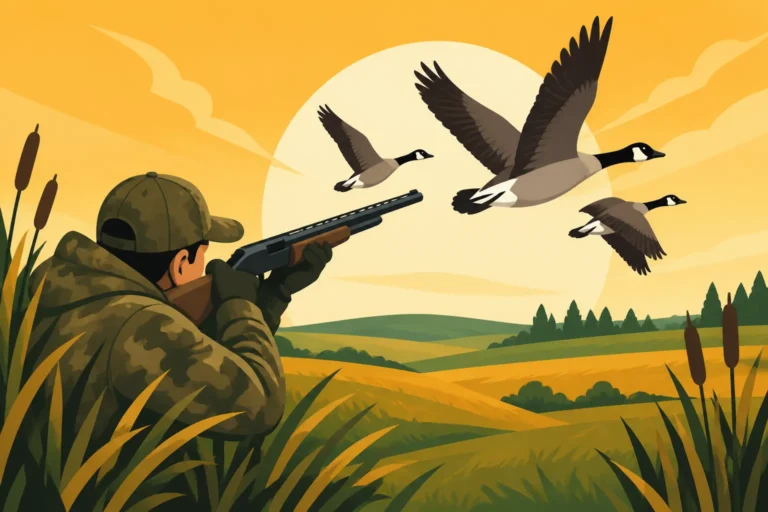
- Start Small: Many mentors find that starting with game birds, like ducks, geese, or upland birds such as sharp-tailed grouse or Hungarian partridge, is an excellent introduction. The action can be more consistent, the shooting distances often shorter, and the pressure generally lower. It allows them to develop shooting skills and fieldcraft without the often lengthy, cold, and quiet waits of big game hunting.
- Mentored Big Game: If big game is the goal, consider antlerless deer opportunities or even black bear hunting where they can sit over a bait with a high chance of seeing animals. A successful first harvest, even of a smaller animal, builds tremendous confidence and reinforces the ethical responsibility of a hunter. Hunting a Saskatchewan Bush Bluff or a Hunting a Field of Standing Corn can provide great cover and opportunities for new hunters.
- Patience is Key: Be prepared for slow days. The goal isn't just about harvesting an animal, but about enjoying the outdoors, learning about wildlife, and building a bond. Teach them how to read sign, track, and understand animal behavior. Tools like GoHunt can help identify promising areas where animal sign might be prevalent, aiding in teaching scouting skills.
Creating a Positive First-Time Hunting Experience
The initial hunting experiences profoundly shape a young person's attitude towards the sport. Make it positive, educational, and fun.
- Focus on the Journey: Emphasize the entire experience: the early mornings, the sights and sounds of nature, the tracking, the patience, and the companionship. A successful harvest is a bonus, not the sole purpose.
- Comfort and Warmth: Especially in Saskatchewan, comfort is paramount. Cold, wet, or hungry kids will quickly lose interest. Ensure they have appropriate clothing, snacks, and warm drinks.
- Involve Them in Decisions: Let them help scout, set up blinds, or choose a spot. This ownership fosters engagement. Even tasks like Reading a Saskatchewan WMZ Map Before You Go or Scouting With Satellite Imagery in Saskatchewan can be made into engaging learning experiences.
- Celebrate Small Victories: Whether it’s spotting a deer, making a good shot on a clay target, or just spending a quiet morning in the blind, celebrate these moments.
- Ethical Discussions: Use the opportunity to discuss fair chase, responsible harvesting, and the vital role hunters play in conservation. This lays the groundwork for them to become lifelong ethical hunters and stewards of the land.
Here’s a summary of Saskatchewan's general age guidelines for hunting:
| Activity / Licence Type | Minimum Age (General Guideline) | Notes |
|---|---|---|
| Hunter Education Course | 10 years | Prerequisite for obtaining a Hunter Number and licenses. |
| Mentored Youth Hunter Program (Big Game) | 12 years (12-15 range) | Must be directly supervised by a licensed adult mentor (18+). |
| Mentored Youth Hunter Program (Game Birds) | Under 16 years (often younger than 12) | Specific rules apply, often requiring mentor supervision and permits. |
| Resident Game Bird Licence (own) | 12 years | Requires Hunter Education and Federal Migratory Game Bird Permit. |
| Resident Big Game Licence (own, antlerless/youth draws) | 12 years | Requires Hunter Education. Eligibility varies by species and WMZ. |
| Full Resident Big Game Licence (all species, draws) | 16 years | Requires Hunter Education. Considered an adult for licensing purposes. |
| Wildlife Habitat Certificate (WHC) | All ages with a licence | Mandatory for all hunters, regardless of age, reduced fee for youth. |
Bringing a young person into hunting is truly an investment in the future of our wildlife and our outdoor traditions. It takes patience, dedication, and a commitment to safety and ethics, but the rewards—watching a young hunter connect with nature, develop invaluable skills, and experience the thrill of the chase—are immeasurable. Remember, it's about making memories and passing on a legacy that will last a lifetime.
Disclaimer
The information provided in this guide is for general informational purposes only and does not constitute legal advice. Hunting regulations in Saskatchewan can change, and it is the hunter's responsibility to consult the most current Saskatchewan Hunter's and Trapper's Guide and relevant government websites for the official and most up-to-date rules and regulations before participating in any hunting activity. Always confirm specific requirements with the Saskatchewan Ministry of Environment.