Saskatchewan Mentored Youth Hunting Rules
Introducing a child or young person to hunting is one of the most rewarding experiences a mentor can have, but it often comes with a heap of questions and a touch of anxiety about getting all the rules right. We all want to foster a love for the outdoors and ethical hunting practices, but navigating the specific regulations for youth can feel like a maze. This comprehensive guide is here to untangle the complexities of Saskatchewan’s mentored youth hunting rules, helping you provide a safe, legal, and truly unforgettable experience for the next generation of hunters.
The Heart of the Program: Nurturing New Hunters Safely
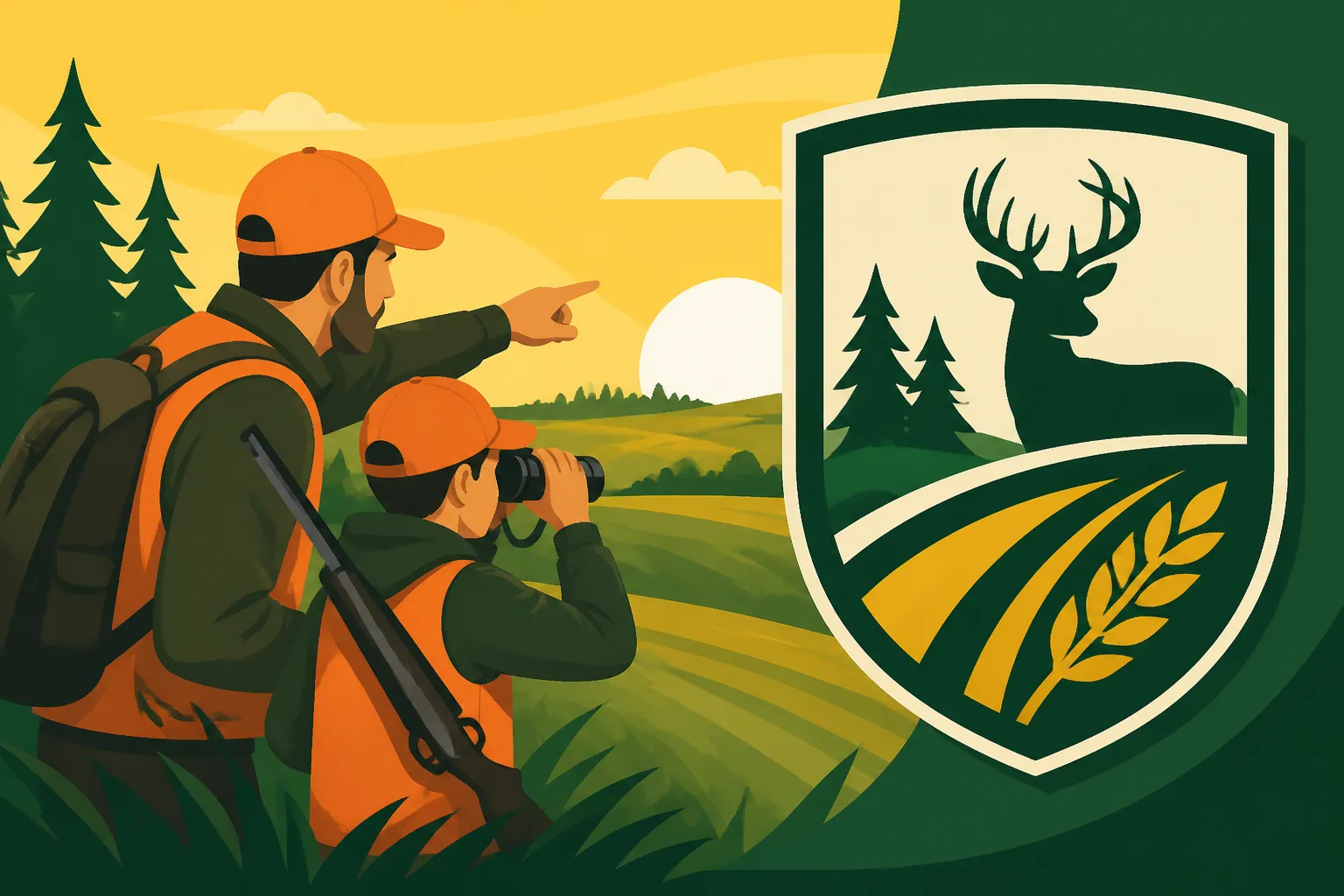
Saskatchewan has put a fantastic system in place to ensure that young aspiring hunters can learn the ropes in a controlled, supportive, and most importantly, safe environment. The mentored youth hunting program isn't just about getting a tag in a young hunter's hand; it's about instilling the values of conservation, respect for wildlife, and responsible firearm handling from day one. It acknowledges that hunting is a skill passed down, often generationally, and provides a clear pathway for that tradition to continue.
It's common for parents and guardians to feel overwhelmed, wondering if their child is "ready" or if they'll accidentally break a rule. The beauty of the mentored program is that it places the primary responsibility for safety and legal compliance on a qualified, experienced adult. This means the pressure isn't solely on the youth, allowing them to focus on learning and experiencing the hunt. It's a stepping stone, a way to gently introduce them to the full spectrum of hunting experiences before they're expected to carry the full weight of adult hunting responsibilities. The goal is to build confidence, knowledge, and a deep appreciation for the hunt, one step at a time.
Who Qualifies for Saskatchewan's Youth Hunting Program?
Eligibility is, understandably, quite specific, designed to protect the youth while still offering robust learning opportunities. Generally, the mentored youth hunting opportunities in Saskatchewan are available to residents under the age of 18. The critical component here is the "mentored" aspect, meaning the youth must be under the direct and continuous supervision of a qualified adult mentor. This isn't a scenario where a youth can simply go off on their own with a general license; it's a hand-in-hand learning journey.
For most big game species, the program specifically targets youth aged 12 to 17. For migratory game birds and upland game birds, the age can often be a bit younger, sometimes even without a formal hunting licence required if they are under 16 and accompanied by a licensed adult who possesses all necessary permits. The exact age cut-offs can vary slightly depending on the species and the specific regulations in play, so always check the most current Saskatchewan Hunters' and Trappers' Guide. Residency is also key; the program is primarily designed for Saskatchewan residents, ensuring that local youth have the opportunity to engage with their natural heritage. If you're wondering about specific age requirements for various species, it's always best to consult the official guide or the Ministry of Environment.
The Undeniable Benefits of Mentorship in the Field
The advantages of a structured mentorship program in hunting extend far beyond simply having someone watch over a young person. This isn't just about compliance; it's about cultivation. When a seasoned hunter takes a young person under their wing, they're passing on a lifetime of learned wisdom – from how to read animal sign after a fresh Saskatchewan snow to the nuances of ethical shot placement. The mentor acts as a living, breathing textbook, able to explain complex concepts in real-time and demonstrate proper techniques firsthand.
Beyond the technical skills, mentorship instills a profound respect for the animal, the land, and the entire hunting process. A mentor teaches patience, observation, and the importance of conservation. They model responsible behavior, showing why we follow rules like Saskatchewan Blaze Orange Rules or why we always prioritize meat care in the field, even in Saskatchewan's cold snaps. This direct, one-on-one guidance helps to build a strong ethical foundation that classroom instruction alone simply can't achieve. It’s an invaluable way to ensure that the traditions of safe, responsible, and ethical hunting continue to thrive for generations to come.
Getting Started: Requirements and the Mentor's Role
Embarking on a mentored youth hunt requires a bit of preparation, both for the youth and, perhaps even more critically, for the mentor. It’s not just about grabbing your gear and heading out. There are specific steps and certifications to ensure that the experience is safe, legal, and educational. Understanding these requirements from the outset will save you headaches and ensure a smooth, enjoyable trip afield.
The foundation of any responsible hunter, regardless of age, is education. While youth under direct supervision may have some exemptions, the mentor absolutely must be fully qualified. This includes holding a valid Saskatchewan hunting license, a Wildlife Habitat Certificate, and having successfully completed the Saskatchewan Hunter Education course or an equivalent recognized by the province. It's about leading by example and demonstrating competency.
Hunter Education and Licensing for Youth
This is often one of the most confusing areas for new mentors. Does the youth need a full Hunter Education certificate right away? In Saskatchewan, for youth aged 12-17 participating in the mentored program, they typically do not need to have completed the full Hunter Education course before their first mentored hunt, provided they are under the direct supervision of a qualified mentor. However, the mentor must possess a valid Hunter Education certificate. This exemption is a fantastic way to introduce youth to hunting without the initial barrier of a lengthy course, allowing them to experience it first before fully committing to the educational component.
However, it's highly encouraged for youth to complete their Hunter Education course as soon as they are ready. This will prepare them for Saskatchewan Hunter Education and Firearms Safety and allow them to hunt independently once they reach the appropriate age. When it comes to licensing, youth hunters will need to acquire a specific youth license. This usually involves creating a HAL (Hunter and Angler Licensing) account. For a detailed guide, you can check out Setting Up a Saskatchewan HAL Account. These youth licenses are generally less expensive or even free for certain species, reflecting the province's commitment to encouraging youth participation. It's crucial that the youth's license is secured and valid before any hunting activity begins.
| Requirement/Action | Youth (Mentored, 12-17) | Mentor (Adult) |
|---|---|---|
| Hunter Education Course | Not required if under direct supervision of a certified mentor | Mandatory |
| Valid Saskatchewan HAL Account | Yes (for specific youth licenses) | Mandatory |
| Hunting Licence | Yes (youth-specific licence for target species) | Mandatory (for relevant species) |
| Wildlife Habitat Certificate | No (included with mentor's licence or exempt for youth) | Mandatory |
| Federal Migratory Bird Permit | Yes (if hunting migratory birds) | Mandatory (if hunting migratory birds) |
| Direct Supervision | Mandatory at all times | Mandatory (1:1 ratio or as specified by regulation) |
| Possession of Firearms | Legal under direct supervision, appropriate calibre/draw weight | Legal (must meet all federal and provincial firearm regulations) |
Note: Always consult the current Saskatchewan Hunters' and Trappers' Guide for the most up-to-date and precise regulations, as rules can change.
The Mentor: Your Responsibilities and Qualifications
The role of the mentor cannot be overstated; you are the linchpin of a successful and safe youth hunting experience. A mentor is not just a chaperone; they are a teacher, a guide, and a role model. First and foremost, a mentor must be at least 18 years of age and hold all the necessary hunting licenses and permits for the species being hunted, including a valid Hunter Education certificate. They must also be a resident of Saskatchewan to mentor resident youth.
Your responsibilities are extensive:
- Direct and Continuous Supervision: This means being close enough to the youth at all times to exercise physical control over the firearm or bow and provide immediate assistance and instruction. You're not just in the same field; you're with them. The general rule is a 1:1 ratio, one mentor per youth hunter, though some specific scenarios might allow for two youth per mentor, it's safest to stick to 1:1 for new hunters.
- Safety First: You are responsible for ensuring the youth understands and practices safe firearm handling at all times. This includes muzzle control, trigger discipline, positive target identification, and being aware of what's beyond the target.
- Legal Compliance: You must ensure the youth adheres to all hunting regulations, including season dates, bag limits, shooting hours, and land access rules. This means ensuring you've got Saskatchewan Big Game Season Dates and Saskatchewan Game Bird Seasons and Limits memorized or at least handy!
- Ethical Conduct: Beyond the law, you teach the ethics of hunting – fair chase, conservation, respect for the animal, and responsible meat handling.
- Providing Equipment: While not a strict legal requirement, it's often the mentor who provides appropriate firearms or bows suitable for the youth's size and strength. Ensuring the youth can safely and effectively handle their chosen weapon is critical. A lighter recoil rifle or a lower draw weight bow is often a good choice. For more on what's legal, check out Legal Firearms and Bows for Big Game.
Being a mentor is a significant commitment, but the reward of seeing a young person connect with nature and develop into a responsible hunter is truly immeasurable.
The Hunt Itself: Practicalities and Best Practices
Once the paperwork is done and the roles are clear, it's time to hit the field. This is where the real learning happens, and where the mentor's experience truly shines. Planning, patience, and a focus on the experience over the outcome are key to a successful mentored youth hunt. Remember, for a young hunter, every moment in the field is a lesson, whether an animal is harvested or not.
Thinking strategically about where and how you hunt will greatly impact the youth's experience. It's often better to start with accessible areas where game is relatively abundant, reducing frustration and maximizing learning opportunities. Tools like GoHunt can be incredibly helpful here, allowing you to scout potential public lands or understand Wildlife Management Zones (WMZs) from home, identifying areas that might offer a good chance at success or at least plenty of wildlife viewing. This kind of pre-hunt planning can make all the difference, especially when you're trying to keep a young person engaged.
Species and Weapon Choices for Young Hunters
Saskatchewan offers a range of opportunities for mentored youth. For big game, this often includes white-tailed deer, and sometimes moose or elk through specific draw allocations if available. Small game like rabbits or upland birds such as sharp-tailed grouse or Hungarian partridge are also excellent starting points, offering more action and lower pressure. Migratory game birds, especially Canada geese or ducks in a field setting, can also be a fantastic experience for a youth hunter, with plenty of opportunities to practice calling and shooting. Remember, specific youth licenses are usually tied to particular species or groups of species, so ensure the youth's license matches what you intend to hunt.
When it comes to weapons, matching the firearm or bow to the youth is paramount. A rifle with excessive recoil will only deter a young shooter and potentially create a flinch. Start with a .22LR for small game, or a mild-recoiling centerfire like a .243 Win, 6.5 Creedmoor, or a 7mm-08 Rem for deer. For archery, ensure the bow's draw weight is manageable and comfortable for the youth, allowing for proper form and accuracy. Adjustable compound bows are fantastic for this, growing with the hunter. For shotgunning, a lighter 20-gauge with low-recoil loads is often a better choice than a heavy 12-gauge. The goal is accuracy and comfort, not power.
Safety on the Hunt and Ethical Considerations
Safety is always the number one priority. Before even leaving the vehicle, review the fundamental rules of firearm safety: TREAT EVERY FIREARM AS IF IT IS LOADED, ALWAYS POINT THE MUZZLE IN A SAFE DIRECTION, KEEP YOUR FINGER OFF THE TRIGGER UNTIL READY TO SHOOT, and BE SURE OF YOUR TARGET AND WHAT IS BEYOND IT. Repeat them, demonstrate them, and correct any lapses immediately and patiently. This is also where you ensure proper attire, including appropriate layers for Hunting Saskatchewan Winter Weather Safely and the mandatory blaze orange. For more specific details on what's required, you can refer to How Much Blaze Orange Saskatchewan Requires.
Ethical considerations must be woven into every aspect of the hunt. This means:
- Fair Chase: Explaining why we don't shoot animals from vehicles, or why we don't hunt over certain types of bait for particular species (where not permitted).
- Shot Placement: Teaching the youth to wait for the best possible shot for a clean, humane kill. Practice at the range until confidence is high.
- Tracking and Recovery: Demonstrating the importance of thoroughly tracking an animal, even after a seemingly good shot. This is a crucial skill learned best by doing.
- Respect for the Harvest: Showing the youth how to properly field dress and care for the animal, emphasizing that it's a food source to be respected and not wasted. Field Dressing in Saskatchewan's Deep Cold or Hanging Meat in Fall Temperature Swings are great topics to discuss.
Remember, the youth is observing your every action and absorbing your attitudes. Be the ethical hunter you want them to become. Utilize tools like GoHunt to mark your exact location, the last known location of a downed animal, and even to help navigate back to your vehicle after a long day of tracking. These small details contribute to the overall safety and success of the hunt.
Fostering a Lifelong Passion for the Outdoors
A single mentored hunt, while incredibly impactful, is just the beginning. The real success of the program lies in nurturing a sustained passion for hunting, conservation, and the outdoors. It's about building a foundation that encourages them to continue learning, exploring, and becoming responsible stewards of Saskatchewan's incredible wildlife resources.
The journey from a mentored youth hunter to a seasoned, independent hunter is a progression. It involves continuous learning, honing skills, and deepening one's understanding of the natural world. Encourage your young hunter to think beyond the immediate hunt and consider the broader ecosystem.
Continuous Learning and Skill Development
Hunting is a skill that evolves with experience. Encourage your youth hunter to continue practicing their shooting skills throughout the off-season. Archery practice, clay target shooting, or even just plinking with a .22 all contribute to better proficiency and confidence when actual hunting season arrives. Reading books, watching educational videos, and participating in workshops can further their knowledge. Topics like Reading Whitetail Sign in Saskatchewan Bluffs or Calling Coyotes at First Light are great examples of specialized skills that take time and practice to master.
Beyond shooting, focus on broader bushcraft and outdoor skills. Teach them how to use a compass and map, how to identify different animal tracks, or how to set up a camp safely. These skills build self-reliance and deepen their connection to the environment, making them more well-rounded outdoors enthusiasts. Encourage curiosity and asking questions about everything they encounter in nature.
Community Involvement and Conservation
Hunting is more than an individual pursuit; it's a community built around shared values. Encourage your youth hunter to join local conservation groups, such as a branch of the Saskatchewan Wildlife Federation (SWF). These organizations often provide youth programs, educational events, and opportunities to participate in conservation projects, from habitat restoration to wildlife surveys. This involvement helps them understand the vital role hunters play in conservation efforts and connects them with a broader network of like-minded individuals.
Participating in volunteer work, such as assisting with local deer counts or helping maintain hunting access trails, can further instill a sense of ownership and responsibility for wildlife resources. This engagement reinforces that hunting is not just about taking, but also about giving back and ensuring healthy wildlife populations for future generations. It’s about becoming a complete conservationist, not just a hunter.
The Future of Ethical Hunting Practices
The lessons learned during mentored youth hunting lay the groundwork for a lifetime of ethical hunting. Discuss the importance of respecting landowners and always seeking Knocking on Doors in Saskatchewan Farm Country for permission. Talk about the implications of Chronic Wasting Disease (CWD) and the importance of mandatory testing in certain zones, as outlined in Saskatchewan's CWD Testing Rules. These are not just rules to follow, but principles to live by.
By consistently modeling responsible behavior, encouraging continuous learning, and fostering community involvement, mentors can ensure that the youth they guide will become passionate, knowledgeable, and ethical hunters. This ensures that the tradition of hunting in Saskatchewan continues to be respected, sustainable, and enjoyed by future generations.
Disclaimer
Please note that hunting regulations and licensing requirements can change. Always consult the most current Saskatchewan Hunters' and Trappers' Guide published by the Saskatchewan Ministry of Environment, as well as the federal migratory bird regulations, before planning or engaging in any hunting activities. This guide is intended for informational purposes only and does not supersede official government regulations.